
A Mount Meru and Arusha National Park safari and walking tour offers a unique blend of challenging mountain trekking and incredible wildlife viewing within Tanzania’s accessible northern circuit, perfect for travelers seeking both adventure and classic safari experiences in 2026-2027. These tours typically combine a multi-day ascent of Mount Meru with guided walking safaris and vehicle-based game drives in Arusha National Park, providing opportunities to see diverse landscapes, abundant birdlife, and iconic animals like elephants, giraffes, zebras, and various primates, with the primary decision for travelers being the duration and intensity of the Mount Meru climb versus the safari focus.
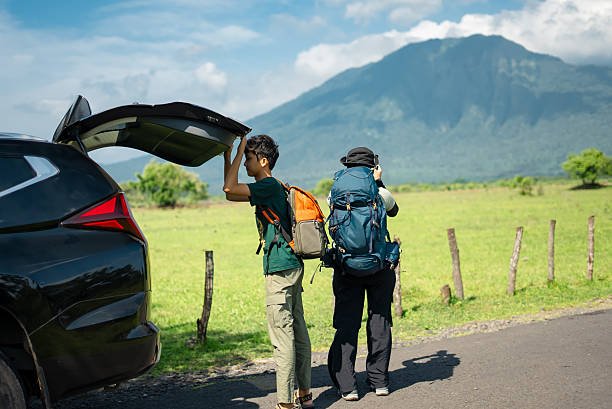
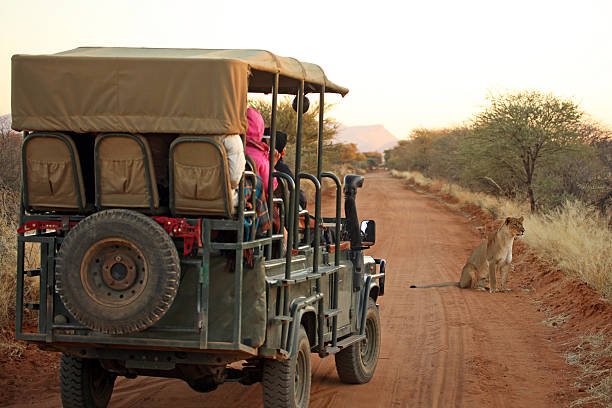
Understanding Mount Meru and Arusha National Park
For many, the allure of Tanzania’s northern circuit conjures images of Kilimanjaro’s snowy peaks and the vast plains of the Serengeti. However, just a stone’s throw from Kilimanjaro lies Mount Meru, a dormant volcano offering a spectacular and often overlooked trekking challenge, and Arusha National Park, a jewel of biodiversity. A Mount Meru and Arusha National Park safari and walking tour is designed for those who wish to experience both the physical accomplishment of summiting a significant peak and the rich wildlife encounters of a classic East African safari, all within a compact and easily accessible region. This combination is particularly appealing for travelers with limited time or those looking for a less crowded alternative to some of the more famous Tanzanian destinations, offering a profound connection with nature and culture.
Arusha National Park, the country’s oldest park, is a mosaic of habitats. Within its relatively small boundaries, you’ll find the Momella Lakes with their vibrant flamingo populations, the rugged crater highlands of Mount Meru, and the Ngurdoto Crater, often called ‘Little Ngorongoro’. This diversity supports a surprising array of wildlife. Unlike many other Tanzanian parks, Arusha National Park is famous for its thriving population of colobus monkeys, which are often seen in the montane forests. You’ll also find elephants, buffalos, giraffes, zebras, hippos, and a vast array of bird species. The park’s smaller size and varied terrain make it ideal for walking safaris, allowing for a more intimate wildlife viewing experience.
Mount Meru itself stands at 4,566 meters (14,980 feet), making it the fifth highest mountain in Africa. Its dramatic caldera, the Socialist Peak, offers impressive views of Kilimanjaro, the Great Rift Valley, and the surrounding plains. The trek to the summit is challenging, requiring good physical condition and proper acclimatization, but it is significantly less crowded than Kilimanjaro and offers a different kind of trekking reward. The routes traverse through diverse ecosystems, from lush rainforests teeming with colobus monkeys and various bird species to alpine desert and rocky scree near the summit.
Combining these two experiences into one tour means you can begin your journey with an invigorating trek up Mount Meru, pushing your physical limits and enjoying unparalleled mountain scenery. Following your descent, you’ll transition into the safari component, exploring the wonders of Arusha National Park. This itinerary is flexible and can be tailored to suit different fitness levels and interests, whether you prioritize the climb, the safari, or an equal balance of both. For 2026-2027, planning this trip offers a fantastic opportunity to experience Tanzania’s natural beauty in a comprehensive yet manageable way, with excellent chances for wildlife sightings and photographic opportunities.
Mount Meru Trekking: Routes and Durations
The ascent of Mount Meru is typically undertaken via the Miriakamba Hut route or the Sasa Hut route, with the former being more common for organized treks due to its scenic beauty and better acclimatization profile. The choice of route and duration significantly impacts the trekking experience, the likelihood of reaching the summit, and the overall physical demand.
Miriakamba Hut Route (4 Days/3 Nights)
This is the most popular and recommended route for reaching the summit of Mount Meru. It offers a more gradual ascent, better acclimatization, and spectacular scenery. The route passes through diverse vegetation zones, including montane forest, moorland, and alpine desert.
- Day 1: Arusha (1400m) to Miriakamba Hut (2100m): The trek begins at the Momella Gate (1500m). After park formalities and meeting your guides and porters, you’ll start a relatively gentle walk through the park’s lower slopes, often encountering wildlife like zebras, giraffes, and buffalos. The hike to Miriakamba Hut takes about 4-6 hours. Porters will carry the bulk of your gear, allowing you to focus on the trek.
- Day 2: Miriakamba Hut (2100m) to Saddle Hut (3500m): This is a steeper and more challenging day. You’ll hike through the beautiful montane forest, eventually emerging into the moorland. The trail can be steep in places, and you’ll start to feel the altitude. The climb to Saddle Hut takes about 3-5 hours. Many trekkers choose to ascend to Little Meru (3800m) in the afternoon for acclimatization and then return to Saddle Hut.
- Day 3: Saddle Hut (3500m) to Summit (4566m) and back to Miriakamba Hut (2100m): This is the longest and most demanding day, starting around midnight. You’ll ascend through the alpine desert and scree slopes under the moonlight, aiming to reach the summit by sunrise. The final push to the summit is steep and requires significant effort. After enjoying the incredible views, you’ll descend back to Saddle Hut for a short rest before continuing down to Miriakamba Hut. This descent is tough on the knees.
- Day 4: Miriakamba Hut (2100m) to Momella Gate (1500m): A relatively easy and pleasant descent back to the park gate, often taking 2-3 hours. You’ll likely see more wildlife on your way down.
This 4-day itinerary is the standard for Mount Meru treks and is highly recommended by operators like TOP GUIDE ADVENTURES for its balance of challenge and acclimatization. It ensures you have adequate time to adjust to the altitude, increasing your chances of summit success and minimizing the risk of altitude sickness.
Sasa Hut Route (3 Days/2 Nights)
The Sasa Hut route is significantly shorter and steeper, making it a much tougher climb. It’s often chosen by trekkers looking for a rapid ascent or those with excellent acclimatization abilities. However, it is generally not recommended for most travelers due to the increased risk of altitude sickness.
- Day 1: Arusha (1400m) to Sasa Hut (3500m): This is an extremely steep and demanding day, starting from the Momella Gate and ascending rapidly through forest and moorland to Sasa Hut. It can take 6-8 hours and is very challenging, offering minimal acclimatization.
- Day 2: Sasa Hut (3500m) to Summit (4566m) and back to Miriakamba Hut (2100m): Similar to Day 3 of the Miriakamba route, this involves a midnight start for the summit push. After reaching the summit, you descend all the way to Miriakamba Hut.
- Day 3: Miriakamba Hut (2100m) to Momella Gate (1500m): The final descent back to the gate.
While faster, the 3-day option is strenuous and carries a higher risk of altitude sickness. For a combined Mount Meru and Arusha National Park tour, the 4-day Miriakamba route is generally preferred, as it allows for better recovery and integration with the safari portion without compromising the trekking experience.
Key Considerations for Mount Meru Treks
- Guides and Porters: A professional guiding team is mandatory for Mount Meru climbs. This includes licensed mountain guides, assistant guides, and porters to carry your main luggage, tents (if applicable), food, and cooking equipment. TOP GUIDE ADVENTURES ensures experienced guides who are trained in first aid and altitude sickness management.
- Accommodation: Treks use basic mountain huts (Miriakamba and Saddle Hut). These are simple shelters, often shared, with basic toilet facilities. You will need to bring your own sleeping bag and mat.
- Park Fees: Daily park entry fees are required for Mount Meru, which are separate from climbing permits and guide/porter fees.
- Acclimatization: The 4-day route is designed for gradual acclimatization. Rushing the climb significantly increases the risk of Acute Mountain Sickness (AMS).
- Summit Night: The summit push is a demanding night-time climb over loose scree. Headlamps are essential.
When planning for 2026-2027, booking well in advance is advisable, especially if you aim for peak seasons. Confirming the inclusion of all necessary permits, guides, porters, meals, and transport with your tour operator is crucial.
Arusha National Park Safari Experience
Arusha National Park, a relatively small but incredibly diverse park, offers a fantastic complement to the physical challenge of Mount Meru. It’s a sanctuary for wildlife and a haven for birdwatchers, with landscapes ranging from alkaline lakes to verdant forests and volcanic craters.
Wildlife Highlights
Despite its size, Arusha National Park boasts a surprising abundance and variety of wildlife. The park is particularly known for:
- Colobus Monkeys: These striking black and white primates are a major draw, often seen in large troops in the park’s montane forests.
- Buffalo and Elephants: Large herds of buffalo are common, especially near the Momella Lakes and in the open grasslands. Elephants are also present, though typically smaller than those seen in other parks.
- Giraffes and Zebras: Graceful Maasai giraffes and herds of zebras are frequently spotted grazing in the plains.
- Hippos: The Momella Lakes and smaller water bodies are home to numerous hippos, often seen basking in the sun or submerged in the water.
- Other Mammals: You might also encounter bushbucks, waterbucks, dik-diks, warthogs, and various primate species like Sykes’ monkeys. Predators are scarce, making it a safe environment for walking safaris.
Key Attractions within Arusha National Park
- Momella Lakes: A series of seven shallow lakes, each with a distinct color and ecosystem. Lake Big Momella is famous for its large population of pink flamingos, while other lakes attract different bird species and offer stunning reflections of Mount Meru.
- Ngurdoto Crater: Often called “Little Ngorongoro,” this perfectly symmetrical crater is about 3km in diameter. A drive into the crater floor offers excellent opportunities to see buffalo, zebras, and warthogs. A viewpoint on the crater rim provides panoramic vistas.
- Meru Crater Highlands: The lower slopes of Mount Meru within the park are covered in dense montane forest, which is a vital habitat for colobus monkeys and diverse birdlife.
Safari Activities
Arusha National Park is one of the few parks in Tanzania that permits walking safaris, which is a major highlight of combining this park with a Mount Meru trek. Vehicle-based game drives are also available, offering a more traditional safari experience. The park’s compact size means that most attractions are within easy reach, making it ideal for shorter safari segments within a larger itinerary.
When planning your 2026-2027 safari, consider how much time you want to dedicate to vehicle game drives versus walking. A typical combined tour might include 1-2 days of safari activities in Arusha National Park after your Mount Meru descent. This allows you to relax, recover, and enjoy wildlife viewing at a more leisurely pace.
The Thrill of Walking Safaris in Arusha NP
Walking safaris are a signature experience in Arusha National Park, offering a profoundly different perspective compared to vehicle-based game drives. Being on foot allows you to connect with the environment on a more intimate level, engaging all your senses. This is particularly true after descending Mount Meru, where your body is already attuned to a more active, ground-level experience.
What to Expect on a Walking Safari
- Guided Experience: Walking safaris are always led by at least one armed ranger from the park and often accompanied by your mountain guide or a dedicated safari guide. The ranger’s expertise ensures safety and provides invaluable insights into the flora, fauna, and tracking.
- Proximity to Wildlife: While you maintain a safe distance, walking allows you to observe animals in their natural habitat without the noise and barrier of a vehicle. You can notice smaller details, listen to the sounds of the bush, and appreciate the scale of the landscape.
- Focus on Details: Guides will point out animal tracks, droppings, plants with medicinal uses, insect life, and the intricate details of the ecosystem that might be missed from a vehicle.
- Areas of Operation: Walking safaris are permitted in designated areas, typically around the Momella Lakes and the lower slopes of Mount Meru. These areas are chosen for their scenic beauty and manageable wildlife presence (predators are very rare in Arusha NP).
- Duration and Pace: Walks can range from a few hours to a full day, depending on your itinerary and energy levels. The pace is usually moderate, allowing for stops to observe wildlife and take photographs.
Why it’s Perfect After Mount Meru
After the physical exertion of climbing Mount Meru, a walking safari provides a gentle transition back to lower altitudes and a different kind of physical engagement. It’s less about strenuous ascent and more about mindful observation and exploration. The fresh air, the sounds of nature, and the possibility of encountering wildlife up close make it a truly memorable experience. For 2026-2027 travelers, this offers a refreshing change of pace while still being actively
Check Availability for Mount Meru And Arusha National Park Safari Walking Tour 2026-2027
Ready to compare dates, prices, and the best option for your group? Send the package name and travel month so the team can reply with a clear quote, availability, and what is included.
Arusha Day Trips: Wildlife, Waterfalls, Culture, Coffee & Safari Experiences
Arusha day trips offer a fantastic way to experience Tanzania's diverse attractions without committing to longer safaris. From thrilling wildlife encounters in Arusha National Park to the...
View package details
Best Affordable Hotel In Arusha – Budget Accommodation Before Safari And
Best Affordable Hotel in Arusha – Budget Accommodation Before Safari and Kilimanjaro is explained with current 2026-2027 planning, price, itinerary and.
View package details
Rubondo Island National Park Prices In Tanzania – Safari Fees, Chimpanzee
Understanding Rubondo Island National Park prices is key to planning your Tanzanian adventure. Costs vary based on accommodation, activities like chimpanzee trekking, and safari duration...
View package details
How To Spend One Day In Arusha Before Safari – Best Trips And Things To Do
Discover the ideal ways to spend your single day in Arusha before embarking on your Tanzanian safari, focusing on the most rewarding day trips and local experiences.
View package detailsAfrica Tours & Travel, All Safari Booking In Tanzania 2026-2027
Africa Tours & Travel, All Safari Booking in Tanzania is explained with current 2026-2027 planning, price, itinerary and booking information.
View package detailsTop Car Brands Known For Reliability – Best Vehicles Road Trips, Safari
Top Car Brands Known for Reliability – Best Vehicles for Road Trips, Safari and Adventure Travel is explained with current 2026-2027 planning, price.
View package detailsMost Beautiful Countries In The World: Safari, Nature, And Adventure Travel
This guide explores the most beautiful countries globally, focusing on destinations that offer unparalleled opportunities for safari, nature immersion, and adventurous pursuits. From the...
View package detailsThe Worlds Richest Billionaires: Their Preferred Luxury Travel Destinations
This article delves into the travel habits and preferred destinations of the world's wealthiest individuals, examining their affinity for private islands, exclusive safari adventures, and...
View package detailsBiggest Animals Ever Discovered: African Wildlife, Ocean Giants, And Safari
Discover the planet's most massive creatures, including the giants of African savannas and the leviathans of the deep sea. Learn about their habitats, characteristics, and the awe they...
View package detailsBackground Remover Free: Enhancing Safari, Wildlife, And Travel Photography
This guide explores the utility of free background removal tools for photographers specializing in safari, wildlife, and travel imagery. It covers how these tools can enhance subject...
View package detailsWho Is The Richest President In Zambia? Examining Wealth And Public Office
This article delves into the question of who the richest president in Zambia is, examining the complexities of wealth disclosure, public perception, and the financial standing of past and...
View package detailsBest Gift Ideas For Men And Women: African Travel Gifts, Safari Souvenirs
Finding the perfect gift can be a rewarding experience, especially when it carries the spirit of adventure and culture. This guide explores the best gift ideas for both men and women...
View package detailsNo closely related package is available yet for this topic.



