
The Ndutu Migration and Calving Season safari in 2026-2027 offers a unique opportunity to witness thousands of wildebeest and zebras giving birth on the plains of the Ngorongoro Conservation Area‘s Ndutu region, creating a predator-prey spectacle unlike any other. This period, typically from December to March, is ideal for observing newborn calves, lion prides, cheetahs, and hyenas in action, making it a prime time for photographers and wildlife enthusiasts seeking dramatic natural events. Planning involves choosing the right accommodation and safari duration to maximize sightings during this dynamic time.

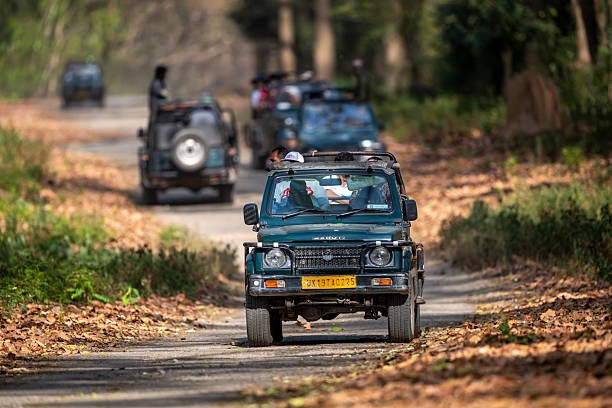
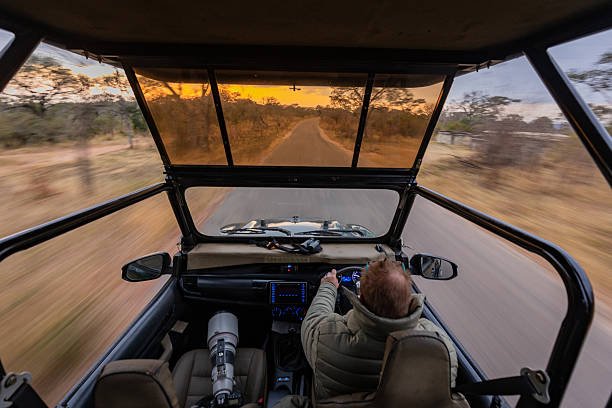
The annual Great Migration is a natural phenomenon that draws travelers from across the globe, and the Ndutu region is at the heart of its most tender and dramatic phase: the calving season. From late December through March, the vast herds of wildebeest and zebras descend from the Serengeti into the nutrient-rich grasslands of the Ngorongoro Conservation Area’s southern plains, specifically around Ndutu. This is where the next generation of the migration begins, with thousands of calves born each day. For wildlife photographers and avid safari-goers, this period presents unparalleled viewing opportunities.
Understanding the Ndutu Migration and Calving Season
The Ndutu Migration and Calving Season is not a separate migration but rather a critical phase of the larger Great Migration. While the Serengeti is famous for its river crossings and vast open plains, the Ndutu area, bordering the Serengeti and within the Ngorongoro Conservation Area (NCA), becomes a vital nursery. The exact timing can vary slightly each year based on rainfall patterns, but generally, the herds begin arriving in Ndutu by late December and remain until late March or early April. During this time, the primary focus shifts from the dramatic river crossings to the birthing process and the subsequent hunt for vulnerable newborns.
The landscape in Ndutu is characterized by short-grass plains, dotted acacia trees, and kopjes (rocky outcrops). This open terrain provides excellent visibility for spotting predators like lions, cheetahs, and hyenas, which are drawn to the abundance of prey. Witnessing a lion pride with cubs, a cheetah stalking a young wildebeest, or a hyena clan feasting on a fresh kill are common, impressive sights during this season.
Why Choose Ndutu for Your 2026-2027 Safari?
Several compelling reasons make the Ndutu Migration and Calving Season a must-see event for any wildlife enthusiast planning a trip to Tanzania in 2026 or 2027:
- Unrivaled Newborn Wildlife Sightings: The calving season sees an explosion of new life, with wildebeest and zebra calves born almost daily. This attracts predators, creating intense predator-prey interactions that are fascinating to observe.
- Abundant Predator Activity: With so many vulnerable young animals, the Ndutu plains become a prime hunting ground. You’ll have excellent chances to see lions, cheetahs, leopards, and hyenas actively hunting and socializing.
- Stunning Photography Opportunities: The open plains, dramatic skies, and constant wildlife action provide incredible opportunities for photographers. The soft light of the early morning and late afternoon is particularly rewarding.
- Manageable Scale: While the herds are immense, the Ndutu area is relatively contained compared to the vastness of the Serengeti. This can sometimes lead to more concentrated sightings and less time spent searching.
- Unique Ecosystem: Ndutu is part of the Ngorongoro Conservation Area, offering a different ecological feel to the northern Serengeti, with distinct flora and fauna alongside the migrating herds.
Best Time to Visit Ndutu in 2026-2027
While the entire period from late December to March is considered the calving season, specific timing within this window can offer slightly different experiences. For the highest concentration of births and the most intense predator activity, aim for January and February. This is typically when the plains are teeming with newborns and the predators are at their most active.
Late December to early January: The herds are still arriving, and the first calves are beginning to appear. Predator activity starts to build.
Mid-January to February: This is the peak calving period. Expect vast numbers of wildebeest and zebras, with thousands of calves on the ground. Predator sightings are at their highest.
March: The majority of births have occurred, and the young are growing stronger. Predators remain active, and the herds begin to prepare for their northward movement.
Early April: The herds start to move out of Ndutu, heading back towards the Serengeti. Sightings may become more dispersed.
When planning your 2026-2027 safari, consider that January and February are peak months, so booking well in advance is crucial for securing preferred accommodation and safari vehicles.
Planning Your Ndutu Migration and Calving Season Safari
A successful Ndutu Migration and Calving Season safari in 2026-2027 requires careful planning. Top Guide Adventures specializes in crafting bespoke itineraries that maximize your chances of experiencing this natural wonder.
Choosing Your Safari Duration
A typical safari focused on the Ndutu calving season might range from 3 to 5 days. This allows sufficient time to explore the plains, observe the herds, and witness predator behavior. However, many travelers combine a Ndutu visit with other iconic Tanzanian destinations like the Serengeti, Ngorongoro Crater, or Tarangire National Park. A comprehensive 7-day Serengeti Great Migration Wildlife Safari or a Serengeti Ngorongoro Big Five Wildlife Safari (which can be extended to include Ndutu) are popular options for 2026-2027.
Accommodation Options in Ndutu
Ndutu offers a range of accommodation, primarily consisting of tented camps and lodges. These range from comfortable to luxurious, each providing a unique bush experience. It’s important to note that Ndutu is within the Ngorongoro Conservation Area, and therefore, park fees and regulations differ slightly from the Serengeti. Options include:
- Luxury Tented Camps: Offering en-suite bathrooms, comfortable beds, and excellent service, these camps provide an in-depth yet comfortable experience. Many are mobile, strategically repositioned to follow the migration.
- Mid-Range Lodges/Tented Camps: These provide good value with comfortable amenities and a classic safari feel.
- Seasonal Camps: Many camps are seasonal, set up specifically for the migration period. Booking early is vital for these.
When considering your 2026-2027 safari, discuss your budget and comfort preferences with your tour operator to select the best fit. Popular choices often fill up months in advance, especially for the peak calving months.
Safari Itinerary Considerations
A typical Ndutu calving season itinerary might look like this:
Sample 4-Day Ndutu Calving Season Itinerary (2026-2027)
- Day 1: Arrival in Ndutu. Fly into a local airstrip (e.g., Ndutu Airstrip) and transfer to your chosen camp. Afternoon game drive in the Ndutu plains, searching for migrating herds and predators.
- Day 2 & 3: Full Day Ndutu Exploration. Two full days dedicated to game drives within Ndutu. Focus on observing the calving action, predator hunts, and the sheer scale of the migration. Optional hot air balloon safari at sunrise (additional cost).
- Day 4: Morning Game Drive & Departure. Enjoy a final morning game drive before transferring to the airstrip for your onward flight, perhaps to Kilimanjaro International Airport (JRO) or another Tanzanian destination.
This is a basic framework. Your actual itinerary will be customized based on your interests, pace, and any combination with other parks. For instance, you might combine this with a 4 Day Serengeti Ngorongoro Wildlife Safari, extending it to include Ndutu. Ensure your plan accounts for travel time between locations.
What to Expect on a Ndutu Safari
The Ndutu calving season safari is an experience that engages all your senses. The sights, sounds, and even the smells of the African bush are amplified during this time.
Wildlife Viewing
Expect to see vast herds of wildebeest and zebras spread across the plains. The air is often filled with the grunts of wildebeest and the calls of birds. Predator sightings are frequent, with lions often seen resting in the shade of acacia trees or on the open plains, sometimes with cubs. Cheetahs can be spotted scanning the horizon for prey, and hyenas are a common sight, often in large clans.
Beyond the migration, Ndutu is also home to resident wildlife, including elephants, giraffes, buffalo, various antelope species, and a rich birdlife. The unique ecosystem supports a diverse range of animals year-round.
Predator-Prey Dynamics
This is where the Ndutu calving season truly shines. The vulnerability of newborn calves makes them prime targets for predators. You might witness a cheetah’s lightning-fast chase, a lion pride working together to bring down a wildebeest, or hyenas scavenging. These moments, while sometimes brutal, are a fundamental part of the natural cycle and incredibly compelling to observe. It’s a stark reminder of the raw beauty and harsh realities of the African wilderness.
Photography Tips
Ndutu is a photographer’s paradise, especially during the calving season. Here are a few tips:
- Shoot in RAW: This gives you maximum flexibility in post-processing, especially for capturing detail in both bright highlights and deep shadows.
- Use a Telephoto Lens: A good zoom lens (e.g., 70-300mm or longer) is essential for capturing wildlife without disturbing them.
- Capture the Scale: Use wider angles occasionally to show the vastness of the plains and the sheer number of animals.
- Focus on Behavior: Look for interactions between animals – mothers and calves, predator hunts, or social grooming.
- Golden Hours: The periods just after sunrise and before sunset offer the best light for photography.
- Be Patient: Wildlife photography often requires patience. Sometimes the best shots come after waiting for the right moment.
Practical Information for Your 2026-2027 Trip
To ensure your Ndutu safari is as smooth and enjoyable as possible, consider these practical aspects:
What to Pack
Packing for a safari requires balancing comfort, practicality, and the demands of the African climate. Layers are key, as temperatures can vary significantly between day and night.
- Clothing: Neutral-colored, lightweight clothing (khaki, beige, green). Long-sleeved shirts and trousers for sun and insect protection. A warm fleece or jacket for cool mornings and evenings. Comfortable walking shoes. A hat for sun protection.
- Camera Gear: Camera, extra batteries, memory cards, and a good zoom lens. Binoculars are highly recommended.
- Health & Safety: Insect repellent (with DEET), sunscreen, basic first-aid kit, any personal medications. Consult your doctor about malaria precautions and necessary vaccinations well in advance of your 2026-2027 trip.
- Other: A headlamp or flashlight, power bank for charging devices, a reusable water bottle.
Most safari camps provide charging facilities, but it’s wise to have a backup. Remember that luggage allowances on small bush planes are often restricted to 15 kg in soft-sided duffel bags.
Safari Vehicle and Guide
Your choice of safari vehicle and guide significantly impacts your experience. Top Guide Adventures uses sturdy 4×4 safari vehicles equipped with pop-up roofs for excellent game viewing and photography. Our guides are local experts, licensed, and possess deep knowledge of wildlife behavior, tracking, and the local ecosystem. They are trained to position the vehicle for the best views and photographic opportunities while respecting wildlife.
When booking for 2026-2027, confirm that your tour operator provides a dedicated guide for the duration of your safari. A good guide is not just a driver but a naturalist who enhances your understanding and enjoyment of the bush.
Park Fees and Regulations
Ndutu is located within the Ngorongoro Conservation Area (NCA). This means that park fees are applicable and differ from those in the Serengeti National Park. These fees typically cover conservation efforts and infrastructure. Your tour operator will include these in your safari package. It’s important to understand that camping within the NCA, even in designated areas like Ndutu, requires adherence to specific rules to protect the environment and wildlife. Always follow your guide’s instructions regarding waste disposal and wildlife interaction.
Combining Ndutu with Other Destinations
While a dedicated Ndutu calving season safari is spectacular, many travelers choose to combine it with other iconic Tanzanian locations to create a more comprehensive safari experience.
- Serengeti National Park: Easily accessible from Ndutu, the Serengeti offers diverse landscapes and is famous for its resident wildlife and the river crossings (though typically not during the calving season). A trip to the Central Serengeti can offer different migration viewing experiences.
- Ngorongoro Crater: A UNESCO World Heritage Site, the crater offers a unique ecosystem with a high density of wildlife, including the Big Five. It’s a spectacular contrast to the open plains of Ndutu.
- Tarangire National Park: Known for its large elephant herds and baobab trees, Tarangire is often visited on the way to or from the Serengeti/Ndutu area.
- Lake Manyara National Park: Famous for its tree-climbing lions and vibrant birdlife.
Combining these destinations allows for a richer understanding of Tanzania’s incredible biodiversity. For example, a popular combination is a Tanzania Wildlife Safari that covers the Serengeti, Ngorongoro, and Ndutu, offering a holistic view of the Northern Circuit’s highlights. For 2026-2027, booking these combinations well in advance is recommended due to high demand.
Cost Considerations for a 2026-2027 Ndutu Safari
The cost of a Ndutu Migration and Calving Season safari in 2026-2027 can vary significantly based on several factors:
- Accommodation Level: Luxury camps will be more expensive than mid-range or budget options.
- Safari Duration: Longer trips naturally cost more.
- Vehicle Type: While most operators use 4x4s, the exclusivity and amenities can affect price.
- Group Size: Private safaris are more expensive per person than group-joining safaris. For example, group joining safaris can offer cost savings.
- Inclusions: The price will depend on what is included (e.g., park fees, meals, drinks, activities like hot air ballooning).
Generally, safaris during the peak calving season (January-February) are priced at the higher end due to demand. A typical 3-day Ndutu-focused safari might range from $750 to $1500+ per person, excluding international flights. This is a broad estimate, and specific quotes are essential. For detailed pricing and package options for 2026-2027, especially for the Ndutu Calving Season Safari Packages, contacting an experienced operator like Top Guide Adventures is the best approach.
Remember to clarify what is included and excluded in your safari quote. Common exclusions are international flights, visas, travel insurance, tips, and personal expenses.
Booking Your 2026-2027 Ndutu Safari with Top Guide Adventures
Planning a safari to witness the Ndutu Migration and Calving Season is an exciting endeavor. Top Guide Adventures, as an expert Tanzanian tour operator based in Moshi/Arusha, is ideally positioned to help you create an unforgettable experience for 2026-2027. We understand the nuances of the migration, the best times to visit Ndutu, and how to tailor your safari to your specific interests and budget.
When you contact us, please provide as much detail as possible, including:
- Your preferred travel dates for 2026 or 2027.
- The number of people traveling.
- Your preferred accommodation style (budget, mid-range, luxury).
- Any specific interests (e.g., photography, birdwatching, predator focus).
- Whether you wish to combine Ndutu with other parks.
We can then craft a personalized itinerary, including all necessary arrangements from airport transfers to park fees and accommodation. Our goal is to ensure your Ndutu Migration and Calving Season safari is smooth, awe-inspiring, and provides memories that last a lifetime.
Reach out to us today to start planning your 2026-2027 Tanzanian adventure:
WhatsApp: +255 616 946 642
Email: topguideadventures@gmail.com
Check Availability for Ndutu Migration And Calving Season Wildlife Safari : Your Expert Guide
Ready to compare dates, prices, and the best option for your group? Send the package name and travel month so the team can reply with a clear quote, availability, and what is included.

Great Serengeti Migration Safaris In Tanzania: Best Routes, Seasons &
Discover the magic of the Great Serengeti Migration with Top Guide Adventures. This guide covers the best routes, optimal seasons for wildlife viewing, and essential planning tips for your...
View package detailsBiggest Animals Ever Discovered: African Wildlife, Ocean Giants, And Safari
Discover the planet's most massive creatures, including the giants of African savannas and the leviathans of the deep sea. Learn about their habitats, characteristics, and the awe they...
View package detailsBackground Remover Free: Enhancing Safari, Wildlife, And Travel Photography
This guide explores the utility of free background removal tools for photographers specializing in safari, wildlife, and travel imagery. It covers how these tools can enhance subject...
View package detailsThe Most Beautiful Animals In World: A Wildlife Photography And Safari
Exploring the planet's most visually stunning creatures offers a unique lens through which to appreciate biodiversity. This guide focuses on animals celebrated for their aesthetic...
View package detailsTop 10 Deadliest Snakes Worldwide – African Wildlife Destinations And Safari
Top 10 Deadliest Snakes Worldwide – African Snakes, Wildlife Destinations and Safari Safety is explained with current 2026-2027 planning, price, itinerary.
View package detailsBiggest Animals Ever Discovered: A Look At Giant Wildlife And Marine Giants
Discover the awe-inspiring scale of the largest animals to have ever inhabited Earth. This guide explores the biggest land mammals and the truly immense creatures of the ocean.
View package detailsMost Dangerous Animals In The World – Safari Wildlife, Habitats And Safety
Most Dangerous Animals in the World – Safari Wildlife, Habitats and Safety Around Wild Animals is explained with current 2026-2027 planning, price, itinerary.
View package detailsThe Strongest Animals On Planet: Powerful Wildlife To Observe 2026-2027
Exploring the sheer physical power of the animal kingdom reveals creatures that command respect through their might. This guide focuses on the strongest animals on the planet, highlighting...
View package details
Tanzania Classic Wildlife Safaris: Serengeti, Ngorongoro, Tarangire & Manyara
start an unforgettable Tanzania classic wildlife safari covering the iconic parks of Serengeti, Ngorongoro Crater, Tarangire, and Lake Manyara. These tours are designed to showcase the best...
View package details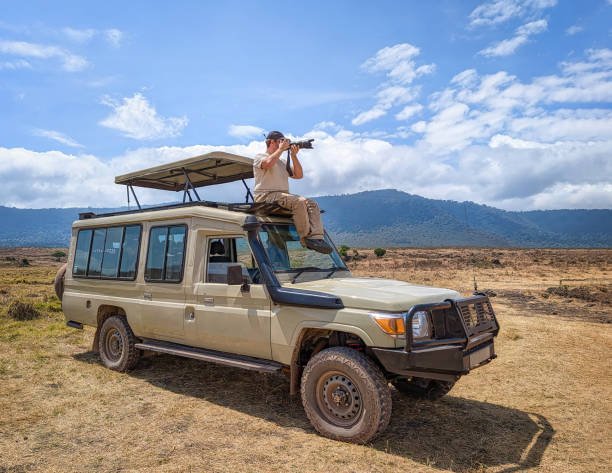
Arusha Day Trips: Wildlife, Waterfalls, Culture, Coffee & Safari Experiences
Arusha day trips offer a fantastic way to experience Tanzania's diverse attractions without committing to longer safaris. From thrilling wildlife encounters in Arusha National Park to the...
View package details
Tanzania Safari Packages With Airport Transfers And Hotel Nights Included
Planning a Tanzania safari? Discover comprehensive packages that bundle airport transfers and comfortable hotel stays, streamlining your journey from arrival to your first game drive. This...
View package details
Private Tanzania Safari With Flexible Daily Game Drive Schedules 2026-2027
Private Tanzania Safari with Flexible Daily Game Drive Schedules is explained with current 2026-2027 planning, price, itinerary and booking information.
View package detailsNo closely related package is available yet for this topic.



