
Southern Tanzania photography safari tours in 2026-2027 focus on capturing stunning wildlife and landscapes in less-visited, vast national parks like Nyerere (formerly Selous), Ruaha, and Mikumi, offering unique photographic opportunities away from the crowds. These tours are tailored for photographers, often involving longer stays in prime locations, specialized vehicles for better viewing angles, and guides experienced in wildlife behavior and optimal light conditions. The main decision for travelers is choosing the right combination of parks, duration, and accommodation style to match their photographic goals and budget for 2026 or 2027.
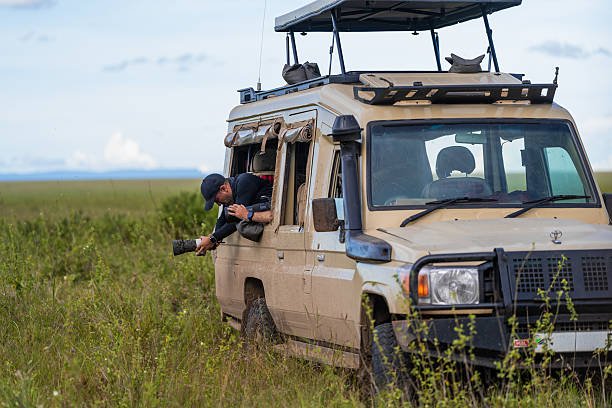
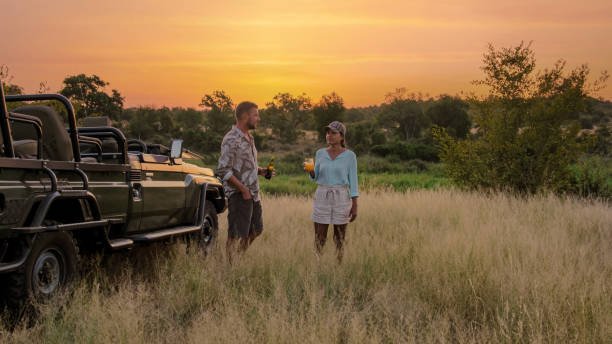
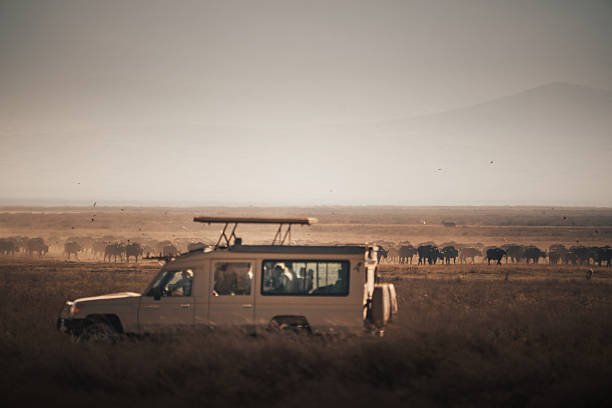
Table of Contents
- Why Southern Tanzania for Photography?
- Key Parks for Photographers
- Planning Your Photography Safari: Key Considerations
- What to Expect on a Photography Tour
- Best Time to Visit for Photography
- Choosing Your Photography Safari Package
- Booking Your Southern Tanzania Photography Safari
Why Southern Tanzania for Photography?
While the Northern Circuit parks like Serengeti and Ngorongoro are world-renowned, Southern Tanzania offers a distinct advantage for photographers seeking a more exclusive and raw wildlife experience. The sheer scale of parks like Nyerere and Ruaha means fewer vehicles, providing unobstructed views and a greater sense of wilderness. This untamed environment is ideal for capturing authentic animal behavior and dramatic landscapes. For photographers, this translates into more opportunities for unique shots, fewer distractions from other tourists, and the chance to photograph species that might be less common or harder to spot elsewhere. The vastness and relative wildness of the south make it a compelling choice for those prioritizing photographic quality and a deep connection with nature during their 2026-2027 travels.
The photographic potential here lies in its scale and diversity. You’ll find large elephant herds, impressive predators like lions and cheetahs, and diverse birdlife. The Rufiji River in Nyerere National Park offers unique boat safaris, providing low-angle shots of hippos, crocodiles, and water birds. Ruaha, known for its large lion prides and wild dogs, presents challenging yet rewarding subjects. Mikumi acts as a gateway, offering accessible wildlife viewing that can complement longer stays in the more remote parks. Planning a 2026 or 2027 trip to Southern Tanzania for photography means embracing an adventure that rewards patience and preparedness with truly memorable images.
Key Parks for Photographers
Southern Tanzania’s photographic allure is concentrated in a few key national parks, each offering a unique canvas for your lens:
- Nyerere National Park (formerly Selous Game Reserve): This is Tanzania’s largest protected area and a UNESCO World Heritage Site. Its defining feature is the Rufiji River system, offering exceptional boat safaris. Photographers can capture unique perspectives of hippos, crocodiles, and abundant water birds from the water. The park also boasts large elephant populations, lions, leopards, and wild dogs. Its vastness ensures a feeling of solitude, crucial for focused photography. Consider a Southern Tanzania Safari that includes Nyerere for its diverse riverine and savannah landscapes.
- Ruaha National Park: The largest national park in Tanzania, Ruaha is a rugged and wild landscape. It is particularly famous for its large lion prides and packs of African wild dogs, offering incredible opportunities for predator photography. The park’s elephant population is also among the largest in Tanzania. Ruaha’s dramatic scenery, with its rocky outcrops and ancient baobab trees, provides stunning backdrops. For serious wildlife photographers, Ruaha in 2026 or 2027 offers a challenge and reward like no other.
- Mikumi National Park: Often visited as a gateway or a shorter add-on due to its accessibility from Dar es Salaam, Mikumi is known for its open plains that resemble the Serengeti. It’s home to a good variety of wildlife, including elephants, zebras, wildebeest, giraffes, and lions. While it might not offer the same exclusivity as Nyerere or Ruaha, its easily visible wildlife and open landscapes make it a good spot for general wildlife photography and for those with limited time.
When planning a 2026-2027 photography safari, consider how these parks can be combined. A typical itinerary might start in Mikumi for ease of access, move to Nyerere for riverine and broader wildlife photography, and then head to Ruaha for its predator-focused opportunities. Each park requires a different approach and offers distinct visual narratives.
Planning Your Photography Safari: Key Considerations
A successful Southern Tanzania photography safari in 2026-2027 requires meticulous planning, especially concerning gear, vehicle choice, and itinerary pacing. Unlike general safaris, photography tours demand specific considerations:
- Photography Gear: Pack versatile lenses, from wide-angle for landscapes to telephoto (300mm or longer) for wildlife. Consider a sturdy tripod or monopod, extra batteries, memory cards, and cleaning equipment. A weather-sealed camera body is highly recommended. Ensure you have a comfortable camera bag that offers easy access.
- Vehicle Choice: For photography, a pop-up roof vehicle is essential for unobstructed 360-degree views and stable shooting. Some operators offer customized photography vehicles with beanbag supports for lens stability. Inquire with your tour operator about the specific vehicle type for your 2026-2027 trip. A Southern Tanzania Private Safari often provides more flexibility for photographers wanting to spend extra time at sightings.
- Itinerary Pacing: Photographers often benefit from longer stays in each location to maximize golden hour opportunities (early morning and late afternoon) and wait for specific animal behaviors. Avoid rushing between locations. A well-paced itinerary allows for dawn and dusk shoots, which are critical for wildlife photography.
- Guide Expertise: Seek guides who understand photographic needs – they can position the vehicle for the best light, anticipate animal movements, and have a keen eye for photographic opportunities. Guides familiar with birdlife, predator behavior, and the specific terrain of Southern Tanzania are invaluable.
- Accommodation Style: Choose lodges or tented camps that offer excellent locations within or near prime wildlife areas. Some camps offer early morning wake-up calls for dawn game drives or packed breakfasts to maximize time in the field. Consider how proximity to waterholes or known animal territories might enhance your photographic opportunities in 2026 or 2027.
- Park Fees and Permits: Ensure your tour operator has accounted for all necessary park entry fees, concession fees, and camping fees for your chosen itinerary in 2026-2027. These can be significant and should be clearly itemized.
What to Expect on a Photography Tour
A photography-focused safari in Southern Tanzania is distinct from a standard wildlife viewing trip. The emphasis shifts from simply spotting animals to capturing them in compelling ways. Here’s what you can generally expect for a 2026-2027 tour:
- Early Mornings and Late Evenings: The best light for photography is during the golden hours, shortly after sunrise and before sunset. Expect to be out on game drives during these times, often starting before dawn and returning after dusk.
- Extended Time at Sightings: Unlike regular safaris where the focus is on covering ground, photography tours allow for longer stays at wildlife sightings. Your guide will wait patiently for animals to exhibit interesting behaviors or for the light to improve, ensuring you get the shots you want.
- Focus on Behavior and Light: The itinerary will likely be structured to maximize opportunities for capturing animal interactions, hunting, or feeding, as well as taking advantage of dramatic sunrises, sunsets, and atmospheric conditions.
- Specialized Vehicles: You’ll typically travel in a 4×4 safari vehicle with a pop-up roof, providing excellent vantage points. Some operators might offer modified vehicles with features like beanbag mounts for camera support.
- Experienced Guides: Your guide will be knowledgeable not only about wildlife but also about photographic conditions, often working with you to find the best angles and timing.
- Potential for Longer Game Drives: Be prepared for full-day excursions, sometimes with packed lunches, to make the most of prime photographic periods and remote wildlife encounters.
It’s important to communicate your specific photographic interests to your tour operator. Whether you’re focused on big cats, birds, elephants, or landscapes, letting them know in advance helps them tailor the experience. For instance, a bird photographer might want to spend more time near riverine areas, while a predator enthusiast would focus on Ruaha’s known territories.
Best Time to Visit for Photography
The optimal time for a Southern Tanzania photography safari in 2026-2027 depends on what you wish to photograph and your tolerance for weather conditions:
- Dry Season (June to October): This is generally considered the best time for wildlife photography. Water sources become scarce, concentrating animals around remaining waterholes, making them easier to spot and photograph. The vegetation thins out, improving visibility. Skies are often clear, offering dramatic sunrise and sunset opportunities. Predator activity can increase as they hunt the more vulnerable animals. This period is also ideal for capturing the vast landscapes with minimal haze.
- Shoulder Seasons (Late March to May & November to December): These periods can offer a good balance. The rains might be starting or ending, leading to lush green landscapes that provide beautiful contrast for wildlife. Birdlife is often more vibrant with breeding plumage. However, rain can interrupt game drives, and vegetation can become denser, making spotting wildlife more challenging. Prices might be slightly lower than in the peak dry season.
- Green Season (January to February): While this is the peak of the rainy season, it offers unique photographic opportunities. The landscapes are incredibly verdant, and dramatic storm clouds can create stunning backdrops. It’s also a prime time for bird photographers due to migratory birds and breeding seasons. Wildlife can be more dispersed, but newborns are often present, offering tender moments. Expect some travel disruptions due to heavy rains.
For photographers prioritizing predator action and ease of spotting, the dry season (June-October) is usually the top choice for 2026-2027. If you’re interested in unique landscapes, migratory birds, and potential newborn animals, the shoulder or green seasons might be more appealing, provided you’re prepared for potential rain.
Choosing Your Photography Safari Package
When selecting a photography safari package for Southern Tanzania in 2026-2027, look for operators who explicitly cater to photographers. This means more than just having a camera.
Key elements to look for in a photography safari package:
- Customized Itineraries: Packages designed to spend more time in specific parks or locations based on photographic potential, rather than a rigid daily schedule.
- Vehicle Options: Availability of open-sided 4x4s with pop-up roofs, and potentially specialized vehicles with camera supports. Inquire about private vehicle hire, as this offers the ultimate flexibility for photographers.
- Experienced Photography Guides: Guides who understand photographic principles, such as the rule of thirds, golden hours, and animal behavior relevant to capturing compelling images.
- Accommodation Location: Camps and lodges strategically located for early morning and late evening game drives, close to known wildlife hotspots.
- Group Size: Smaller groups (ideally 2-4 photographers) often mean more space in the vehicle and less competition for prime shooting positions. Consider a Southern Tanzania Private Safari for the best experience.
- Duration: Longer trips (e.g., 10-14 days) are usually recommended to allow for thorough exploration of the parks and to capture a wider range of subjects and behaviors.
- Inclusions: Clarify what is included – park fees, meals, accommodation, game drives, transfers, and guide services. For photography, ensure game drives are optimized for shooting times.
Pricing for Southern Tanzania photography safaris in 2026-2027 typically ranges from $350 to $800+ per person per day, depending on the level of luxury, exclusivity (private vehicle), and specific parks visited. Parks like Ruaha and Nyerere often have higher park fees and require more complex logistics, impacting the overall cost. It’s crucial to get a detailed quote that outlines all inclusions and exclusions. You can find more detailed cost information on our Southern Tanzania Safari Cost and Prices page.
Booking Your Southern Tanzania Photography Safari
Booking your 2026-2027 Southern Tanzania photography safari requires careful selection of a tour operator who understands the unique demands of photographic travel. At TOP GUIDE ADVENTURES, we specialize in crafting personalized safari experiences, including those tailored for photographers. We ensure our vehicles are equipped for optimal viewing and our guides are trained to assist photographers in finding the best locations and light.
When you’re ready to plan your photographic adventure, consider the following:
- Communicate Your Needs: Clearly state that this is a photography-focused safari. Mention your preferred subjects (e.g., birds, predators, landscapes), the type of equipment you’ll be using (e.g., long lenses), and your desire for early morning/late evening shoots.
- Discuss Itinerary Flexibility: A good operator will build flexibility into your itinerary, allowing you to spend more time at rewarding sightings.
- Ask About Guide Experience: Inquire about the specific experience of your assigned guide in assisting photographers.
- Request a Detailed Quote: Ensure all costs for 2026-2027, including park fees, accommodation, vehicle hire, and guide services, are clearly itemized.
We are experts in organizing safaris across Tanzania, from the iconic Northern Circuit to the wilder south. For a photography-focused trip to Southern Tanzania in 2026 or 2027, we can help you design an itinerary that maximizes your opportunities to capture impressive images. Whether you’re interested in a Southern Tanzania Honeymoon Safari Package with a photographic twist or a dedicated wildlife photography expedition, we are here to assist.
To start planning your unforgettable Southern Tanzania photography safari, please reach out to us. You can contact us via WhatsApp at +255 616 946 642 or email us at topguideadventures@gmail.com. Let us help you capture the wild heart of Tanzania in 2026-2027.
Check Availability for Southern Tanzania Photography Safari Tours For | Top Guide Adventures
Ready to compare dates, prices, and the best option for your group? Send the package name and travel month so the team can reply with a clear quote, availability, and what is included.
Background Remover Free: Enhancing Safari, Wildlife, And Travel Photography
This guide explores the utility of free background removal tools for photographers specializing in safari, wildlife, and travel imagery. It covers how these tools can enhance subject...
View package detailsThe Most Beautiful Animals In World: A Wildlife Photography And Safari
Exploring the planet's most visually stunning creatures offers a unique lens through which to appreciate biodiversity. This guide focuses on animals celebrated for their aesthetic...
View package detailsAfrica Tours & Travel, All Safari Booking In Tanzania 2026-2027
Africa Tours & Travel, All Safari Booking in Tanzania is explained with current 2026-2027 planning, price, itinerary and booking information.
View package details
2 Day Tanzania Safari – Tarangire, Ngorongoro And Short Packages 2026-2027
2 Day Tanzania Safari – Tarangire, Ngorongoro and Short Safari Packages is explained with current 2026-2027 planning, price, itinerary and booking.
View package details
Serengeti Safari From Mwanza: Best Route For Western Tanzania & 2026-2027
Discover the optimal routes for a Serengeti safari starting from Mwanza, focusing on the unique experiences offered by Western Tanzania and the Western Serengeti. This guide provides...
View package details
Tanzania Classic Wildlife Safaris: Serengeti, Ngorongoro, Tarangire & Manyara
start an unforgettable Tanzania classic wildlife safari covering the iconic parks of Serengeti, Ngorongoro Crater, Tarangire, and Lake Manyara. These tours are designed to showcase the best...
View package details
Great Serengeti Migration Safaris In Tanzania: Best Routes, Seasons &
Discover the magic of the Great Serengeti Migration with Top Guide Adventures. This guide covers the best routes, optimal seasons for wildlife viewing, and essential planning tips for your...
View package details
How To Visit Southern Serengeti For Calving Season – Ndutu Safari, Timing And
Visiting the Southern Serengeti during the calving season in Ndutu offers an unparalleled wildlife spectacle. This guide details the optimal timing, essential logistics, and what to...
View package details
Best 5 Day Private Safari Tour From Mwanza: Serengeti & Western Tanzania
start an unforgettable 5-day private safari adventure starting from Mwanza, Tanzania. This expertly crafted itinerary blends the iconic wildlife viewing of the Serengeti with the distinct...
View package details
Rubondo Island National Park Prices In Tanzania – Safari Fees, Chimpanzee
Understanding Rubondo Island National Park prices is key to planning your Tanzanian adventure. Costs vary based on accommodation, activities like chimpanzee trekking, and safari duration...
View package detailsTop Car Brands Known For Reliability – Best Vehicles Road Trips, Safari
Top Car Brands Known for Reliability – Best Vehicles for Road Trips, Safari and Adventure Travel is explained with current 2026-2027 planning, price.
View package detailsMost Beautiful Countries In The World: Safari, Nature, And Adventure Travel
This guide explores the most beautiful countries globally, focusing on destinations that offer unparalleled opportunities for safari, nature immersion, and adventurous pursuits. From the...
View package detailsNo closely related package is available yet for this topic.



