
A Tanzania family safari with kids to the Serengeti and Ngorongoro offers an unparalleled opportunity for children to witness incredible wildlife up close in some of Africa’s most renowned and biodiverse protected areas, making it a truly memorable educational and adventurous journey for the entire family. Planning this trip involves selecting the best time of year for wildlife viewing and comfortable weather, choosing appropriate accommodations that cater to families, and structuring an itinerary that balances game drives with engaging activities suitable for various age groups, especially for travel in the 2026-2027 season.
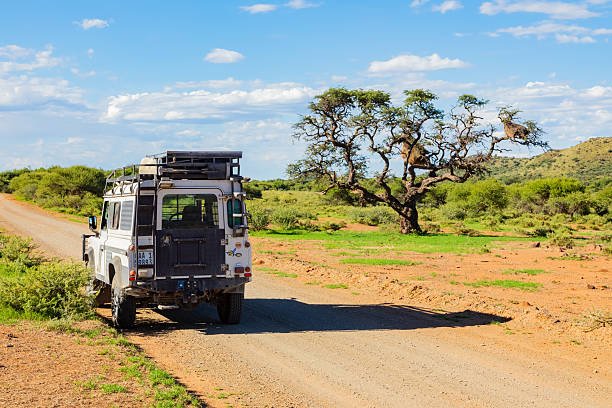
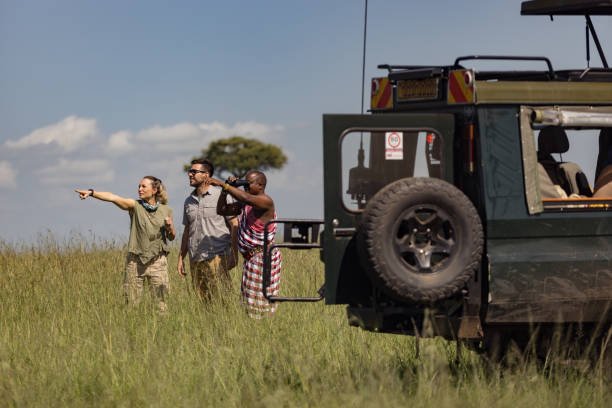
Planning a family safari to Tanzania’s legendary Serengeti and Ngorongoro Crater is an exciting prospect, promising encounters with majestic wildlife that will captivate both adults and children. This classic Northern Circuit combination is a perennial favorite for families because it delivers consistent, high-quality game viewing, making it easier to spot iconic animals like lions, elephants, rhinos, leopards, and buffalos – the famous Big Five – along with countless other species. The sheer abundance and accessibility of wildlife here are what make it such a rewarding experience for younger travelers, turning a holiday into an in-depth natural history lesson.
Why Choose Serengeti and Ngorongoro for a Family Safari?
The Serengeti and Ngorongoro are often considered the crown jewels of Tanzanian wildlife parks, and for good reason, especially when traveling with children. The Serengeti’s vast plains offer continuous opportunities to witness the drama of the African bush, including the spectacular Great Migration (depending on the time of year). Its open spaces mean game drives are rarely dull, and the chances of seeing predators in action are high. The Ngorongoro Crater, a UNESCO World Heritage Site, is a unique natural amphitheater teeming with wildlife. Its relatively small, enclosed ecosystem means that seeing a high concentration of animals, including the endangered black rhino, is almost guaranteed on a single day’s exploration. This high likelihood of sightings is crucial for keeping children engaged and excited throughout the safari experience. For families, the accessibility and density of wildlife in these two parks mean less travel time between sightings and more time observing animals, which is key for shorter attention spans. Planning for 2026-2027, these parks remain top-tier destinations for family adventures.
Best Time to Visit for Families
The ideal time for a family safari in Tanzania, focusing on the Serengeti and Ngorongoro, often depends on what you hope to see and the comfort of the weather. Generally, the dry seasons (June to October and December to February) are popular. The June-October period is excellent for general wildlife viewing and is often when the Great Migration is in the western and northern Serengeti. Temperatures are pleasant, with cooler mornings and evenings. For families, this is a good choice as the dry conditions make for easier travel and fewer mosquitoes. The December-February period is also dry, and it’s the time for wildebeest calving in the southern Serengeti, a spectacular event for observing predator-prey interactions. However, this can be warmer. The shoulder months, like May and November, can offer fewer crowds and potentially lower prices, but also a higher chance of rain, which can sometimes impact game drive accessibility and comfort for younger children. When booking for 2026-2027, consider that these patterns generally hold, but it’s always wise to check with your tour operator for the most current conditions and migration forecasts.
Crafting a Family-Friendly Itinerary
A well-paced itinerary is paramount when traveling with children. Rushing between locations or spending too many hours in a vehicle can lead to fatigue and boredom. A typical family safari might span 7 to 10 days, allowing for a good balance between game drives, relaxation, and travel time. A common starting point is Arusha or Kilimanjaro International Airport (JRO). From here, families might head to the Ngorongoro Conservation Area for 2-3 nights, spending a full day exploring the crater floor. Then, it’s a transfer to the Serengeti for 3-5 nights, perhaps splitting time between different regions (e.g., central Serengeti for general viewing and the Seronera River Valley, or the north/south depending on the migration). For families, shorter, more focused game drives are often better than long, exhaustive ones. Incorporating a visit to a Maasai village can be a cultural highlight, offering children a glimpse into a different way of life. Some operators can also arrange guided walks (where permitted and age-appropriate) or visits to local schools, adding educational value. For a 6 Day Tanzania Safari: Serengeti, Ngorongoro & Tarangire Adventure 2026-2027, you might allocate 2 days Ngorongoro, 3 days Serengeti, and 1 day Tarangire, ensuring efficient travel between parks.
Sample Family Safari Itinerary (8 Days)
- Day 1: Arrival in Arusha/Kilimanjaro (JRO) & Transfer to Arusha. Settle into your lodge, relax, and prepare for the adventure.
- Day 2: Arusha to Ngorongoro Conservation Area. Drive to your lodge near the Ngorongoro Crater. Afternoon at leisure or optional visit to a Maasai village.
- Day 3: Ngorongoro Crater Tour. Descend into the crater for a full day of game viewing. Picnic lunch on the crater floor.
- Day 4: Ngorongoro to Serengeti National Park. Morning drive to the Serengeti, with an optional stop at Olduvai Gorge. Game drive en route to your lodge/camp in the central Serengeti.
- Day 5: Serengeti National Park. Full day of game drives in the Serengeti, exploring different areas based on wildlife movements.
- Day 6: Serengeti National Park. Another day dedicated to wildlife viewing. Consider an early morning hot air balloon safari for a unique perspective (optional, extra cost, but highly recommended for families with older children).
- Day 7: Serengeti to Arusha. Morning game drive, then fly from a Serengeti airstrip back to Arusha, saving a long drive and maximizing time.
- Day 8: Departure. Transfer to JRO for your onward flight.
This sample itinerary is flexible and can be customized. For example, a 5 Day Tanzania Big Five Safari Serengeti And Ngorongoro 2026-2027 would condense the Serengeti portion and potentially exclude a return flight. Similarly, for a 3 Day Tanzania Safari: Serengeti, Ngorongoro & Tarangire Adventure 2026-2027, you’d need very efficient transfers and focused time in each park.
Choosing Family-Friendly Accommodation
Accommodation is a critical component of a successful family safari. Options range from comfortable mid-range lodges to luxurious tented camps and exclusive lodges. For families, look for properties that offer:
- Family Rooms or Suites: These provide more space and often separate sleeping areas for children.
- Kid-Friendly Menus: Access to familiar foods or flexible dining options is a big plus.
- Swimming Pools: A great way for children to relax and burn off energy between game drives.
- Activities for Kids: Some lodges offer supervised activities, nature walks, or educational programs.
- Safety Features: Secure grounds and attentive staff are essential, especially around wildlife.
In the Serengeti, consider lodges or tented camps in the central Seronera area for year-round accessibility. In Ngorongoro, lodges perched on the crater rim offer stunning views, though staying slightly outside the rim can sometimes be more budget-friendly and offer family suites. For those seeking specific experiences, a Tanzania Luxury Safari: Serengeti Lodges, Ngorongoro & Zanzibar Packages 2026 might focus on high-end accommodations with exceptional service and amenities for all ages. Conversely, a Tanzania Budget Camping Safari Serengeti And Ngorongoro 2026-2027 would involve more basic, yet still comfortable, tented camps or permanent campsites, offering a more rustic and adventurous feel.
Wildlife Viewing with Children: Tips for Success
Keeping children engaged during game drives requires a bit of strategy. Here are some tips:
- Pack Binoculars: Children love using their own binoculars to spot animals.
- Field Guides: A good, visually appealing wildlife guide can help identify sightings.
- Storytelling: Encourage your guide to share stories about animal behavior and the ecosystem.
- Patience: Wildlife viewing is not guaranteed. Teach children to appreciate the journey and the smaller details.
- Snacks and Drinks: Keep a supply of water and child-friendly snacks handy.
- Comfortable Clothing: Layers are essential for changing temperatures.
- Sun Protection: Hats, sunscreen, and sunglasses are non-negotiable.
For families keen on specific sightings, the Tanzania Wildebeest Calving Safari: Serengeti & Ngorongoro In 2026-2027 is ideal for witnessing predator-prey dynamics. If spotting the Big Five is the priority, the Ngorongoro Crater is often one of the best places in Africa for this. Ensure your safari plan, whether it’s a Private Tanzania Safari: Serengeti, Ngorongoro & Tarangire Custom Tour or a group joining option, prioritizes these experiences.
Safety and Health Considerations
Your health and safety are paramount. Consult your doctor well in advance regarding necessary vaccinations and malaria prophylaxis. Ensure you pack a comprehensive first-aid kit. For safari activities, children should always be supervised by adults. Reputable tour operators like TOP GUIDE ADVENTURES prioritize safety. This includes:
- Experienced Guides: Licensed guides are trained in wildlife behavior and safety protocols.
- Vehicle Safety: Well-maintained 4×4 safari vehicles with pop-up roofs for game viewing.
- Communication: Guides are equipped with communication devices.
- Emergency Preparedness: For treks (like Kilimanjaro), operators provide oxygen and pulse oximeters, and while not standard for safaris, emergency evacuation plans are always in place.
When booking a Tanzania Family Safari: Private Serengeti, Ngorongoro & Zanzibar Packages 2026, discuss specific safety concerns for your children’s age group with your operator.
Booking Your Family Safari
When you are ready to plan your unforgettable Tanzania Family Safari with Kids Serengeti and Ngorongoro adventure for 2026 or 2027, working with a local, expert operator is highly recommended. They understand the nuances of family travel in Tanzania, can tailor itineraries to your specific needs, and ensure all logistics are handled seamlessly. TOP GUIDE ADVENTURES, based in Moshi/Arusha, specializes in creating personalized safari experiences. They can advise on the best lodges, game drives, and activities that will delight your children while providing a rich wildlife encounter. They offer a range of options from Tanzania Budget Safari: Cheap Group Joining Serengeti & Ngorongoro Tours 2026-2027 to bespoke private itineraries. Discuss your family’s interests, budget, and preferred travel dates for 2026-2027 to get a tailored quote. You can reach them via WhatsApp at +255 616 946 642 or email at topguideadventures@gmail.com to start planning your dream family safari.
Frequently Asked Questions
What is the best age for kids to go on a safari in Tanzania?
While there’s no strict minimum age, most families find safaris enjoyable for children aged 6 and above. Younger children can participate, but it’s crucial to ensure the itinerary is not too demanding and that they are comfortable spending time in a vehicle. Shorter game drives and ample downtime are key for younger ones. For babies and toddlers, consider destinations with more direct flights and shorter transfers.
What should kids wear on a safari?
Comfortable, neutral-colored clothing is best. Think lightweight long-sleeved shirts and trousers to protect from the sun and insects, t-shirts, shorts, comfortable walking shoes, sandals, a warm fleece or jacket for cool mornings and evenings, a hat, and sunglasses. Avoid bright colors or white, as they can startle animals or show dirt easily.
Can children see the Big Five on a family safari?
Yes, it is very possible for children to see the Big Five. The Ngorongoro Crater is one of the best places to see all five in a single day due to its dense wildlife population. The Serengeti also offers excellent chances, though seeing a black rhino can be more challenging. Patience and a good guide are key!
What are the costs involved in a family safari?
Costs vary significantly based on accommodation type (budget camping, mid-range lodges, luxury camps), safari duration, group size (private vs. group joining), and time of year. Park entrance fees, accommodation, vehicle hire, guide services, meals, and transfers are typically included. Optional activities like hot air balloon safaris or cultural visits add to the cost. For specific pricing for 2026-2027, it’s best to request a personalized quote from an operator like TOP GUIDE ADVENTURES, as they can detail inclusions and exclusions for packages like Tanzania Safari Cost: Serengeti & Ngorongoro Prices, Packages & Deals 2026.
How do you handle travel between parks with children?
Travel between parks can be done by road in a 4×4 safari vehicle or by flying between airstrips. For families, flying can save significant time and reduce travel fatigue, especially for longer distances like from the Serengeti to Arusha. Road transfers offer more opportunities for spontaneous stops and observing the changing landscapes. Your tour operator will advise on the best method based on your itinerary and preferences for your 2026-2027 trip.
Check Availability for Tanzania Family Safari With Kids: Serengeti And Ngorongoro Adventures
Ready to compare dates, prices, and the best option for your group? Send the package name and travel month so the team can reply with a clear quote, availability, and what is included.

Tanzania Classic Wildlife Safaris: Serengeti, Ngorongoro, Tarangire & Manyara
start an unforgettable Tanzania classic wildlife safari covering the iconic parks of Serengeti, Ngorongoro Crater, Tarangire, and Lake Manyara. These tours are designed to showcase the best...
View package details
2 Day Tanzania Safari – Tarangire, Ngorongoro And Short Packages 2026-2027
2 Day Tanzania Safari – Tarangire, Ngorongoro and Short Safari Packages is explained with current 2026-2027 planning, price, itinerary and booking.
View package details
Serengeti Safari From Mwanza: Best Route For Western Tanzania & 2026-2027
Discover the optimal routes for a Serengeti safari starting from Mwanza, focusing on the unique experiences offered by Western Tanzania and the Western Serengeti. This guide provides...
View package details
Great Serengeti Migration Safaris In Tanzania: Best Routes, Seasons &
Discover the magic of the Great Serengeti Migration with Top Guide Adventures. This guide covers the best routes, optimal seasons for wildlife viewing, and essential planning tips for your...
View package details
Best 5 Day Private Safari Tour From Mwanza: Serengeti & Western Tanzania
start an unforgettable 5-day private safari adventure starting from Mwanza, Tanzania. This expertly crafted itinerary blends the iconic wildlife viewing of the Serengeti with the distinct...
View package details
How To Visit Southern Serengeti For Calving Season – Ndutu Safari, Timing And
Visiting the Southern Serengeti during the calving season in Ndutu offers an unparalleled wildlife spectacle. This guide details the optimal timing, essential logistics, and what to...
View package detailsAfrica Tours & Travel, All Safari Booking In Tanzania 2026-2027
Africa Tours & Travel, All Safari Booking in Tanzania is explained with current 2026-2027 planning, price, itinerary and booking information.
View package details
Rubondo Island National Park Prices In Tanzania – Safari Fees, Chimpanzee
Understanding Rubondo Island National Park prices is key to planning your Tanzanian adventure. Costs vary based on accommodation, activities like chimpanzee trekking, and safari duration...
View package detailsTop Car Brands Known For Reliability – Best Vehicles Road Trips, Safari
Top Car Brands Known for Reliability – Best Vehicles for Road Trips, Safari and Adventure Travel is explained with current 2026-2027 planning, price.
View package detailsMost Beautiful Countries In The World: Safari, Nature, And Adventure Travel
This guide explores the most beautiful countries globally, focusing on destinations that offer unparalleled opportunities for safari, nature immersion, and adventurous pursuits. From the...
View package detailsThe Worlds Richest Billionaires: Their Preferred Luxury Travel Destinations
This article delves into the travel habits and preferred destinations of the world's wealthiest individuals, examining their affinity for private islands, exclusive safari adventures, and...
View package detailsBiggest Animals Ever Discovered: African Wildlife, Ocean Giants, And Safari
Discover the planet's most massive creatures, including the giants of African savannas and the leviathans of the deep sea. Learn about their habitats, characteristics, and the awe they...
View package detailsNo closely related package is available yet for this topic.



