
A Western Tanzania remote wildlife safari adventure focuses on the less-visited, pristine parks of Gombe Stream, Mahale Mountains, and Katavi National Park, offering unparalleled opportunities for chimpanzee trekking and experiencing wild, untouched landscapes, particularly suited for travelers seeking deep immersion away from typical tourist routes in 2026-2027.

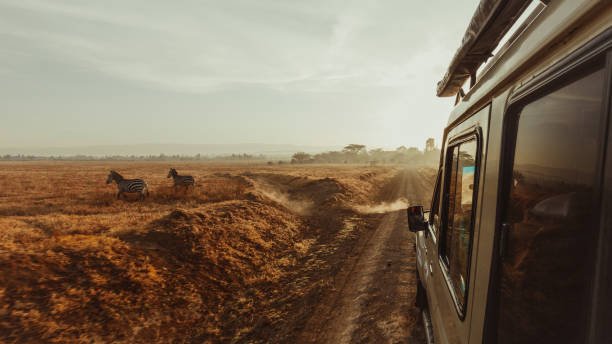

This type of safari is for the discerning traveler who yearns for an authentic, off-the-beaten-path experience in Tanzania. Unlike the well-trodden paths of the Northern Circuit, Western Tanzania presents a raw, untamed wilderness, renowned primarily for its habituated chimpanzee populations. Planning a safari here requires a different approach, often involving more complex logistics, longer travel times, and a greater emphasis on specialized guiding.
Why Choose a Western Tanzania Remote Safari?
The allure of Western Tanzania lies in its profound sense of wildness and exclusivity. While the Serengeti and Ngorongoro offer iconic savanna vistas and the Great Migration, Western Tanzania provides a more intimate and adventurous encounter with nature. Here’s why it stands out:
- Chimpanzee Encounters: Gombe Stream and Mahale Mountains are world-famous for their chimpanzee populations, offering some of the best opportunities globally to observe these fascinating primates in their natural habitat.
- Unspoiled Wilderness: Parks like Katavi are vast, remote, and largely untouched, providing a true sense of exploration. The wildlife here is abundant and often less accustomed to human presence, leading to more natural behaviors.
- Escape the Crowds: If you prefer solitude and a more personal connection with nature, Western Tanzania is ideal. You’ll often find yourself with few other visitors, making each sighting feel incredibly special.
- Diverse Landscapes: Beyond the forests of Gombe and Mahale, Katavi boasts sweeping floodplains, acacia woodlands, and dense miombo woodlands, supporting a rich diversity of mammals and birds.
- Unique Birdlife: The region is a paradise for birdwatchers, with numerous endemic and migratory species found across its varied ecosystems.
For those planning a trip in 2026 or 2027, choosing Western Tanzania means opting for an experience that is both profoundly wild and deeply rewarding. It’s a commitment to adventure and a desire to see Tanzania’s natural heritage in its purest form.
Exploring the Jewels: Gombe, Mahale, and Katavi
Each park in Western Tanzania offers a distinct experience, catering to different interests within the broader theme of remote wildlife adventure.
Gombe Stream National Park
The smallest national park in Tanzania, Gombe is synonymous with the pioneering research of Jane Goodall. Its primary draw is the habituated chimpanzees, making it the ultimate destination for primate enthusiasts. Trekking here involves hiking through dense forest trails, often steep and humid, to find the chimpanzee families.
- Wildlife: Primarily chimpanzees. Also home to olive baboons, vervet monkeys, red-tailed monkeys, and a variety of forest birds.
- Experience: Intimate chimpanzee viewing, guided forest walks, swimming in Lake Tanganyika.
- Accessibility: Reached by boat from Kigoma town.
Mahale Mountains National Park
Often considered even more spectacular than Gombe, Mahale offers a dramatic mountainous backdrop to its chimpanzee populations, overlooking the vast expanse of Lake Tanganyika. The trekking here can be challenging due to the terrain, but the rewards are immense – the chance to see wild chimpanzees in a stunning setting.
- Wildlife: Wild chimpanzees, red colobus monkeys, Angolan black-and-white colobus, leopards, and abundant birdlife.
- Experience: Chimpanzee trekking, hiking in the Mahale Mountains, relaxing on the shores of Lake Tanganyika, boat trips, and snorkeling.
- Accessibility: Typically reached by boat or light aircraft from Kigoma or Mpanda.
For travelers interested in primate research and conservation, these parks offer a unique perspective. Planning a visit to Gombe or Mahale for 2026-2027 requires booking well in advance due to limited accommodation and permits.
Katavi National Park
Katavi is Tanzania’s third-largest park and one of Africa’s most thrilling, yet least visited, wildlife destinations. It’s a vast, wild landscape characterized by large floodplains that teem with wildlife, especially during the dry season when animals congregate around shrinking water sources. It offers a classic savanna safari experience, but with a profound sense of remoteness.
- Wildlife: Large herds of buffalo and elephants, hippos and crocodiles in large numbers, lions, leopards, cheetahs, giraffes, zebras, and diverse antelope species.
- Experience: Game drives across expansive floodplains, walking safaris (in designated areas), birdwatching, and experiencing true wilderness isolation.
- Accessibility: Usually reached by light aircraft flights from Arusha, Kigoma, or other regional hubs.
A safari to Katavi is for those who want to feel like true explorers, encountering wildlife in an environment that remains fundamentally wild and untamed. The sheer scale and raw beauty of Katavi make it a standout for a Western Tanzania remote wildlife safari adventure.
Planning Your Western Tanzania Adventure (2026-2027)
Organizing a trip to Western Tanzania requires careful consideration of logistics, timing, and the specific experiences you wish to have. It’s a destination that benefits immensely from expert local planning.
When to Go
The best time to visit depends on your priorities:
- Dry Season (June to October): Ideal for wildlife viewing, especially in Katavi, as animals gather around water sources. Chimpanzee trekking is also good, though the forest trails can be drier. This is peak season, so book well in advance for 2026-2027.
- Wet Season (November to May): The landscape is lush and green, offering spectacular photographic opportunities. Birdwatching is at its best. Chimpanzee trekking can be more challenging in the dense, wet forest. Some lodges may close or offer lower rates during this period.
Duration
Due to travel times and the nature of the experience, a Western Tanzania safari typically requires more time than a Northern Circuit trip. A minimum of 7-10 days is recommended to adequately explore one or two of these parks, while a 14-day itinerary would allow for a more comprehensive exploration of multiple locations.
Travel Style
Western Tanzania is best suited for private safaris. The remote nature of the parks and the specialized guiding required for chimpanzee trekking mean that group tours are less common and often less practical. Private Tanzania Safari Packages offer the flexibility and personalized attention needed for this type of journey.
Budget Considerations
Western Tanzania safaris tend to be more expensive than standard Northern Circuit tours due to the increased travel costs (flights, boat transfers), remoteness of lodges, and specialized guiding. Expect costs to be in the mid-range to luxury bracket. For budget-conscious travelers, exploring options for Tanzania Budget Camping Safari Packages in other regions might be more suitable, or focusing on a shorter duration in Western Tanzania.
Sample Itinerary Ideas
Here are a couple of ideas to illustrate what a Western Tanzania remote wildlife safari adventure might look like for 2026-2027:
Option 1: Chimpanzee Focus (10 Days)
- Day 1-2: Arrive in Dar es Salaam or Kilimanjaro, transfer to Kigoma. Settle in and prepare for Gombe.
- Day 3-5: Gombe Stream National Park. Daily chimpanzee trekking, forest walks, and boat trips on Lake Tanganyika.
- Day 6: Transfer to Mahale Mountains National Park (boat or flight).
- Day 7-9: Mahale Mountains National Park. Chimpanzee trekking in the mountains, relaxation by the lake, optional hiking.
- Day 10: Depart from Mahale (flight to Dar es Salaam or Kigoma for onward travel).
Option 2: Wilderness Exploration (12 Days)
- Day 1-2: Arrive in Arusha/Kilimanjaro, transfer to flight hub. Fly to Katavi National Park.
- Day 3-6: Katavi National Park. Full days of game drives, exploring the vast plains and woodlands.
- Day 7: Fly from Katavi to Kigoma. Transfer to Mahale Mountains National Park.
- Day 8-10: Mahale Mountains National Park. Chimpanzee trekking, lake activities.
- Day 11: Fly from Mahale to Dar es Salaam.
- Day 12: Depart from Dar es Salaam.
These are just examples. Your itinerary can be customized based on your interests and available time. For instance, combining Gombe, Mahale, and Katavi is possible but requires a minimum of 14 days and significant travel.
Logistics and Travel Considerations
Getting to and around Western Tanzania is part of the adventure, and it’s where expert planning becomes crucial.
- International Flights: Typically arrive at Kilimanjaro International Airport (JRO) or Julius Nyerere International Airport (DAR) in Dar es Salaam.
- Domestic Flights: Essential for reaching most parks in Western Tanzania. These are usually small charter or scheduled flights operated by companies like Auric Air or Safari Air Link. Booking these well in advance is vital for 2026-2027.
- Boat Transfers: Crucial for accessing Gombe and Mahale from Kigoma. These journeys can be scenic but are also subject to weather conditions.
- Road Travel: Roads within and between parks can be challenging, especially during the wet season. This is why 4×4 safari vehicles are standard, and why expert local coordination is key.
- Visa and Health: Ensure you have the necessary Tanzanian visa and consult your doctor regarding recommended vaccinations and malaria prophylaxis.
The complexity of these logistics underscores the value of working with a reputable tour operator. Top Guide Adventures, with its extensive experience in Tanzania, can manage these intricate details seamlessly for your Western Tanzania remote wildlife safari adventure.
Accommodation Styles
Accommodation in Western Tanzania is generally more exclusive and remote, reflecting the nature of the parks.
- Luxury Lodges: Found primarily in Mahale and Katavi, offering comfortable rooms, excellent service, and stunning locations. These often have private verandas overlooking the lake or savanna.
- Mid-Range Camps: Available in some areas, providing comfortable and well-appointed en-suite tents or bandas.
- Guesthouses/Basic Camps: In Kigoma town, and very basic park bandas within Gombe Stream, offering simpler facilities.
All accommodations require advance booking, especially for popular periods in 2026-2027. Expect a focus on integrating with the natural environment, often with limited electricity or Wi-Fi to enhance the remote feel.
Best Time to Visit
As mentioned, the dry season (June-October) is generally considered prime time for wildlife viewing in Katavi and offers a good balance for Gombe and Mahale. However, the shoulder seasons can also be rewarding:
- June to October: Dry, cooler, excellent for Katavi wildlife congregating at waterholes. Good for trekking.
- November to February: Transition into the wet season. Lush landscapes, good birding. Chimpanzee trekking is still viable.
- March to May: Long rains. Landscapes are very green, fewer tourists, but some roads and trails can be difficult. Good for budget travelers seeking a different experience.
When planning for 2026-2027, consider that booking early for the peak dry season is highly recommended.
Booking Your Remote Safari
Booking a Western Tanzania remote wildlife safari adventure is a significant undertaking, and partnering with an expert operator like Top Guide Adventures is key to a successful and memorable trip.
Why Book With Top Guide Adventures?
As a leading Tanzanian tour operator based in Moshi, Top Guide Adventures specializes in crafting bespoke safari experiences. We understand the unique challenges and rewards of Western Tanzania and can provide:
- Expert Local Knowledge: Our team has intimate knowledge of the parks, logistics, and best times to visit.
- Tailored Itineraries: We design trips around your interests, whether it’s chimpanzee tracking, birding, or pure wilderness exploration.
- smooth Logistics: From charter flights to boat transfers, we handle all the complex travel arrangements.
- Quality Accommodation: We partner with the best lodges and camps to ensure comfort and authenticity.
- Experienced Guides: Our guides are knowledgeable, passionate, and committed to providing an exceptional safari experience.
- Safety and Support: We provide practical advice and support throughout your journey, including emergency protocols.
To start planning your dream Western Tanzania remote wildlife safari adventure for 2026 or 2027, get in touch with our team.
Contact us today:
- WhatsApp: +255 616 946 642
- Email: topguideadventures@gmail.com
Let us help you create an unforgettable journey into the wild heart of Tanzania.
Exploring Western Tanzania offers a profound connection with nature that is hard to find elsewhere. It’s an adventure that promises discovery, awe, and memories that will last a lifetime. Whether you dream of walking with chimpanzees in Gombe or Mahale, or witnessing the raw power of Katavi’s wildlife, this region delivers an unparalleled remote safari experience.
Check Availability for Western Tanzania Remote Wildlife Safari Adventure 2026-2027
Ready to compare dates, prices, and the best option for your group? Send the package name and travel month so the team can reply with a clear quote, availability, and what is included.

Serengeti Safari From Mwanza: Best Route For Western Tanzania & 2026-2027
Discover the optimal routes for a Serengeti safari starting from Mwanza, focusing on the unique experiences offered by Western Tanzania and the Western Serengeti. This guide provides...
View package details
Tanzania Classic Wildlife Safaris: Serengeti, Ngorongoro, Tarangire & Manyara
start an unforgettable Tanzania classic wildlife safari covering the iconic parks of Serengeti, Ngorongoro Crater, Tarangire, and Lake Manyara. These tours are designed to showcase the best...
View package details
Great Serengeti Migration Safaris In Tanzania: Best Routes, Seasons &
Discover the magic of the Great Serengeti Migration with Top Guide Adventures. This guide covers the best routes, optimal seasons for wildlife viewing, and essential planning tips for your...
View package details
Tanzania Safari Packages With Airport Transfers And Hotel Nights Included
Planning a Tanzania safari? Discover comprehensive packages that bundle airport transfers and comfortable hotel stays, streamlining your journey from arrival to your first game drive. This...
View package details
Private Tanzania Safari With Flexible Daily Game Drive Schedules 2026-2027
Private Tanzania Safari with Flexible Daily Game Drive Schedules is explained with current 2026-2027 planning, price, itinerary and booking information.
View package details
Tanzania Safari Tours With Early Morning Game Drives Included 2026-2027
Tanzania Safari Tours with Early Morning Game Drives Included is explained with current 2026-2027 planning, price, itinerary and booking information.
View package details
Tanzania Safari Packages Ending With A Flight To Zanzibar: Your Ultimate Guide
Discover the perfect blend of thrilling wildlife encounters and idyllic island life with a Tanzania safari package that concludes with a flight to Zanzibar. This guide covers essential...
View package details
Tanzania Safari Tours With Kilimanjaro Airport Pickup Included 2026-2027
Seamlessly begin your Tanzanian adventure with a safari package that includes pickup directly from Kilimanjaro International Airport (JRO). This guide details what to expect, popular...
View package details
What Is The Total Cost Of A Tanzania Safari Without Hidden Fees? 2026-2027
What Is the Total Cost of a Tanzania Safari Without Hidden Fees? is explained with current 2026-2027 planning, price, itinerary and booking information.
View package details
Tanzania Safari Tours With All Park Fees Included In The Price 2026-2027
Tanzania Safari Tours with All Park Fees Included in the Price is explained with current 2026-2027 planning, price, itinerary and booking information.
View package details
Can I Book A Tanzania Safari Without Paying The Full Amount Upfront? Your
Planning a dream Tanzania safari for 2026-2027 but wondering about upfront payments? This guide explains how flexible payment options work with reputable tour operators, allowing you to...
View package detailsTanzania Safari Packages With Payment On Arrival Options: Your Guide 2026-2027
Explore Tanzania safari packages offering convenient payment on arrival options for your 2026-2027 adventure. This guide clarifies the process, benefits, and what to consider when booking...
View package detailsNo closely related package is available yet for this topic.



