
An Ol Doinyo Lengai night climb and summit trek is an adventurous ascent of Tanzania’s unique active volcano, designed to reach the summit for sunrise and witness its dramatic, often steaming, crater. This challenging trek involves starting your climb in the late evening, navigating steep, loose scree slopes in darkness with headlamps, and experiencing the geological marvel of its carbonatite lava. For 2026-2027, successful planning hinges on understanding the physical exertion required, proper acclimatization (though less critical than for Kilimanjaro, it’s still important), essential gear, and selecting a seasoned local operator like TOP GUIDE ADVENTURES to ensure safety and logistical support.
What is an Ol Doinyo Lengai Night Climb?
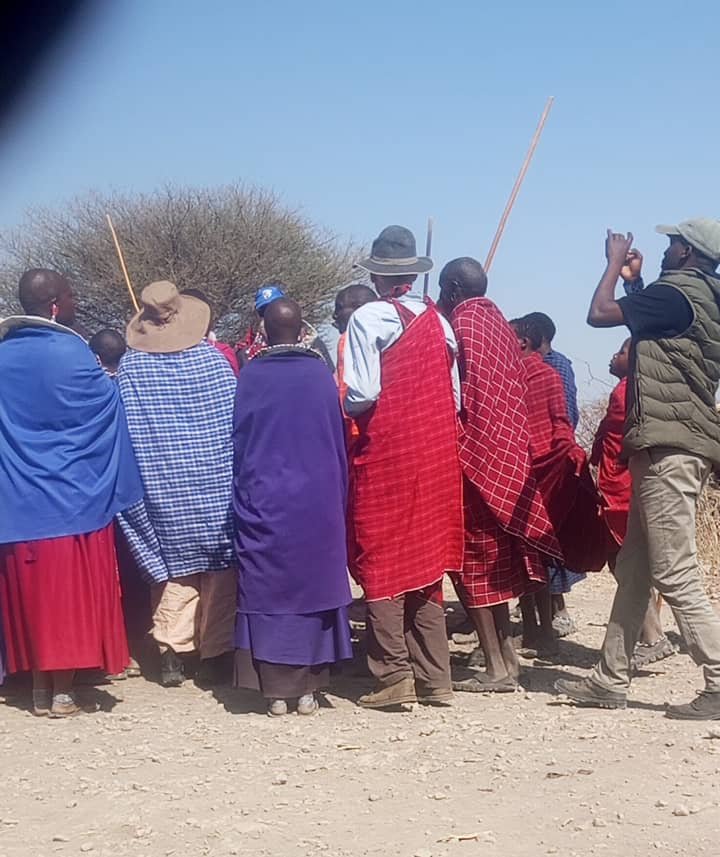
Ol Doinyo Lengai, meaning ‘Mountain of God’ in the Maasai language, is an active volcano located in the Rift Valley, Tanzania, south of the Serengeti and west of Mount Kilimanjaro. It’s renowned for its unique natrocarbonatite lava, which is far less viscous than basaltic lava and erupts at lower temperatures, giving it a distinctive appearance. A night climb is the most popular way to ascend this geological wonder. The trek typically commences around 10 PM or 11 PM from the base village, with the aim of reaching the summit (2,878 meters / 9,442 feet) by dawn. This timing allows climbers to witness the spectacular sunrise over the Maasai Steppe and, crucially, to navigate the steep, often unstable slopes in cooler temperatures and with the aid of headlamps. The descent is usually completed by mid-morning. The experience is raw and primal; you’re not just climbing a mountain, you’re walking on a living, breathing geological entity. Unlike the multi-day treks of Kilimanjaro, Ol Doinyo Lengai is often climbed in a single, albeit long, day and night. For 2026-2027, expect this adventure to remain a highlight for intrepid travelers seeking something beyond the usual safari experience.
Why Opt for a Night Climb?
The decision to climb Ol Doinyo Lengai at night is driven by several practical and experiential factors. Firstly, temperature regulation is key. Daytime temperatures in the Rift Valley can be scorching, making a strenuous climb under the direct sun incredibly challenging and potentially dangerous. Ascending under the cover of darkness means you’re hiking in significantly cooler conditions, which aids stamina and reduces the risk of heat exhaustion. Secondly, the visual spectacle is unparalleled. Reaching the summit just as the first light breaks over the horizon, illuminating the vast plains below and the stark, alien landscape of the crater, is a profoundly moving experience. The crater itself, with its steaming vents and sometimes fresh lava flows, is a sight best appreciated in the changing light of dawn. Thirdly, the loose scree and volcanic ash that characterize much of the climb are easier and safer to navigate in the controlled beam of a headlamp than in broad daylight, especially on the steeper sections. While challenging, the night ascent is a well-established method that maximizes safety and the unique rewards of this active volcano. For those planning their 2026-2027 adventures, this nocturnal approach is not just a preference; it’s the standard and most sensible way to conquer Ol Doinyo Lengai.
When is the Best Time to Trek Ol Doinyo Lengai?
While Ol Doinyo Lengai can be climbed year-round, certain periods offer more favorable conditions. The dry seasons, generally from June to October and December to February, are the most recommended times for trekking. During these months, you can expect less rainfall, clearer skies, and more stable ground conditions. This is particularly important for the night climb, as rain can make the already steep and loose slopes exceptionally slippery and hazardous. The volcanic crater can also become more active and unpredictable during periods of heavy rain. The shoulder months, leading into or out of the main dry seasons, can also be good, but there’s a higher chance of encountering rain showers. Even in the dry season, temperatures can fluctuate, so packing layers is always advisable. For travelers planning for 2026-2027, aiming for the drier months will significantly enhance your chances of a safe and enjoyable summit experience. Avoid the peak rainy seasons (March to May and November) if possible, as these can lead to trek cancellations or significantly more difficult conditions.
Ol Doinyo Lengai Trekking Routes and Difficulty
There is essentially one primary route for climbing Ol Doinyo Lengai, originating from the village of Natron (sometimes referred to as Engare Sero or Katesh, depending on the starting point near Lake Natron). The climb is considered strenuous and challenging, primarily due to the steepness of the terrain and the nature of the volcanic scree and ash, which makes footing difficult. The ascent covers approximately 1,500 meters (4,900 feet) in elevation gain over a distance of about 5-7 kilometers (3-4.5 miles) to the summit. The gradient can be as steep as 45 degrees in some sections. The volcanic ash and loose rocks mean that for every two steps forward, you might slide one step back. This requires good physical fitness, strong leg muscles, and excellent balance. Unlike Mount Kilimanjaro, acclimatization is less of a primary concern due to the single-day nature of the climb, but a good level of cardiovascular fitness is essential. The summit itself is not a single point but rather a rim around the active crater. Depending on volcanic activity, you may be able to get relatively close to the steaming vents, but safety always dictates the proximity allowed by your guide. For those considering a 2026-2027 trek, it’s crucial to understand that this is a demanding physical undertaking, more akin to a tough day hike on steep, unstable ground than a multi-day mountain expedition.
Physical Preparation
To successfully complete the Ol Doinyo Lengai night climb, rigorous physical preparation is key. Focus on cardiovascular fitness through activities like running, cycling, or swimming. Equally important is building strength in your legs and core. Hiking on steep, uneven terrain, especially with loose scree, demands strong quadriceps, hamstrings, calves, and glutes. Incorporate exercises like squats, lunges, step-ups, and calf raises into your routine. Practice hiking on steep inclines and descents, if possible, to simulate the conditions you’ll face. Since the climb is primarily done at night, training with a weighted backpack can also help build endurance. Starting your training at least 2-3 months before your planned 2026-2027 trek will make a significant difference.
The Climb Experience
The journey begins at the base, often near Lake Natron, where you’ll meet your guides. After a brief orientation and final gear check, you’ll start ascending. The initial part of the trail might be less steep, but it quickly transitions into a challenging climb. You’ll be using your hands for balance and sometimes for support on the steeper sections. The loose volcanic scree is a constant challenge, demanding careful foot placement. Your guide will lead the way, choosing the safest and most stable path. The air can be dry and dusty, so staying hydrated and protecting your airways with a buff or bandana is important. As you ascend, the temperature drops, and the wind can pick up. Reaching the summit crater rim for sunrise is the ultimate reward, offering impressive panoramic views and the chance to witness the volcano’s active geology up close. The descent, while often faster, is also tricky due to the loose terrain; trekking poles are highly recommended to save your knees and maintain balance.
What to Pack for Your Ol Doinyo Lengai Night Climb
Packing effectively for an Ol Doinyo Lengai night climb is vital for comfort and safety. Given the variable conditions, from the heat of the Rift Valley floor to the cooler summit air, and the nocturnal nature of the ascent, layering is essential. Here’s a comprehensive packing list:
- Headlamp: A powerful, reliable headlamp with extra batteries is non-negotiable. This is your primary light source.
- Sturdy Hiking Boots: Broken-in, waterproof hiking boots with good ankle support are crucial for navigating the unstable terrain.
- Trekking Poles: Highly recommended for stability on the scree and to reduce strain on your knees during descent.
- Layered Clothing:
- Moisture-wicking base layers (top and bottom)
- Warm fleece or insulated jacket
- Waterproof and windproof outer shell (jacket and trousers)
- Comfortable hiking trousers (quick-drying)
- Warm hat and gloves
- Daypack: A comfortable daypack (20-30 liters) to carry water, snacks, extra layers, and personal items.
- Water Bottles/Hydration Reservoir: Carry at least 2-3 liters of water. Electrolyte supplements are also a good idea.
- Sun Protection: Even though you’re climbing at night, you’ll be descending in the sun. Pack sunscreen, a wide-brimmed hat, and sunglasses.
- Snacks: High-energy snacks like nuts, dried fruit, energy bars, and chocolate are essential for maintaining energy levels.
- First-Aid Kit: A basic personal first-aid kit with blister treatment, pain relievers, and any personal medications.
- Camera: To capture the stunning views (ensure it’s protected from dust and cold).
- Bandana or Buff: Useful for protecting your face from dust and sun.
- Trash Bag: Pack out everything you pack in. Leave no trace.
For your 2026-2027 trek, ensure all gear is in good working condition. Consider renting bulky items if needed, but personal items like good boots and headlamps are worth investing in.
Safety and Acclimatization Considerations
Safety is paramount on any trek, and Ol Doinyo Lengai presents unique challenges. While it’s not a high-altitude climb like Kilimanjaro, the steep, unstable terrain and the active nature of the volcano demand respect. TOP GUIDE ADVENTURES prioritizes safety by:
- Experienced Local Guides: Our guides are Maasai, with intimate knowledge of the mountain, its trails, and its ever-changing conditions. They are trained in first aid and emergency procedures.
- Weather Monitoring: We constantly monitor weather patterns. Treks may be postponed or rerouted if conditions become too dangerous.
- Pacing: Guides ensure a steady, manageable pace, allowing climbers to conserve energy and assess their footing.
- Emergency Support: While direct vehicle access to the summit is impossible, we have communication protocols and can arrange for assistance at the base. For treks organized by TOP GUIDE ADVENTURES, we carry essential emergency supplies.
Acclimatization for Ol Doinyo Lengai is less about altitude sickness and more about physical preparation. Since it’s typically a single-day/night ascent, the primary risk is physical exhaustion and injury due to the demanding terrain. However, if you are combining this trek with other activities in Tanzania, such as climbing Kilimanjaro or exploring higher altitudes, ensuring you are well-acclimatized from prior days is beneficial. For 2026-2027, always discuss your overall itinerary with your tour operator to ensure adequate preparation.
Booking Your Ol Doinyo Lengai Adventure 2026-2027
Securing your Ol Doinyo Lengai night climb for 2026-2027 requires careful planning and choosing the right operator. As a leading local tour operator in Moshi/Arusha, TOP GUIDE ADVENTURES specializes in organizing safe and memorable treks, including the Ol Doinyo Lengai climb. We offer personalized service from arrival, ensuring all logistics are handled smoothly.
When booking, consider the following:
- Inclusions: Confirm what your package covers. Typically, this includes park fees, guide and porter salaries, meals during the trek, and transfers to/from the mountain. TOP GUIDE ADVENTURES provides comprehensive packages.
- Exclusions: Be aware of what is not included, such as tips for guides and porters, personal gear, and travel insurance.
- Group vs. Private: Decide if you prefer a private trek or joining a group. Private treks offer flexibility, while group treks can be more budget-friendly.
- Itinerary: Discuss your desired dates for 2026-2027 and any other activities you wish to combine, such as a Ol Doinyo Lengai tour or a safari.
To get a personalized quote and discuss your 2026-2027 Ol Doinyo Lengai night climb, reach out to TOP GUIDE ADVENTURES. We pride ourselves on offering expert advice, reliable logistics, and an unforgettable adventure experience. You can contact us via WhatsApp at +255 616 946 642 or email us at topguideadventures@gmail.com. Let us help you plan your extraordinary journey up the ‘Mountain of God’.
Check Availability for Ol Doinyo Lengai Night Climb And Summit Trek: Your Essential Guide 2026-2027
Ready to compare dates, prices, and the best option for your group? Send the package name and travel month so the team can reply with a clear quote, availability, and what is included.
Sahara Desert Expedition Journeys: Camel Trekking, Camps, And Adventure Tours
Discover the allure of Sahara Desert expedition journeys, from the iconic camel trek to in-depth desert camp stays and the spirit of adventure that defines these unique experiences.
View package detailsMost Beautiful Mountains In The World: Premier Hiking And Trekking
This comprehensive guide explores the world's most stunning mountain ranges, focusing on their appeal for hikers and trekkers. It details iconic peaks, diverse terrains, and the unique...
View package details
Rubondo Island National Park Prices In Tanzania – Safari Fees, Chimpanzee
Understanding Rubondo Island National Park prices is key to planning your Tanzanian adventure. Costs vary based on accommodation, activities like chimpanzee trekking, and safari duration...
View package details
Lake Jipe Fishing Experience: Bird Watching & Kilimanjaro Region Day Trip
Discover the serene beauty of Lake Jipe with a unique day trip focused on fishing, bird watching, and the impressive Kilimanjaro Region landscape. This experience offers a peaceful escape...
View package details
Best Affordable Hotel In Arusha – Budget Accommodation Before Safari And
Best Affordable Hotel in Arusha – Budget Accommodation Before Safari and Kilimanjaro is explained with current 2026-2027 planning, price, itinerary and.
View package detailsNo closely related package is available yet for this topic.



