
Visiting Rubondo Island National Park involves traveling to the southwestern shores of Lake Victoria and then taking a boat or light aircraft to the island itself, making it a unique destination requiring specific logistical planning for 2026-2027 trips. The park is renowned for its chimpanzee reintroduction program, diverse birdlife, and the chance to spot elusive predators like the sitatunga antelope, offering a distinct wildlife encounter away from the typical savanna safari circuit. Planning your visit means deciding on the best time of year, arranging transport, and choosing accommodation that suits your adventure style, whether that’s rustic camping or a comfortable lodge.
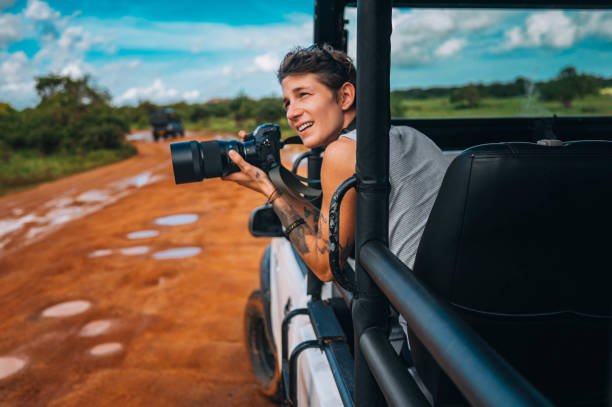
Getting to Rubondo Island National Park
Reaching Rubondo Island National Park is an adventure in itself, primarily because it’s situated on an island in the vast expanse of Lake Victoria. This isolation is part of its charm, offering an escape from the more crowded tourist trails. Most visitors will begin their journey from major Tanzanian cities like Arusha, Moshi, Dar es Salaam, or even Zanzibar. From these points, the most common route involves flying into Mwanza, the nearest major city to the park. International travelers often fly into Kilimanjaro International Airport (JRO) near Arusha or Julius Nyerere International Airport (DAR) in Dar es Salaam, then connect to Mwanza.
Once in Mwanza, you have two primary options to reach Rubondo Island: a scenic boat transfer or a chartered light aircraft flight. The boat journey from the mainland shores near Nkome or other designated embarkation points can take several hours, offering lovely views of the lake and surrounding islands. This is often the more budget-friendly option and provides a gradual introduction to the lake environment. For those prioritizing time and comfort, a chartered flight directly to Rubondo Island’s airstrip is available. This significantly cuts down on travel time, allowing for more time on the island itself, which is particularly appealing for shorter trips like a 4-day Rubondo Island National Park safari or a 3-day Rubondo Island National Park safari. Booking these transfers well in advance, especially for 2026-2027 travel, is crucial due to limited availability and the need for coordination.
When is the Best Time to Visit Rubondo Island?
The climate on Rubondo Island is tropical, influenced by Lake Victoria. Generally, there are two main seasons: a dry season and a rainy season. The dry season, typically from June to October, offers pleasant weather with less humidity and minimal rainfall, making it ideal for game drives and walking safaris. Visibility for wildlife spotting is often at its best during these months.
The rainy season, from November to May, brings heavier rainfall, which can affect accessibility and outdoor activities. However, this period also means lush green landscapes and can be fantastic for birdwatching, as migratory birds are often present. The longer rains, from March to May, can sometimes make certain tracks impassable. For those interested in the chimpanzee trekking experience, it’s possible year-round, but the drier months can make the forest trails easier to navigate. When planning for 2026-2027, consider that shoulder months like October and November, or May and June, can offer a good balance of decent weather and fewer crowds, potentially at slightly lower costs than the peak dry season.
What to Expect: Wildlife and Activities
Rubondo Island National Park is a haven for biodiversity, distinct from the typical Tanzanian safari experience. Its primary draw is the reintroduced population of chimpanzees, offering a chance for trekkers to observe these intelligent primates in their natural habitat. While sightings are not guaranteed, the thrill of the search and the potential reward are significant. Beyond the chimpanzees, the island is home to a variety of mammals, including the unique sitatunga antelope, which is adapted to swampy environments, as well as bushbucks, elephants, and hippos. Predators like leopards and serval cats are present but are rarely seen.
Birdwatching is exceptional on Rubondo. The island is a vital stopover for migratory birds and hosts resident species like fish eagles, kingfishers, and various water birds. The park also offers excellent fishing opportunities, particularly for Nile perch, making it a prime destination for anglers. Activities typically include guided game drives (though the island’s terrain limits traditional drives), walking safaris with armed rangers, boat excursions for birdwatching and fishing, and of course, chimpanzee trekking. The experience here is more about immersion in nature and tranquility, rather than ticking off large numbers of the ‘big five’. It’s an ideal location for those seeking a more intimate and off-the-beaten-path wildlife encounter, perhaps as part of a longer 7 Day Rubondo Island National Park Safari and Lake Victoria Experience.
Park Entrance Fees and Regulations
As a national park managed by TANAPA (Tanzania National Parks Authority), Rubondo Island requires visitors to pay entrance fees. These fees contribute to the conservation efforts within the park. For international visitors, the fees are typically higher than for residents or East African citizens. It’s essential to confirm the current rates for 2026-2027, as they are subject to change. These fees are usually calculated per person, per day.
In addition to entrance fees, there might be fees for specific activities like camping or guided walks. Regulations within the park are strict to protect the environment and wildlife. Visitors are expected to stay on designated tracks, avoid feeding animals, and refrain from loud noises or littering. Chimpanzee trekking has specific rules to minimize disturbance to the primates, including maintaining a certain distance and limiting group sizes. Always follow the guidance of your park rangers and tour operator. Booking through a reputable operator like Top Guide Adventures ensures that all necessary permits and fees are handled correctly as part of your safari package.
Key Regulations to Note:
- Park entrance fees are mandatory for all visitors.
- Chimpanzee trekking requires specific permits and adherence to strict viewing guidelines.
- Walking safaris must be accompanied by an armed ranger.
- No off-road driving is permitted, and respect for wildlife is paramount.
- Camping is only allowed in designated campsites.
Transport and Accommodation Logistics
Arranging transport and accommodation is a critical part of planning a trip to Rubondo Island. As mentioned, getting to Mwanza is the first step, followed by the transfer to the island. Boat transfers are often arranged by lodges or tour operators, departing from points like Nkome. These transfers can be subject to weather conditions, so flexibility is key.
Accommodation options on Rubondo Island itself are limited, which helps maintain the park’s pristine nature. The main options typically include the Rubondo Island Camp, offering comfortable lodging with lake views, and designated park campsites for a more rustic experience. Booking accommodation well in advance is highly recommended, especially if you are planning a trip during the peak season of 2026 or 2027. Tour operators like Top Guide Adventures can streamline this process, coordinating transfers, accommodation, and park activities into a smooth itinerary. They can also advise on the best packages, whether you are looking for a budget Rubondo Island National Park safari package or a more comprehensive experience.
Consider the duration of your stay. A short trip, like a 5-day Rubondo Island National Park safari and chimpanzee experience, will focus on the key highlights, while a longer stay, such as a 6-day Rubondo Island National Park wildlife adventure, allows for deeper exploration and relaxation.
Essential Preparation for Your Trip
Packing for Rubondo Island National Park requires consideration of the climate, activities, and the remote nature of the location. Lightweight, breathable clothing in neutral colors is recommended for game drives and walking safaris. Include long-sleeved shirts and trousers to protect against the sun and insects, especially during dawn and dusk. Comfortable walking shoes are essential, along with sandals for relaxing at your lodge or camp.
Don’t forget insect repellent, sunscreen, a wide-brimmed hat, and sunglasses. Binoculars are a must for wildlife and bird viewing. A good quality camera with extra batteries and memory cards will help you capture the unique scenery and wildlife. Given the limited facilities, it’s wise to bring any personal medications you might need, along with a basic first-aid kit. A reusable water bottle is also advisable. For those planning to trek for chimpanzees, lightweight rain gear is a good idea, as forest weather can change quickly. Ensure you have enough cash in Tanzanian Shillings for any small purchases or tips, though most lodges and tour operators accept cards for larger payments.
Packing Checklist Highlights:
- Lightweight, neutral-colored clothing
- Long-sleeved shirts and trousers
- Comfortable walking shoes and sandals
- Insect repellent (high DEET content recommended)
- High SPF sunscreen and wide-brimmed hat
- Binoculars and camera with extra batteries/memory cards
- Personal medication and basic first-aid kit
- Rain jacket or poncho
- Reusable water bottle
- Cash for tips and incidentals
Common Mistakes to Avoid
One common mistake is underestimating the travel time and logistical complexities involved in reaching Rubondo Island. Many travelers assume it’s as straightforward as reaching a mainland park. Booking transfers and accommodation at the last minute can lead to disappointment, especially for popular travel windows in 2026-2027. Always confirm your arrangements well in advance.
Another mistake is expecting the same wildlife viewing experience as in parks like the Serengeti or Maasai Mara. Rubondo’s charm lies in its unique ecosystem and the chance to see specific species like sitatunga and chimpanzees. Patience and a focus on the smaller details, the birds, and the forest environment are key to appreciating Rubondo. Additionally, not packing appropriate clothing or essentials like insect repellent can significantly detract from the experience. Lastly, attempting to organize the entire trip independently without consulting an experienced tour operator can lead to missed opportunities or logistical hiccups. Partnering with a local expert like Top Guide Adventures can ensure a smooth and enriching visit to this special corner of Tanzania.
For expert advice and to plan your tailored safari to Rubondo Island National Park for 2026-2027, contact Top Guide Adventures. We specialize in creating unforgettable Tanzanian adventures, handling all the intricate details so you can focus on the magic of your journey. Reach out via WhatsApp +255 616 946 642 or email us at topguideadventures@gmail.com to start planning your escape to this unique island paradise.
Check Availability for How To Visit Rubondo Island National Park Tanzania: Your Expert Planning…
Ready to compare dates, prices, and the best option for your group? Send the package name and travel month so the team can reply with a clear quote, availability, and what is included.

Rubondo Island National Park Prices In Tanzania – Safari Fees, Chimpanzee
Understanding Rubondo Island National Park prices is key to planning your Tanzanian adventure. Costs vary based on accommodation, activities like chimpanzee trekking, and safari duration...
View package details
Airport Security Rules In Tanzania: Luggage, Electronics & Travel Essentials
Understand Tanzania's airport security rules for luggage, electronics, and general travel requirements to ensure a smooth entry for your 2026-2027 safari or Zanzibar trip.
View package detailsMost Beautiful Islands In The World – Beach Holidays, Marine Adventures And
Exploring the planet's most beautiful islands offers a unique blend of relaxation and adventure, from pristine beaches to vibrant underwater worlds. This guide delves into what makes an...
View package details
Cheap Flights To Zanzibar – Best Routes, Airlines And Holiday Packages Guide
Planning a trip to Zanzibar on a budget? This guide unpacks the best routes, airlines, and holiday package options for securing cheap flights to Zanzibar for your 2026-2027 travels...
View package detailsNo closely related package is available yet for this topic.



