
A Katavi Wildlife Photography Safari in 2026-2027 offers photographers a rare chance to capture Tanzania’s raw, untamed wilderness and its magnificent wildlife in a truly remote setting, far from the usual tourist trails. This type of safari focuses on maximizing photographic opportunities, often involving specialized vehicles, flexible timing, and experienced guides attuned to the needs of photographers seeking unique shots of animals like elephants, lions, hippos, and vast herds in dramatic landscapes.
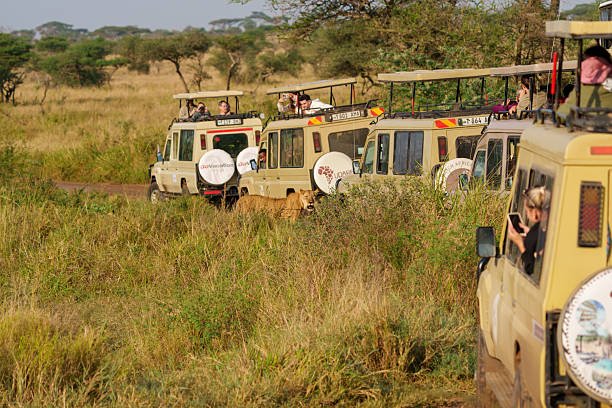
Table of Contents
- Katavi Photography Safari: What to Expect
- Why Choose Katavi for Photography in 2026-2027?
- Best Time for Katavi Photography (2026-2027)
- Planning Your Katavi Photography Safari
- Essential Photography Gear for Katavi
- Wildlife You’ll Photograph in Katavi
- Accommodation Options for Photographers
- Sample Photography Itinerary Ideas
- Booking Your 2026-2027 Katavi Safari
Katavi Photography Safari: What to Expect
A Katavi Wildlife Photography Safari is fundamentally about access to one of Tanzania’s least-visited and most ecologically diverse parks. Unlike more popular destinations, Katavi offers a sense of true wilderness. Expect to spend your days on game drives, often with a professional guide who understands animal behavior and the best light for photography. Vehicles are typically open-sided or pop-top 4x4s, allowing for unobstructed views and shooting angles. The focus is on patience and observation, waiting for the perfect moment. You’ll encounter fewer vehicles, meaning more exclusive viewing experiences. While the park is known for its large predators and herbivores, its vast, open floodplains and dense miombo woodlands also provide stunning backdrops. Given the park’s remoteness, logistics are key; travel to Katavi usually involves light aircraft flights from Arusha or other hubs, adding to the adventure and cost but preserving the park’s pristine nature. For 2026-2027, expect consistent wildlife viewing, with seasonal variations impacting the landscape and animal concentrations.
Why Choose Katavi for Photography in 2026-2027?
Katavi National Park stands out for photographers seeking an authentic, off-the-beaten-path experience. Its sheer remoteness is its greatest asset, preserving a wildness that has diminished in more accessible parks. For the 2026-2027 seasons, this isolation translates into unique photographic opportunities:
- Unrivaled Wildlife Density: Katavi is famed for its massive elephant and buffalo herds, especially during the dry season when they congregate around the remaining water sources. The chances of witnessing dramatic predator-prey interactions are high.
- Spectacular Landscapes: The park boasts diverse scenery, from the vast floodplains of the Kavu and Katavi plains, dotted with iconic acacia trees, to dense miombo woodlands and the life-giving waters of the Kapungula and Chada swamps. These varied environments offer dynamic compositions for photographers.
- Minimal Tourist Traffic: You’re unlikely to encounter many other vehicles, allowing for unhurried photography sessions and intimate wildlife encounters without the pressure of competing for space or light. This is crucial for capturing natural animal behavior.
- Predator Concentrations: The park is a stronghold for lions, leopards, cheetahs, and African wild dogs. The chance to photograph these elusive cats in their natural habitat, often with fewer photographic disturbances, is a major draw.
- Unique Birdlife: For ornithological photographers, Katavi offers a rich variety of bird species, particularly around the swamps and riverine areas.
Choosing Katavi for your 2026-2027 photography safari means prioritizing a deep immersion in nature and a commitment to capturing wildlife in its most natural state. It requires a different approach than a typical safari, one that values patience, solitude, and the sheer thrill of exploring a truly wild frontier.
Best Time for Katavi Photography (2026-2027)
The ideal time for a Katavi Wildlife Photography Safari in 2026-2027 largely depends on what you aim to photograph and the visual aesthetic you desire. Katavi experiences distinct wet and dry seasons, each offering unique photographic advantages:
Dry Season (June to October)
This is widely considered the prime time for wildlife photography in Katavi. As water sources dwindle, animals, including enormous herds of elephants and buffalo, become concentrated around the remaining lakes and rivers like Lake Katavi and the Katuma River. This offers incredible opportunities for capturing large aggregations and intense predator-prey action. The landscape becomes drier, with golden grasses and stark trees providing a dramatic, classic safari look. Light can be harsh mid-day, but mornings and evenings offer soft, beautiful light. The dry season also means clearer skies and easier road conditions.
Shoulder Seasons (April-May and November)
These months mark the transition between wet and dry periods. April and May can still see some rain, leading to lush green landscapes, which can be beautiful for photographers seeking softer, more verdant backdrops. Animal concentrations might be more dispersed than in the peak dry season. November often brings the first rains, greening up the park and creating dramatic skies. The dust settles, and the air is fresh, offering a different photographic mood. These periods can also offer slightly lower prices and fewer visitors.
Wet Season (November to March)
While generally less popular for safaris due to challenging road conditions and dispersed wildlife, the wet season has its photographic merits. The landscape is incredibly lush and vibrant, offering photographers a completely different palette of greens. Birdlife is at its most active, with migratory species present. For those interested in unique atmospheric shots, thunderous skies, and the dramatic transformation of the landscape, the wet season can be rewarding. However, access to certain areas might be limited, and game viewing can be more challenging.
For most wildlife photographers aiming for iconic shots of large mammals and dramatic action in 2026-2027, the dry season (June to October) is generally recommended. However, if you seek lush scenery and unique light, the shoulder months or even the early wet season can provide exceptional, less-common photographic subjects and moods.
Planning Your Katavi Photography Safari
A successful Katavi photography safari in 2026-2027 hinges on meticulous planning. Due to its remoteness, accessibility and logistics are paramount. Here’s a breakdown of key considerations:
Transportation and Access
Getting to Katavi is an adventure in itself. The most common method is via scheduled light aircraft flights from Arusha (ARK) or Kilimanjaro International Airport (JRO). These flights typically land at the airstrip near the park’s main camps. The flight time is around 1.5 to 2.5 hours. Alternatively, it’s possible to drive from towns like Mwanza (on Lake Victoria) or Kigoma, but this is a very long and rough journey (often 8-10+ hours), usually best suited for extended expeditions or those specifically seeking overland adventure. For most photographers, flying is the most practical way to maximize time in the park. Ensure your tour operator handles all flight bookings and transfers to your accommodation.
Duration and Itinerary Customization
Given the travel time involved, a minimum of 3-4 nights is recommended for a Katavi safari. However, for serious photographers, 5-7 nights or more will allow for deeper exploration and the chance to revisit prime locations at different times of day. Top Guide Adventures specializes in crafting custom itineraries. For your 2026-2027 trip, discuss your photographic interests – whether it’s big cats, large herds, birds, or landscapes – to tailor the daily game drives and locations. This might include early morning starts, late evening returns, and spending extended periods with specific sightings.
Vehicle and Guide Selection
For photography, a customized 4×4 safari vehicle with a pop-top roof is essential. This provides excellent vantage points and stability for shooting. A good guide is invaluable; they possess intimate knowledge of the park, animal behavior, and the best spots for photography. Look for operators who explicitly state their guides are trained to assist photographers, understanding the need for patience and positioning.
Park Fees and Permits
Katavi National Park has daily conservation fees. These are typically included in your safari package price but always confirm what is covered. For 2026-2027, these fees are subject to change by TANAPA (Tanzania National Parks Authority), so verify the latest rates with your operator.
Packing Essentials
Beyond photography gear, pack light, neutral-colored clothing, a wide-brimmed hat, sunscreen, insect repellent, and a good pair of binoculars. A small backpack for day trips is useful. Comfortable walking shoes are advisable if your lodge offers guided walks.
Important Note on Katavi Remoteness
Katavi is not a park for casual safari-goers. Its remoteness means fewer facilities, higher costs for access, and a more rugged experience. This is precisely why it appeals to photographers seeking an authentic, uncrowded encounter with the wild. Ensure you are prepared for a true wilderness adventure.
Essential Photography Gear for Katavi
To make the most of your Katavi Wildlife Photography Safari in 2026-2027, the right gear is crucial. Given the subjects and conditions, prioritize versatility and reach.
Camera Bodies
A DSLR or mirrorless camera with interchangeable lenses is ideal. Consider bringing at least one camera body as a backup. Full-frame cameras perform well in low light, while APS-C sensors offer a slight crop factor advantage for reaching distant subjects.
Lenses
This is where you’ll want to invest. A telephoto zoom lens is indispensable for wildlife. Popular choices include:
- A 100-400mm or 150-600mm zoom lens: This provides excellent reach for animals and is versatile enough for larger mammals closer to the vehicle.
- A 70-200mm lens: Useful for medium shots, portraits, or when animals are closer.
- A wide-angle lens (e.g., 16-35mm or 24-70mm): Essential for capturing expansive landscapes, dramatic skies, or when animals are very close to the vehicle.
- Macro lens: Optional, but great for insects, flowers, or intricate details if you have space.
Consider carrying a lens hood for each lens to reduce glare and protect the front element.
Tripod and Support
While a full tripod can be cumbersome on safari, a sturdy monopod or a beanbag is highly recommended. Beanbags can be placed on the vehicle door or window frame, offering stable support for your lens. Some vehicles may have camera mounts; inquire with your operator.
Memory Cards and Batteries
Bring plenty of high-speed memory cards (e.g., SD cards) with large capacities. You’ll be shooting a lot! Pack multiple spare batteries for your camera and any other devices, as charging opportunities can be limited. Consider a portable power bank.
Other Essentials
- Rain cover: Essential, especially during the wetter months, to protect your gear from dust and moisture.
- Cleaning kit: Lens cloths, a blower brush, and sensor cleaning swabs are vital for keeping your equipment in top condition in a dusty environment.
- Binoculars: A good pair of binoculars (e.g., 8×42 or 10×42) is crucial for spotting wildlife at a distance, helping you find subjects for your camera.
- Camera backpack: A comfortable, well-padded backpack is necessary for carrying your gear safely during transfers and game drives.
Always check your airline’s baggage weight restrictions for light aircraft flights, as these are often stricter than for commercial jets. This might mean prioritizing essential lenses and body over less critical items.
Wildlife You’ll Photograph in Katavi
Katavi National Park is a haven for wildlife photographers due to its sheer abundance and diversity. During your 2026-2027 safari, expect to encounter:
Mammals
- Elephants: Katavi is famous for its large herds of elephants, particularly during the dry season when they gather at watering holes.
- Buffalo: Enormous herds of Cape buffalo are a common sight, often seen wallowing in mud or grazing on the plains.
- Hippos: The park’s rivers and swamps host some of the largest hippo populations in Tanzania, creating incredible opportunities for action shots during the dry season.
- Lions: Katavi boasts a healthy lion population, including some impressive males. Look for them resting under trees or on the plains.
- Leopards and Cheetahs: While more elusive, these big cats are present and can be found hunting on the open plains or resting in trees.
- African Wild Dogs: Katavi is one of the best places in East Africa to see packs of these endangered predators.
- Giraffes: Masai giraffes are a common sight, often seen browsing on acacia trees.
- Zebra and various Antelopes: Numerous species of antelope, including impala, topi, hartebeest, and roan antelope, as well as plains zebra, roam the park.
- Crocodiles: Large Nile crocodiles are abundant in the rivers and swamps.
Birds
Katavi is a birdwatcher’s paradise, especially around its wetlands. Photographers can expect to see:
- Pelicans, storks, herons, and egrets
- Kingfishers, bee-eaters, and rollers
- Raptors like fish eagles and martial eagles
- Waterfowl and various waders
The concentration of wildlife, especially during the dry season, provides photographers with an unparalleled canvas. The lack of crowds ensures that encounters are intimate and natural, offering ample time to compose shots and capture the essence of these magnificent creatures in their wild, untamed environment.
Accommodation Options for Photographers
Choosing the right accommodation is crucial for a photography safari, as it impacts your access to the park and your comfort. In Katavi, options range from basic to semi-luxury, with most catering to the photographic safari experience. For your 2026-2027 trip, consider these types:
Tented Camps
These offer an authentic bush experience. They typically consist of spacious canvas tents on permanent platforms, often with en-suite bathrooms (flush toilets and safari showers). Camps are strategically located to offer good access to wildlife viewing areas. They provide a comfortable yet wild feel, allowing you to hear the sounds of the bush at night. Most camps offer meals in a central dining tent or area. Examples include:
- Chada Katavi: Known for its intimate setting and excellent guiding, often favoured by serious wildlife enthusiasts.
- Katavi Wildlife Camp: A well-established camp offering comfortable accommodation.
The advantage of tented camps is their proximity to nature and the in-depth experience they provide. Some camps may offer early morning tea/coffee and late evening snacks, perfect for photographers who want to maximize their time in the park.
Lodges
While fewer in number than tented camps in Katavi, lodges offer more permanent structures and often higher levels of comfort, including en-suite bathrooms, electricity, and sometimes even swimming pools. They are generally more expensive but can be a good option for those who prefer more solid accommodation. These are often built with photographers in mind, offering good views and convenient locations for game drives.
Mobile Camps (Less Common in Katavi)
In some Tanzanian parks, mobile camps follow the wildlife. While less common in Katavi due to its established infrastructure, inquire with your operator if such options exist for a truly exclusive experience. These camps offer a unique, temporary presence in prime wildlife areas.
Photographer-Specific Considerations
- Power Supply: Most camps and lodges rely on generator power, usually for a few hours in the morning and evening. Ensure you have a portable power bank and car chargers for your camera batteries and devices.
- Location: Choose a camp or lodge that is centrally located within the park or near key wildlife areas (like the plains or swamps) to minimize travel time to prime photographic spots.
- Guides: The quality of guides is paramount. Opt for operators like TOP GUIDE ADVENTURES who employ experienced guides adept at assisting photographers, understanding the need for patience and strategic positioning.
- Vehicle Access: Confirm that your accommodation has dedicated 4×4 safari vehicles suitable for photography, preferably with pop-top roofs.
When booking your 2026-2027 safari, discuss your accommodation preferences with TOP GUIDE ADVENTURES. They can recommend options that best suit your photographic goals and comfort levels.
Sample Photography Itinerary Ideas
Tailoring your itinerary is key to a successful Katavi photography safari. Here are a couple of ideas for your 2026-2027 trip, focusing on maximizing photographic opportunities. These are flexible and can be adjusted based on your interests and the season.
5-Day Katavi Wildlife Photography Focus
This itinerary offers a solid introduction to Katavi’s wildlife with ample time for photography.
- Day 1: Arrival in Katavi & Afternoon Game Drive. Fly into Katavi airstrip. Met by your guide and transfer to your chosen camp/lodge. After settling in, start your first afternoon game drive, focusing on the areas around your camp. Capture the golden hour light on the plains.
- Day 2: Full Day Game Drive – Kavu Plains. Depart early with a packed lunch. Spend the full day exploring the vast Kavu Plains, known for its large buffalo and elephant herds, and predator sightings. Focus on capturing animal behavior and wide-angle landscape shots.
- Day 3: Full Day Game Drive – Riverine & Swamp Areas. Explore the riverine forests and swamp areas, such as the Katuma River and Chada Swamp. This is excellent for hippos, crocodiles, and birdlife. Look for lions lounging in trees.
- Day 4: Morning Game Drive & Relaxation. An early morning game drive focusing on any specific species you wish to capture more of. Return to camp for brunch and a midday rest. Perhaps a short afternoon drive or a guided bush walk if available and permitted.
- Day 5: Final Morning Game Drive & Departure. A last chance for early morning photography. After breakfast, transfer to the airstrip for your flight back to Arusha or your onward destination.
7-Day Deep Dive Photography Expedition
For photographers wanting to explore deeper and explore more remote corners of Katavi.
- Day 1: Arrival in Katavi & Bush Lunch. Fly into Katavi. Meet your guide and transfer to your camp. Instead of an immediate game drive, enjoy a bush lunch and then head out for an afternoon exploration focusing on the immediate vicinity of your camp.
- Day 2: Kavu Plains & Predator Focus. Full day dedicated to the Kavu Plains, with a packed lunch. Spend extended time observing herds and searching for lions, cheetahs, and wild dogs. Patience is key for action shots.
- Day 3: Riverine Ecosystems & Hippo Pools. Focus on the Katuma River and its surroundings. Photograph the large hippo pods, crocodiles, and birdlife. Explore areas known for leopards.
- Day 4: Northern Katavi Exploration. Venture further north if accessible, exploring different habitats and seeking out species that may be more prevalent in these areas. This offers a chance for unique compositions.
- Day 5: Chada Swamp & Birdlife. Dedicate this day to the Chada Swamp and its environs, a haven for bird photographers. Look for water birds, raptors, and the smaller mammals that frequent the area.
- Day 6: Flexible Photography Day. Based on your sightings and interests from previous days, revisit favorite spots or pursue specific photographic goals. This could be tracking a particular pride of lions, waiting for dramatic light, or exploring a new track.
- Day 7: Final Morning Game Drive & Departure. A final early morning game drive to capture the last of Katavi’s magic before transferring to the airstrip for your departure.
Key Elements for Your Photography Itinerary:
- Early Departures & Late Returns: Essential for capturing the best light and most active wildlife.
- Packed Lunches: Allows for full-day game drives, maximizing time in the field.
- Guide Specialization: Ensure your guide understands photographic needs (patience, positioning).
- Vehicle Choice: A pop-top 4×4 is non-negotiable.
- Flexibility: Be prepared to deviate from a plan if a rare sighting occurs.
TOP GUIDE ADVENTURES can customize these itineraries further, incorporating specific photographic interests and ensuring all logistical aspects, including flights and accommodation, are seamlessly handled for your 2026-2027 adventure.
Check Availability for Katavi Wildlife Photography Safari 2026-2027
Ready to compare dates, prices, and the best option for your group? Send the package name and travel month so the team can reply with a clear quote, availability, and what is included.
Background Remover Free: Enhancing Safari, Wildlife, And Travel Photography
This guide explores the utility of free background removal tools for photographers specializing in safari, wildlife, and travel imagery. It covers how these tools can enhance subject...
View package detailsThe Most Beautiful Animals In World: A Wildlife Photography And Safari
Exploring the planet's most visually stunning creatures offers a unique lens through which to appreciate biodiversity. This guide focuses on animals celebrated for their aesthetic...
View package detailsBiggest Animals Ever Discovered: African Wildlife, Ocean Giants, And Safari
Discover the planet's most massive creatures, including the giants of African savannas and the leviathans of the deep sea. Learn about their habitats, characteristics, and the awe they...
View package detailsTop 10 Deadliest Snakes Worldwide – African Wildlife Destinations And Safari
Top 10 Deadliest Snakes Worldwide – African Snakes, Wildlife Destinations and Safari Safety is explained with current 2026-2027 planning, price, itinerary.
View package detailsBiggest Animals Ever Discovered: A Look At Giant Wildlife And Marine Giants
Discover the awe-inspiring scale of the largest animals to have ever inhabited Earth. This guide explores the biggest land mammals and the truly immense creatures of the ocean.
View package detailsMost Dangerous Animals In The World – Safari Wildlife, Habitats And Safety
Most Dangerous Animals in the World – Safari Wildlife, Habitats and Safety Around Wild Animals is explained with current 2026-2027 planning, price, itinerary.
View package detailsThe Strongest Animals On Planet: Powerful Wildlife To Observe 2026-2027
Exploring the sheer physical power of the animal kingdom reveals creatures that command respect through their might. This guide focuses on the strongest animals on the planet, highlighting...
View package details
Tanzania Classic Wildlife Safaris: Serengeti, Ngorongoro, Tarangire & Manyara
start an unforgettable Tanzania classic wildlife safari covering the iconic parks of Serengeti, Ngorongoro Crater, Tarangire, and Lake Manyara. These tours are designed to showcase the best...
View package details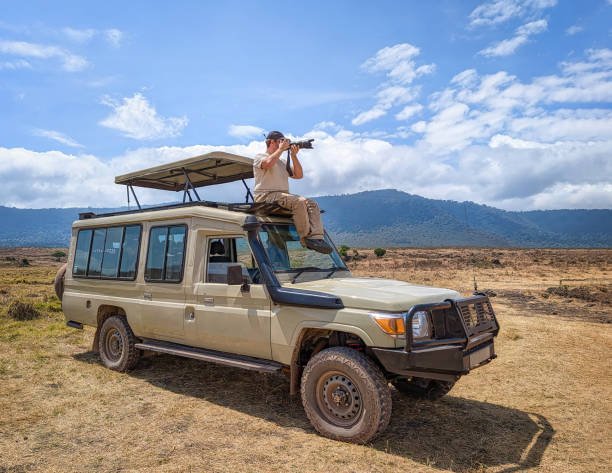
Arusha Day Trips: Wildlife, Waterfalls, Culture, Coffee & Safari Experiences
Arusha day trips offer a fantastic way to experience Tanzania's diverse attractions without committing to longer safaris. From thrilling wildlife encounters in Arusha National Park to the...
View package details
Great Serengeti Migration Safaris In Tanzania: Best Routes, Seasons &
Discover the magic of the Great Serengeti Migration with Top Guide Adventures. This guide covers the best routes, optimal seasons for wildlife viewing, and essential planning tips for your...
View package details
How To Visit Southern Serengeti For Calving Season – Ndutu Safari, Timing And
Visiting the Southern Serengeti during the calving season in Ndutu offers an unparalleled wildlife spectacle. This guide details the optimal timing, essential logistics, and what to...
View package detailsAfrica Tours & Travel, All Safari Booking In Tanzania 2026-2027
Africa Tours & Travel, All Safari Booking in Tanzania is explained with current 2026-2027 planning, price, itinerary and booking information.
View package detailsNo closely related package is available yet for this topic.



