
Visiting Udzungwa Mountains National Park in Tanzania is primarily about experiencing its unique montane rainforests, diverse birdlife, and primate populations through hiking and nature walks, with the most popular treks being the hike to the Sanje Waterfalls and the more challenging climb up Mwanihana Peak. The best time to visit for optimal hiking conditions is during the dry seasons, typically from June to October and December to February, though the park is accessible year-round, with different experiences depending on the rainfall. Planning your trip involves understanding the logistics from nearby towns like Mikumi or Ifakara, arranging park entry fees and permits, and deciding on the duration of your stay, which can range from a single day trip to multi-day expeditions.

Getting to Udzungwa Mountains National Park
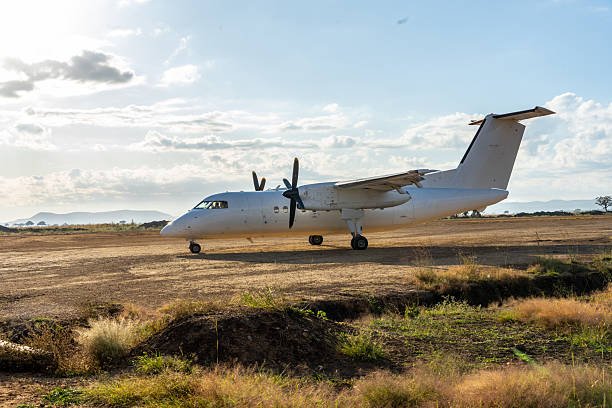
Udzungwa Mountains National Park, often described as an ecological island, is situated in the Kilombero and Udzungwa districts of Tanzania, southwest of Dar es Salaam and west of the Selous Game Reserve. Its relative remoteness is part of its charm, but it means careful planning is essential for access. The most common gateway towns are Mikumi and Ifakara. Mikumi is directly accessible via a tarmac road from Dar es Salaam (approx. 5-6 hours drive) and is also a popular safari destination itself, meaning many visitors combine the two. Ifakara, a larger town, is typically reached by train from Dar es Salaam or by road, and it serves as a primary hub for accessing the southern part of the park, particularly for treks starting near Mang’ula.
From Mikumi, you can arrange transport to the park gates, primarily the Sрованы Gate for the popular Sanje Waterfalls hike, which is about an hour’s drive on a dirt road. If coming from Ifakara, the drive to Mang’ula and the park entrance is also roughly an hour. Many visitors opt to travel with a tour operator who will arrange all necessary transfers, often including a 4×4 vehicle, which is highly recommended given the road conditions, especially during the rainy season. For those looking for a comprehensive Tanzania adventure in 2026-2027, combining a visit here with a Katavi National Park safari or exploring the southern circuit parks offers a more complete picture of Tanzania’s diverse landscapes.
When is the Best Time to Visit Udzungwa Mountains National Park?
Udzungwa experiences two main seasons: a wet season and a dry season, each offering a distinct experience for visitors. The long dry season, running from June to October, is generally considered the prime time to visit. During these months, the weather is typically sunny with lower humidity, making hiking conditions more comfortable and trails less muddy. Visibility for any wildlife spotting is also generally better. This period is ideal for those who prefer drier conditions and want to avoid potential travel disruptions caused by heavy rains.
The short dry season occurs from December to February. This is another excellent window, offering pleasant temperatures and a good opportunity to explore the park. Many visitors find this period appealing, especially if their travel plans align with the festive season or other holiday breaks in 2026 or 2027. Following this, the long rains typically fall from March to May, which can make trails slippery and challenging, and some areas might become temporarily inaccessible. However, this is also when the forest is at its most vibrant, with lush vegetation and numerous flowering plants, making it a paradise for botanists and birdwatchers. The short rains in November can be sporadic, but generally don’t impede travel significantly.
Ultimately, Udzungwa can be visited year-round. If you don’t mind the possibility of rain and enjoy the lushness of the rainforest, the wet season can still be rewarding, provided you are prepared. For the majority of hikers and nature enthusiasts looking for the most predictable and comfortable conditions, the dry seasons of June-October and December-February are the preferred choices for a 2026-2027 visit.
What to Do in Udzungwa Mountains National Park
Udzungwa Mountains National Park is a hiker’s paradise and a biodiversity hotspot, renowned for its endemic species. The park’s primary attraction is its network of hiking trails, which cater to various fitness levels. The most popular and accessible activity is the hike to the Sanje Waterfalls. This trail takes you through the rainforest to a series of stunning waterfalls, offering incredible views and a refreshing dip in the cool waters at the base. The full hike to the top of the falls and back can take about 3-4 hours, depending on your pace and how long you spend enjoying the scenery.
For more adventurous trekkers, the Mwanihana Peak trail offers a more strenuous, multi-day expedition. This challenging hike leads to one of the park’s highest points, rewarding dedicated hikers with panoramic views of the surrounding lowlands and the vast Selous ecosystem. It typically requires at least a two-day commitment, including overnight camping. Another significant trek is the Njokomoka trail, which also involves overnight camping and is suited for those seeking a deeper immersion into the wilderness.
Beyond hiking, Udzungwa is a critical destination for birdwatching. Its unique montane forest habitat supports a remarkable array of species, including several endemic birds like the Udzungwa forest partridge and the Udzungwa scaly-throated honeyguide. Primate viewing is also a highlight, with opportunities to spot the endangered Iringa red colobus monkey, the Angolan colobus, and various other monkey species. While not a typical ‘big game’ safari destination like the Serengeti or Maasai Mara, the chance to encounter unique fauna in a forest setting is unparalleled.
For those interested in unique ecosystems, the park also protects the endangered Udzungwa cycad, a rare plant species. Exploring the park’s varied trails allows you to experience different forest types, from miombo woodland to montane rainforest, each with its own distinct flora and fauna. Consider a 4-day Udzungwa Mountains National Park Nature Adventure to fully appreciate its offerings.
Park Permits, Fees, and Regulations for 2026-2027
To ensure a smooth and legal visit to Udzungwa Mountains National Park, understanding the required permits and fees is crucial. All visitors must pay park entrance fees, which are set by the Tanzania National Parks Authority (TANAPA). These fees are typically charged per person, per day, and vary for foreign tourists, residents, and Tanzanian citizens. As of the 2026-2027 period, expect these fees to be in the range of USD 20-30 per adult per day for international tourists, though exact figures should always be confirmed at the time of booking. These fees contribute directly to the park’s conservation efforts and maintenance.
For hiking activities, particularly those involving overnight stays or reaching specific destinations like Sanje Waterfalls, a guide is mandatory. Park rangers or licensed guides are required to accompany all visitors on the trails for safety and to ensure adherence to park rules. Guide fees are separate from park entry fees and are usually charged per group or per day. A typical guide fee might range from USD 20-40 per day, depending on the trail and group size. For longer treks like Mwanihana, which require camping, additional camping fees will apply.
Camping permits are also necessary if you plan to stay overnight within the park boundaries at designated campsites. These fees are usually modest but must be factored into your budget. It’s important to note that Udzungwa is a protected area, and visitors are expected to adhere to strict regulations. These include:
- Staying on marked trails to protect the fragile ecosystem.
- Not littering; all waste must be carried out of the park.
- Not feeding any wildlife.
- Respecting wildlife by maintaining a safe distance.
- Not collecting any plants or natural souvenirs.
- Following the instructions of park rangers and guides at all times.
It is highly recommended to book your trip through a reputable tour operator like Top Guide Adventures, who will handle all permit and fee arrangements in advance. This ensures that you have the correct documentation and that your visit complies with all TANAPA regulations for 2026-2027, allowing you to focus on enjoying the natural beauty of the park.
Logistics and Accommodation Options
When planning a visit to Udzungwa, accommodation options are somewhat limited compared to more established safari destinations, reflecting its focus on nature and hiking rather than luxury lodges. Most visitors choose to stay either in lodges or guesthouses located in the gateway towns of Mikumi or Ifakara, or opt for camping within or near the park. For a 2026-2027 trip, understanding these choices helps manage expectations and budget.
Gateway Town Accommodation:
- Mikumi: This town has a range of budget-friendly guesthouses and mid-range lodges, often catering to travelers combining safari with Udzungwa. They offer basic but comfortable amenities, providing a good base before or after your park visit.
- Ifakara: Similar to Mikumi, Ifakara offers guesthouses and lodges. It’s a practical choice if you’re arriving by train or prefer to access the park from the south.
In-Park Camping:
For a more in-depth experience, camping is a fantastic option. Udzungwa has designated campsites, such as the one near the Sрованы Gate, which offer basic facilities like pit latrines and sometimes running water. Camping allows you to wake up to the sounds of the rainforest and start your hikes early. Top Guide Adventures can arrange camping gear and logistics for overnight treks.
Multi-Day Trek Accommodation:
For longer expeditions like the Mwanihana or Njokomoka treks, overnight camping is part of the itinerary. This requires carrying camping equipment, food, and a cook, which is typically managed by your tour operator. The experience is rustic but incredibly rewarding for those seeking true wilderness immersion.
Logistics for Transfers:
Transfers to and from the park gates are a significant part of the logistical planning. Given the unpaved roads, a 4×4 vehicle is highly recommended, especially during the rainy season. Tour operators like Top Guide Adventures will include these transfers in their packages. If you are travelling independently, you will need to arrange a reliable 4×4 taxi from Mikumi or Ifakara. The journey itself can be an adventure, offering glimpses of rural Tanzanian life.
Consider booking a package like the 3-day Udzungwa Mountains National Park Hiking Tour to simplify these arrangements and ensure all logistics are handled efficiently.
What to Expect on the Trail: Hiking and Wildlife
Udzungwa’s trails are primarily characterized by steep ascents and descents through dense rainforest. The most frequented trail, leading to the Sanje Waterfalls, involves a moderately challenging climb. You can expect a well-trodden path, but it can be muddy and slippery, especially after rain. The hike is divided into several viewpoints, with the final destination being the impressive series of waterfalls cascading down a cliff face. The air is humid, and the environment is rich with the sounds of insects, birds, and the rustling of leaves, creating a true jungle atmosphere.
Wildlife encounters in Udzungwa are different from the open savannah safaris. While you won’t see large herds of wildebeest or lions, the park is a haven for primates and birds. Keep an eye out for troops of Angolan colobus monkeys, easily identifiable by their striking black and white fur. The endangered Iringa red colobus monkey is also present, though more elusive. Birdwatchers will be in their element, with opportunities to spot a dazzling array of species, including the African green pigeon, colourful sunbirds, and endemic forest birds. Guides are invaluable here, as they can spot camouflaged birds and primates that you might otherwise miss.
The humidity and heat can be intense, even within the forest canopy. Staying hydrated is paramount. Expect to sweat, and wear appropriate moisture-wicking clothing. The trails can be uneven, with exposed roots and rocks, so sturdy hiking boots with good ankle support are essential. Trekking poles can also be very beneficial, especially on descents, to help with balance and reduce strain on your knees.
For longer treks like Mwanihana, the experience becomes more remote. Trails are less maintained, and you’ll be trekking deeper into the forest. Expect to encounter more challenging terrain, longer hiking days, and the possibility of encountering forest elephants (though sightings are rare) or other less common mammals. The focus here shifts to true wilderness exploration, with opportunities for camping under the stars and enjoying the profound silence of the ancient forest. The park’s unique biodiversity means that every step offers a chance for discovery, whether it’s a rare plant, an unusual insect, or a shy forest dweller.
Practical Preparation for Udzungwa
Effective preparation is key to enjoying your Udzungwa Mountains National Park adventure in 2026-2027. Given its tropical rainforest environment and hiking focus, packing and physical readiness are important considerations.
What to Pack:
- Sturdy Hiking Boots: Waterproof and with good ankle support are essential for the often muddy and uneven trails.
- Lightweight, Moisture-Wicking Clothing: Long-sleeved shirts and trousers are recommended for protection against insects and the sun, while also managing sweat.
- Rain Gear: A waterproof jacket and trousers are vital, even in the dry season, as rain can occur unexpectedly.
- Insect Repellent: High-DEET repellent is advisable for protection against mosquitoes and other biting insects.
- Sun Protection: A wide-brimmed hat, sunglasses, and high-SPF sunscreen are necessary, as you will be exposed to the sun during parts of the hike and from the equatorial sun.
- Reusable Water Bottle/Hydration Pack: Staying hydrated is critical. Consider water purification tablets or a filter as a backup.
- First-Aid Kit: Include personal medications, blister treatment, antiseptic wipes, and pain relievers.
- Camera and Binoculars: To capture the stunning scenery and spot wildlife.
- Headlamp or Torch: Useful for early morning starts or if camping.
- Trekking Poles: Highly recommended for stability on steep ascents and descents.
- Small Backpack: For carrying water, snacks, camera, and rain gear during day hikes.
Physical Fitness:
Udzungwa involves significant hiking, often with steep inclines. While you don’t need to be an elite athlete, a moderate level of fitness is recommended. Engaging in regular cardiovascular exercise and hiking practice in the weeks leading up to your trip will greatly enhance your experience. If you plan on undertaking longer treks like Mwanihana, more rigorous training is advisable.
Health Precautions:
Consult your doctor or a travel clinic well in advance of your trip regarding necessary vaccinations (e.g., Yellow Fever, Typhoid) and malaria prophylaxis. Udzungwa is a malaria-endemic area, so taking preventative measures is important. Ensure you have adequate travel insurance that covers medical emergencies and evacuation.
Booking with an experienced operator like Top Guide Adventures ensures that many of these details are covered, from arranging guides and park permits to providing advice on packing and logistics. They can tailor an itinerary to your fitness level and interests, whether it’s a short hike to Sanje Waterfalls or a multi-day expedition. For example, the 6-day Udzungwa Mountains National Park Hiking Safari offers a comprehensive exploration.
Common Mistakes to Avoid When Visiting Udzungwa
To make the most of your Udzungwa adventure and avoid potential pitfalls, here are some common mistakes travelers make:
Mistake 1: Underestimating the Hiking Difficulty
Why it’s a mistake: Many visitors underestimate the steepness and length of the trails, particularly the hike to Sanje Waterfalls, which involves a significant elevation gain. This can lead to exhaustion, dehydration, and a less enjoyable experience. Longer treks like Mwanihana are even more demanding.
How to avoid: Be honest about your fitness level. Undertake some physical training before your trip. If unsure, opt for shorter trails or inform your guide about your limitations so they can adjust the pace or route.
Mistake 2: Inadequate Packing
Why it’s a mistake: Forgetting essentials like rain gear, proper hiking boots, or sufficient insect repellent can turn a pleasant hike into an uncomfortable ordeal. The tropical environment demands specific gear.
How to avoid: Refer to comprehensive packing lists and ensure you have waterproof footwear, breathable clothing, and robust insect repellent. A small daypack for essentials is also crucial.
Mistake 3: Not Hiring a Guide
Why it’s a mistake: While it might seem like a way to save money, not hiring a mandatory park guide (or attempting to navigate alone) is not only against park regulations but also dangerous. Trails can be confusing, and guides are essential for spotting wildlife and understanding the ecosystem.
How to avoid: Always book a park-assigned guide. Your tour operator will arrange this, ensuring you have an experienced local who knows the trails, flora, and fauna.
Mistake 4: Ignoring Weather Conditions
Why it’s a mistake: Assuming the weather will be consistently pleasant can lead to being caught unprepared by sudden downpours, making trails treacherous and significantly impacting your hike.
How to avoid: Pack for all eventualities, including rain. Check the forecast if possible, but always be prepared for the unexpected in a rainforest environment.
Mistake 5: Expecting Big Game Safari Experiences
Why it’s a mistake: Udzungwa is a unique ecosystem focused on montane forests, primates, and birds, not large savanna mammals. Visitors expecting lions, elephants, and giraffes in large numbers will be disappointed.
How to avoid: Adjust your expectations. Focus on the incredible biodiversity of the forest, the stunning waterfalls, and the unique primate and birdlife that Udzungwa is famous for. It offers a different, yet equally rewarding, wildlife experience compared to traditional safaris.
By being aware of these common mistakes and preparing accordingly, you can ensure a safe, enjoyable, and memorable visit to Udzungwa Mountains National Park in 2026-2027. For tailored advice and smooth arrangements, contacting Top Guide Adventures is a
Check Availability for How To Visit Udzungwa Mountains National Park Tanzania 2026-2027
Ready to compare dates, prices, and the best option for your group? Send the package name and travel month so the team can reply with a clear quote, availability, and what is included.

Rubondo Island National Park Prices In Tanzania – Safari Fees, Chimpanzee
Understanding Rubondo Island National Park prices is key to planning your Tanzanian adventure. Costs vary based on accommodation, activities like chimpanzee trekking, and safari duration...
View package detailsNo closely related package is available yet for this topic.



