
Kupanda Kilimanjaro Tanzania involves choosing the right route, understanding costs and inclusions, and selecting a reputable operator for a successful climb, with popular routes like Machame and Lemosho offering distinct experiences and success rates for 2026-2027 expeditions. Top Guide Adventures provides comprehensive planning, including route advice, acclimatization strategies, safety measures, and optional safari packages to complement your trek.
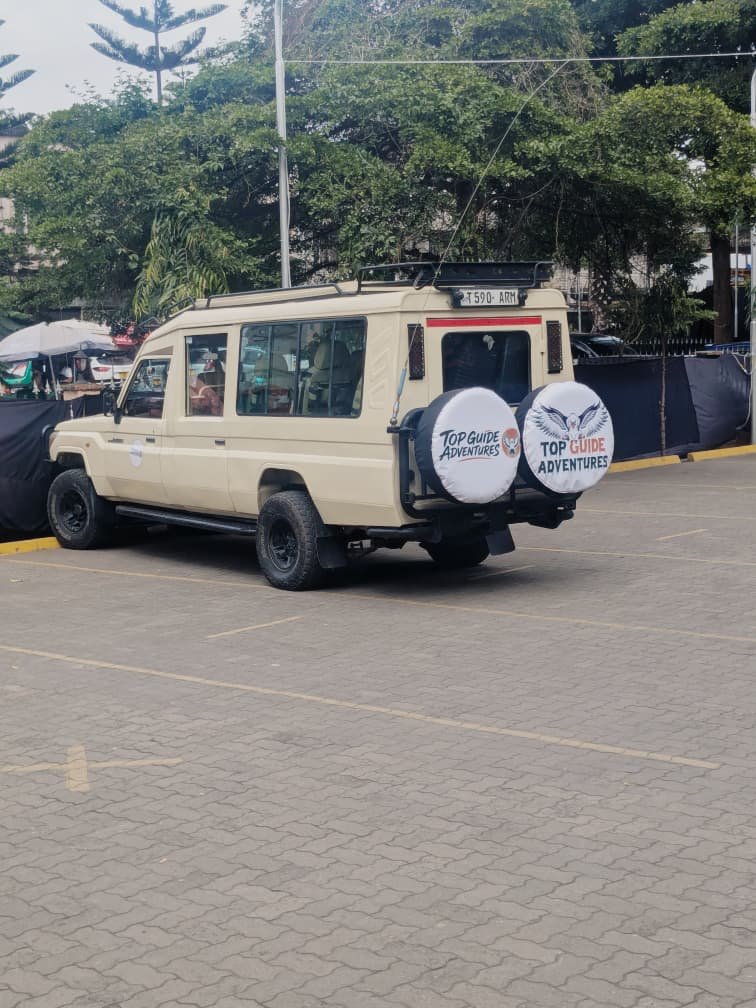

Climbing Mount Kilimanjaro is a dream for many, and understanding the specifics of Kupanda Kilimanjaro Tanzania Bei, Routes na Safari Packages is the first step to making it a reality. This guide breaks down everything you need to know to plan your expedition, from selecting the most suitable route to budgeting for your adventure and combining it with an unforgettable Tanzanian safari.
Kilimanjaro Routes Overview: Choosing Your Path
Selecting the right route for your Kupanda Kilimanjaro Tanzania is perhaps the most critical decision you’ll make. Each route offers a different experience in terms of scenery, difficulty, acclimatization profile, and cost. Generally, longer routes with better acclimatization profiles have higher success rates. For 2026-2027 climbs, consider these popular options:
Marangu Route: The “Coca-Cola” Route
Known as the “Coca-Cola” route due to its relative ease and established infrastructure, Marangu is the oldest and most popular route. It’s the only route where climbers sleep in dormitory-style huts rather than tents. It’s also one of the shorter routes, typically taking 5-6 days. While accessible, its rapid ascent profile means lower acclimatization and thus lower success rates compared to longer routes.
Mweka Route
The Mweka Route is primarily a descent route used by climbers who have summited via other paths. It is not recommended as an ascent route due to its steepness and poor acclimatization. Its purpose is to provide a safe and relatively quick way down.
Machame Route: The “Whiskey” Route
Often called the “Whiskey” route, Machame is one of the most scenic and popular routes. It offers excellent acclimatization, as it involves a “climb high, sleep low” strategy, significantly increasing success rates. It typically takes 6-7 days. The scenery is diverse, from rainforest to moorland and arctic zones. Many consider this a top choice for a balanced climbing experience.
Shira Route
The Shira Route starts at a higher altitude than most other routes, offering stunning initial views but requiring immediate acclimatization. It converges with the Lemosho route and is known for its challenging terrain and beautiful, wild landscapes. It’s generally a 7-day trek, but its high starting point can be demanding.
Lemosho Route: A Popular Choice
The Lemosho Route is renowned for its impressive scenery and excellent acclimatization profile, making it one of the most successful routes. It’s a longer trek, typically 7-8 days, allowing for a slower, more comfortable ascent and better adaptation to the altitude. It starts in the west and crosses the Shira plateau, offering diverse ecosystems and remote wilderness feel before joining the Machame route.
Rongai Route: From the North
The Rongai Route approaches Kilimanjaro from the north, near the Kenyan border. It is a good option during the rainy season as the northern side receives less rainfall. It’s a less crowded route than Marangu or Machame and offers a different perspective. It typically takes 6-7 days and has a good acclimatization profile.
Northern Circuit Route
The Northern Circuit is the longest route on Kilimanjaro, typically taking 9 days. This extended duration provides the best acclimatization, leading to the highest success rates. It circles the mountain, offering panoramic views and a true wilderness experience, avoiding crowds for much of the climb.
Umbwe Route: The Challenging Path
The Umbwe Route is the shortest and steepest route, making it the most challenging. It offers the quickest ascent to the summit but has a very poor acclimatization profile and therefore the lowest success rates. It is only recommended for very experienced and fit hikers who are already well-acclimatized.
Kilimanjaro Trekking Cost and Inclusions (2026-2027)
The bei (price) for climbing Kilimanjaro can vary significantly depending on the route chosen, the duration of the trek, the operator, and the inclusions. For 2026-2027 expeditions, expect prices to range from approximately $1,500 to $3,500+ per person for standard packages. It’s crucial to understand what is included to compare offers accurately.
What is Typically Included?
- Park entry fees (Kilimanjaro National Park fees)
- Camping fees or hut fees (depending on the route)
- Rescue fees
- Salaries and transport for guides, cooks, and porters
- All meals during the trek (breakfast, lunch, dinner)
- Boiled water for drinking
- Tents for camping routes (usually 3-person tents for 2 people)
- Sleeping mats
- All transfers from Moshi/Arusha to the trailhead and back
- Government taxes (VAT)
- For Top Guide Adventures: Licensed guides, daily health checks, pulse oximeter, emergency oxygen cylinder.
What is Typically Excluded?
- Flights to and from Kilimanjaro International Airport (JRO)
- Visa fees
- Travel insurance (mandatory for all climbers)
- Personal climbing gear (boots, warm clothing, sleeping bag, etc.)
- Tips for guides, cooks, and porters (a significant part of the crew’s income)
- Lunches and dinners in town before and after the trek
- Personal expenses (souvenirs, drinks, laundry)
- Optional summit climb insurance (e.g., for helicopter evacuation if not covered by standard insurance)
- Portable toilet rental (often an optional extra)
Factors Affecting Cost
- Route Duration: Longer routes are generally more expensive due to more days of park fees, food, and crew wages.
- Operator Type: Local operators like Top Guide Adventures often provide better value and direct support compared to international agents who may add markups.
- Group Size: While group joining can reduce per-person costs, private climbs offer more flexibility.
- Inclusions: Some operators might offer more comprehensive inclusions (like sleeping bags, walking poles) which can increase the upfront cost but save on rentals or purchases.
- Season: Peak seasons (January-March, June-October) might have slightly higher demand, though prices are generally stable.
Kilimanjaro Safari Packages: Combining Adventure
Many travelers choose to combine their Kupanda Kilimanjaro Tanzania experience with a safari to explore the incredible wildlife and landscapes of Tanzania. These Safari Packages offer a perfect blend of mountain adventure and wildlife viewing.
Why Combine a Climb with a Safari?
Tanzania is home to some of the world’s most iconic national parks, including the Serengeti, Ngorongoro Crater, and Tarangire. Combining a Kilimanjaro climb with a safari allows you to:
- Experience the full spectrum of Tanzania’s natural wonders.
- Witness the Great Migration (depending on the season).
- See the Big Five in their natural habitat.
- Relax and recover after your trek in comfortable safari lodges or tented camps.
- Maximize your time in East Africa with efficient logistics handled by your tour operator.
Popular Safari Destinations After Kilimanjaro
After descending Kilimanjaro, most climbers head to:
- Serengeti National Park: Famous for its vast plains and abundant wildlife, especially during the Great Migration.
- Ngorongoro Conservation Area: Home to the Ngorongoro Crater, a UNESCO World Heritage Site with a high concentration of wildlife.
- Tarangire National Park: Known for its large elephant herds and baobab trees.
- Lake Manyara National Park: Famous for its tree-climbing lions and vibrant birdlife.
These parks are easily accessible from Moshi or Arusha, making them ideal for post-climb itineraries. You can find more details on Northern Tanzania Safaris from Kilimanjaro Airport and safaris starting from Moshi.
Example Kilimanjaro & Safari Itinerary
A typical combined itinerary might look like this for 2026-2027:
- Day 1-7: Kilimanjaro Climb (e.g., Machame Route, 7 days)
- Day 8: Rest and recovery in Moshi/Arusha
- Day 9: Transfer to Tarangire National Park, afternoon game drive
- Day 10: Full day game drive in Tarangire
- Day 11: Transfer to Ngorongoro Conservation Area, descent into the crater for game drive
- Day 12: Transfer to Serengeti National Park, afternoon game drive
- Day 13-14: Full days exploring the Serengeti
- Day 15: Morning game drive in Serengeti, fly from Seronera airstrip to Arusha or Kilimanjaro Airport.
This is just an example; itineraries can be customized. For more options, explore Tanzania Safari, Zanzibar & Kilimanjaro Packages.
Planning Your Kilimanjaro Trek: Key Considerations
Successful Kupanda Kilimanjaro Tanzania requires thorough preparation. Beyond choosing a route and understanding costs, focus on these critical elements.
Acclimatization is Crucial
Altitude sickness (Acute Mountain Sickness – AMS) is the primary reason climbers fail to reach the summit. The best way to prevent it is by choosing a longer route (7-9 days) that allows for gradual ascent and proper acclimatization. Drinking plenty of water and avoiding alcohol and strenuous activity upon arrival are also vital. Your guides will monitor you daily.
Physical and Mental Preparation
While Kilimanjaro is not technically difficult, it demands significant physical endurance. Focus on cardiovascular fitness through hiking, running, or cycling in the months leading up to your climb. Practice hiking with a weighted backpack. Mentally, prepare for challenging conditions, long hiking days, and cold temperatures. The “pole pole” (slowly, slowly) mantra is key.
Best Time to Climb Kilimanjaro
The best times to climb Kilimanjaro are during the dry seasons:
- January to March: Generally clear skies, but can be very cold.
- June to October: Another dry season, often considered the most popular time, with moderate temperatures.
The shoulder seasons (April-May, November-December) can be wetter and more unpredictable, though they might offer fewer crowds and potentially lower prices. For 2026-2027, these periods remain the primary considerations for optimal climbing conditions.
Gear and Equipment List
Proper gear is essential for comfort and safety. Key items include:
- Layered clothing: Thermal base layers, fleece mid-layers, and a waterproof/windproof outer shell.
- Sturdy hiking boots: Broken-in and waterproof.
- Warm sleeping bag: Rated to at least -10°C (0°F).
- Headlamp with extra batteries.
- Sun protection: Sunscreen, sunglasses, hat.
- Water bottles or hydration system.
- Trekking poles: Highly recommended for descents.
- Duffel bag: For porters to carry (typically 15kg limit).
- Daypack: For your personal items during the hike.
Top Guide Adventures can provide a detailed packing list upon booking.
Safety and Support on Kilimanjaro
Your safety is paramount when undertaking Kupanda Kilimanjaro Tanzania. Reputable operators prioritize comprehensive safety protocols.
The Role of Licensed Guides and Crew
Your climbing crew consists of licensed guides, cooks, and porters. The guides are trained in first aid, high-altitude medicine, and mountain rescue. They will monitor your health daily, assess your acclimatization, and make critical decisions regarding your ascent. Porters are essential for carrying equipment, food, and tents, ensuring you can focus on climbing.
Emergency Procedures and Equipment
Top Guide Adventures equips its teams with essential safety gear:
- Pulse oximeter: To measure blood oxygen saturation, a key indicator of acclimatization.
- Emergency oxygen cylinders: For immediate treatment of severe altitude sickness.
- Comprehensive first-aid kits.
- Communication devices: To contact base operations or emergency services.
In case of a medical emergency, the crew is trained to manage the situation, which may include descent, administering oxygen, or initiating evacuation procedures. Comprehensive travel insurance that covers high-altitude trekking and emergency medical evacuation is mandatory.
Booking Your Kilimanjaro Adventure with Top Guide Adventures
Choosing the right tour operator is crucial for a safe and enjoyable Kupanda Kilimanjaro Tanzania experience, especially when considering Safari Packages for 2026-2027.
How to Get a Quote and Book
To get a personalized quote for your Kilimanjaro climb or a combined safari package, you can contact Top Guide Adventures directly. Provide details such as:
- Your preferred climbing route and duration.
- Your desired travel dates for 2026 or 2027.
- The number of people in your group.
- Whether you are interested in a private or group joining tour.
- Any specific interests for a safari component.
You can reach them via WhatsApp at +255 616 946 642 or email at topguideadventures@gmail.com.
Why Choose Top Guide Adventures for 2026-2027?
Top Guide Adventures is a leading local operator based in Moshi, the gateway to Kilimanjaro. They offer:
- Local Expertise: Deep knowledge of Kilimanjaro and Tanzanian safaris.
- Experienced & Licensed Guides: Professional crew committed to your safety and success.
- Comprehensive Safety Measures: Including pulse oximeters and emergency oxygen.
- Tailored Itineraries: Customizable climbing and safari packages.
- Competitive Pricing: Offering excellent value for high-quality services.
- Responsive Support: From initial inquiry through to your departure.
<p
Check Availability for Kupanda Kilimanjaro Tanzania Bei Routes Na Safari Packages 2026-2027
Ready to compare dates, prices, and the best option for your group? Send the package name and travel month so the team can reply with a clear quote, availability, and what is included.

Tanzania Safari Tours With Kilimanjaro Airport Pickup Included 2026-2027
Seamlessly begin your Tanzanian adventure with a safari package that includes pickup directly from Kilimanjaro International Airport (JRO). This guide details what to expect, popular...
View package details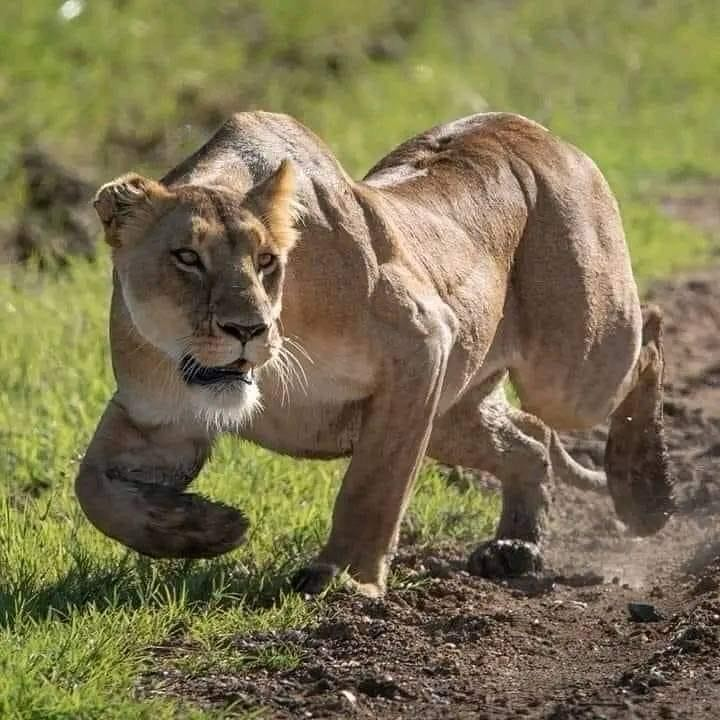
Can I Start A Safari Immediately After Landing At Kilimanjaro Airport?
Can I Start a Safari Immediately After Landing at Kilimanjaro Airport? is explained with current 2026-2027 planning, price, itinerary and booking information.
View package details
Lake Jipe Fishing Experience: Bird Watching & Kilimanjaro Region Day Trip
Discover the serene beauty of Lake Jipe with a unique day trip focused on fishing, bird watching, and the impressive Kilimanjaro Region landscape. This experience offers a peaceful escape...
View package details
Great Serengeti Migration Safaris In Tanzania: Best Routes, Seasons &
Discover the magic of the Great Serengeti Migration with Top Guide Adventures. This guide covers the best routes, optimal seasons for wildlife viewing, and essential planning tips for your...
View package details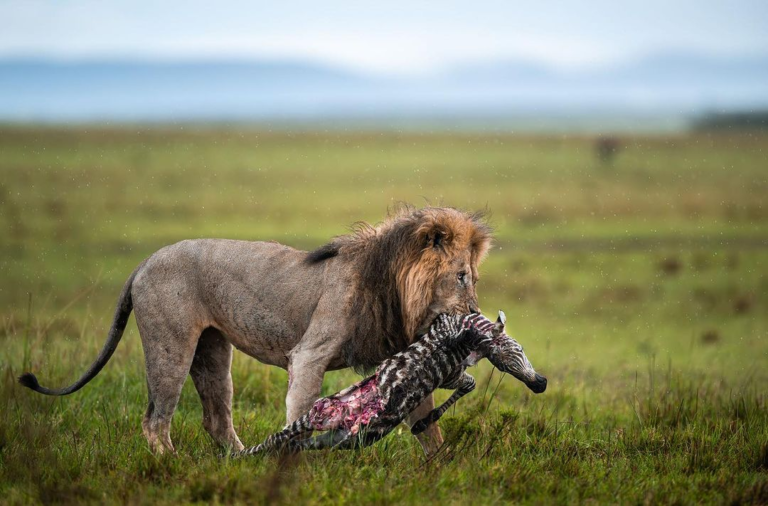
Tanzania Safari Packages Ending With A Flight To Zanzibar: Your Ultimate Guide
Discover the perfect blend of thrilling wildlife encounters and idyllic island life with a Tanzania safari package that concludes with a flight to Zanzibar. This guide covers essential...
View package details
What Is The Total Cost Of A Tanzania Safari Without Hidden Fees? 2026-2027
What Is the Total Cost of a Tanzania Safari Without Hidden Fees? is explained with current 2026-2027 planning, price, itinerary and booking information.
View package details
Tanzania Safari Tours With All Park Fees Included In The Price 2026-2027
Tanzania Safari Tours with All Park Fees Included in the Price is explained with current 2026-2027 planning, price, itinerary and booking information.
View package details
Can I Book A Tanzania Safari Without Paying The Full Amount Upfront? Your
Planning a dream Tanzania safari for 2026-2027 but wondering about upfront payments? This guide explains how flexible payment options work with reputable tour operators, allowing you to...
View package details
Tanzania Safari Packages With Payment On Arrival Options: Your Guide 2026-2027
Explore Tanzania safari packages offering convenient payment on arrival options for your 2026-2027 adventure. This guide clarifies the process, benefits, and what to consider when booking...
View package detailsAfrica Tours & Travel, All Safari Booking In Tanzania 2026-2027
Africa Tours & Travel, All Safari Booking in Tanzania is explained with current 2026-2027 planning, price, itinerary and booking information.
View package details
2 Day Tanzania Safari – Tarangire, Ngorongoro And Short Packages 2026-2027
2 Day Tanzania Safari – Tarangire, Ngorongoro and Short Safari Packages is explained with current 2026-2027 planning, price, itinerary and booking.
View package details
Serengeti Safari From Mwanza: Best Route For Western Tanzania & 2026-2027
Discover the optimal routes for a Serengeti safari starting from Mwanza, focusing on the unique experiences offered by Western Tanzania and the Western Serengeti. This guide provides...
View package detailsNo closely related package is available yet for this topic.



