
Tanzania rock art tours offer a unique journey into the country’s deep past, focusing on archaeological sites and vibrant cultural heritage, with the prime destination being the UNESCO World Heritage site of Kondoa. These tours are designed for travelers seeking to understand ancient human history through prehistoric paintings, rock shelters, and the traditions of local communities, providing a profound connection to Tanzania’s heritage, especially for planned trips in 2026-2027. The main decision for travelers involves choosing the duration and specific sites that best match their interests, from short cultural immersions to more extensive archaeological explorations.

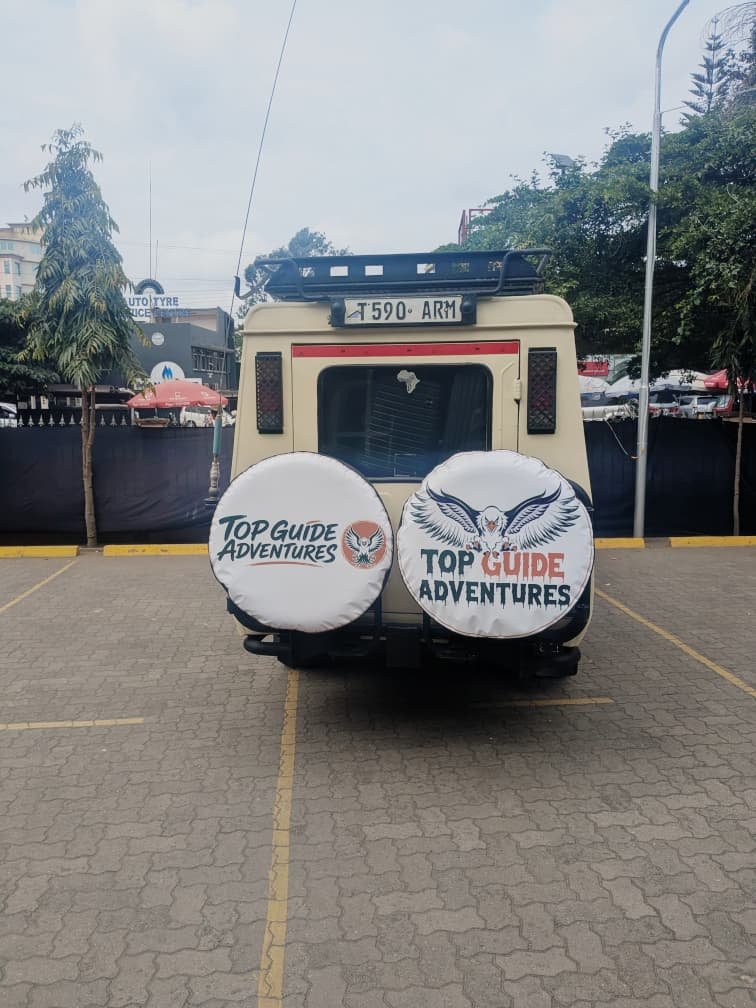
Table of Contents
- Why Tanzania’s Rock Art is a Must-See
- The Crown Jewel: Kondoa Rock Art Sites
- Beyond Kondoa: Exploring Other Archaeological Gems
- Integrating Cultural Heritage and Local Life
- Planning Your Tanzania Rock Art Tour for 2026-2027
- Key Booking Considerations
Why Tanzania’s Rock Art is a Must-See
Tanzania’s landscapes are not only famous for their wildlife safaris and majestic mountains but also for their hidden archaeological treasures. Rock art sites, particularly the extensive collection at Kondoa, represent one of Africa’s most significant concentrations of prehistoric rock paintings. These artworks, some dating back over 50,000 years, offer an unparalleled glimpse into the lives, beliefs, and environments of early human societies. They tell stories of hunter-gatherers, pastoralists, and the evolution of human culture on the continent.
Visiting these sites is more than just sightseeing; it’s an archaeological expedition that connects you directly with our ancient ancestors. The visual narratives painted on rock surfaces provide insights into social structures, rituals, and the natural world as perceived by people millennia ago. For those interested in history, anthropology, or simply a deeper understanding of human origins, Tanzania’s rock art is an essential discovery.
The Crown Jewel: Kondoa Rock Art Sites
The Kondoa Rock Art Sites, a UNESCO World Heritage site, stand as the undisputed highlight for any Tanzania rock art tour. Located in the Kondoa District of the Dodoma Region, this area boasts over 150 rock art shelters containing thousands of paintings. The art here is remarkably diverse, spanning different periods and styles, reflecting the changing cultures and environments over thousands of years.
The paintings are broadly categorized into two main styles: the older, often abstract and geometric designs attributed to hunter-gatherer communities (sometimes referred to as the “Red” or “Ancient” style), and the more representational, figurative art depicting human and animal figures, thought to be created by later agricultural and pastoralist groups (the “Black” or “Later” style). The latter style is particularly famous for its vivid depictions of daily life, ceremonies, and interactions between people and animals.
Exploring Kondoa requires a well-planned itinerary. Tours typically involve visiting several key sites, each with its unique artistic and historical significance. Popular locations include:
- Kolo Rock Shelters: Among the most accessible and well-preserved sites, offering a comprehensive introduction to the different painting styles.
- Pahi Rock Shelters: Known for its dynamic depictions of animals and human activities.
- Msasa Rock Shelters: Features a variety of paintings, including rare depictions of ancient rituals.
A guided tour is essential here. Local guides, often from the communities living near the sites, possess invaluable knowledge about the art, its interpretations, and the cultural significance of the locations. They can point out details that might otherwise be missed and share local lore connected to the paintings.
The best way to experience Kondoa is through a dedicated tour. Options range from 3-day Kondoa Rock Art Sites Cultural Tours to more comprehensive 5-day Kondoa Rock Art Archaeology and Heritage Tours, and even extended 7-day Kondoa Rock Art Heritage and Central Tanzania Tours. These itineraries allow for in-depth exploration and a deeper appreciation of this ancient heritage, perfect for your 2026-2027 travel plans.
Beyond Kondoa: Exploring Other Archaeological Gems
While Kondoa is the most prominent, Tanzania’s archaeological landscape extends to other fascinating sites that can be incorporated into specialized tours. These locations offer different perspectives on the country’s ancient past, sometimes focusing on palaeontology, early human settlements, or different forms of rock art.
Isimila and Igeleke Rock Art: Located in the Iringa region, these sites offer a different context for rock art. The Isimila and Igeleke Rock Art Heritage Tour provides insights into the region’s prehistoric past. Isimila is particularly known for its stunning geological formations, including impressive pillars and canyons, which add a dramatic backdrop to the archaeological discoveries. The rock art here complements the narrative of human presence and adaptation in diverse Tanzanian environments.
Central Tanzania Archaeology: Broader tours like the Central Tanzania Archaeology and Rock Art Safari or the Central Tanzania History, Archaeology & Cultural Tour can link Kondoa with other significant historical and archaeological points of interest in the central part of the country. These tours often weave in visits to ancient trade routes, historical settlements, and other cultural landmarks, offering a holistic view of Tanzania’s rich historical mix.
When considering these sites, it’s important to note that accessibility and infrastructure can vary. Some sites may require more rugged travel or longer trekking periods. Planning with an experienced operator is key to navigating these logistical challenges and ensuring a rewarding experience.
Integrating Cultural Heritage and Local Life
Rock art tours are intrinsically linked to cultural heritage. The paintings are not just relics of the past but are often tied to the traditions, beliefs, and livelihoods of the communities that inhabit the regions surrounding these sites. Integrating cultural immersion into your itinerary enhances the understanding and appreciation of Tanzania’s living heritage.
Local Communities and Guides: Engaging with local communities is a cornerstone of authentic cultural tourism. Many rock art sites are managed or accessed through local villages. Hiring local guides not only supports the community economically but also provides invaluable insights from people whose families may have lived in the area for generations. They can share oral histories, explain the significance of certain symbols, and offer a personal perspective on the cultural landscape.
Interacting with Traditional Groups: Beyond the rock art itself, Tanzania is home to indigenous groups like the Hadzabe and the Datoga, who maintain traditional lifestyles. While not directly related to rock art, visiting these communities, such as through a Hadzabe Cultural Tour and Bush Experience near Lake Eyasi, offers a broader context of cultural continuity and adaptation in Tanzania. These experiences highlight how ancient traditions persist alongside modern life.
Cultural Tourism in Central Tanzania: The Cultural Tourism Tanzania initiatives, including those focusing on Maasai villages near Arusha or broader community tourism experiences, allow travelers to understand the diverse cultural fabric of the nation. These interactions can be seamlessly combined with archaeological explorations, offering a richer, more rounded understanding of Tanzania’s heritage.
When planning for 2026-2027, consider how much cultural interaction you desire. Some tours focus purely on archaeology, while others weave in village visits, traditional craft demonstrations, and opportunities to learn about local customs. The choice depends on your personal travel style and what you hope to gain from the experience.
Planning Your Tanzania Rock Art Tour for 2026-2027
Embarking on a Tanzania rock art tour requires careful planning to ensure you make the most of your adventure, especially when looking ahead to 2026-2027. The key elements to consider are the duration of your trip, the specific sites you wish to visit, the starting point, and the level of comfort and activity you prefer.
Duration and Itinerary:
- Short Trips (2-3 Days): Ideal for those with limited time or who want to focus solely on the Kondoa Rock Art Sites. A 4-day Kondoa Rock Art Sites History and Cultural Tour offers a good balance of exploration and cultural insight.
- Medium Trips (4-6 Days): Allows for a more in-depth exploration of Kondoa and potentially includes visits to nearby historical or cultural points of interest in the central region. The 6-day Kondoa Rock Art Sites Cultural Adventure provides ample time for discovery.
- Longer Trips (7+ Days): Enables comprehensive exploration of Kondoa, coupled with visits to other archaeological sites like Isimila, or extended cultural experiences in different regions of Tanzania. A 7-day Kondoa Rock Art Heritage and Central Tanzania Tour is an excellent example.
Starting Points:
- Arusha: The most common starting point for tours in northern and central Tanzania. Many travelers arrive in Arusha before heading south to Kondoa. Kondoa Rock Art Sites Tours from Arusha are readily available.
- Dodoma: Tanzania’s capital city offers a more direct gateway to Kondoa. Tours originating from Dodoma can be more efficient if your itinerary focuses primarily on the central region. Consider a Kondoa Rock Art Sites Tour from Dodoma.
Activity Level: Rock art sites often involve walking over uneven terrain, sometimes uphill, to reach the shelters. While not typically strenuous mountaineering, a moderate level of fitness is beneficial. Some tours might include more extensive hiking or exploration of remote areas.
Best Time to Visit: The dry seasons (June to October and December to February) are generally preferred for travel in Tanzania, as they offer more comfortable weather for exploring and easier road conditions. However, rock art sites can be visited year-round.
When planning for 2026-2027, booking in advance is highly recommended, especially for popular periods. This ensures availability of preferred accommodations and guides.
Key Booking Considerations
To ensure a smooth and enriching Tanzania rock art tour, paying attention to several booking details is crucial. Working with an experienced local operator like TOP GUIDE ADVENTURES can make a significant difference in the quality and authenticity of your experience.
What to Expect in a Tour Package:
- Accommodation: This can range from comfortable lodges and guesthouses in towns like Kondoa to more basic, yet clean, accommodations in rural areas. Some tours might include camping for a more in-depth experience.
- Transportation: Typically, a 4×4 safari vehicle is used for comfortable travel between sites, especially on unpaved roads. The vehicle should be well-maintained and driven by an experienced driver-guide.
- Guides: As mentioned, local guides at the rock art sites are essential. Your tour operator should arrange for these knowledgeable individuals. The main tour guide will also be crucial for logistics and broader historical context.
- Meals: Most comprehensive tours include meals, often prepared by your safari cook or at the lodges.
- Park Fees/Site Entrance Fees: These are usually included in the tour package, but it’s always wise to confirm.
Choosing the Right Operator:
When selecting a tour operator for your 2026-2027 rock art adventure, look for companies with a proven track record in cultural and historical tours. TOP GUIDE ADVENTURES, based in Moshi/Arusha, specializes in crafting unique Tanzanian experiences. They offer expert local coordination from arrival, ensuring all logistical aspects are handled seamlessly. Their knowledge of the Kondoa region and surrounding archaeological sites is extensive, allowing them to tailor itineraries that meet specific traveler interests.
Crucial Questions to Ask Before Booking:
- What is the exact itinerary, and how much time is spent at each key rock art site?
- Are local guides included at all archaeological sites?
- What is the accommodation standard, and are there any options for upgrades or changes?
- What is included and excluded in the price (e.g., park fees, meals, drinks, tips)?
- What is the cancellation and refund policy?
By carefully considering these points and partnering with a reputable operator, you can ensure your Tanzania rock art tour is an unforgettable exploration of ancient heritage and cultural discovery. To discuss your personalized itinerary for 2026-2027, including specific archaeological sites and cultural experiences, please reach out to TOP GUIDE ADVENTURES. You can contact them via WhatsApp at +255 616 946 642 or email them at topguideadventures@gmail.com.
Check Availability for Tanzania Rock Art Tours: Archaeology And Cultural Heritage Adventures
Ready to compare dates, prices, and the best option for your group? Send the package name and travel month so the team can reply with a clear quote, availability, and what is included.
Freemason Documentary: Exploring Historic Masonic Buildings And Cultural
This article explores the intersection of Freemasonry, historical architecture, and cultural heritage, focusing on how documentaries illuminate the significance of Masonic buildings and...
View package details
Cultural Tours Tanzania: Maasai, Hadzabe, Datoga, Chagga & Village Experiences
start an unforgettable cultural journey through Tanzania, connecting with the Maasai, Hadzabe, Datoga, and Chagga peoples, alongside authentic local village experiences. This guide provides...
View package detailsTop 20 Richest Musicians In Africa – African Music, Cultural Festivals And
This article delves into the financial landscape of Africa's music industry by identifying and examining the net worth of the top 20 richest musicians on the continent. It explores the...
View package detailsExploring History, Culture, And Heritage: A Deeper Understanding 2026-2027
This guide delves into the multifaceted world of history, culture, and heritage experiences, exploring their importance, how they are preserved, and how individuals can engage with them...
View package detailsBest New Artists To Discover At Music Festivals, Cultural Events, And Through
Explore the dynamic landscape of emerging music by uncovering new artists through the vibrant energy of global music festivals, enriching cultural events, and in-depth travel experiences...
View package detailsGhana Itinerary – Cultural Tours, Wildlife, Beaches And Historical
This guide offers a detailed exploration of Ghana, outlining a comprehensive itinerary that balances vibrant cultural experiences, opportunities for wildlife observation, significant...
View package details20 Fashion, Beauty, And Lifestyle Experiences: Markets, Shopping
Discover a curated selection of 20 distinct experiences that blend fashion, beauty, and lifestyle across global markets, shopping cities, and cultural encounters. This guide highlights...
View package detailsTop 10 Documentaries On Youtube – Travel, Wildlife, Nature And Cultural
Top 10 Documentaries on YouTube – Travel, Wildlife, Nature and Cultural Documentaries is explained with current 2026-2027 planning, price, itinerary and.
View package details20 Fashion, Beauty, And Lifestyle Experiences: Markets, Shopping Cities
Discover a curated selection of 20 fashion, beauty, and lifestyle experiences, blending the allure of global markets, sophisticated shopping cities, and enriching cultural travel.
View package detailsTop 10 Most Handsome Men Worldwide: A Cultural And Entertainment Perspective
This article delves into the concept of 'handsome' men worldwide, examining its subjective nature through the lenses of culture, fashion, and the entertainment industry. It highlights how...
View package detailsThe Most Powerful Kings And Queens Of All Time: Royal Palaces, Historic
This article examines the most powerful kings and queens throughout history, detailing their monumental royal palaces, historically significant sites, and the enduring cultural legacies...
View package detailsTop Archaeological Discoveries That Changed History – Ancient Sites And
This article delves into significant archaeological discoveries that have fundamentally altered our perception of human history, exploring the ancient sites and cultural destinations...
View package detailsNo closely related package is available yet for this topic.



