
Preventing and managing Kilimanjaro altitude sickness is paramount for a successful summit, achieved primarily through gradual acclimatization, understanding its symptoms, and adhering to safe climbing practices. For your 2026-2027 trek, prioritize routes that allow for slower ascent, hydrate consistently, and communicate any discomfort immediately to your guides; this approach significantly minimizes risks and maximizes your chances of reaching Uhuru Peak safely.
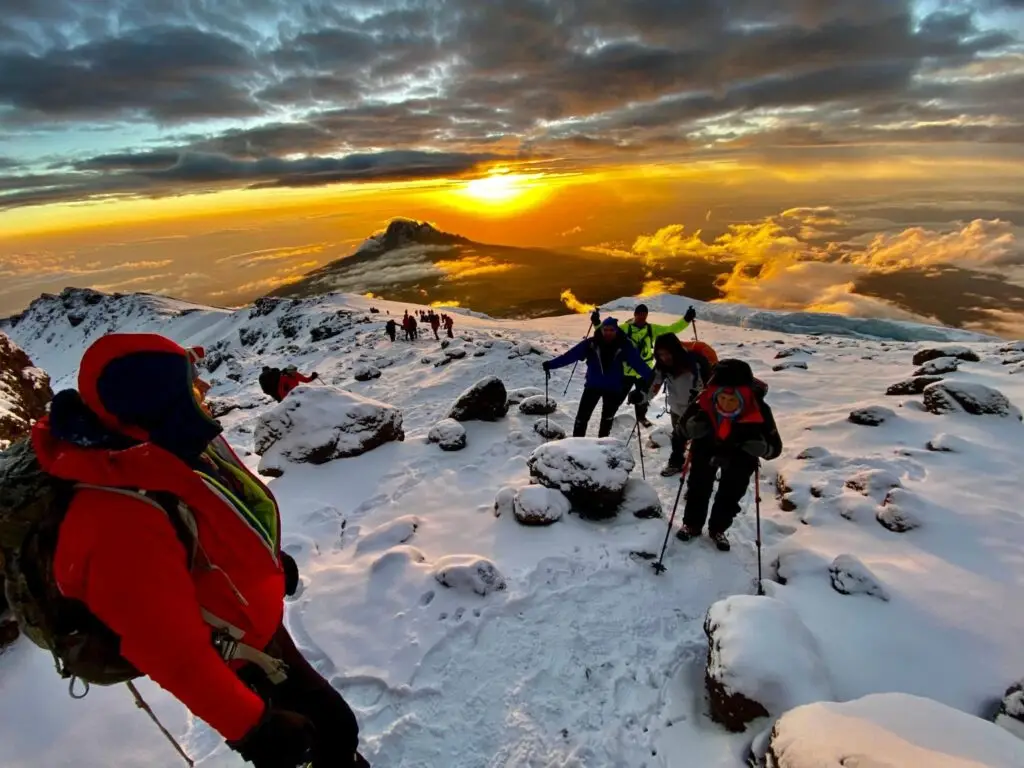
Reaching the roof of Africa, Mount Kilimanjaro, is an unforgettable experience, but it comes with a significant challenge: altitude sickness. As you ascend, the air pressure drops, meaning less oxygen is available for your body to absorb. Understanding how to acclimatize, recognizing the signs of altitude sickness, and knowing what to do are critical for your safety and enjoyment, especially when planning your climb for the 2026-2027 seasons.
Understanding Altitude Sickness on Kilimanjaro
Altitude sickness, also known as Acute Mountain Sickness (AMS), can affect anyone, regardless of fitness level or age. It occurs when you ascend too quickly to a higher altitude, and your body doesn’t have enough time to adjust to the lower oxygen levels. On Kilimanjaro, with its summit at 5,895 meters (19,341 feet), this is a very real concern. The most effective way to combat it is by choosing a climb that prioritizes a slow, steady ascent, allowing your body to acclimatize naturally. This is why Top Guide Adventures strongly recommends longer itineraries for your 2026-2027 expeditions, as they inherently build in better acclimatization days.
The primary goal is to allow your body to produce more red blood cells, which carry oxygen. This process takes time, and rushing the ascent disrupts it, leading to symptoms. The severity of AMS can range from mild headaches and nausea to life-threatening conditions like High Altitude Cerebral Edema (HACE) and High Altitude Pulmonary Edema (HAPE).
Key Acclimatization Strategies for a Safe Climb
Acclimatization is the cornerstone of safe high-altitude trekking. It’s not just about the duration of your trek, but also how you spend your days on the mountain. Here are the most effective strategies:
- Climb High, Sleep Low: This is the golden rule of acclimatization. Ideally, your itinerary should include days where you ascend to a higher elevation during the day for activities or to sleep, and then descend to a lower camp to rest. While Kilimanjaro’s routes don’t always allow for significant daily descents, the principle applies to choosing longer routes that naturally involve more gradual ascents and descents between camps.
- Choose Longer Routes: Shorter routes like the Marangu (5-day option) or Machame (6-day option) have higher AMS rates because they rush the ascent. Longer routes, such as the 7-day Machame, 8-day Lemosho, or 9-day Northern Circuit, offer significantly better acclimatization profiles. For instance, the 8-day Lemosho route is a popular choice for 2026-2027 trekkers seeking a balance of scenery and safety. The 9-day Northern Circuit is often considered the best for acclimatization due to its circumnavigation of the mountain.
- Pace Yourself: Your guides will emphasize a slow, steady pace, often referred to as ‘pole pole’ (Swahili for ‘slowly, slowly’). Avoid overexertion, especially on the first few days. Take frequent short breaks. Listen to your body and don’t push yourself too hard.
- Hydration is Crucial: Drink plenty of fluids – at least 3-4 liters per day. Water, herbal teas, and clear broths are excellent. Avoid alcohol and caffeine, as they can dehydrate you and interfere with acclimatization. Your Top Guide Adventures crew will ensure you have access to boiled or purified water throughout your trek.
- Eat Well: Maintain a good intake of carbohydrates, which are easier for your body to digest at altitude. Even if you don’t feel hungry, try to eat small, frequent meals.
- Avoid Alcohol and Smoking: Both can impair acclimatization and increase the risk of altitude sickness.
- Ascend Gradually: This is primarily determined by your chosen route and itinerary length. Longer itineraries inherently provide better acclimatization.
When planning your 2026-2027 climb, discuss these acclimatization strategies thoroughly with your tour operator. Top Guide Adventures prioritizes safety by recommending itineraries of 7 days or longer for Kilimanjaro.
Recognizing the Symptoms of Altitude Sickness
Early recognition is key to managing AMS. Symptoms can appear within hours of arriving at altitude or develop over several days. They often mimic common ailments like colds or hangovers, leading to misdiagnosis if you’re not aware of the context.
Mild AMS Symptoms:
- Headache (the most common symptom)
- Nausea and vomiting
- Dizziness or lightheadedness
- Fatigue and weakness
- Loss of appetite
- Difficulty sleeping
- Shortness of breath during exertion
Severe AMS Symptoms (Require immediate attention and descent):
- High Altitude Cerebral Edema (HACE): Symptoms include severe headache, confusion, disorientation, loss of coordination (ataxia – difficulty walking in a straight line), drowsiness, and potentially coma.
- High Altitude Pulmonary Edema (HAPE): Symptoms include extreme shortness of breath even at rest, a persistent cough (which may produce frothy or pink sputum), chest tightness, rapid breathing, and gurgling sounds in the chest. HAPE can lead to respiratory failure.
Your Top Guide Adventures guides are trained to monitor trekkers for these symptoms daily. They conduct regular health checks using a pulse oximeter and are equipped with emergency oxygen. It’s vital that you are honest about how you are feeling; your guides’ primary concern is your well-being.
Safe Climbing Practices and Decision-Making
Beyond acclimatization, several practices contribute to a safe Kilimanjaro climb. These are decisions you make before and during your trek, often in consultation with your guide.
Your Guide’s Role in Safety
Licensed mountain guides are your first line of defense against altitude sickness and other mountain hazards. They are trained in wilderness first aid, AMS recognition, and evacuation procedures. They monitor your health, pace, and hydration daily. Never ignore or downplay symptoms you are experiencing to your guide. Honesty is crucial for their assessment and decision-making, which might include recommending rest, medication, or descent.
Daily Health Checks
As part of our commitment to safety for 2026-2027 climbs, Top Guide Adventures guides perform daily health checks. This typically involves:
- Asking about symptoms: Your guide will inquire about headaches, nausea, appetite, and general well-being.
- Monitoring vital signs: Using a pulse oximeter to measure your blood oxygen saturation and heart rate. This provides objective data about how your body is adapting to the altitude.
- Observing your condition: Your guide will also observe your general appearance, energy levels, and coordination.
These checks help identify potential problems early, allowing for timely intervention.
Emergency Preparedness
Top Guide Adventures carries essential safety equipment, including emergency oxygen and a pulse oximeter, on all Kilimanjaro treks. In the event of severe altitude sickness, oxygen can provide immediate relief and support a descent. While descent is the definitive treatment for AMS, oxygen can be a life-saving measure. Evacuation plans are in place, and guides know the best routes and communication methods for emergencies.
Decision to Descend
The most effective treatment for moderate to severe altitude sickness is immediate descent. Your guide will make this decision based on your symptoms, vital signs, and their professional judgment. It’s a difficult decision, as reaching the summit is a dream for many, but your safety is always the top priority. There is no shame in descending; it’s a sign of smart decision-making and respect for the mountain. You can always return for another attempt in a future season, perhaps 2027 after a successful 2026 reconnaissance.
Choosing the Right Kilimanjaro Route for Acclimatization
The route you choose significantly impacts your acclimatization potential and overall success rate. For 2026-2027, consider these options:
Recommended Routes for Better Acclimatization
- Lemosho Route (7 or 8 days): Offers excellent acclimatization, stunning scenery, and a good success rate. The 8-day version is particularly recommended for its gradual ascent. It starts on the western side of Kilimanjaro, offering remote wilderness before joining the Machame route.
- Northern Circuit (9 days): Widely considered the best route for acclimatization due to its length and the fact that it circumnavigates the mountain, allowing for a very gradual ascent and descent. It provides panoramic views and a less crowded experience.
- Machame Route (7 days): While also known as the ‘Whiskey Route’, the 7-day option provides a good balance of scenery and acclimatization. The 6-day option is shorter and thus carries a higher risk of AMS.
Routes to Approach with Caution (Regarding Acclimatization)
- Marangu Route (5 days): The shortest route, offering ‘hut accommodation’ but a rapid ascent profile. Its high AMS rates make it less ideal for those prioritizing acclimatization. The 6-day Marangu is better but still less optimal than longer routes.
- Machame Route (6 days): While popular, the 6-day itinerary is quite fast and may not provide sufficient acclimatization for many.
When booking your 2026-2027 trip, always consult with your operator about the acclimatization benefits of each route. Top Guide Adventures will help you select the route that best suits your needs and experience level, focusing on safety and success.
Preparation and What to Pack
While acclimatization is key, proper preparation and gear also play a role in managing altitude effects and ensuring comfort.
Pre-Trip Preparation
- Consult Your Doctor: Discuss your plans to climb Kilimanjaro and any potential altitude sickness medications (like Diamox/Acetazolamide) with your physician. They can advise on suitability and dosage.
- Physical Fitness: While not a substitute for acclimatization, good cardiovascular fitness is beneficial. Focus on endurance activities like hiking, running, or cycling in the months leading up to your climb.
- Mental Preparation: Understand that altitude sickness is a possibility. Be prepared for discomfort and know that descent is a valid and safe option.
Essential Gear Considerations
- Layering System: Crucial for regulating body temperature. Pack thermal base layers, fleece mid-layers, and a waterproof/windproof outer shell.
- Headwear: A warm hat for cold, and a sun hat or cap for sunny days.
- Gloves: Both liner gloves and warm, waterproof outer gloves.
- Footwear: Broken-in, waterproof hiking boots are essential. Bring comfortable camp shoes or sandals.
- Sun Protection: High SPF sunscreen, sunglasses, and lip balm are vital due to intense sun at altitude.
- Headlamp: With extra batteries, for summit night and camp use.
- Water Bottles/Hydration Pack: Insulated to prevent freezing.
- Personal First-Aid Kit: Including any prescribed medications and basic remedies for headaches or stomach upset.
Top Guide Adventures provides a detailed packing list to all clients booking their 2026-2027 Kilimanjaro adventures. We also provide high-quality tents, sleeping mats, and cooking equipment.
Medications and Medical Advice
While not a replacement for acclimatization, certain medications can help manage or prevent altitude sickness. It’s essential to consult with a medical professional before your trip.
Acetazolamide (Diamox)
This prescription medication is commonly used to aid acclimatization. It works by speeding up breathing, which helps your body adapt to higher altitudes more quickly. It’s typically taken a day or two before ascent and continued during the climb. Side effects can include increased urination, tingling in the extremities, and altered taste. Discuss the pros and cons with your doctor. It is not a cure for altitude sickness, and descent is still the primary treatment for severe symptoms.
Other Medications
- Pain Relievers: Ibuprofen or paracetamol can help manage mild headaches.
- Anti-nausea Medication: Prescribed by your doctor if you are prone to motion sickness or have concerns about nausea.
- Antibiotics: For potential respiratory infections, as advised by your doctor.
Always carry a personal medical kit with any necessary prescriptions. Top Guide Adventures’ guides are trained to administer basic first aid and recognize when professional medical attention is required.
Booking Your Kilimanjaro Adventure with Confidence
Planning your Kilimanjaro climb for 2026 or 2027 is an exciting prospect. By understanding altitude sickness and prioritizing safety, you can ensure a rewarding experience. Top Guide Adventures is dedicated to providing safe, well-managed expeditions. We offer expert guidance, carefully selected itineraries that prioritize acclimatization, and a highly experienced support crew.
When you’re ready to book or want to discuss your options further, reach out to us. We can help you choose the best route, understand package inclusions (like park fees, meals, guides, porters, and accommodation before/after the climb), and prepare you for the journey. Remember to compare package inclusions carefully; our guides on Kilimanjaro are licensed and experienced, and we provide essential safety equipment like emergency oxygen and pulse oximeters as standard. We can also combine your climb with a memorable Tanzania safari or a relaxing Zanzibar holiday, creating a complete East African adventure for 2026-2027.
Contact us today to start planning your dream Kilimanjaro climb:
- WhatsApp: +255 616 946 642
- Email: topguideadventures@gmail.com
Let Top Guide Adventures be your trusted partner in conquering Kilimanjaro safely and memorably.
Frequently Asked Questions About Kilimanjaro Altitude Sickness
Can I get altitude sickness even if I’m very fit?
Yes, absolutely. Fitness is about cardiovascular and muscular strength, which helps with the physical demands of climbing. Acclimatization, however, is about how your body adapts to lower oxygen levels, a process independent of physical fitness. Many very fit individuals still experience mild altitude sickness if they ascend too quickly.
What is the difference between mild and severe altitude sickness?
Mild altitude sickness typically involves symptoms like headache, nausea, dizziness, and fatigue. These are uncomfortable but usually manageable with rest and hydration, and often resolve with further acclimatization or a slight descent. Severe altitude sickness, such as HACE (cerebral edema) and HAPE (pulmonary edema), involves more dangerous symptoms like confusion, loss of coordination, severe breathlessness even at rest, and can be life-threatening if not treated immediately with descent and medical care.
How long does it take to acclimatize to Kilimanjaro’s altitude?
True acclimatization is a gradual process. For Kilimanjaro, itineraries of 7 days or longer are strongly recommended to allow your body sufficient time to adapt. This means ascending slowly, allowing for more rest days or slower daily ascents, and following the ‘climb high, sleep low’ principle as much as the route allows. A 5-day climb offers very little time for acclimatization, significantly increasing AMS risk.
What should I do if I start feeling symptoms of altitude sickness?
The most important step is to inform your guide immediately. Do not try to tough it out. Your guide will assess your symptoms and may recommend rest, hydration, pain relief, or, if symptoms are moderate to severe, immediate descent. Your safety is paramount, and your guide is trained to make these critical decisions.
Is it possible to prevent altitude sickness entirely?
While it’s impossible to guarantee complete prevention, the risk can be significantly minimized. The best prevention strategies are: choosing a longer, slower itinerary (7+ days for Kilimanjaro), ascending gradually, staying well-hydrated, avoiding alcohol and smoking, and possibly using altitude medication like Diamox (after consulting a doctor). Listening to your body and your guide is also crucial.
What is the success rate for Kilimanjaro climbs, and how does altitude sickness affect it?
Success rates vary greatly by route and duration. Shorter routes (like 5-day Marangu) often have success rates around 40-60%, largely due to altitude sickness. Longer routes (7-9 days) see success rates increase to 70-90% or higher because they allow for much better acclimatization. Top Guide Adventures aims to maximize your success through carefully planned, longer itineraries for 2026-2027 climbs.
Check Availability for Kilimanjaro Altitude Sickness Tips: Acclimatization, Symptoms, And Safe
Ready to compare dates, prices, and the best option for your group? Send the package name and travel month so the team can reply with a clear quote, availability, and what is included.

Lake Jipe Fishing Experience: Bird Watching & Kilimanjaro Region Day Trip
Discover the serene beauty of Lake Jipe with a unique day trip focused on fishing, bird watching, and the impressive Kilimanjaro Region landscape. This experience offers a peaceful escape...
View package details
Best Affordable Hotel In Arusha – Budget Accommodation Before Safari And
Best Affordable Hotel in Arusha – Budget Accommodation Before Safari and Kilimanjaro is explained with current 2026-2027 planning, price, itinerary and.
View package detailsSahara Desert Expedition Journeys: Camel Trekking, Camps, And Adventure Tours
Discover the allure of Sahara Desert expedition journeys, from the iconic camel trek to in-depth desert camp stays and the spirit of adventure that defines these unique experiences.
View package detailsMost Beautiful Mountains In The World: Premier Hiking And Trekking
This comprehensive guide explores the world's most stunning mountain ranges, focusing on their appeal for hikers and trekkers. It details iconic peaks, diverse terrains, and the unique...
View package details
Rubondo Island National Park Prices In Tanzania – Safari Fees, Chimpanzee
Understanding Rubondo Island National Park prices is key to planning your Tanzanian adventure. Costs vary based on accommodation, activities like chimpanzee trekking, and safari duration...
View package detailsNo closely related package is available yet for this topic.



