
Joining a Tanzania group safari with daily departures for the Serengeti, Ngorongoro, and Tarangire in 2026 and 2027 offers an excellent way to experience East Africa’s wildlife economically. These shared tours, often starting from Arusha, typically run on fixed schedules allowing for flexibility in your travel dates, maximizing wildlife viewing opportunities across these renowned parks. You can expect itineraries ranging from 3 to 7 days or longer, focusing on game drives, excellent accommodation, and expert guiding, all while sharing costs with fellow travelers.
Understanding Tanzania Group Joining Safaris for 2026/2027
A Tanzania group joining safari, also known as a shared safari or budget safari, is designed for travelers who wish to explore the country’s world-famous national parks without the expense of a private tour. The core principle is simple: multiple individuals or small groups who book the same itinerary on the same dates travel together. This significantly reduces the per-person cost, making the dream of a Tanzanian safari accessible to a wider range of budgets. For 2026 and 2027, this option remains one of the most popular ways to see the Northern Circuit’s highlights: the Serengeti, Ngorongoro Crater, and Tarangire National Park.
The appeal lies not just in the cost savings but also in the social aspect. Traveling with others can lead to shared experiences and camaraderie. More importantly, tour operators often run these daily Serengeti, Ngorongoro & Tarangire departures with a minimum number of participants, ensuring that tours don’t get cancelled last minute due to insufficient bookings. This reliability is crucial when planning far in advance for 2026 or 2027 trips.
Who is a Group Joining Safari Best Suited For?
This safari style is ideal for:
- Solo travelers: It’s an excellent way to travel safely and affordably without needing to find a travel companion.
- Budget-conscious travelers: Those looking to maximize their wildlife viewing experience without a high per-person cost.
- Couples or small groups on a tighter budget: Sharing the vehicle and guide costs makes the trip more manageable.
- Travelers with flexible dates: The availability of daily departures means you can often pick a date that works for you, rather than waiting for a specific private tour to fill.
- First-time safari-goers: It provides a well-structured and guided introduction to the Tanzanian wilderness.
It might be less suitable if you require complete privacy, have very specific photography needs that require stopping at a moment’s notice, or have a very rigid, complex itinerary that deviates significantly from standard routes. However, for the core experience of seeing the Big Five in their natural habitat, a group joining safari is hard to beat.
Key Destinations on a Group Joining Safari
The heart of most Tanzania group joining safari packages revolves around three iconic locations on the Northern Circuit. Understanding each park’s unique appeal is key to appreciating why these itineraries are so popular.
Serengeti National Park: The Endless Plains
The Serengeti is arguably the most famous wildlife reserve in the world. Its name, derived from the Maasai word ‘Siringet’, meaning ‘endless plains’, perfectly describes its vast, sweeping grasslands dotted with acacia trees and kopjes (rocky outcrops). It’s home to over 70 species of mammals and 500 species of birds.
What to Expect:
- The Great Migration: Witnessing millions of wildebeest, zebras, and gazelles migrate across the plains in search of fresh grazing is a spectacle unmatched anywhere on Earth. The timing of the migration varies annually, but it generally moves in a clockwise direction. For 2026/2027 group joining safaris, understanding the migration’s typical location is crucial for itinerary planning. From June to October, the herds are often found in the western and central Serengeti, sometimes crossing the Grumeti River. From December to March, they are typically in the southern Serengeti, a prime calving ground.
- Predator Action: The Serengeti is a predator’s paradise. Lions, cheetahs, leopards, hyenas, and wild dogs are frequently sighted, often in pursuit of the abundant prey.
- Diverse Habitats: Beyond the grasslands, the Serengeti includes woodlands, riverine forests, and rocky hills, supporting a wide array of wildlife, including elephants, giraffes, buffaloes, hippos, crocodiles, and numerous antelope species.
- Game Drives: Your group will spend significant time on game drives, exploring different regions of the park with your guide to find the best wildlife viewing opportunities.
Group Safari Considerations: In the Serengeti, vehicles are typically 4×4 Land Cruisers or Land Rovers designed for safari. You’ll share this vehicle with other members of your group. While guides strive to find the best sightings for everyone, you’ll be on a shared schedule. Most group tours will allocate at least two full days, often more, to the Serengeti.
Ngorongoro Conservation Area: The Eighth Wonder of the World
The Ngorongoro Crater is a UNESCO World Heritage Site and a geological marvel. It’s a massive, intact volcanic caldera, approximately 20 kilometers (12 miles) in diameter, with walls rising 600 meters (2,000 feet) from the crater floor. This unique ecosystem boasts an astonishing density of wildlife.
What to Expect:
- High Wildlife Concentration: The crater floor supports an estimated 30,000 animals, including a high concentration of predators. It’s one of the best places in Tanzania to see lions, hyenas, and jackals.
- The Big Five: You have an excellent chance of spotting all of the Big Five (lion, leopard, elephant, rhino, buffalo) in a single day on the crater floor. The black rhinoceros, in particular, is a star attraction here, with a healthy population thriving within the caldera.
- Unique Environment: The crater floor features diverse habitats including grasslands, swamps, forests, and a soda lake, attracting a wide variety of species.
- Crater Floor Game Drives: Access to the crater floor is strictly controlled. You’ll descend early in the morning for a game drive, typically for about 6-7 hours.
Group Safari Considerations: The limited time on the crater floor means efficient guiding is essential. Guides on group safaris are adept at maximizing sightings within the allocated time. Most Tanzania group joining safari itineraries include a full day dedicated to exploring the Ngorongoro Crater, often as a transit day between the Serengeti and Lake Manyara or Tarangire, or as a highlight in itself.
Tarangire National Park: Land of Giants
Often referred to as the ‘land of giants’, Tarangire is famous for its massive elephant herds, particularly during the dry season. The park’s landscape is characterized by baobab trees, acacia woodlands, and the Tarangire River, which provides a vital water source.
What to Expect:
- Elephant Herds: Tarangire is renowned for having the largest elephant populations in Northern Tanzania. During the dry season (roughly June to October), you can see herds of hundreds of elephants gathering near the river.
- Birdlife: With over 550 bird species recorded, Tarangire is a birdwatcher’s paradise.
- Predators: Lions, leopards, cheetahs, and wild dogs are present, and the park offers good viewing opportunities for these elusive animals.
- Scenic Landscapes: The iconic baobab trees and the rugged terrain create a visually striking backdrop for wildlife viewing.
Group Safari Considerations: Tarangire is often included at the beginning or end of a Northern Circuit safari. A full day is typically allocated here, allowing ample time for game drives. For 2026/2027 group joining safari bookings, Tarangire is a great introduction or conclusion to the safari experience, often visited before or after the Serengeti and Ngorongoro.
Typical Itinerary Structures for 2026/2027 Group Safaris
While tour operators offer variations, most daily Serengeti, Ngorongoro & Tarangire departures for 2026/2027 follow a logical circuit, usually starting and ending in Arusha, the gateway city for Northern Tanzania safaris.
The Classic 5-Day / 4-Night Safari
This is a popular entry-level package for group joining tours, offering a taste of the main highlights:
Day 1: Arusha to Tarangire National Park
Morning pickup from Arusha and drive to Tarangire. Full-day game drive. Overnight near Tarangire.
Day 2: Tarangire to Serengeti National Park
Morning game drive in Tarangire, then drive to the Serengeti, entering via the central corridor. Afternoon game drive en route to your lodge/campsite. Overnight in the Serengeti.
Day 3: Serengeti National Park
Full day exploring the Serengeti, searching for wildlife and potentially witnessing the Great Migration (depending on the season).
Day 4: Serengeti to Ngorongoro Conservation Area
Morning game drive in the Serengeti, then drive to the Ngorongoro Conservation Area. Overnight at a lodge/campsite on the crater rim or nearby.
Day 5: Ngorongoro Crater Tour and Departure to Arusha
Early morning descent into the Ngorongoro Crater for a game drive. After the crater tour, ascend and drive back to Arusha.
Extended 7-Day / 6-Night Safari
This itinerary allows for more in-depth exploration, often including Lake Manyara National Park and more time in the Serengeti.
Day 1: Arusha to Tarangire National Park
Pickup from Arusha, drive to Tarangire for a full-day game drive. Overnight near Tarangire.
Day 2: Tarangire to Lake Manyara National Park
Morning game drive in Tarangire, then drive to Lake Manyara for a game drive, known for its tree-climbing lions and diverse birdlife. Overnight near Lake Manyara.
Day 3: Lake Manyara to Serengeti National Park
Morning drive to the Serengeti, with a game drive en route. Afternoon game drive in the Serengeti. Overnight in the Serengeti.
Day 4: Serengeti National Park
Full day dedicated to exploring the vast Serengeti, focusing on wildlife sightings and the Great Migration.
Day 5: Serengeti National Park
Another full day in the Serengeti, perhaps exploring a different region or focusing on specific wildlife interests.
Day 6: Serengeti to Ngorongoro Conservation Area
Morning game drive in the Serengeti, then drive towards the Ngorongoro Conservation Area. Overnight on the crater rim or nearby.
Day 7: Ngorongoro Crater Tour and Departure to Arusha
Early morning game drive on the Ngorongoro Crater floor. Ascend and drive back to Arusha.
Important Notes on Itineraries:
- Flexibility: While these are typical structures, operators may adjust the order or duration based on the season (especially for the Great Migration) and client interests.
- Accommodation: Group joining safaris usually offer a choice between budget camping (tents), mid-range lodges, or luxury tented camps. The price will vary significantly based on this choice.
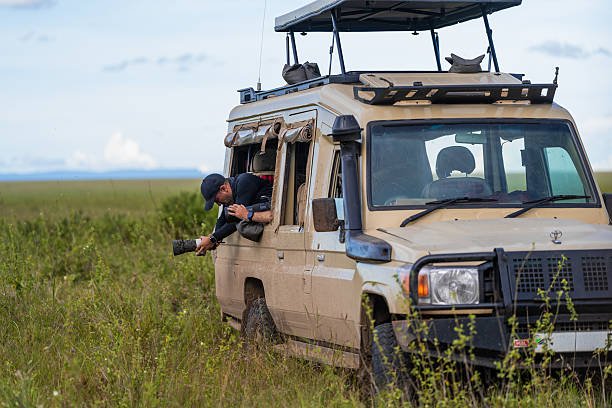
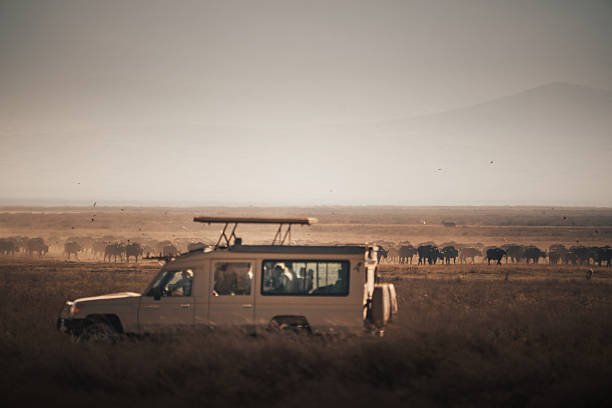
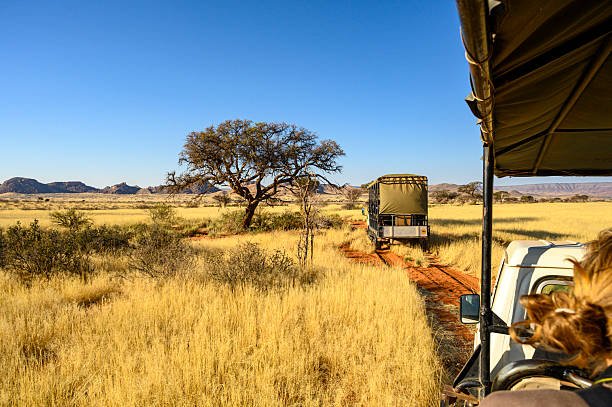
- Vehicle Type: Most group safaris use 4×4 Land Cruisers or Land Rovers, often with pop-up roofs for game viewing.
- Guide Ratio: The number of people per vehicle can vary, typically from 4 to 7 people per 4×4.
Planning Your 2026/2027 Group Safari: Key Considerations
Booking a Tanzania group joining safari for 2026 or 2027 requires careful planning to ensure a smooth and enjoyable experience. Here are the critical aspects to consider:
Choosing the Right Operator
With many operators offering group tours, selecting the right one is paramount. Look for:
- Local Expertise: Companies with a strong local presence in Tanzania, like Top Guide Adventures, often have better ground operations, more experienced guides, and a deeper understanding of the parks and wildlife.
- Reputation: Check reviews on platforms like TripAdvisor, but also look for consistent positive feedback regarding guides, vehicles, accommodation, and overall organization.
- Clear Inclusions/Exclusions: Ensure you understand precisely what is covered in the price. This typically includes park fees, accommodation, meals on safari, a vehicle, and a guide. Exclusions often involve tips, drinks, personal insurance, and flights.
- Communication: A responsive operator who answers your questions promptly and clearly is a good sign.
When to Travel in 2026/2027
The best time for a safari in Tanzania depends on your priorities:
- Dry Season (June to October): This is peak season. Skies are clear, and wildlife congregates around water sources, making sightings easier, especially for elephants in Tarangire. The Great Migration is often in the western and central Serengeti. This is also the most popular time for group joining safaris, so booking well in advance for 2026/2027 is advisable. Expect higher prices and more crowds.
- Wet Season (November to May): This is the green season. The landscape is lush, birdlife is abundant, and prices are generally lower. The southern Serengeti is ideal for witnessing the Great Migration’s calving season (January-March). However, some roads can become difficult to traverse, and afternoon showers are common.
For 2026/2027 planning: If witnessing the Great Migration is your absolute priority, research its expected location for your chosen month and year. If you prefer fewer crowds and lower costs, consider the shoulder months (May, November) or the green season.
Accommodation Choices
Your choice of accommodation will significantly impact the safari experience and cost:
- Budget Camping: You’ll sleep in pre-erected tents at designated campsites, often with shared ablution facilities. Meals are prepared by a camp cook. This is the most economical option for group joining safaris.
- Mid-Range Lodges/Tented Camps: These offer more comfort, typically with private bathrooms, comfortable beds, and often swimming pools. They are a good balance of comfort and value.
- Luxury Tented Camps/Lodges: These provide a high level of comfort and service, often with exquisite furnishings, gourmet meals, and prime locations. This is the most expensive option, even on a group tour.
When comparing prices for Tanzania group joining safari packages 2026/2027, always clarify which accommodation level is included. Most operators will offer tiered pricing based on these options.
Park Fees and What They Cover
Park fees are a substantial part of any Tanzanian safari cost. For 2026/2027, these fees are set by the Tanzania National Parks Authority (TANAPA) and the Ngorongoro Conservation Area Authority (NCAA) and are subject to change. They are typically charged per person per 24-hour period.
Typical Fees (Subject to change for 2026/2027):
- Serengeti National Park: Approximately $70-$80 per person per day.
- Ngorongoro Crater: Approximately $300 per vehicle for crater entry, plus $60-$70 per person conservation fee per day.
- Tarangire National Park: Approximately $50-$60 per person per day.
- Lake Manyara National Park: Approximately $50-$60 per person per day.
Important: These figures are estimates. Always confirm the exact park fees with your tour operator. Most group joining safari prices will include these fees, but it’s crucial to verify. Some operators might offer ‘park fee exclusive’ rates, which can be confusing.
Vehicle and Guide Quality
The quality of your safari vehicle and guide makes a massive difference. For Tanzania group joining safaris:
- Vehicle: Look for 4×4 Land Cruisers or Land Rovers. They are essential for navigating rough terrain. Ensure the vehicle has a pop-up roof for optimal viewing and photography. A good operator will maintain their vehicles well.
- Guide: A knowledgeable, experienced, and personable guide is invaluable. They can spot wildlife you’d miss, explain animal behavior, identify plants and birds, and navigate effectively. Ask about guide qualifications and experience.
Visa and Health Requirements
Ensure you have the necessary travel documents and health precautions in place well before your 2026/2027 safari.
- Visa: Most nationalities require a visa for Tanzania. This can often be obtained online (e-visa) or upon arrival at Kilimanjaro International Airport (JRO). Check the latest requirements for your nationality.
- Vaccinations: Consult your doctor or a travel clinic about recommended vaccinations (e.g., Yellow Fever, Hepatitis A, Typhoid) and malaria prophylaxis.
- Travel Insurance: Comprehensive travel insurance is essential. It should cover medical emergencies, trip cancellation, and lost luggage. Ensure it covers safari activities.
Making the Booking Decision for 2026/2027
Deciding on the right Tanzania group joining safari can feel overwhelming, but breaking it down into steps makes it manageable.
Comparing Safari Packages
When comparing packages for 2026/2027 departures, look beyond just the price. Consider:
- Itinerary Length and Pace: Does it match your available time and desired experience?
- Inclusions: Are park fees, meals, accommodation, and transfers clearly stated?
- Accommodation Standard: Does it align with your comfort expectations and budget?
- Group Size and Vehicle: What is the maximum number of people per vehicle? Is it a comfortable 4×4?
- Operator Reputation: What do independent reviews say?
Example Comparison Points:
Note on Pricing:
Prices for group joining safaris in 2026/2027 will vary widely based on the number of days, accommodation type (budget camping vs. mid-range lodge vs. luxury camp), and the specific operator. A typical 5-day budget camping safari might range from $1,000 to $1,500 per person, while a mid-range lodge safari could be $2,000 to $3,000+ per person. Luxury options will be considerably higher. Always get a detailed quote.
Booking Window for 2026/2027
For peak season travel (June-October) in 2026 or 2027, it’s recommended to book at least 6-12 months in advance. This is especially true for popular group departures that fill up quickly. For the shoulder or low season, you might be able to book closer to the date, perhaps 3-6 months ahead, but early booking is always safer to secure your preferred dates and accommodation.
What to Confirm Before Paying a Deposit
Before you commit to a deposit for your Tanzania group joining safari:
- Exact Dates: Confirm the exact departure and return dates of the group tour.
- Itinerary Details: Get a day-by-day breakdown of activities and overnight locations.
- Accommodation Details: Know the names of the lodges or campsites, or at least the category.
- Inclusions/Exclusions List: Have a clear, written list of everything covered.
- Payment Schedule: Understand the deposit amount and when the final balance is due.
- Cancellation Policy: Be aware of the terms and conditions for cancellations.
Why Book with Top Guide Adventures for Your 2026/2027 Safari?
As an experienced local operator, Top Guide Adventures specializes in creating authentic and well-managed safari experiences. For your Tanzania group joining safari in 2026/2027, we offer:
- Daily Departures: We coordinate frequent departures for the Serengeti, Ngorongoro, and Tarangire, ensuring flexibility for your travel plans.
- Local Expertise: Our team lives and breathes Tanzania. We have a deep understanding of the parks, wildlife patterns, and the best ways to navigate them.
- Quality Guides & Vehicles: We use experienced guides and well-maintained 4×4 safari vehicles to ensure your comfort and safety.
- Customizable Options: While we offer set group itineraries, we can also tailor elements to suit your interests, even within a group joining framework, where feasible.
- Transparent Pricing: We provide clear breakdowns of what’s included and excluded, helping you budget effectively.
To discuss your Tanzania group joining safari for 2026/2027, get a personalized quote, or ask any questions, please reach out to our team. We are here to help you plan an unforgettable adventure.
Contact Top Guide Adventures:
- WhatsApp: +255 616 946 642
- Email: topguideadventures@gmail.com
Let us help you find the perfect group safari to explore the wonders of Tanzania in 2026 or 2027.
Maximizing Your Group Safari Experience
Even on a shared safari, there are ways to enhance your experience and ensure you get the most out of your Tanzania group joining safari adventure for 2026/2027.
Packing Essentials
Pack smart to ensure comfort and practicality:
- Clothing: Lightweight, neutral-colored clothing (khaki, green, brown) is best for game viewing. Avoid bright colors. Include layers for cooler mornings and evenings. A light waterproof jacket is advisable.
- Footwear: Comfortable walking shoes or hiking boots if you plan any walking safaris (though less common on standard group tours). Sandals or trainers for relaxing at camp/lodge.
- Sun Protection: A wide-brimmed hat, sunglasses, and high-SPF sunscreen are essential.
- Insect Repellent: Especially important for mosquitoes, which can carry malaria.
- Camera and Binoculars: Crucial for capturing memories and spotting distant wildlife. Bring extra batteries and memory cards.
- Headlamp or Flashlight: Useful for navigating around camp at night.
- Personal First-Aid Kit: Include any personal medications, pain relievers, and basic wound care.
- Dry Bag: To protect electronics from dust and occasional rain.
Etiquette on a Group Safari
Being a considerate group member contributes to everyone’s enjoyment:
- Respect Shared Time: Be punctual for departures. Understand that the guide needs to manage time for the whole group.
- Quiet Observation: Keep noise levels down in the vehicle. Loud conversations or music can disturb wildlife and other guests.
- Sharing Sightings: Be patient and allow everyone a chance to see and photograph animals.
- Guide’s Instructions: Always follow your guide’s instructions regarding safety and wildlife viewing.
- Litter: Never leave any trash behind in the parks.
Understanding the Role of Your Guide
Your safari guide is your most important resource. They are not just drivers; they are trained trackers, naturalists, and cultural interpreters.
- Ask Questions: Don’t hesitate to ask about animal behavior, the ecosystem, local culture, or anything else that sparks your curiosity.
- Communicate Preferences: If you have a particular interest (e.g., birds, lions), let your guide know. While they need to cater to the group, they can sometimes adjust focus if possible.
- Trust Their Expertise: Guides have years of experience and an innate understanding of animal movements and park conditions.
Potential Challenges and How to Navigate Them
While a Tanzania group joining safari is incredibly rewarding, it’s good to be aware of potential challenges.
Vehicle Dynamics
Sharing a vehicle means compromises are sometimes necessary. You might not always get the window seat you prefer, or the group might not agree on every stop. The key is flexibility and understanding that it’s a shared experience. Operators like Top Guide Adventures aim to create a harmonious group dynamic.
Pace of the Safari
Group safaris often have a set pace to cover the itinerary. If you’re a keen photographer who likes to linger, you might find it challenging. Consider a longer itinerary or a private safari if this is a major concern. However, most guides are skilled at balancing the group’s needs.
Accommodation Standards
If you opt for budget camping, be prepared for basic facilities. While generally clean and functional, they are not luxurious. If comfort is paramount, it’s wise to invest in a mid-range or higher accommodation package for your 2026/2027 group safari.
Great Migration Timing
The Great Migration is a natural phenomenon, and its exact timing and location can vary year to year. While tour operators base their itineraries on typical patterns, there’s no absolute guarantee of seeing specific events like river crossings. Booking a longer safari or focusing on specific regions during their peak season increases your chances.
Beyond the Northern Circuit: Options for 2026/2027
While the Serengeti, Ngorongoro, and Tarangire are the stars of most group joining safaris, Tanzania offers much more. If you have more time or different interests for your 2026/2027 travel, consider:
- Lake Manyara National Park: Famous for its tree-climbing lions and large baboon troops.
- Arusha National Park: Home to Mount Meru, Momella Lakes, and diverse wildlife including colobus monkeys. Often a day trip or short overnight.
- Ruaha National Park: Tanzania’s largest park, offering a wilder, less crowded safari experience in the south. Usually requires internal flights.
- Selous Game Reserve (Nyerere National Park): Another vast southern reserve known for its boat safaris and large elephant and buffalo herds. Also often requires flights.
- Zanzibar: For many, a Tanzanian safari is combined with a relaxing beach holiday on the spice island of Zanzibar. This is a popular add-on, especially after a safari ending in Arusha.
While dedicated group joining tours for these more remote locations are less common, operators like Top Guide Adventures can often arrange private extensions or tailor-made trips that incorporate these destinations for 2026 or 2027.
The Value Proposition of Group Safaris
The primary draw of a Tanzania group joining safari is its exceptional value. By sharing costs for transportation, guide services, and often accommodation, you can experience world-class wildlife destinations for a fraction of the price of a private safari. This accessibility allows more people to fulfill their dream of seeing the African wilderness.
For 2026/2027, planning ahead is key to securing the best group departure dates and potentially favorable rates. Operators often release their schedules and pricing well in advance.
Top Guide Adventures is dedicated to providing high-quality, affordable group joining safaris that do not compromise on the core safari experience. We focus on reliable logistics, knowledgeable guides, and comfortable, safe accommodations suitable for group travel.
If you’re ready to plan your unforgettable Tanzania group joining safari for 2026 or 2027, don’t hesitate to get in touch. We can help you choose the perfect itinerary, accommodation level, and departure date to match your budget and interests.
Reach out to Top Guide Adventures today:
- WhatsApp: +255 616 946 642
- Email: topguideadventures@gmail.com
- Website: Top Guide Adventures
We look forward to assisting you in creating your dream safari adventure!
Check Availability for Tanzania Group Joining Safari: Daily Serengeti, Ngorongoro & Tarangire
Ready to compare dates, prices, and the best option for your group? Send the package name and travel month so the team can reply with a clear quote, availability, and what is included.

Tanzania Classic Wildlife Safaris: Serengeti, Ngorongoro, Tarangire & Manyara
start an unforgettable Tanzania classic wildlife safari covering the iconic parks of Serengeti, Ngorongoro Crater, Tarangire, and Lake Manyara. These tours are designed to showcase the best...
View package details
2 Day Tanzania Safari – Tarangire, Ngorongoro And Short Packages 2026-2027
2 Day Tanzania Safari – Tarangire, Ngorongoro and Short Safari Packages is explained with current 2026-2027 planning, price, itinerary and booking.
View package details
Serengeti Safari From Mwanza: Best Route For Western Tanzania & 2026-2027
Discover the optimal routes for a Serengeti safari starting from Mwanza, focusing on the unique experiences offered by Western Tanzania and the Western Serengeti. This guide provides...
View package details
Great Serengeti Migration Safaris In Tanzania: Best Routes, Seasons &
Discover the magic of the Great Serengeti Migration with Top Guide Adventures. This guide covers the best routes, optimal seasons for wildlife viewing, and essential planning tips for your...
View package details
Best 5 Day Private Safari Tour From Mwanza: Serengeti & Western Tanzania
start an unforgettable 5-day private safari adventure starting from Mwanza, Tanzania. This expertly crafted itinerary blends the iconic wildlife viewing of the Serengeti with the distinct...
View package details
How To Visit Southern Serengeti For Calving Season – Ndutu Safari, Timing And
Visiting the Southern Serengeti during the calving season in Ndutu offers an unparalleled wildlife spectacle. This guide details the optimal timing, essential logistics, and what to...
View package detailsAfrica Tours & Travel, All Safari Booking In Tanzania 2026-2027
Africa Tours & Travel, All Safari Booking in Tanzania is explained with current 2026-2027 planning, price, itinerary and booking information.
View package details
Rubondo Island National Park Prices In Tanzania – Safari Fees, Chimpanzee
Understanding Rubondo Island National Park prices is key to planning your Tanzanian adventure. Costs vary based on accommodation, activities like chimpanzee trekking, and safari duration...
View package detailsTop Car Brands Known For Reliability – Best Vehicles Road Trips, Safari
Top Car Brands Known for Reliability – Best Vehicles for Road Trips, Safari and Adventure Travel is explained with current 2026-2027 planning, price.
View package detailsMost Beautiful Countries In The World: Safari, Nature, And Adventure Travel
This guide explores the most beautiful countries globally, focusing on destinations that offer unparalleled opportunities for safari, nature immersion, and adventurous pursuits. From the...
View package detailsThe Worlds Richest Billionaires: Their Preferred Luxury Travel Destinations
This article delves into the travel habits and preferred destinations of the world's wealthiest individuals, examining their affinity for private islands, exclusive safari adventures, and...
View package detailsBiggest Animals Ever Discovered: African Wildlife, Ocean Giants, And Safari
Discover the planet's most massive creatures, including the giants of African savannas and the leviathans of the deep sea. Learn about their habitats, characteristics, and the awe they...
View package detailsNo closely related package is available yet for this topic.



