
The best Tanzania Wildlife Safari in 2026/2027 involves planning a tour that strategically covers the Serengeti National Park for the Great Migration and general game viewing, the Ngorongoro Conservation Area for its unique caldera ecosystem and high density of wildlife including the Big Five, and potentially other Northern Circuit parks like Tarangire and Lake Manyara. Tour packages typically range from 5 to 10 days, with varying levels of accommodation from budget camping to luxury lodges. The ideal time to witness the migration depends on the month, but the dry season (June to October) generally offers excellent game viewing across the parks. Booking well in advance, especially for 2026 and 2027 peak seasons, is crucial for securing preferred dates and lodges.


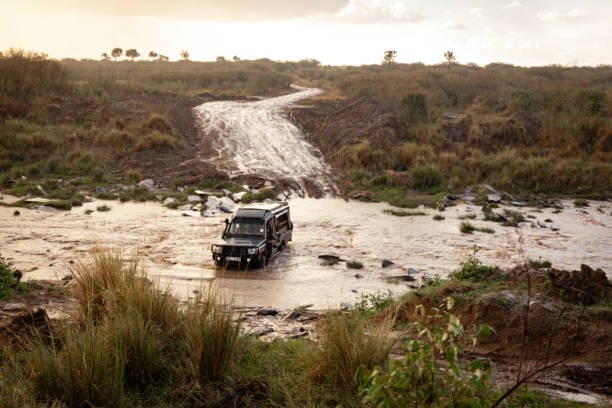
Your Essential Guide to a Tanzania Wildlife Safari in 2026/2027
Embarking on a Tanzania Wildlife Safari is often a lifelong dream, and for good reason. This East African jewel offers some of the most spectacular and diverse wildlife viewing opportunities on the planet. From the endless plains of the Serengeti to the unique geological wonder of the Ngorongoro Crater, and the chance to witness the awe-inspiring Great Migration, a Tanzanian adventure promises unforgettable moments. This guide is designed to help you navigate the complexities of planning your perfect Tanzania Wildlife Safari for 2026 or 2027, ensuring you make informed decisions about destinations, timing, accommodations, and the all-important tour packages that will shape your experience.
As Top Guide Adventures, we understand that a safari is more than just ticking off animals; it’s about experiencing the raw beauty of nature, understanding delicate ecosystems, and connecting with a continent that pulsates with life. Our expertise, rooted in being a leading Kilimanjaro expert and Tanzania travel company, extends deeply into crafting exceptional wildlife safaris. We focus on delivering authentic, well-supported, and personalized safari experiences. Whether you’re aiming for the Big Five, the Great Migration, or simply the sheer joy of observing wildlife in its natural habitat, this guide will equip you with the knowledge to plan a truly remarkable Serengeti, Ngorongoro, Big Five & Migration Tour Package for 2026/2027.
Understanding the Core Components of a Tanzania Wildlife Safari
When people speak of a Tanzania Wildlife Safari, they are typically referring to a journey through the country’s renowned Northern Circuit. This is not by accident; the concentration of iconic parks and the ease of travel between them make it the most popular and rewarding safari circuit. The pillars of this circuit are the Serengeti National Park and the Ngorongoro Conservation Area, often complemented by Tarangire National Park and Lake Manyara National Park. Understanding what each location offers is the first step in designing your ideal itinerary.
The Serengeti National Park: Plains of Endless Wonder
The Serengeti is, for many, the quintessential African safari destination. Its name, derived from the Maasai word ‘Siringet,’ meaning ‘endless plains,’ perfectly captures its vastness. This UNESCO World Heritage site is home to over three million animals, including a staggering array of mammals and birds. The Serengeti is most famous for hosting the Great Wildebeest Migration, a colossal movement of over 1.5 million wildebeest, zebras, and gazelles following the seasonal rains in search of fresh grazing. This natural spectacle is one of the planet’s most impressive wildlife events.
What to expect in the Serengeti:
- Vast Plains: Expect sweeping landscapes, acacia woodlands, and riverine forests, providing diverse habitats for wildlife.
- Predator Action: The Serengeti boasts one of the highest concentrations of predators in Africa, including lions, leopards, cheetahs, hyenas, and wild dogs. Witnessing a hunt or a territorial dispute is a thrilling possibility.
- The Great Migration: While the migration’s location varies throughout the year, its presence is a defining feature. Planning your trip around specific migration events (like river crossings or calving seasons) can elevate your safari experience.
- Year-round Game Viewing: Even outside of peak migration movements, the Serengeti offers exceptional resident game viewing, with large herds of elephants, giraffes, buffaloes, and a multitude of antelopes.
When considering Tanzania Wildlife Safari packages 2026/2027, the Serengeti will almost always be a central component. Its sheer scale means that different regions within the park offer distinct experiences. For instance, the central Seronera area is known for resident predators and year-round game viewing, while the northern Grumeti and Mara River regions are critical during the migration’s northern passage.
The Ngorongoro Conservation Area: A Natural Amphitheatre of Wildlife
The Ngorongoro Conservation Area (NCA) is a unique geographical and ecological marvel. It is a protected region surrounding the Ngorongoro Crater, a massive volcanic caldera that spans approximately 260 square kilometers. The crater floor is a self-contained ecosystem, supporting an incredibly dense and diverse population of wildlife. It’s often referred to as the ‘Eighth Wonder of the World’ due to its natural beauty and the sheer concentration of animals within its confines.
Why Ngorongoro is a must-visit:
- The Big Five: Ngorongoro is one of the best places in Tanzania to see the Big Five – Lion, Leopard, Elephant, Buffalo, and the critically endangered Black Rhino. The rhino, in particular, is more frequently spotted here than in many other locations.
- High Wildlife Density: The fertile volcanic soil supports lush vegetation, which in turn supports a huge number of herbivores. This attracts a corresponding number of predators, leading to an unparalleled density of wildlife.
- Unique Crater Environment: The combination of grasslands, swamps, forests, and a lake within the crater creates varied habitats that support a wide range of species.
- Maasai Culture: The NCA is also home to the semi-nomadic Maasai people, allowing for cultural interactions and insights into their traditional way of life, which is a significant aspect of many Tanzania Wildlife Safari packages.
A Serengeti and Ngorongoro safari is a classic combination, often forming the core of 7-10 day itineraries. The contrast between the vast open plains of the Serengeti and the contained, biodiverse environment of the Ngorongoro Crater is striking and immensely rewarding for any visitor.
Tarangire National Park: Land of Giants
Often visited as part of the Northern Circuit, Tarangire National Park is renowned for its large elephant herds, ancient baobab trees, and diverse birdlife. During the dry season, the Tarangire River becomes a vital water source, attracting significant numbers of wildlife from surrounding areas, making it an excellent destination for game viewing when other water sources diminish.
Key highlights of Tarangire:
- Elephant Herds: Tarangire is famous for its massive elephant populations, which can often be seen in herds of hundreds.
- Baobab Trees: The park is dotted with iconic, giant baobab trees, adding a unique visual element to the landscape.
- Birdwatching: With over 550 species recorded, Tarangire is a paradise for birdwatchers.
- Predators: While not as predator-dense as the Serengeti or Ngorongoro, Tarangire is home to lions, leopards, cheetahs, and African wild dogs.
Including Tarangire in your 2026/2027 Tanzania Wildlife Safari itinerary, especially during the dry months, can provide a different yet equally rewarding safari experience, often adding a day or two to a standard package.
Lake Manyara National Park: Diverse Habitats in a Small Package
Despite its small size, Lake Manyara National Park offers a surprising diversity of landscapes and wildlife. It’s known for its shallow alkaline lake, which attracts large flocks of flamingos, as well as its groundwater forests and open savannah. The park is also famous for its tree-climbing lions, a behavior not commonly observed elsewhere.
What makes Lake Manyara special:
- Tree-Climbing Lions: The elusive lions that take to the branches of acacia trees are a unique draw.
- Flamingoes: The lake shore is often a vibrant pink with thousands of flamingos.
- Baboon Troops: Large troops of baboons are commonly seen along the park roads.
- Variety of Habitats: From the lake edge to dense woodland and dry savannah, the park supports a range of animals including elephants, hippos, giraffes, and various antelopes.
Lake Manyara is often visited en route to the Serengeti or Ngorongoro, making it a convenient addition to many Tanzania safari packages, typically for a half-day or full-day game drive.
The Great Migration: Timing is Everything for Your 2026/2027 Safari
The Great Migration is a celestial event for wildlife enthusiasts. It’s a continuous cycle dictated by rainfall and the availability of fresh grass. Understanding its approximate location throughout the year is key to planning a safari that offers the best chance of witnessing this phenomenon. While wildlife viewing is excellent year-round in Tanzania, experiencing the migration at a specific point in its journey can be a highlight.
Understanding the Migration Cycle:
- December – March (Calving Season): The migration is typically in the southern Serengeti and Ngorongoro Conservation Area. This is the calving season, a time of intense predator activity as lions, hyenas, and cheetahs prey on newborn wildebeest calves. It’s a crucial period for the survival of the species.
- April – May (Moving North): The herds begin to move northwards as the southern plains dry out. This is often referred to as the ‘Green Season’ or ‘Rainy Season,’ and the herds can be spread out across the central and western Serengeti. This is generally a quieter tourist period.
- June – July (River Crossings): The migration reaches the Grumeti and Mara Rivers in the western and northern Serengeti. Witnessing the dramatic river crossings, where wildebeest and zebras brave crocodile-infested waters, is a prime goal for many visitors. This is a peak safari time.
- August – October (Northern Plains & Kenya): The herds are often in the northern Serengeti and may have crossed into Kenya’s Masai Mara National Reserve. The Mara River crossings can continue to be spectacular during this period.
- November (Return South): As the short rains begin, the migration starts its journey back towards the southern Serengeti, completing the cycle.
When booking your Tanzania Wildlife Safari 2026 or 2027, communicate your interest in the migration to your tour operator. They can advise on the best months and regions to focus on to maximize your chances of seeing specific events. For example, aiming for July-September is ideal for Mara River crossings, while December-February is perfect for the calving season and predator action.
Designing Your Perfect Tanzania Wildlife Safari Package for 2026/2027
Choosing the right safari package is paramount to a successful trip. Packages vary significantly in duration, accommodation style, inclusions, and price. As a local operator with deep roots in Tanzania, Top Guide Adventures focuses on creating itineraries that offer genuine value, excellent game viewing, and comfortable logistics.
Duration: How Long Should Your Safari Be?
The length of your safari will dictate how many parks you can visit and how much time you can spend in each. For a comprehensive Northern Circuit experience, including the Serengeti and Ngorongoro, consider:
- 5 Days: A whirlwind tour, typically covering Lake Manyara, Ngorongoro Crater, and a short taste of the Serengeti. This is a good option for those with limited time.
- 7 Days: A more relaxed pace, allowing for deeper exploration of the Serengeti and a full day in Ngorongoro, often including Tarangire. This is a popular choice for a solid introduction.
- 10 Days or More: For the serious wildlife enthusiast, longer safaris allow for in-depth exploration of different Serengeti regions, potentially including more remote areas or even extending to other parks like Ruaha or Selous (though these are further afield and typically require internal flights).
For 2026/2027 bookings, longer durations offer greater flexibility and a more in-depth experience, allowing you to truly appreciate the vastness and diversity of Tanzania’s wildlife. When comparing Tanzania Wildlife Safari packages, always check the number of nights spent in each location, as this is a better indicator of depth than just the total number of days.
Accommodation Styles: From Camping to Luxury Lodges
Your choice of accommodation significantly impacts the safari experience and budget. Tanzania offers a spectrum:
- Budget Camping: Basic but clean tented camps with shared facilities. This is the most economical option and offers a true ‘out in the bush’ feel.
- Mid-Range Tented Camps/Lodges: More comfortable canvas tents or lodges with en-suite bathrooms, proper beds, and often more amenities. These offer a great balance of comfort and authenticity.
- Luxury Lodges and Tented Camps: High-end properties with exquisite furnishings, private verandas, gourmet dining, swimming pools, and exceptional service. These provide a plush and pampered safari experience.
- Mobile Tented Camps: Used during the migration, these camps move with the herds, offering prime locations but with a more rustic feel.
Top Guide Adventures specializes in tailoring these options to your preferences and budget. Whether you seek the adventure of camping under the stars or the refined comfort of a luxury lodge, we can curate a Serengeti, Ngorongoro, Big Five & Migration Tour Package that fits. When reviewing package details for 2026/2027, pay close attention to the specific lodge or camp names to understand the level of comfort and service you can expect.
Inclusions and Exclusions: What’s Covered?
This is perhaps the most critical aspect to clarify when comparing Tanzania safari packages. A comprehensive package should typically include:
- Park entrance fees (these can be substantial)
- Accommodation costs
- All meals while on safari
- A professional, English-speaking safari guide
- A 4×4 safari vehicle with fuel
- Crater service fees (for Ngorongoro)
- Bottled water during game drives
- Transfer from Arusha to the parks and back
Common exclusions might be:
- International and domestic flights
- Visa fees
- Travel insurance (essential!)
- Tips for guides and camp staff
- Drinks (other than water) and personal expenses
- Optional activities like hot air balloon safaris or cultural visits
Always ask for a detailed breakdown of what is and isn’t included. For 2026/2027 Tanzania Wildlife Safaris, confirming these details upfront can prevent unexpected costs and misunderstandings. We aim for transparency with our clients, detailing all inclusions and exclusions clearly.
Private vs. Group Safaris
You’ll often have the choice between a private safari or a group safari:
- Private Safari: You have exclusive use of the safari vehicle and guide. This offers maximum flexibility in terms of game drive times, pace, and stops. It’s ideal for families, couples seeking privacy, or those with specific interests. This is typically more expensive per person but offers a superior experience.
- Group Safari: You share a vehicle with other travelers. This is a more budget-friendly option and can be a fun way to meet new people. However, you have less flexibility as you need to agree on timings and stops with other group members.
Top Guide Adventures offers both private and carefully curated group departures for our Tanzania Wildlife Safari packages. Our group dates for 2026 and 2027 are published on our website, providing an excellent opportunity for solo travelers or couples to join a shared adventure at a more accessible price point. You can find our group departure dates here: Tanzania Safari Group Departures.
Planning Your 2026/2027 Tanzania Wildlife Safari: Key Considerations
Beyond the core package details, several other factors are crucial for a smooth and enjoyable safari experience. Proactive planning is key, especially when booking for popular years like 2026 and 2027.
Best Time to Visit
While Tanzania is a year-round safari destination, the ‘best’ time depends on what you want to see:
- Dry Season (June to October): Generally considered the prime time for wildlife viewing. Animals congregate around water sources, and vegetation is less dense, making them easier to spot. This is also the peak season for witnessing the Great Migration river crossings. Expect sunny days and cooler nights. This is a highly sought-after period for 2026/2027 Tanzania Wildlife Safari bookings.
- Wet Season (November to May): This period offers lush landscapes, fewer crowds, and often lower prices. The ‘short rains’ occur in November/December, and the ‘long rains’ from March to May. Game viewing is still excellent, especially in areas like the Ngorongoro Crater and the southern Serengeti during the calving season (December-March). Birdwatching is at its best during the wet season.
For 2026 and 2027, the dry season months (July, August, September) are already in high demand. If you wish to experience the migration’s river crossings, booking at least 9-12 months in advance is strongly recommended.
Visas and Vaccinations
Visas: Most nationalities require a visa to enter Tanzania. This can often be obtained online in advance (e-Visa) or upon arrival at the airport. Check the latest requirements with the Tanzanian embassy in your country well before your trip.
Vaccinations: Consult your doctor or a travel clinic at least 6-8 weeks before departure. Recommended vaccinations often include Hepatitis A, Typhoid, and Tetanus. Yellow Fever vaccination may be required depending on your travel route (especially if arriving from or transiting through a country with a risk of Yellow Fever transmission). Malaria prophylaxis is also commonly recommended for most safari destinations in Tanzania. Your doctor will provide the most up-to-date and personalized advice for your Tanzania Wildlife Safari.
Packing Essentials for Your Safari
Packing light and smart is crucial for safari. Luggage restrictions often apply to small bush planes if your itinerary includes them. A general packing list includes:
- Clothing: Neutral-colored clothing (khaki, green, brown) is best for camouflage. Avoid bright colors and dark blue/black (which can attract tsetse flies). Pack light, breathable layers. Include long-sleeved shirts and trousers for sun and insect protection, a warm fleece or jacket for cool mornings/evenings, and comfortable walking shoes.
- Sun Protection: High SPF sunscreen, a wide-brimmed hat, and sunglasses are essential.
- Insect Repellent: Containing DEET or Picaridin is highly recommended.
- Camera and Binoculars: Essential for capturing memories and spotting wildlife. Extra batteries and memory cards are a good idea.
- First-Aid Kit: Include personal medications, basic first-aid supplies, and any recommended anti-malarial medication.
- Personal Items: Toiletries, hand sanitizer, and a small backpack for daily essentials.
Always check with your tour operator for specific packing advice, especially regarding luggage weight limits for internal flights that might be part of your Serengeti, Ngorongoro, Big Five & Migration Tour Package.
Health and Safety on Safari
Your safety and well-being are paramount. Reputable tour operators like Top Guide Adventures prioritize this.
- Listen to Your Guide: Your safari guide is experienced and knowledgeable. Follow their instructions regarding wildlife encounters and safety protocols. Never exit the vehicle unless permitted by the guide.
- Wildlife Distance: Maintain a safe distance from all animals. While animals in national parks are accustomed to vehicles, they are still wild.
- Hydration: Drink plenty of bottled water to stay hydrated, especially in the heat.
- Sun Exposure: Protect yourself from the strong African sun.
- Food and Water: Only consume bottled or purified water. Be cautious with uncooked foods unless prepared by your lodge or camp.
We ensure our guides are trained in first aid and safety procedures. For any medical emergencies, our team is equipped to coordinate with local facilities. It’s also why comprehensive travel insurance that covers medical evacuation is non-negotiable for any Tanzania Wildlife Safari.
Choosing the Best Tanzania Wildlife Safari Packages for 2026/2027
With so many options available, how do you select the package that’s right for you? It boils down to understanding your priorities and partnering with a reliable operator.
What Defines a ‘Best’ Package?
The ‘best’ package is subjective and depends on individual traveler needs. However, key indicators of quality include:
- Reputation and Reviews: Look for operators with a strong track record and positive reviews on platforms like TripAdvisor.
- Local Expertise: Operators based in Tanzania or with deep local knowledge often provide more authentic and logistically sound experiences.
- Customization Options: The ability to tailor an itinerary to your interests, budget, and pace is crucial.
- Inclusions: A package that clearly outlines what is included, particularly park fees, to avoid hidden costs.
- Vehicle Quality: A well-maintained 4×4 safari vehicle is essential for comfortable and effective game viewing.
- Guide Quality: Knowledgeable, experienced, and friendly guides make a significant difference to your safari.
Top Guide Adventures prides itself on these aspects. We are a local company, with our team on the ground in Tanzania, ensuring practical support and authentic experiences for your Serengeti, Ngorongoro, Big Five & Migration Tour Package.
Comparing Itineraries for 2026/2027
When comparing different itineraries, consider:
- Park Distribution: Does the itinerary cover the key parks you wish to visit?
- Time Allocation: How many nights are spent in each park? More nights generally mean more in-depth exploration.
- Pace: Is it a rushed itinerary or does it allow for relaxation and spontaneous wildlife viewing?
- Route Logic: Does the route flow logically to minimize driving time? For example, a common route is Arusha -> Tarangire -> Serengeti -> Ngorongoro -> Arusha.
We recommend discussing your specific interests with potential operators. For instance, if seeing the Big Five is your absolute priority, an itinerary that focuses heavily on Ngorongoro and specific areas of the Serengeti known for predators would be ideal. If the Migration is your main goal, the timing and duration in the Serengeti become paramount.
Booking Your 2026/2027 Safari: What to Expect
Booking a safari, especially for popular years like 2026 and 2027, requires advance planning. Here’s a typical booking process:
- Initial Inquiry: Contact your chosen operator with your desired travel dates, number of travelers, budget range, and any specific interests (e.g., migration, photography, specific animals).
- Itinerary Customization: The operator will propose a draft itinerary and package details. This is where you discuss accommodation preferences, duration, and specific inclusions.
- Quotation: You’ll receive a detailed quote outlining the total cost, per person, and what is included/excluded.
- Confirmation and Deposit: Once you’re happy, you’ll confirm the booking and pay a deposit (typically 20-50% of the total cost) to secure your safari, especially for peak season 2026/2027 dates.
- Final Payment: The balance is usually due 30-60 days before your departure date.
- Pre-departure Information: You’ll receive detailed information about your itinerary, what to pack, visa/vaccination reminders, and emergency contact details.
Booking early for 2026 and 2027 is highly advisable, as lodges and popular safari vehicles can fill up quickly, particularly during the dry season and migration periods. This ensures you get the best choice of accommodation and services for your Tanzania Wildlife Safari.
Why Choose Top Guide Adventures for Your Tanzania Wildlife Safari?
As a dedicated Tanzania travel company with a strong foundation in mountain expeditions, Top Guide Adventures brings a unique blend of local knowledge, operational excellence, and a passion for showcasing the best of Tanzania. We understand the logistics of remote travel, the importance of experienced guides, and the need for reliable support.
- Local Expertise: Being based in Tanzania means we have firsthand knowledge of the parks, the wildlife, and the operational nuances. We work with trusted local partners and employ experienced guides who are passionate about their country.
- Tailor-Made Experiences: We don’t offer one-size-fits-all packages. We work closely with you to craft a Serengeti, Ngorongoro, Big Five & Migration Tour Package that perfectly matches your interests, budget, and travel style.
- Commitment to Quality: We meticulously select our accommodations and vehicles to ensure comfort, safety, and excellent game viewing opportunities.
- Practical Support: From your initial inquiry to your return home, our team provides dedicated support. We are accessible via WhatsApp or email for any questions or assistance you may need during your planning for 2026 or 2027.
- Value for Money: We strive to offer competitive pricing without compromising on the quality of the safari experience. Our transparent pricing means you understand where your money is going.
When planning your dream Tanzania Wildlife Safari 2026/2027, partner with a company that truly understands the destination. Let us help you create an adventure that exceeds your expectations.
Ready to Plan Your 2026/2027 Tanzania Wildlife Safari?
The journey to planning your ultimate Tanzania Wildlife Safari begins with a conversation. Whether you’re drawn by the call of the wild, the drama of the Great Migration, or the majesty of the Big Five, we are here to guide you. For personalized advice, custom itinerary creation, and booking assistance for your Serengeti, Ngorongoro, Big Five & Migration Tour Package for 2026 or 2027, please reach out to our expert team. We are committed to making your African dream a reality with practical, local support.
Contact us today:
- WhatsApp: +255 616 946 642
- Email: topguideadventures@gmail.com
- Website: Top Guide Adventures
Let us help you craft an unforgettable Tanzanian adventure for 2026 or 2027.
Frequently Asked Questions About Tanzania Wildlife Safaris
We’ve compiled answers to common questions to help clarify your planning for a Tanzania Wildlife Safari.
When is the best time to see the Great Migration in 2026/2027?
The best time to see the Great Migration depends on what aspect you wish to witness. For the dramatic river crossings of the Mara River, aim for June to September. For the calving season and intense predator action, December to March in the southern Serengeti is ideal. Outside of these specific events, the Serengeti offers excellent resident game viewing year-round.
What is the typical cost of a Tanzania Wildlife Safari?
The cost of a Tanzania Wildlife Safari package varies significantly based on duration, accommodation style, and inclusions. Budget camping safaris might start around $200-$250 per person per day, mid-range options can range from $350-$550 per person per day, and luxury safaris can exceed $700-$1000+ per person per day. These are general estimates for 2026/2027 and exclude international flights and visas. It’s best to get a personalized quote.
How many days are recommended for a Northern Circuit safari?
For a comprehensive experience of the Northern Circuit, including Tarangire, Serengeti, and Ngorongoro, a minimum of 7 days is recommended. This allows for adequate time in the Serengeti to explore different regions and appreciate the wildlife without feeling rushed. A 10-day itinerary offers an even more relaxed pace and deeper immersion.
Can I see the Big Five on a Tanzania safari?
Yes, seeing the Big Five (Lion, Leopard, Elephant, Buffalo, and Rhino) is a distinct possibility on a Tanzania Wildlife Safari, especially in the Ngorongoro Crater and Serengeti National Park. While lions, elephants, and buffaloes are commonly sighted, leopards and especially the black rhino can be more elusive, though Ngorongoro offers some of the best chances to spot rhinos.
What is the difference between Serengeti and Ngorongoro?
The Serengeti is a vast national park with endless plains, renowned for the Great Migration and extensive predator populations. The Ngorongoro Crater is a massive volcanic caldera with a self-contained ecosystem, offering incredibly high densities of wildlife, including a good chance of seeing all the Big Five in a single day. They offer complementary but distinct safari experiences.
Do I need travel insurance for my safari?
Absolutely. Comprehensive travel insurance is essential for any Tanzania Wildlife Safari. It should cover medical emergencies, evacuation, trip cancellation, and lost or stolen belongings. We strongly advise all our clients to secure adequate coverage before their trip.
What should I pack for a 2026/2027 safari?
Pack light, neutral-colored clothing suitable for warm days and cool evenings. Essentials include long-sleeved shirts, trousers, a warm layer, comfortable walking shoes, sun protection (hat, sunglasses, sunscreen), insect repellent, a camera with extra batteries/memory cards, and any personal medications. Check with your operator for specific luggage restrictions, especially for internal flights.
How far in advance should I book my 2026/2027 safari?
For peak seasons (especially June-October and around Christmas/New Year), booking 9-12 months in advance is highly recommended to secure your preferred accommodation and safari dates for 2026 and 2027. For the shoulder or low seasons, 4-6 months in advance might suffice, but early booking is always beneficial.
Check Availability for Tanzania Wildlife Safari: Best Serengeti, Ngorongoro, Big Five & Migration
Ready to compare dates, prices, and the best option for your group? Send the package name and travel month so the team can reply with a clear quote, availability, and what is included.

Tanzania Safari Packages Including Serengeti Tarangire And Ngorongoro
Tanzania Safari Packages Including Serengeti Tarangire and Ngorongoro is explained with current 2026-2027 planning, price, itinerary and booking information.
View package detailsTanzania Safari Packages With Serengeti And Ngorongoro Crater 2026-2027
Tanzania Safari Packages with Serengeti and Ngorongoro Crater is explained with current 2026-2027 planning, price, itinerary and booking information.
View package details
4 Day Serengeti And Ngorongoro Crater Safari With Private Guide 2026-2027
4 Day Serengeti and Ngorongoro Crater Safari with Private Guide is explained with current 2026-2027 planning, price, itinerary and booking information.
View package details
Best 3 Day Safari From Arusha To Serengeti And Ngorongoro 2026-2027
Best 3 Day Safari from Arusha to Serengeti and Ngorongoro is explained with current 2026-2027 planning, price, itinerary and booking information.
View package details
How Much Does A 3 Day Serengeti And Ngorongoro Safari Cost? 2026-2027
How Much Does a 3 Day Serengeti and Ngorongoro Safari Cost? is explained with current 2026-2027 planning, price, itinerary and booking information.
View package details
Tanzania Safari Tours For With Affordable Lodge Options 2026-2027
A practical booking blueprint for Tanzania safari tours in 2027 featuring comfortable, budget-conscious lodges across the Serengeti, Ngorongoro, and Tarangire.
View package details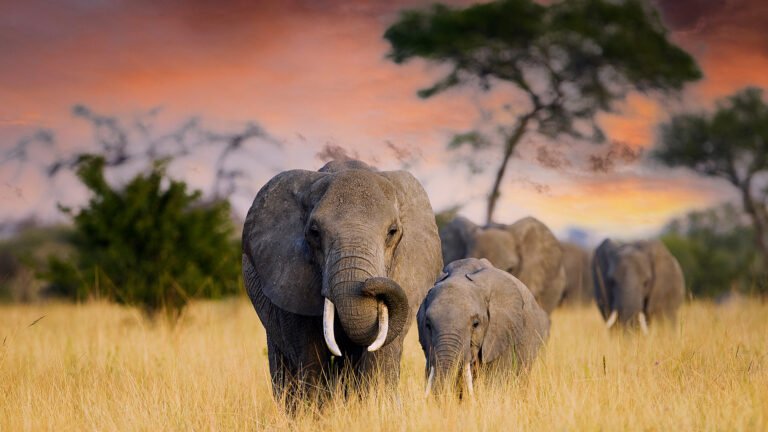
Tanzania Safari Packages For Elderly Travelers With Comfortable Lodges ()
A comprehensive practical planning guide for senior and elderly travelers seeking comfortable, slow-paced Tanzania wildlife safaris paired with step-free, high-comfort lodges across...
View package details
Can I See The Great Migration During A 3 Day Serengeti Safari? 2026-2027
Can I See the Great Migration During a 3 Day Serengeti Safari? is explained with current 2026-2027 planning, price, itinerary and booking information.
View package details
Northern Serengeti Migration Safari With Accommodation Near Mara River
Northern Serengeti Migration Safari with Accommodation Near Mara River is explained with current 2026-2027 planning, price, itinerary and booking information.
View package details
Best Serengeti Safari Tours For Big Five Wildlife Photography 2026-2027
Best Serengeti Safari Tours for Big Five Wildlife Photography is explained with current 2026-2027 planning, price, itinerary and booking information.
View package details
Best Serengeti Mara River Crossing Safari Tours In August 2026-2027
Best Serengeti Mara River Crossing Safari Tours in August is explained with current 2026-2027 planning, price, itinerary and booking information.
View package details
Best Ngorongoro Crater Safari Packages From Moshi 2026-2027
Best Ngorongoro Crater Safari Packages from Moshi is explained with current 2026-2027 planning, price, itinerary and booking information.
View package detailsNo closely related package is available yet for this topic.




