
Tanzania safari packages including Serengeti, Tarangire, and Ngorongoro combine northern Tanzania’s three most productive wildlife ecosystems into a single overland or fly-in circuit lasting between 4 and 8 days. Starting out of Arusha or Kilimanjaro International Airport (JRO), these packages average between $250 and $400 per person per day for quality mid-range tented lodges, $180 to $260 for budget camping, and $650 to $1,400+ per day for luxury permanent lodges across the 2026-2027 seasons. The core operational decision requires balancing ground transit times—especially the rough corrugated drive between the Ngorongoro crater highlands and central Seronera—against the time spent stationary on active game drives in Tarangire’s river valley and the Serengeti plains.
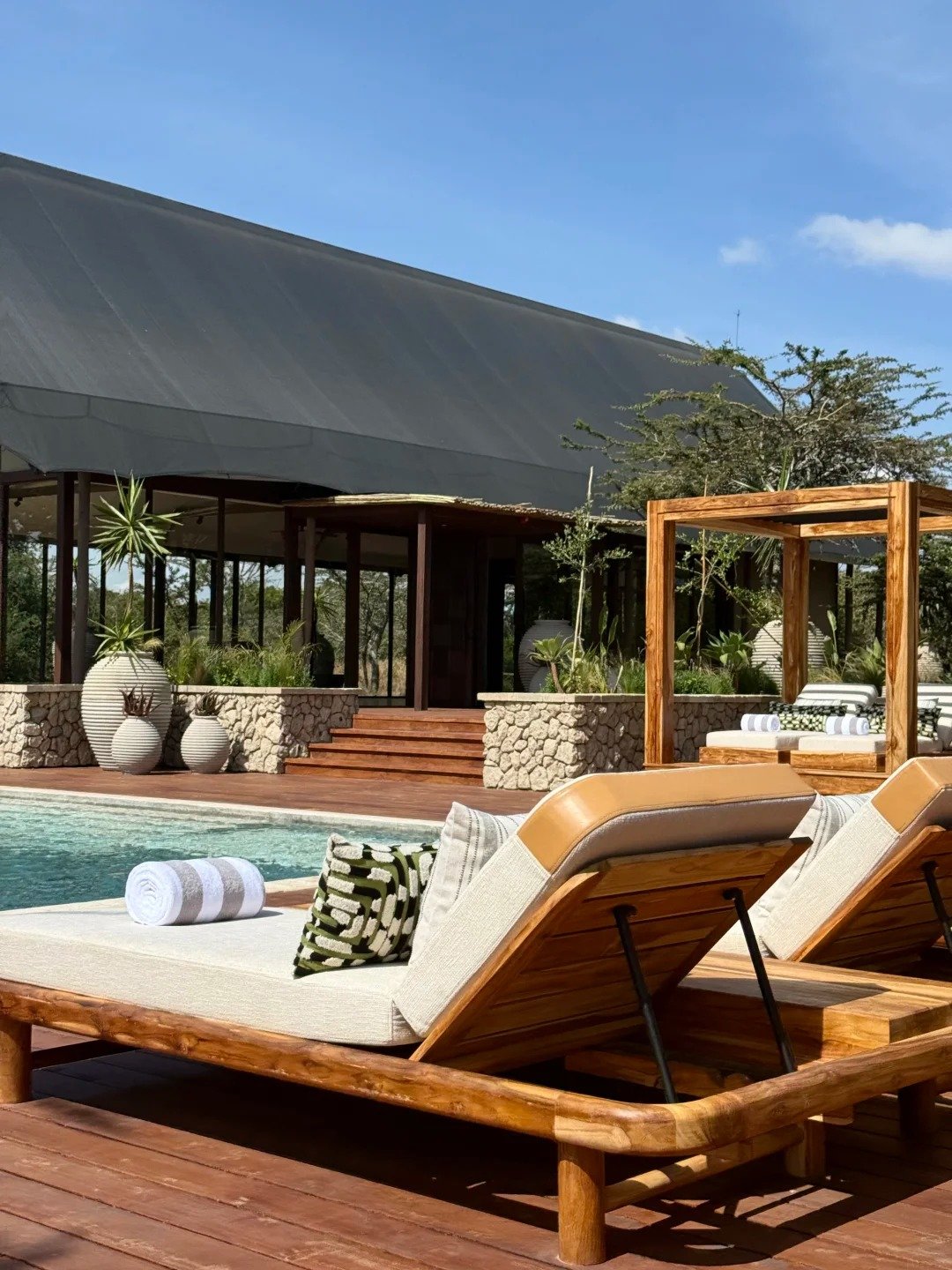

Anatomy of the Trio: Why Tarangire, Ngorongoro, and the Serengeti Belong on One Itinerary
Combining Tarangire National Park, the Ngorongoro Conservation Area, and Serengeti National Park represents the undisputed foundation of northern Tanzania wildlife travel. Rather than duplicating landscapes, each destination on this three-park route delivers an entirely distinct ecological biome, varied predator-to-prey dynamics, and contrasting terrain. Understanding how these three parks complement one another ensures you do not view them as interchangeable safari stops, but as three distinct chapters of a single connected ecosystem.
Tarangire National Park functions as the dry-season sanctuary of the Maasai Steppe. Dominated by ancient baobab trees (Adansonia digitata) and dense riverine valleys, the park centers around the perennial Tarangire River. Between June and November, surrounding waterholes across hundreds of square miles dry out, driving thousands of African bush elephants, migratory wildebeest, zebras, buffalo, and rare dry-country antelopes like fringe-eared oryx and gerenuk directly into the park’s river basins. When booked as the opening leg of your safari, Tarangire establishes an immediate benchmark for pachyderm density; herds of 50 to 100 elephants digging into dry riverbeds are ordinary daily sightings here.
Moving northwest, the landscape abruptly climbs the Great Rift Valley escarpment into the cloud forests and volcanic highlands of the Ngorongoro Conservation Area (NCAA). Ngorongoro is not an open savannah, but an intact 260-square-kilometer unflooded volcanic caldera enclosed by sheer 600-meter walls. This geological amphitheater shelters approximately 25,000 to 30,000 large mammals on a flat, highly concentrated alkaline plain. Ngorongoro offers your highest statistical probability of encountering the critically endangered black rhinoceros within a single morning game drive, alongside dense prides of black-maned lions, spotted hyenas, and massive bull elephants that reside near the Lerai fever tree forest. Because of the restricted space, game drives inside the crater are intense, focused, and distinct from open-plains tracking.
Beyond the highlands, descending past Naabi Hill, opens the vast horizon of Serengeti National Park. Spanning roughly 14,763 square kilometers of short-grass plains, acacia woodlands, and granite rock kopjes, the Serengeti represents scale and raw predatory balance. It is home to the year-round resident big cats—lions, cheetahs, and leopards—and serves as the stage for the Great Wildebeest Migration. Whether witnessing the predator-heavy calving season in southern Ndutu during February or the dramatic Mara River crossings in the north between July and October, the Serengeti demands multi-day exploration. Booking a trip through Tanzania safari packages with Serengeti and Ngorongoro Crater guarantees that you experience this balance of dense river corridors, enclosed caldera wildlife, and boundless open savannah.
2026-2027 Pricing Structures: Entry Fees, Concessions, and Real Per-Day Package Costs
The cost of a Tanzania safari package including Serengeti, Tarangire, and Ngorongoro is determined primarily by statutory government conservation tariffs rather than arbitrary tour operator markups. When travelers review quotes, they are often surprised by the price disparity between an East African overland tour and a southern African safari. In Tanzania, park fees operate on strict rolling 24-hour cycles, and each protected area enforces separate access, conservation, camping, and concession fees.
To plan your 2026 or 2027 travel budget accurately, you must understand the underlying park entrance components established by the Tanzania National Parks Authority (TANAPA) and the Ngorongoro Conservation Area Authority (NCAA):
- Tarangire Conservation Entry Fee: $53.10 to $59.00 per adult per 24 hours (inclusive of 18% VAT) depending on high vs. low seasonal adjustments.
- Serengeti National Park Entry Fee: $82.60 per adult per 24 hours during peak season (July–March) and $70.80 during green season (April–May).
- Ngorongoro Conservation Area Entry Fee: $70.80 per adult per 24-hour cycle, payable simply to transit through or stay within the conservation perimeter.
- Ngorongoro Crater Descent Fee: A mandatory vehicle charge of $295.00 per entry descent, irrespective of whether the vehicle carries one passenger or six.
- Special Camping / Concession Fees: If your lodge or tented camp is situated inside park boundaries, an additional bed-night concession fee applies ($59 to $70.80 per adult per night in the Serengeti; $59 inside Ngorongoro; $47.20 inside Tarangire).
On top of direct conservation fees, a customized 4×4 safari Land Cruiser—equipped with heavy-duty suspension, long-range fuel tanks, dual spare wheels, an inverter for camera charging, an electric fridge, and an open pop-up roof—costs between $250 and $350 per day to charter with an experienced, English-speaking driver-guide, fuel, and vehicle entry fees included. You can explore our pricing breakdown on safari costs per person vs. vehicle hire to understand how traveling with friends or family distributes these shared logistical overheads.
Estimated 2026-2027 Pricing Tiers: Serengeti, Tarangire & Ngorongoro Packages
The figures below reflect comprehensive per-person rates based on two travelers sharing a private 4×4 vehicle with private guide, fuel, full board accommodations, airport pickups, and all statutory gate fees and VAT included.
| Package Tier | Accommodations | Estimated Cost Per Person / Day (2026-2027) | Typical Inclusions & Trade-Offs |
|---|---|---|---|
| Budget Camping | Public national park campsites (dome tents, sleeping pads, shared sanitary blocks) | $200 – $280 | Includes dedicated safari cook, raw park immersion, basic facilities; longer setup times, minimal charging capabilities. |
| Standard Mid-Range | Comfortable permanent tented lodges outside or inside gates (en-suite bathrooms, hot bucket/solar showers, solar power) | $360 – $520 | Optimal value. Excellent hot meals, flush toilets, king beds, solid camp positioning near game-rich riverbeds. |
| Semi-Luxury / Upmarket | Premium wilderness camps inside Seronera/Ndutu and solid rim lodges on Ngorongoro | $580 – $850 | Exceptional dining, elevated views, premium bedding, shorter morning drives to reach active predator territories. |
| High-End Luxury | Five-star luxury tented properties (e.g., Four Seasons, Singita, &Beyond, Lemala, Asilia) | $1,100 – $2,200+ | Private vehicle exclusivity, top-tier guides, butler service, fine wines, private bush dining, plunge pools. |
For budget-conscious or solo travelers, booking a group joining safari covering Tarangire, Serengeti, and Ngorongoro reduces daily vehicle and guide fees by sharing the Land Cruiser among 4 to 6 travelers. Conversely, families or wildlife photographers usually benefit from a custom private safari package where the daily pace, photographic stops, and daily departure hours remain fully under your control.
Route Logistics and Road Realities: Driving Distances, Gates, and Transit Times
Many travelers examining an online map of northern Tanzania make the dangerous assumption that distances between Tarangire, Ngorongoro, and the Serengeti can be measured in standard highway driving speeds. In reality, modern paved highway ends shortly after the town of Karatu. Beyond the Ngorongoro Conservation Area entrance gate at Loduare, all travel is conducted on rough, washboard volcanic murram, deeply rutted gravel tracks, and black cotton soil that demands continuous four-wheel-drive engagement.
Understanding realistic travel times prevents safari exhaustion and keeps you from spending all your daylight hours sitting inside an enclosed transfer rather than watching wildlife.
Strategic Circuit Sequencing: Classic Overland Loop vs. One-Way Fly-In Hybrid
Choosing the sequence in which you traverse Tarangire, Ngorongoro, and the Serengeti directly dictates your daily stamina, photography lighting, and wildlife anticipation. Most travelers assume the map dictates a straightforward out-and-back drive from Arusha, but routing decisions carry trade-offs in road wear, 24-hour park gate timers, and wildlife pacing.
Why Starting with Tarangire Prevents Wildlife Anti-Climax
Experienced safari planners almost universally route overland circuits clockwise: starting with Tarangire National Park, moving up into the Ngorongoro Conservation Area, and concluding in Serengeti National Park. There is both an ecological and psychological rationale for this direction.
Tarangire is a park of dense cover, mature riverine woodlands, and massive granite baobab sentinels. Here, game viewing involves scanning thick vegetation, tracking along the silty Tarangire River, and adjusting your eyes to spotting leopards draped over low acacia branches or elephant herds moving silently through the scrub. It is an intimate introduction to the bush. If you were to drop into Tarangire after spending four days surrounded by the boundless horizons of the Serengeti plains—where hundreds of thousands of herd animals stretch to the horizon—Tarangire’s closed canopy can feel visually restrictive by comparison. Experiencing Tarangire first allows the scale of the landscape to expand as your journey unfolds, culminating in the limitless vistas of the Serengeti.
The Fly-Back Alternative: Bush Strip Logistics from Seronera to Arusha
The standard overland loop requires retracing your path from Central or Northern Serengeti back across the Ngorongoro highlands, past Karatu and Lake Manyara, and along the two-lane tarmac highway back to Arusha. This return leg consumes 8 to 10 hours of continuous driving over punishing washboard dirt and heavy commercial traffic. For travelers with limited holiday days, choosing a private Tanzania safari custom tour that incorporates a one-way domestic flight transforms the journey.
Under this hybrid design, you drive through Tarangire and Ngorongoro into the Serengeti, conduct your game drives, and then board a bush flight out of Seronera (SEU), Kogatende (KGT), or Ndutu (NDT) airstrip directly back to Arusha Airport (ARK) or Kilimanjaro International Airport (JRO). The flight takes roughly 50 to 75 minutes on an 11-to-13-seat Cessna Grand Caravan or Beechcraft 1900 operated by regional carriers such as Coastal Aviation, Auric Air, or Flightlink.
The operational trade-off is baggage capacity: domestic safari bush flights enforce a strict 15-kilogram (33-pound) total luggage limit per passenger, including carry-on camera packs, and require 100% soft-sided duffel bags that can be squeezed into narrow pod bellies without rigid internal frame wheels. Extra luggage can typically be stored securely at your base hotel in Arusha before setting off.
Master Itinerary Comparisons: Allocating Days Across the Circuit
A frequent error among first-time safari planners is underestimating the geographical distance between ecosystems. Rushing through the northern circuit creates vehicle fatigue, where you spend more waking hours bouncing along transfer transit roads than watching predator behavior. Below is an objective comparison of how package lengths perform across the three destinations.
| Package Length | Night Distribution | Transit vs. Game Drive Ratio | Operational Pros & Real Cons |
|---|---|---|---|
| 5-Day Express Package | 1N Tarangire, 1N Karatu / Crater Rim, 2N Central Serengeti | 45% Transit / 55% Game Drive | Pros: Fits short annual leaves; captures all Big Five biomes. Cons: Extremely hurried; requires packing and checking out of a different room nearly every morning. |
| 6-Day Classic Circuit | 1N Tarangire, 1N Karatu, 3N Serengeti (Central or Migration Hub) | 35% Transit / 65% Game Drive | Pros: The minimum duration for two full, uninterrupted tracking days on the Serengeti plains without highway transfers. Cons: Heavy driving on Day 2 and Day 5. |
| 7-Day In-Depth Circuit | 2N Tarangire, 1N Ngorongoro Rim, 3N Serengeti, 1N Arusha | 25% Transit / 75% Game Drive | Pros: Explores Southern Tarangire (Silale Swamps) far from park gates; allows a full 6-hour Ngorongoro crater floor descent. Cons: Higher concession and daily vehicle charter cost. |
| 8-Day Migration & Crater Route | 2N Tarangire, 2N Karatu / Rim, 3N Northern/Western Serengeti, 1N Bush Flight | 20% Transit / 80% Game Drive | Pros: Incorporates peripheral game corridors; balances big cats with dramatic river crossings or Ndutu calving. Cons: Requires fly-out logistics and higher multi-park entrance fees. |
The Problem with the Single-Night Serengeti Stay
Budget tour operators frequently sell 4-day or 3-day multi-park packages claiming to include Tarangire, Ngorongoro, and the Serengeti. In practice, booking a 4-day trip that attempts all three parks allocates only one night to the Serengeti. When evaluating Serengeti and Ngorongoro safari packages ranging from 2 to 7 days, cross-reference driving times before committing.
On a 4-day itinerary featuring all three destinations, you enter the Serengeti through Naabi Hill Gate around 2:00 PM on Day 2, game-drive along the main road to your camp in Seronera, sleep, and must depart by 8:00 AM on Day 3 to satisfy the 24-hour TANAPA entry permit and reach the Ngorongoro crater rim before dusk. The result is roughly 16 hours of grueling gravel driving for barely five daylight hours of actual off-road wildlife observation in the Serengeti. A credible Tanzania mid-range safari package must allocate a minimum of two consecutive nights inside Serengeti National Park to justify the entrance fees and physical transit.
Seasonal Dynamics: Aligning the Three Parks with Wildlife Movements
Because Tarangire, Ngorongoro, and the Serengeti cover differing elevations and rainfall bands, each park hits its biological peak at different times of the year. Booking Tanzania safari packages including Serengeti Tarangire and Ngorongoro without cross-referencing your travel month against these micro-seasons often results in missing prime animal concentrations or spending days driving through waterlogged roads.
Understanding the interplay between the dry Maasai Steppe and the cyclical Great Wildebeest Migration is the single most important factor when choosing your travel dates.
June to October: The Great Dry Season Peak
During these five months, regional rainfall is practically zero. In Tarangire, the moisture in outlying rangelands vanishes completely, forcing wildlife inward toward the perennial Tarangire River. Elephant herds congregate in numbers exceeding several hundred along the sandy riverbanks, excavating underground water pockets while lions and leopards stake out the river bends. This is without question the best time of year for Tarangire, making it an indispensable anchor of any northern circuit package.
Concurrently, the short grasses of the central Serengeti dry out, propelling the wildebeest herds northward toward Kogatende and the Mara River. Ngorongoro remains steady, though morning frost and bitter wind can drop crater rim temperatures down to 6°C (43°F). For travelers targeting high-action predator hunts, massive elephant gatherings, and river crossings, winter and early autumn deliver unmatched reliability, albeit alongside peak season park fee structures and maximum vehicle traffic.
January to March: Southern Calving and the Green Plains
By late December, the short rains have triggered a flush of nutrient-rich grasses across the southern Serengeti plains and the Ndutu area of northern Ngorongoro. Over 1.5 million wildebeest, zebras, and gazelles flood the southern plains. In February, roughly 8,000 wildebeest calves are dropped every single day within an intense three-week window, triggering relentless opportunistic hunting by cheetahs, spotted hyenas, and prides of lions.
Tarangire during these months enters its green phase: migratory herds disperse into surrounding dispersal areas, tall elephant grasses obscure smaller game, and migratory bird species arrive from the Northern Hemisphere. A northern circuit itinerary during this period should adjust park allocations accordingly—reducing Tarangire to a single focused game drive day and maximizing time in the southern Serengeti and Ndutu conservation zones.
April and May: The Long Rains (Green Season Safari)
The long rains bring heavy afternoon tropical downpours and transform the dry savannahs into emerald grasslands. While some unpaved dirt tracks in the Serengeti turn into deep mud, requiring skilled 4×4 driving and differential locks, this period provides profound advantages: park entry concession charges often drop, international luxury tented camps lower their rack rates by up to 40%, and vehicle counts at major wildlife sightings plummet to zero. Ngorongoro Crater floor remains vibrant and accessible via paved descent roads, though heavy fog frequently blankets the rim until mid-morning.
| Month Window | Tarangire Experience | Serengeti Focal Area | Ngorongoro Conditions | Best Suited For |
|---|---|---|---|---|
| January – March | Moderate game; lush green landscape; excellent birding; dispersed elephants. | Southern Serengeti & Ndutu; massive calving spectacles; heavy predator action. | Clear views; vibrant vegetation; moderate crowds on the crater floor. | Predator-prey interactions, photographers, avoiding cold highland weather. |
| April – May | Low mammal density; dense vegetation; muddy tracks; minimal tourist vehicles. | Central Seronera & Western Corridor; dramatic storm skies; heavy resident game. | Lush green caldera; low vehicle traffic; chilly and mist-shrouded crater rim. | Budget-conscious travelers, solitude seekers, landscape photographers. |
| June – July | River concentrations building rapidly; elephants congregating; dry bush. | Grumeti River crossings (West) moving steadily to Central and Northern sectors. | Dry, dusty crater floor; cold nights (6°C–10°C); sharp game spotting. | First-time safari goers, general big mammal tracking, classic dry weather. |
| August – October | Peak elephant density; swamps full of wildlife; dry riverbeds; easiest tracking. | Northern Serengeti (Kogatende); iconic Mara River crossings into Kenya. | Peak dry season; dusty caldera; heavy vehicle volume around big cat sightings. | High-octane river crossings, maximum pachyderm encounters, peak dry conditions. |
| November – December | Short rains initiate greening; herds begin dispersing to the Maasai Steppe. | Herds moving south through Lobo and Central Seronera toward Ndutu plains. | Short afternoon showers; clear mountain air; excellent resident predator viewing. | Balanced pricing, lower tourist numbers, transitional bird migrations. |
Accommodation Strategies: Park Borders vs. Deep Bush Lodges
Where your lodge or tented camp sits in relation to the park gates has a direct impact on your daily safari rhythm, road exhaustion, and overall tour pricing. Tour operators selling northern circuit packages rely on three main geographic strategies for lodging. Understanding the trade-offs between these staging models helps prevent booking errors that consume hours of game viewing time.
The Karatu Buffer Zone Trade-Off
Karatu is a fertile agricultural town sitting just below the NCAA Loduare Gate. Staying at a mid-range coffee estate lodge or permanent tented camp in Karatu is considerably cheaper than lodging on the Ngorongoro crater rim or inside the Serengeti. A high-quality Karatu lodge typically charges between $180 and $300 per double room per night, whereas a comparable lodge on the crater rim commands $600 to $1,200.
The operational sacrifice is travel time. If your lodge is in Karatu, reaching the crater floor requires clearing the Loduare Gate (which can see morning queues of 20 to 30 Land Cruisers), driving 45 minutes along the winding crater rim through highland fog, and descending the Seneto descent road. This adds roughly 90 minutes of transit before your game drive starts. For travelers looking to optimize their total outlay without sacrificing comfortable amenities, choosing a Tanzania mid-range safari lodge package rooted in Karatu provides exceptional balance, provided you depart before 06:00 AM.
Central Seronera vs. Mobile Wilderness Camps
Inside the Serengeti, accommodation splits into two primary structural categories:
- Permanent Stone/Wood Lodges: Located largely in Central Seronera or the western hills. They feature running hot water, expansive solar installations, swimming pools, and concrete infrastructure. While comfortable for families, they are fixed in place, meaning you may have long transit drives if wildlife has shifted north or south.
- Semi-Permanent Seasonal Mobile Camps: These luxury tented camps move twice a year following the migration path—positioning in Ndutu/South between December and March, and relocating to Kogatende/North between June and November. Sleeping under canvas delivers the authentic bush sensory profile: listening to hyenas whooping and lions roaring near your tent perimeter, accompanied by bucket showers or pressurized ensuite hot water. Concession fees are high, but morning access to wildlife is unmatched.
For budget travelers, the TANAPA public campsites (such as Nyani in central Serengeti or Kigongoni in Tarangire) sit unfenced in the middle of wildlife areas. Booking a budget camping package keeps vehicle charter and fuel costs shared while dropping bed costs to flat government camping fees ($35.40 to $59 per night), though comfort requires trade-offs including shared pit/flush latrines and basic mess tents.
Private Safari vs. Group Joining: Practical Operational Realities
Deciding between a private customized vehicle charter and an organized scheduled departure directly governs the flexibility of your daily game drives, seating ergonomics, and per-person expenditures across Tarangire, Ngorongoro, and the Serengeti.
The Mechanics of Group-Joining Safaris
A group joining package pools unrelated individual travelers into an extended 4×4 safari Land Cruiser to amortize vehicle charter costs, fuel, and driver-guide fees. For solo adventurers or couples on strict budgets, joining a scheduled departure cuts total circuit expenses by roughly 35% to 50% compared to private touring.
However, group travel enforces strict operational parameters:
- Fixed Departure Calendars: Itineraries adhere to rigid timetables. You cannot elect to stay an extra hour at a river crossing or bypass an active lion pride to search for rare raptors if other passengers wish to move on.
- Seating Assignments and Luggage Capacities: Extended Land Cruisers hold up to 7 passengers across three window rows plus a co-pilot front seat. Reputable group operators ensure a guaranteed window seat for every client with central aisle pop-up roof access, but personal baggage is strictly restricted to soft duffel bags weighing no more than 15 kilograms (33 lbs). Hard-shell suitcases cannot be accommodated in standard 4×4 rear luggage bays.
- Lodging Homogeneity: Group tours almost universally stay at budget public campsites or identical mid-tier tented lodges outside the park perimeters (e.g., Mto wa Mbu and Karatu) to preserve operational consistency across the vehicle manifest. If you travel independently, examining a group-joining safari for solo travelers provides the lowest fiscal barrier to accessing these three premier parks.
The Value Proposition of a Private Safari
Opting for a private customized safari package transfers complete control of the vehicle to your travel party. For wildlife photographers, birding specialists, or multi-generational groups traveling with children, this adaptability is vital.
In a private safari, your guide adjusts game drive schedules around animal activity rather than communal dining hours. If a morning leopard tracking session requires leaving camp at 05:45 AM with packed breakfast boxes, it is executed without debate. Conversely, if your group needs a relaxed mid-afternoon return to camp to prevent sensory burnout, you have full authority to order it. While solo travelers face hefty single-vehicle charters, parties of four to six passengers will find that private per-person costs closely rival commercial group rates.
Park-Specific Wildlife Profiles: What You See Where
A frequent error among first-time safari planners is assuming that all three parks feature identical animal distributions. The geographical diversity of northern Tanzania means that specific species are either ecologically restricted to, or vastly more observable in, one particular park over the other two.
Check Availability for Tanzania Safari Packages Including Serengeti Tarangire And Ngorongoro
Ready to compare dates, prices, and the best option for your group? Send the package name and travel month so the team can reply with a clear quote, availability, and what is included.

Tanzania Safari Tours For With Affordable Lodge Options 2026-2027
A practical booking blueprint for Tanzania safari tours in 2027 featuring comfortable, budget-conscious lodges across the Serengeti, Ngorongoro, and Tarangire.
View package details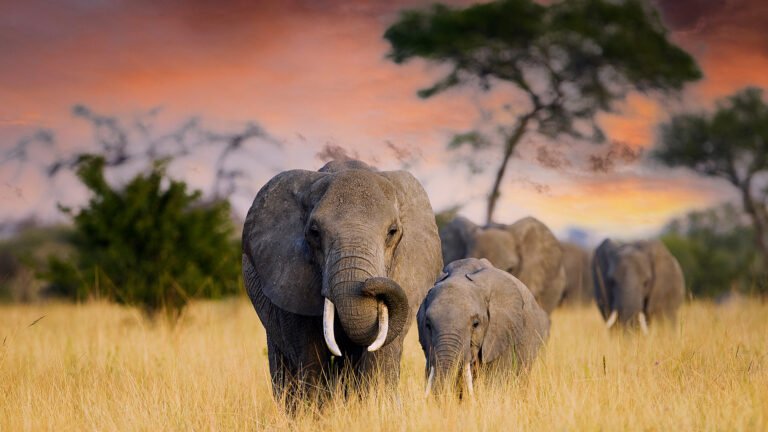
Tanzania Safari Packages For Elderly Travelers With Comfortable Lodges ()
A comprehensive practical planning guide for senior and elderly travelers seeking comfortable, slow-paced Tanzania wildlife safaris paired with step-free, high-comfort lodges across...
View package details
Tanzania Safari Packages With Serengeti And Ngorongoro Crater 2026-2027
Tanzania Safari Packages with Serengeti and Ngorongoro Crater is explained with current 2026-2027 planning, price, itinerary and booking information.
View package details
How Much Does A 3 Day Serengeti And Ngorongoro Safari Cost? 2026-2027
How Much Does a 3 Day Serengeti and Ngorongoro Safari Cost? is explained with current 2026-2027 planning, price, itinerary and booking information.
View package details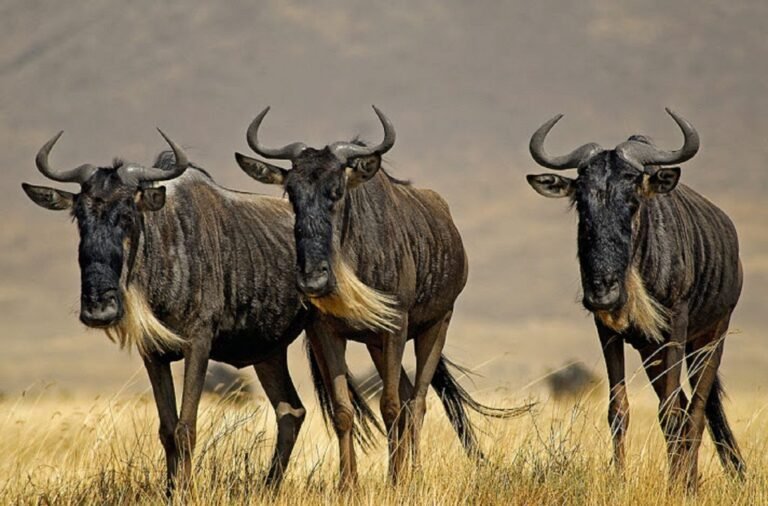
Can Solo Travelers Join A 3 Day Serengeti Safari? 2026-2027
Can Solo Travelers Join a 3 Day Serengeti Safari? is explained with current 2026-2027 planning, price, itinerary and booking information.
View package details
Are There Any Serengeti Safari Groups I Can Join This Month? 2026-2027
Are There Any Serengeti Safari Groups I Can Join This Month? is explained with current 2026-2027 planning, price, itinerary and booking information.
View package details
What Are The Hidden Costs Of A Serengeti Safari? 2026-2027
What Are the Hidden Costs of a Serengeti Safari? is explained with current 2026-2027 planning, price, itinerary and booking information.
View package detailsTanzania Safari Cost Breakdown Including Park Fees And Accommodation 2026-2027
Tanzania Safari Cost Breakdown Including Park Fees and Accommodation is explained with current 2026-2027 planning, price, itinerary and booking information.
View package details
Best Tanzania Safari Tours With Custom Travel Itineraries 2026-2027
Best Tanzania Safari Tours with Custom Travel Itineraries is explained with current 2026-2027 planning, price, itinerary and booking information.
View package details
Best Tanzania Safari Tour Packages For International Travelers ( Planning
A comprehensive comparison of the best Tanzania safari tour packages for international travelers heading to East Africa in 2026-2027, covering logistics, package types, realistic budgets...
View package detailsBest Tanzania Safari Packages For And 2028 2026-2027
Best Tanzania Safari Packages for 2027 and 2028 is explained with current 2026-2027 planning, price, itinerary and booking information.
View package detailsTanzania Safari Group Joining Departures In February 2026-2027
Tanzania Safari Group Joining Departures in February 2027 is explained with current 2026-2027 planning, price, itinerary and booking information.
View package detailsNo closely related package is available yet for this topic.

Our Guest Reviews, Currently Feedback from Clients in 2026
Reviews from different sources, including Google Business, Tripadvisor, other platforms, and social media.



