
An 8-day Tanzania safari combining the Serengeti, Ngorongoro Crater, and Tarangire National Parks offers a comprehensive exploration of Northern Tanzania’s most renowned wildlife destinations, providing ample time for game drives and wildlife observation across diverse landscapes. This extended itinerary is perfect for travelers in 2026-2027 looking to maximize their chances of witnessing the Great Migration, spotting the Big Five within the Ngorongoro Crater, and observing large elephant families in Tarangire. The primary decision for travelers will be choosing between a private safari for ultimate flexibility or a group-joining option to manage costs, with accommodations ranging from comfortable mid-range lodges to exclusive luxury tented camps.
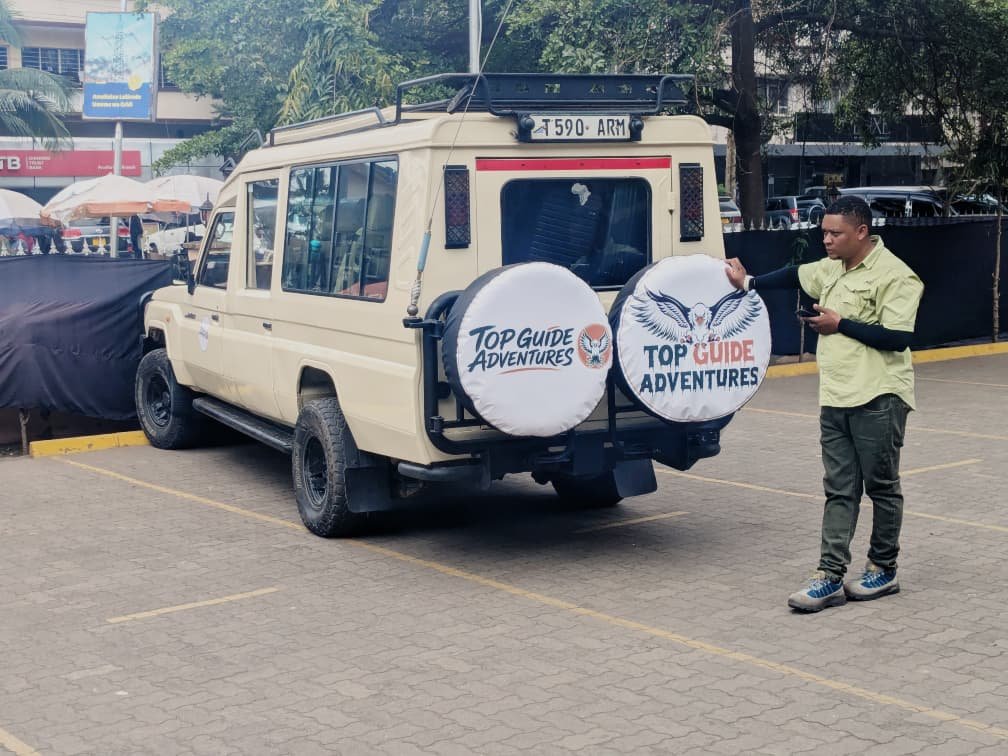

This 8-day journey through Tanzania’s northern safari circuit is meticulously crafted to experience you in the heart of Africa’s most spectacular wildlife sanctuaries. By dedicating time to the Serengeti’s endless plains, the Ngorongoro Crater’s unique caldera ecosystem, and Tarangire’s elephant-rich landscapes, this itinerary aims to provide a rich and diverse safari experience. Whether you are planning for 2026 or 2027, this trip promises unforgettable encounters with iconic African fauna.
Your 8-Day Tanzania Safari Itinerary Snapshot
This 8-day itinerary is a popular choice for good reason, balancing travel time with in-depth exploration. It typically starts and ends in Arusha, the gateway city for northern Tanzania safaris. The flow is designed to maximize wildlife viewing opportunities while minimizing long driving days between parks.
- Day 1: Arrival in Arusha & Preparation
- Day 2: Arusha to Tarangire National Park
- Day 3: Tarangire to Serengeti National Park
- Day 4: Full Day Serengeti Exploration
- Day 5: Serengeti to Ngorongoro Conservation Area
- Day 6: Ngorongoro Crater Tour & Transfer to Karatu
- Day 7: Karatu to Arusha
- Day 8: Departure from Arusha
This structure allows for approximately 2-3 days in the Serengeti, a full day in the Ngorongoro Crater, and a day in Tarangire, offering a balanced view of each park’s unique offerings. For those seeking an extended experience, this forms the core of longer northern circuit itineraries.
Day-by-Day Safari Itinerary: Serengeti, Ngorongoro & Tarangire
Day 1: Arrival in Arusha & Pre-Safari Briefing
Your Tanzanian adventure begins upon arrival at Kilimanjaro International Airport (JRO). You’ll be met by a representative from Top Guide Adventures and transferred to your accommodation in Arusha. This day is crucial for resting after your flight and attending a pre-safari briefing. This session is where your guide will outline the itinerary, discuss what to expect, answer any last-minute questions, and confirm essential details like luggage weight limits (typically 15kg in a soft duffel bag for light aircraft transfers, though not used in this itinerary, it’s good practice) and safety protocols. It’s also an opportunity to ensure you have all necessary items for the days ahead. For 2026-2027 bookings, this initial briefing is key to setting the tone for a smooth journey.
Day 2: Arusha to Tarangire National Park
After breakfast, you’ll depart Arusha for Tarangire National Park, approximately a 2-3 hour drive. Tarangire is famous for its large elephant herds, particularly during the dry season (June to October), and its iconic baobab trees. Upon entering the park, your game drive begins immediately. You’ll search for elephants, lions, leopards, giraffes, zebras, and numerous bird species. The landscape is characterized by acacia woodlands and vast savannas, interspersed with the distinctive silhouette of ancient baobabs. Lunch will be a picnic amidst the wildlife. The late afternoon will involve more game viewing before heading to your lodge or tented camp for the night. Accommodation options here range from comfortable mid-range lodges to more intimate tented camps, offering different perspectives on the park’s nocturnal life. This is a great introduction to Tanzania’s wildlife diversity.
Day 3: Tarangire to Serengeti National Park
Following an early morning game drive in Tarangire, you’ll have breakfast and then drive towards the legendary Serengeti National Park. The journey takes you through the Ngorongoro Conservation Area, often with a brief stop at a Maasai village (optional and at your discretion) for a cultural insight, or a visit to the Olduvai Gorge (also optional). As you ascend into the Serengeti, the landscape dramatically changes, opening up into vast, rolling plains that stretch to the horizon. Your game drive commences as you enter the park, heading towards your chosen camp or lodge. Depending on the time of year and the location of your accommodation, you might be tracking the Great Migration. The Serengeti is home to an unparalleled concentration of wildlife, including the Big Five (lion, leopard, elephant, rhino, and buffalo), cheetahs, hyenas, and a multitude of other species. You’ll spend the afternoon exploring the central or western parts of the Serengeti, depending on lodge location and wildlife movements.
Day 4: Full Day Serengeti Exploration
Today is dedicated to an extensive exploration of the Serengeti, often considered the pinnacle of African safaris. You’ll have a full day of game drives, allowing ample time to cover different regions and seek out specific wildlife. Your experienced guide will use their knowledge of the park and animal behavior to locate predators and herds. If the Great Migration is in the area, this day offers the best chance to witness its dramatic movements. You might opt for an early morning hot air balloon safari (an additional cost, booked in advance) for a unique aerial perspective of the plains at sunrise – a truly memorable experience for any 2026-2027 safari. Alternatively, you can enjoy morning and afternoon game drives, with a packed lunch enjoyed at a scenic picnic spot. The sheer scale of the Serengeti and its wildlife density make each day a new adventure. Your accommodation will be a lodge or tented camp within the park, providing an in-depth experience.
Day 5: Serengeti to Ngorongoro Conservation Area
After a final morning game drive in the Serengeti, you will depart for the Ngorongoro Conservation Area. The drive itself is part of the experience, offering more chances for wildlife sightings as you traverse the vast plains. You’ll likely pass through areas where the Maasai people live alongside wildlife, offering a glimpse into traditional life. Upon reaching the rim of the Ngorongoro Crater, you’ll be greeted by a impressive panoramic view of the caldera below – a UNESCO World Heritage Site. Your accommodation for the night will be a lodge or tented camp situated on the crater rim or just outside the conservation area, often in the nearby town of Karatu. Staying on the rim offers spectacular sunset and sunrise views, while Karatu provides access to local culture and amenities. This transition day allows for a change of scenery and anticipation for the unique environment of the crater.
Day 6: Ngorongoro Crater Tour & Transfer to Karatu
This day is dedicated to descending into the Ngorongoro Crater, a collapsed volcano caldera that hosts an astonishingly high density of wildlife. The crater floor is a self-contained ecosystem, renowned for its resident Big Five population, including the endangered black rhino. Your game drive will take you across the crater floor, where you can expect to see lions, elephants, buffalo, hippos, flamingos, and a myriad of other animals. The landscape is varied, from grasslands and swamps to acacia forests, providing diverse habitats. A picnic lunch is typically served by the hippo pool. After spending several hours exploring this natural wonder, you will ascend back to the crater rim and then drive to your accommodation in or around Karatu. This allows for a more relaxed evening after a day of intense wildlife viewing. Many travelers find the Ngorongoro Crater to be one of the most rewarding safari experiences due to its compact size and incredible wildlife concentrations.
Day 7: Karatu to Arusha
After a leisurely breakfast at your lodge in Karatu, you will begin your journey back to Arusha. The drive takes approximately 3-4 hours and offers a final chance to soak in the Tanzanian countryside. Depending on your flight schedule, you might have time for some souvenir shopping in Arusha or a visit to the Shanga workshop, which supports people with disabilities through artisan crafts. This day is generally more relaxed, allowing for reflection on the incredible experiences of the past week. You will be transferred to your hotel in Arusha for an overnight stay, or directly to Kilimanjaro International Airport (JRO) if your departure flight is scheduled for the evening. This ensures you are well-rested before your onward journey.
Day 8: Departure from Arusha
Depending on your flight schedule, you may have some free time in Arusha for last-minute souvenir shopping or a relaxed breakfast. You will then be transferred to Kilimanjaro International Airport (JRO) for your departure flight. Your 8-day Tanzania safari adventure concludes here, leaving you with memories of incredible wildlife encounters and the stunning landscapes of the Serengeti, Ngorongoro, and Tarangire.
Choosing Your Safari Style: Private vs. Group Joining
For an 8-day Tanzania safari, particularly one covering the Serengeti, Ngorongoro, and Tarangire, you have two primary options for how you travel: private or group joining. Your choice significantly impacts the experience and cost.
Private Safaris
A private safari offers the utmost flexibility and customization. You will have your own dedicated safari vehicle and guide for the entire duration of the trip. This means you can decide the pace of your game drives, spend more time at sightings you find particularly interesting, and deviate from the standard schedule if needed (within park regulations). Private safaris are ideal for families, couples, or small groups who want a personalized experience. You can tailor the accommodation level, from budget-friendly to luxury, and the itinerary can be adjusted to focus on specific interests, such as birdwatching or photography. For 2026-2027, booking a private safari well in advance is recommended to secure preferred lodges and guides.
Group Joining Safaris
Group joining safaris, often referred to as shared safaris, are a more economical option. You join a vehicle with other travelers who have booked the same itinerary. This reduces the per-person cost significantly, making Tanzania’s premier parks more accessible. The itinerary is fixed, and while there’s still flexibility within game drives, you’ll need to coordinate with other group members. These safaris typically run on fixed departure dates, so you’ll need to align your travel plans with theirs. Top Guide Adventures offers group joining departures for popular routes like the Serengeti, Ngorongoro, and Tarangire circuit, providing a great way to experience these parks cost-effectively, especially for solo travelers or budget-conscious couples. Check our Tanzania Group Joining Safari page for available dates in 2026-2027.
The trade-off is clear: privacy and flexibility for a higher cost versus affordability and a fixed schedule for a shared experience. Both options provide access to expert guides and well-maintained vehicles, ensuring a quality wildlife viewing experience.
Accommodation & Dining on Your 8-Day Safari
Your accommodation choices will greatly influence your safari experience and budget. For an 8-day trip covering these iconic parks, Top Guide Adventures typically offers a range of options:
Lodges & Tented Camps
In Tarangire, Serengeti, and near Ngorongoro, you’ll find a spectrum of accommodations:
- Budget/Mid-Range: These often include comfortable tented camps with basic amenities, communal bathrooms, or lodges with simpler rooms. They provide a good base for exploration without the high price tag. Examples might include lodges like Tarangire Sopa Lodge or Serengeti Sopa Lodge, or various tented camps in designated areas.
- Mid-Range/Comfort: Expect well-appointed lodges and permanent tented camps with en-suite bathrooms, hot showers, comfortable beds, and often swimming pools. These offer a balance of comfort and authentic safari feel.
- Luxury/High-End: These are typically exclusive tented camps or lodges offering exceptional service, gourmet dining, private verandas, and prime locations. Think of properties like Four Seasons Safari Lodge Serengeti or Ngorongoro Crater Lodge (though these are often higher than standard luxury packages).
The choice of accommodation in the Serengeti is particularly important, as the park is vast. Lodges and camps are often located in specific zones (central, western, northern, southern) to maximize wildlife viewing opportunities, especially during the Great Migration. For 2026-2027 bookings, securing these prime locations requires early planning.
Dining
Meals are usually provided as part of your safari package. This typically includes breakfast, lunch, and dinner. Breakfast and dinner are served at your lodge or camp. Lunches are often delicious picnic boxes enjoyed in scenic locations within the parks, adding to the adventure. Some high-end lodges may offer à la carte dining. Dietary requirements can usually be accommodated with advance notice; please inform Top Guide Adventures when booking.
Best Time to Visit for Your 8-Day Safari
The “best” time for an 8-day Tanzania safari to the Serengeti, Ngorongoro, and Tarangire depends on what you hope to see. Tanzania enjoys a pleasant climate year-round, but there are distinct seasons:
- Dry Season (June to October): This is the most popular time for safaris. Wildlife congregates around water sources, making game viewing more predictable. The grass is shorter, improving visibility. This period also coincides with the Great Migration river crossings in the Grumeti or Mara Rivers (timing varies). Expect higher prices and more crowds. This is a prime window for 2026-2027 travel.
- Wet Season (November to May): This period offers lush green landscapes and fewer tourists. The “short rains” occur in November and December, followed by a dry spell, then the “long rains” from March to May. During the rains, many animals calve, making it an excellent time for viewing predators in action. The Serengeti is particularly stunning with newborn wildebeest and zebras, especially from late January to March in the southern Serengeti. Birdwatching is also excellent during this time. Prices are generally lower.
For an 8-day trip specifically aiming to see the Great Migration in its full glory, the dry season is often preferred. However, if you’re interested in the calving season, January to March is ideal. Tarangire is exceptional during the dry months (July to October) when elephants gather near the Tarangire River. Ngorongoro Crater offers excellent wildlife viewing year-round due to its permanent resident population.
Essential Preparation & What to Pack
Preparing for your 8-day Tanzania safari involves more than just booking. Proper packing ensures comfort and practicality. Remember that space in safari vehicles, especially for group tours or if light aircraft transfers are involved in other legs of your trip, is limited. Soft-sided duffel bags are generally preferred over hard suitcases.
What to Pack:
- Clothing: Lightweight, breathable clothing in neutral colors (khaki, beige, green, brown) is best. Avoid bright colors that can startle wildlife, and black or dark blue, which can attract tsetse flies. Layers are recommended: a light jacket or fleece for cool mornings and evenings, especially on the Ngorongoro Crater rim.
- Footwear: Comfortable, closed-toe walking shoes or hiking boots are essential. Sandals or flip-flops can be worn at lodges.
- Sun Protection: A wide-brimmed hat, sunglasses, and high SPF sunscreen are crucial. The sun is strong at the equator.
- Insect Repellent: Especially important for evenings and areas with potential mosquito presence.
- Camera Gear: Bring extra batteries, memory cards, and a zoom lens if possible. Binoculars are highly recommended for enhanced wildlife viewing.
- Personal Items: A small backpack for day trips, personal medications, a basic first-aid kit, hand sanitizer, and a headlamp or small flashlight.
- Documents: Passport, visa (if required), vaccination certificates (e.g., Yellow Fever, depending on your travel route), travel insurance details, and copies of your bookings.
Health & Safety:
Consult your doctor about necessary vaccinations and malaria prophylaxis well in advance of your 2026-2027 travel dates. Ensure you have adequate travel insurance covering medical emergencies and evacuation. Top Guide Adventures vehicles are equipped with first-aid kits, and guides are trained in basic first aid. For mountain treks, they carry emergency oxygen and pulse oximeters, though these are not typically standard on safaris unless specifically requested or for medical needs.
Luggage Allowance: For standard 4×4 safari vehicles, you can generally bring one larger soft duffel bag per person, plus a smaller daypack. Always confirm specific allowances with your operator.
Booking Your 8-Day Tanzania Safari with Top Guide Adventures
Planning an 8-day Tanzania safari to the Serengeti, Ngorongoro, and Tarangire for 2026-2027 involves several considerations. Top Guide Adventures, as a local expert based in Moshi/Arusha, specializes in creating these tailor-made and group itineraries. When you are ready to book or inquire, consider the following:
What to Confirm Before Booking:
- Itinerary Details: Ensure the day-by-day plan matches your expectations regarding park visits, driving times, and activities.
- Accommodation Choices: Understand the specific lodges or tented camps included in your quote and their locations within the parks.
- Inclusions & Exclusions: Clarify what is covered (e.g., park fees, meals, accommodation, guide, vehicle, water) and what is not (e.g., international flights, visa fees, tips, drinks, optional activities like balloon safaris).
- Vehicle Type: For private safaris, confirm the type of 4×4 safari vehicle used (e.g., Land Cruiser).
- Guide Experience: Inquire about the qualifications and experience of your safari guide.
- Payment Schedule: Understand the deposit and final payment deadlines.
Cost Considerations:
The cost of an 8-day safari varies significantly based on the style of travel (private vs. group joining), accommodation level (budget, mid-range, luxury), and the season of travel. Generally, private safaris with mid-range to luxury lodges will be more expensive than group joining tours with budget or mid-range accommodations. Prices for 2026-2027 are subject to change based on park fee adjustments and lodge rates, so it’s best to get a personalized quote.
For a personalized quote and to discuss your specific needs for an 8-day Serengeti, Ngorongoro, and Tarangire safari in 2026 or 2027, please reach out to us. We are dedicated to providing practical advice and crafting an unforgettable Tanzanian adventure. You can contact us via WhatsApp at +255 616 946 642 or email us at topguideadventures@gmail.com. We look forward to helping you plan your dream safari!
Frequently Asked Questions
What is the best time of year for an 8-day Tanzania safari covering Serengeti, Ngorongoro, and Tarangire?
The dry season (June to October) is generally considered the best for predictable wildlife viewing and potential Great Migration river crossings. However, the wet season (November to May) offers lush landscapes, fewer crowds, and excellent opportunities to see newborn animals, particularly from January to March in the Serengeti. Tarangire is best in the dry months, while Ngorongoro is a year-round destination.
What is the difference between a private and a group joining safari?
A private safari offers exclusive use of a safari vehicle and guide, providing maximum flexibility in itinerary and game drive timing. A group joining safari involves sharing a vehicle with other travelers, making it more budget-friendly but with a fixed itinerary and departure dates. Top Guide Adventures offers both options for this 8-day itinerary.
What wildlife can I expect to see on this 8-day safari?
You can expect to see a wide array of wildlife, including the Big Five (lion, leopard, elephant, rhino, buffalo). Other common sightings include cheetahs, hyenas, wild dogs, giraffes, zebras, wildebeest, hippos, crocodiles, and a vast number of bird species. The Ngorongoro Crater is particularly known for its high density of resident wildlife, including black rhinos.
What is the typical luggage allowance for a safari in Tanzania?
For standard 4×4 safari vehicles, the luggage allowance is usually 15kg per person in a soft-sided duffel bag. This is to manage space and weight within the vehicle. Hard suitcases are generally not recommended. Always confirm this detail with your tour operator.
Do I need a visa for Tanzania?
Most nationalities require a visa to enter Tanzania. You can often obtain a visa on arrival at Kilimanjaro International Airport (JRO), or apply online in advance through the Tanzanian immigration website. It’s advisable to check the latest visa requirements for your specific nationality well before your 2026-2027 travel dates.
Plan Your 8-Day Tanzania Safari Adventure
An 8-day safari through the Serengeti, Ngorongoro Crater, and Tarangire National Park is a classic Tanzanian experience, offering unparalleled wildlife viewing and diverse landscapes. Whether you dream of witnessing the Great Migration, exploring the unique caldera of Ngorongoro, or marveling at Tarangire’s elephant herds, this itinerary provides the perfect framework. For personalized planning and booking for 2026-2027, or to receive a detailed quote tailored to your preferences (private or group, accommodation style), contact Top Guide Adventures today. Our local expertise ensures a smooth and unforgettable journey. Reach us via WhatsApp at +255 616 946 642 or email topguideadventures@gmail.com.
“,
“faq_schema”: [
{
“question”: “What is the best time of year for an 8-day Tanzania safari covering Serengeti, Ngorongoro, and Tarangire?”,
“answer”: “The dry season (June to October) is generally considered the best for predictable wildlife viewing and potential Great Migration river crossings. However, the wet season (November to May) offers lush landscapes, fewer crowds, and excellent opportunities to see newborn animals, particularly from January to March in the Serengeti. Tarangire is best in the dry months, while Ngorongoro is a year-round destination.”
},
{
“question”: “What is the difference between a private and a group joining safari?”,
“answer”: “A private safari offers exclusive use of a safari vehicle and guide, providing maximum flexibility in itinerary and game drive timing. A group joining safari involves sharing a vehicle with other travelers, making it more budget-friendly but with a fixed itinerary and departure dates. Top Guide Adventures offers both options for this 8-day itinerary.”
},
{
“question”: “What wildlife can I expect to see on this 8-day safari?”,
“answer”: “You can expect to see a wide array of wildlife, including the Big Five (lion, leopard, elephant, rhino, buffalo). Other common sightings include cheetahs, hyenas, wild dogs, giraffes, zebras, wildebeest, hippos, crocodiles, and a vast number of bird species. The Ngorongoro Crater is particularly known for its high density of resident wildlife, including black rhinos.”
},
{
“question”: “What is the typical luggage allowance for a safari in Tanzania?”,
“answer”: “For standard 4×4 safari vehicles, the luggage allowance is usually 15kg per person in a soft-sided duffel bag. This is to manage space and weight within the vehicle. Hard suitcases are generally not recommended. Always confirm this detail with your tour operator.”
},
{
“question”: “Do I need a visa for Tanzania?”,
“answer”: “Most nationalities require a visa to enter Tanzania. You can often obtain a visa on arrival at Kilimanjaro International Airport (JRO), or apply online in advance through the Tanzanian immigration website. It’s advisable to check the latest visa requirements for your specific nationality well before your 2026-2027 travel dates.”
}
]
}
“`
Check Availability for 8 Day Tanzania Safari Serengeti Ngorongoro And Tarangire 2026-2027
Ready to compare dates, prices, and the best option for your group? Send the package name and travel month so the team can reply with a clear quote, availability, and what is included.

Tanzania Classic Wildlife Safaris: Serengeti, Ngorongoro, Tarangire & Manyara
start an unforgettable Tanzania classic wildlife safari covering the iconic parks of Serengeti, Ngorongoro Crater, Tarangire, and Lake Manyara. These tours are designed to showcase the best...
View package details
2 Day Tanzania Safari – Tarangire, Ngorongoro And Short Packages 2026-2027
2 Day Tanzania Safari – Tarangire, Ngorongoro and Short Safari Packages is explained with current 2026-2027 planning, price, itinerary and booking.
View package details
Serengeti Safari From Mwanza: Best Route For Western Tanzania & 2026-2027
Discover the optimal routes for a Serengeti safari starting from Mwanza, focusing on the unique experiences offered by Western Tanzania and the Western Serengeti. This guide provides...
View package details
Great Serengeti Migration Safaris In Tanzania: Best Routes, Seasons &
Discover the magic of the Great Serengeti Migration with Top Guide Adventures. This guide covers the best routes, optimal seasons for wildlife viewing, and essential planning tips for your...
View package details
Best 5 Day Private Safari Tour From Mwanza: Serengeti & Western Tanzania
start an unforgettable 5-day private safari adventure starting from Mwanza, Tanzania. This expertly crafted itinerary blends the iconic wildlife viewing of the Serengeti with the distinct...
View package details
How To Visit Southern Serengeti For Calving Season – Ndutu Safari, Timing And
Visiting the Southern Serengeti during the calving season in Ndutu offers an unparalleled wildlife spectacle. This guide details the optimal timing, essential logistics, and what to...
View package detailsAfrica Tours & Travel, All Safari Booking In Tanzania 2026-2027
Africa Tours & Travel, All Safari Booking in Tanzania is explained with current 2026-2027 planning, price, itinerary and booking information.
View package details
Rubondo Island National Park Prices In Tanzania – Safari Fees, Chimpanzee
Understanding Rubondo Island National Park prices is key to planning your Tanzanian adventure. Costs vary based on accommodation, activities like chimpanzee trekking, and safari duration...
View package detailsTop Car Brands Known For Reliability – Best Vehicles Road Trips, Safari
Top Car Brands Known for Reliability – Best Vehicles for Road Trips, Safari and Adventure Travel is explained with current 2026-2027 planning, price.
View package detailsMost Beautiful Countries In The World: Safari, Nature, And Adventure Travel
This guide explores the most beautiful countries globally, focusing on destinations that offer unparalleled opportunities for safari, nature immersion, and adventurous pursuits. From the...
View package detailsThe Worlds Richest Billionaires: Their Preferred Luxury Travel Destinations
This article delves into the travel habits and preferred destinations of the world's wealthiest individuals, examining their affinity for private islands, exclusive safari adventures, and...
View package detailsBiggest Animals Ever Discovered: African Wildlife, Ocean Giants, And Safari
Discover the planet's most massive creatures, including the giants of African savannas and the leviathans of the deep sea. Learn about their habitats, characteristics, and the awe they...
View package detailsNo closely related package is available yet for this topic.



