
The best Tanzania safari destinations for iconic wildlife viewing are undoubtedly the Serengeti National Park, the Ngorongoro Conservation Area (Crater), and Tarangire National Park, forming the core of the northern circuit and offering distinct experiences that often combine for a comprehensive adventure, especially popular for 2026-2027 trips.
Planning a safari to Tanzania often centres on these three world-renowned parks. Each offers a unique slice of African wilderness, from the endless plains of the Serengeti to the unique caldera ecosystem of Ngorongoro and the elephant-rich landscapes of Tarangire. Understanding their differences is key to crafting an itinerary that matches your wildlife interests, desired pace, and budget for your 2026-2027 travels.
Serengeti National Park: The Endless Plains
The Serengeti, a UNESCO World Heritage Site, is arguably the most famous safari destination on Earth. Its name, derived from the Maasai word ‘Siringet’ meaning ‘endless plains,’ perfectly describes its vast, undulating grasslands stretching as far as the eye can see. This is the stage for the Great Migration, one of nature’s most awe-inspiring spectacles, where millions of wildebeest, zebras, and gazelles traverse the park in search of greener pastures, constantly pursued by predators.
Why visit the Serengeti?
- The Great Migration: Witnessing this phenomenon is a bucket-list experience. The timing and location of the migration vary throughout the year, making the Serengeti a year-round destination with different highlights depending on the season. For instance, calving season is typically December to March, while river crossings are most dramatic around July to October.
- Predator Action: The Serengeti boasts one of the highest concentrations of predators in Africa. Lions are abundant, often seen resting in kopjes (rocky outcrops) or hunting on the open plains. Cheetahs are frequently spotted on the move, and leopards are elusive but present, especially in riverine areas. Hyenas and wild dogs also feature prominently.
- Diverse Landscapes: Beyond the grasslands, the Serengeti offers varied habitats, including acacia woodlands, riverine forests, and rocky kopjes, each supporting different wildlife populations.
- Vastness: Its sheer size (around 14,750 sq km) means you can spend days exploring different regions without seeing the same sights twice.
Considerations for the Serengeti:
- Size and Travel Time: The park is enormous, so travel between different sections can take considerable time. It’s often best to focus on one or two areas within a single trip, or allocate more days to cover more ground.
- Cost: Due to its popularity and remoteness, Serengeti safaris can be more expensive than those in other parks, particularly for accommodation and park fees.
- Migration Timing: While wildlife is present year-round, seeing specific events like river crossings requires careful planning around the migration’s predictable, yet fluid, path.
For those prioritizing the iconic wildebeest migration and unparalleled predator sightings, the Serengeti is a non-negotiable inclusion. A 6-day Tanzania safari often allocates at least two full days here, while longer trips can dedicate three or more.
Ngorongoro Conservation Area: The Volcanic Jewel
The Ngorongoro Conservation Area (NCA) is a UNESCO World Heritage Site renowned for the Ngorongoro Crater, a massive volcanic caldera that shelters an astonishingly dense population of wildlife. It’s often described as a natural amphitheatre, with its steep crater walls creating a self-contained ecosystem.
Why visit Ngorongoro?
- The Crater Floor: This is the main draw. Descending into the crater is like entering another world. The 260 sq km floor is home to an incredible density of animals, including the Big Five (lion, leopard, elephant, rhino, buffalo) within a relatively small area.
- Black Rhinos: Ngorongoro is one of the best places in Tanzania to see the endangered black rhino. The dense population makes sightings here more likely than in many other parks.
- Unique Ecosystem: The crater floor boasts diverse habitats – grasslands, swamps, forests, and a soda lake – supporting over 500 bird species and a remarkable array of mammals.
- Accessibility: Being closer to Arusha than much of the Serengeti, it’s often an easier park to incorporate into shorter itineraries.
Considerations for Ngorongoro:
- Crowds: Because of its high wildlife density and limited space, the crater floor can get crowded, especially during peak season. Strict time limits (usually 6 hours) are imposed on crater floor excursions to manage visitor impact.
- Limited Space for Migration: While wildlife is resident, it doesn’t experience the vast migratory movements seen in the Serengeti.
- Park Fees: Ngorongoro Crater fees are separate and can be substantial, contributing to the overall cost of a safari.
- Conservation Focus: The NCA also encompasses Maasai lands outside the crater, promoting a unique model of co-existence between wildlife and people.
For many, a visit to Ngorongoro is a highlight, offering guaranteed close-up wildlife encounters. It’s often included in 3-day Tanzania safaris and is a standard stop on any northern circuit tour. Its proximity to the Serengeti makes it a natural pairing.
Tarangire National Park: Land of Giants
Tarangire National Park, known for its large elephant herds and iconic baobab trees, is a fantastic destination, especially during the dry season. It offers a different feel from the Serengeti’s open plains and Ngorongoro’s contained ecosystem.
Why visit Tarangire?
- Elephant Herds: Tarangire is famous for its large elephant populations, often seen in herds of hundreds, particularly from July to October when they congregate around the Tarangire River.
- Baobab Trees: The landscape is dotted with ancient, majestic baobab trees, creating a unique and picturesque environment.
- Birdlife: With over 550 bird species recorded, Tarangire is a paradise for birdwatchers, especially during the wet season when migratory birds are present.
- Predators: While not as concentrated as in the Serengeti or Ngorongoro, Tarangire hosts lions, leopards, cheetahs, and African wild dogs. Tree-climbing lions are a notable feature here.
- Less Crowded: Compared to the Serengeti and Ngorongoro, Tarangire often feels less crowded, offering a more intimate safari experience.
Considerations for Tarangire:
- Dry Season Focus: While enjoyable year-round, Tarangire truly shines during the dry season (June to October) when animals are concentrated near the Tarangire River. During the wet season, wildlife disperses.
- Size: It’s smaller than the Serengeti, meaning you can cover more ground in a day or two.
Tarangire is an excellent addition to any northern circuit safari, often visited at the beginning or end of a trip due to its proximity to Arusha. It provides a wonderful introduction to Tanzanian wildlife or a satisfying conclusion. Many Northern Tanzania Safaris include Tarangire.
Comparing the Destinations: Which is Right for You?
Choosing between these parks, or deciding how much time to allocate to each, depends on your priorities. Here’s a breakdown to help you decide for your 2026-2027 trip:
| Feature | Serengeti National Park | Ngorongoro Crater | Tarangire National Park |
|---|---|---|---|
| Best For | Great Migration, predator action, vast landscapes, diverse wildlife year-round. | High density of Big Five, black rhino sightings, unique crater ecosystem, stunning scenery. | Large elephant herds, baobab trees, birdlife, less crowded experience, dry season concentration. |
| Wildlife Highlights | Wildebeest, zebra, lions, cheetahs, leopards, elephants, giraffes, vast herds. | Black rhino, lions, elephants, buffalo, hippos, flamingos (seasonal), diverse antelope species. | Elephants, baobab trees, lions, giraffes, zebras, diverse bird species. |
| Landscape | Endless savannah plains, acacia woodlands, riverine forests, kopjes. | Volcanic crater floor, grassland, soda lake, swamps, surrounding highlands. | Acacia savannah, baobab-dotted plains, riverine forest, seasonal swamps. |
| Crowds | Can be crowded, especially during migration peak; vastness spreads visitors. | Can be very crowded on the crater floor; strictly managed time limits. | Generally less crowded, offering a more intimate feel. |
| Best Time to Visit (Wildlife) | Year-round. Migration specific: Dec-Mar (calving), Jul-Oct (river crossings). | Year-round. | Dry season (Jul-Oct) for elephant concentration; wet season (Nov-May) for birds and greenery. |
| Typical Itinerary Inclusion | 2-4 days (or more for deep exploration). | 0.5-1 day (often a single crater descent). | 1-2 days. |
Timing Your Visit: Best Months for Each Park
The optimal time for your safari depends on what you want to see. For 2026-2027, consider these seasonal highlights:
- Serengeti:
- January – March: Calving season in the southern Serengeti. Great for seeing newborn wildebeest and zebras, and the predators that follow. Excellent for photography with lush green landscapes.
- April – May: Long rains. Fewer tourists, lush scenery, but some roads can be challenging. Wildlife is dispersed.
- June – October: Dry season. The Great Migration moves north. This is prime time for witnessing dramatic river crossings (especially July-September) as the herds attempt to cross the Mara and Grumeti rivers. Wildlife is concentrated around water sources.
- November – December: Short rains. The migration moves south, often into the central and eastern Serengeti. Landscapes become green again.
- Ngorongoro:
- Ngorongoro Crater offers excellent wildlife viewing year-round due to its resident population. The best time to visit is during the dry months (June to October) when animals are concentrated, but it remains a superb destination even during the wet season.
- Tarangire:
- June – October (Dry Season): This is the peak time for Tarangire. Large herds of elephants gather along the Tarangire River, and other animals are drawn to the permanent water source. The landscape is drier, making animals more visible.
- November – May (Wet Season): The park is greener and more beautiful, with excellent birdwatching. Wildlife disperses throughout the park, making sightings potentially more challenging but offering a different, quieter experience. This period also sees lower prices.
For a 2026-2027 safari aiming to see the Great Migration river crossings, plan for July to October. If calving season is your focus, aim for January to March. For general Big Five viewing and diverse wildlife, the dry seasons (June-October) are often recommended across all three parks, though Tarangire is particularly special then.
Itinerary Planning and Duration
The classic Northern Circuit safari typically includes these three parks. The duration will dictate how much time you can spend in each:
- 3-Day Safari: Usually focuses on Tarangire and Ngorongoro, with a brief drive-through of the Serengeti if time and logistics permit. This is a very fast-paced option. A 3 Day Tanzania Safari is a popular short introduction.
- 5-Day Safari: Offers a more balanced experience, typically dedicating a day to Tarangire, a day to Ngorongoro, and two days in the Serengeti. This allows for more in-depth exploration of the Serengeti. See options like the 5 Day Serengeti, Ngorongoro & Tarangire Safari.
- 6-Day Safari: Provides a comfortable pace, often with two days in the Serengeti, one day in Ngorongoro, and one day in Tarangire, plus travel days. This is a very popular duration for a comprehensive northern circuit experience. The 6 Day Tanzania Safari is a strong recommendation.
- 7-10 Day Safari: Allows for deeper exploration of the Serengeti (e.g., central, north, and south), more time in Tarangire, and potentially adding Lake Manyara National Park or a cultural visit to a Maasai village. Longer safaris like the 8 Day Tanzania Safari Serengeti Ngorongoro And Tarangire offer flexibility and a more relaxed pace.
When planning for 2026-2027, consider that longer stays in the Serengeti are highly recommended if the Great Migration is a priority, as its movements are vast and unpredictable. For a more relaxed pace and deeper immersion, aim for at least 5-6 days.
Accommodation Options
Each park offers a range of accommodation to suit different budgets and styles, from basic campsites to ultra-luxury lodges. Your choice of accommodation significantly impacts the safari experience and cost.
- Camping (Budget): Offers a very close-to-nature experience. Public campsites are basic, while special campsites offer more privacy. This is the most affordable option. Tanzania Budget Safaris often utilize these.
- Tented Camps (Mid-Range to Luxury): These provide comfortable canvas tents with proper beds and en-suite bathrooms. They offer a blend of comfort and the feeling of being in the wild. Many camps are strategically located for optimal wildlife viewing. Tanzania Mid-Range Safaris frequently feature these.
- Lodges (Mid-Range to Luxury): Permanent structures offering hotel-like amenities, often with swimming pools and restaurants. They provide excellent comfort and service. Tanzania Luxury Safaris are characterized by high-end lodges.
Location matters: For the Serengeti, consider camps or lodges in areas that align with the migration’s expected location during your visit. In Ngorongoro, lodges are situated on the crater rim, offering spectacular views but are often more expensive. Campsites are on the crater floor or nearby. Tarangire has lodges and tented camps both inside and outside the park boundaries.
Booking Your Tanzania Safari with Top Guide Adventures
Choosing the right safari operator is crucial for a smooth and memorable experience. Top Guide Adventures, based in Moshi/Arusha, specializes in crafting personalized safaris to these premier Tanzanian destinations for 2026-2027.
We understand the nuances of each park and can help you:
- Tailor your itinerary: Whether you seek the thrill of the Great Migration, the chance to see the Big Five in Ngorongoro, or the majestic elephants of Tarangire, we design trips to match your interests. Explore our Private Tanzania Safari options for ultimate customization.
- Select the best accommodation: From budget-friendly camping to luxury lodges, we recommend options that fit your comfort level and budget, ensuring prime locations for wildlife viewing.
- Optimize timing: We advise on the best months for your specific wildlife goals, considering the migration patterns and seasonal variations in each park for 2026-2027.
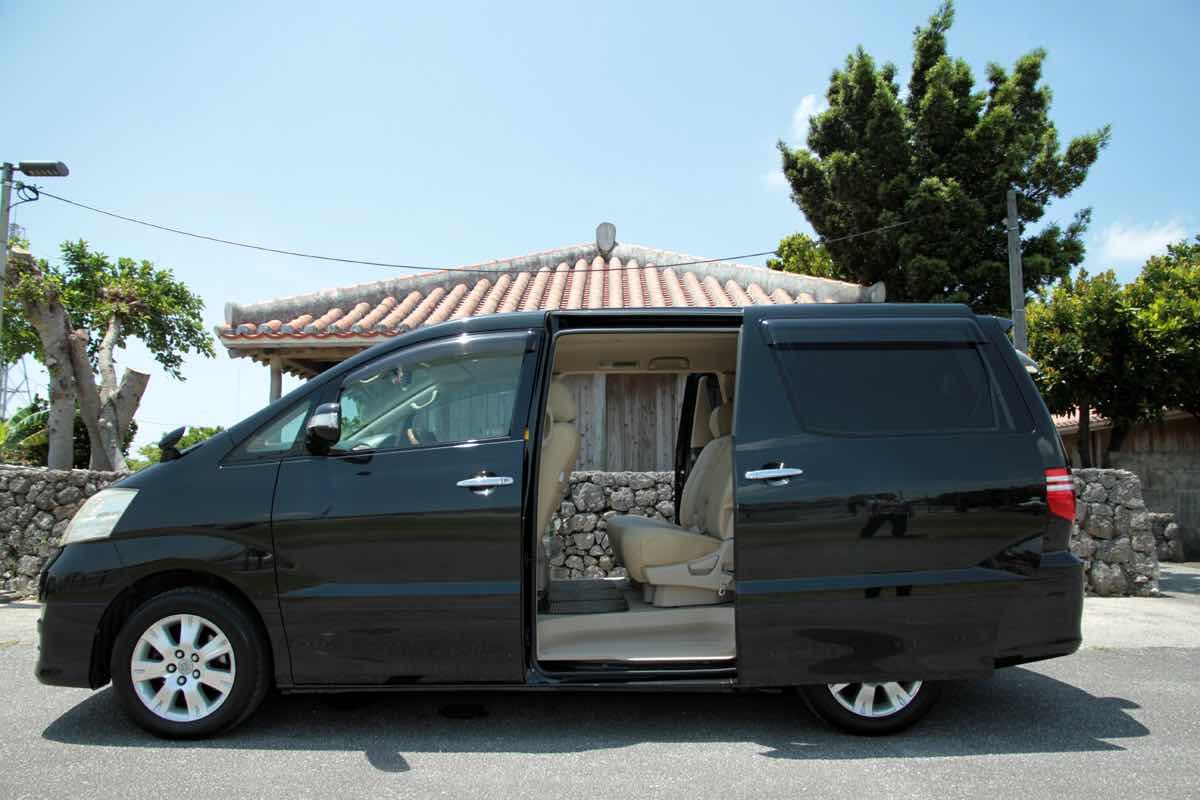
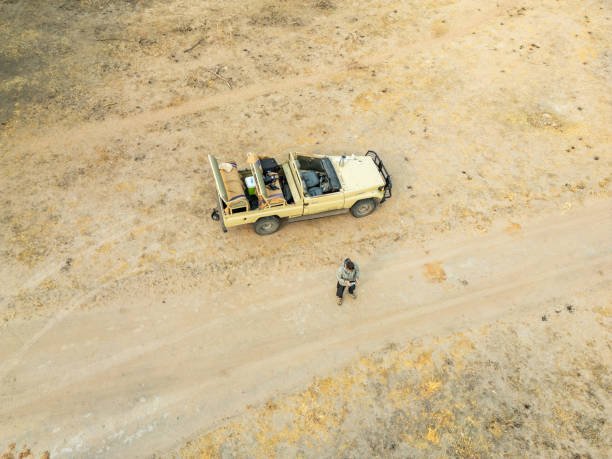
- Manage logistics: We handle all park fees, vehicle arrangements (4×4 safari cruisers), experienced guides, and internal transfers, ensuring a stress-free journey.
- Provide transparent pricing: We offer clear breakdowns of costs, whether you’re interested in Tanzania Safari Costs, group joining, or private tours.
To start planning your dream Tanzania safari to the Serengeti, Ngorongoro, and Tarangire for 2026-2027, get in touch with our local experts. We’re here to answer all your questions and build an itinerary that exceeds your expectations.
Ready to explore the best of Tanzania’s wildlife? Contact Top Guide Adventures today to plan your unforgettable safari adventure. Let us know your preferred travel dates for 2026 or 2027, your interests, and your budget, and we’ll craft a personalized itinerary. You can reach us via WhatsApp at +255 616 946 642 or by emailing us at topguideadventures@gmail.com. We look forward to helping you discover the magic of Tanzania!
Important Planning Note for 2026-2027
When booking your safari, especially for peak seasons in 2026-2027, it’s advisable to confirm availability and book well in advance. This applies particularly to sought-after lodges and campsites within the Serengeti and Ngorongoro Crater rim. Popular tour dates, especially during the Great Migration river crossings, fill up quickly.
Check Availability for Best Tanzania Safari Destinations: Serengeti, Ngorongoro & Tarangire…
Ready to compare dates, prices, and the best option for your group? Send the package name and travel month so the team can reply with a clear quote, availability, and what is included.

Tanzania Classic Wildlife Safaris: Serengeti, Ngorongoro, Tarangire & Manyara
start an unforgettable Tanzania classic wildlife safari covering the iconic parks of Serengeti, Ngorongoro Crater, Tarangire, and Lake Manyara. These tours are designed to showcase the best...
View package details
2 Day Tanzania Safari – Tarangire, Ngorongoro And Short Packages 2026-2027
2 Day Tanzania Safari – Tarangire, Ngorongoro and Short Safari Packages is explained with current 2026-2027 planning, price, itinerary and booking.
View package details
Serengeti Safari From Mwanza: Best Route For Western Tanzania & 2026-2027
Discover the optimal routes for a Serengeti safari starting from Mwanza, focusing on the unique experiences offered by Western Tanzania and the Western Serengeti. This guide provides...
View package details
Great Serengeti Migration Safaris In Tanzania: Best Routes, Seasons &
Discover the magic of the Great Serengeti Migration with Top Guide Adventures. This guide covers the best routes, optimal seasons for wildlife viewing, and essential planning tips for your...
View package details
Best 5 Day Private Safari Tour From Mwanza: Serengeti & Western Tanzania
start an unforgettable 5-day private safari adventure starting from Mwanza, Tanzania. This expertly crafted itinerary blends the iconic wildlife viewing of the Serengeti with the distinct...
View package details
How To Visit Southern Serengeti For Calving Season – Ndutu Safari, Timing And
Visiting the Southern Serengeti during the calving season in Ndutu offers an unparalleled wildlife spectacle. This guide details the optimal timing, essential logistics, and what to...
View package detailsAfrica Tours & Travel, All Safari Booking In Tanzania 2026-2027
Africa Tours & Travel, All Safari Booking in Tanzania is explained with current 2026-2027 planning, price, itinerary and booking information.
View package detailsMost Beautiful Countries In The World: Safari, Nature, And Adventure Travel
This guide explores the most beautiful countries globally, focusing on destinations that offer unparalleled opportunities for safari, nature immersion, and adventurous pursuits. From the...
View package detailsThe Worlds Richest Billionaires: Their Preferred Luxury Travel Destinations
This article delves into the travel habits and preferred destinations of the world's wealthiest individuals, examining their affinity for private islands, exclusive safari adventures, and...
View package detailsWho Is The Richest President In Zambia? Examining Wealth And Public Office
This article delves into the question of who the richest president in Zambia is, examining the complexities of wealth disclosure, public perception, and the financial standing of past and...
View package detailsTop 10 Deadliest Snakes Worldwide – African Wildlife Destinations And Safari
Top 10 Deadliest Snakes Worldwide – African Snakes, Wildlife Destinations and Safari Safety is explained with current 2026-2027 planning, price, itinerary.
View package details
Rubondo Island National Park Prices In Tanzania – Safari Fees, Chimpanzee
Understanding Rubondo Island National Park prices is key to planning your Tanzanian adventure. Costs vary based on accommodation, activities like chimpanzee trekking, and safari duration...
View package detailsNo closely related package is available yet for this topic.



