
A Northern Tanzania safari combining the Serengeti, Ngorongoro Crater, Tarangire National Park, and Lake Manyara National Park offers a quintessential East African wildlife viewing experience, showcasing diverse ecosystems and abundant game in 2026-2027. This classic circuit is best experienced over 5 to 7 days, typically starting and ending in Arusha, and involves choosing between private or group-joining tours, selecting accommodation styles (lodges or camping), and aligning your trip with the Great Migration for optimal viewing opportunities.
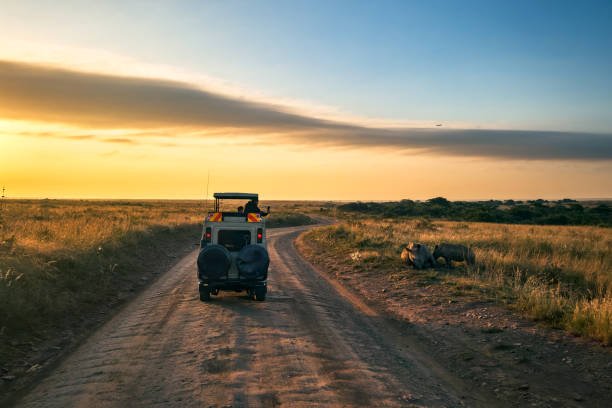

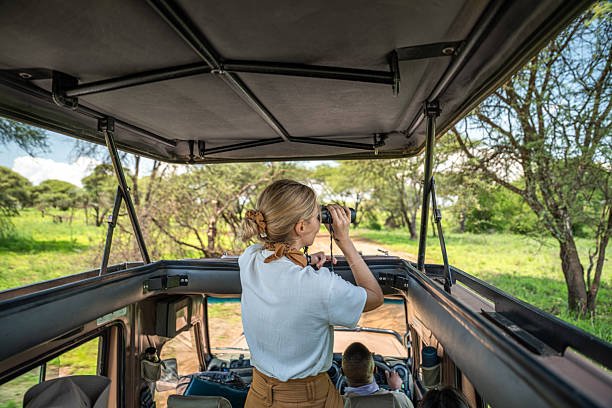
Why Combine Serengeti, Ngorongoro, Tarangire & Lake Manyara?
This quartet of parks forms the heart of Northern Tanzania’s safari circuit for good reason. Each offers a distinct landscape and a unique concentration of wildlife, providing a rich mix of experiences that few other regions can match. By combining them, you maximize your chances of seeing a vast array of species, from the megafauna of the Serengeti plains to the dense populations within the Ngorongoro Crater and the elephant herds of Tarangire.
The geographical proximity of these parks makes them ideal for a multi-destination safari. They are all accessible from Arusha, the main safari gateway, and the travel between them is relatively straightforward, allowing for efficient exploration. This synergy ensures you get a comprehensive overview of Tanzania’s incredible biodiversity. For instance, a Northern Tanzania safari from Arusha to Tarangire, Lake Manyara & Serengeti is a well-trodden path for a reason – it delivers exceptional wildlife encounters consistently.
Planning Your Northern Tanzania Safari 2026-2027
Successful safari planning hinges on several key decisions, especially for a multi-park itinerary like this. For 2026 and 2027, early booking is advisable, particularly for peak seasons and specific accommodation choices. Here’s what to consider:
- Duration: A minimum of 5 days is recommended to adequately cover Serengeti and Ngorongoro, with 7 days allowing for the inclusion of Tarangire and Lake Manyara without feeling rushed. Longer durations can offer deeper exploration or add other nearby attractions.
- Budget: Safari costs vary significantly based on accommodation (camping, mid-range lodges, luxury lodges), vehicle type, group size, and the season. Knowing your budget helps narrow down options. For instance, Tanzania budget safaris focus on shared tours and camping, while luxury safaris opt for high-end lodges and exclusive experiences.
- Travel Style: Do you prefer the camaraderie and cost-effectiveness of a group joining safari or the flexibility and exclusivity of a private safari?
- Time of Year: Wildlife viewing is excellent year-round, but specific events like the Great Migration’s river crossings or calving season occur at predictable times.
- Starting Point: Most Northern Circuit safaris begin from Arusha or Kilimanjaro International Airport (JRO). Some travelers may arrive from Zanzibar or Nairobi.
Understanding these factors is crucial. For example, if your primary goal is witnessing the Great Migration river crossings, you’ll need to plan your 2026 or 2027 trip for specific months when the herds are in the western or northern Serengeti. This level of detail can significantly enhance your safari experience.
Understanding Each Park in the Circuit
Each park in this circuit offers a unique slice of Tanzania’s wildlife spectacle:
Serengeti National Park
The undisputed crown jewel, the Serengeti is vast and iconic, famous for its endless plains and the Great Wildebeest Migration. It’s home to over 3 million large mammals, including lions, leopards, cheetahs, elephants, giraffes, zebras, and, of course, wildebeest. The park’s sheer size means different regions offer varied experiences throughout the year.
Key Highlights: Great Migration, Big Five, vast open grasslands, predator-prey interactions.
Best for: Experiencing the sheer scale of African wildlife, witnessing the Great Migration (timing dependent).
Ngorongoro Conservation Area (Crater)
A UNESCO World Heritage Site, the Ngorongoro Crater is a natural wonder – a collapsed volcano caldera teeming with an astonishing density of wildlife. Within its 260 sq km floor, you can often spot the Big Five (lion, leopard, elephant, rhino, buffalo) in a single day, alongside hippos, zebras, wildebeest, and numerous bird species. Its unique ecosystem is a major draw.
Key Highlights: High concentration of Big Five, resident wildlife, stunning caldera views, unique ecosystem.
Best for: Guaranteed Big Five sightings, dramatic landscapes, efficient wildlife viewing.
Tarangire National Park
Known as the ‘Land of Giants’, Tarangire is particularly famous for its large elephant herds, especially during the dry season (June to October) when they congregate around the Tarangire River. The park’s landscape is dominated by iconic baobab trees, acacia woodlands, and savanna, providing a different visual feel from the Serengeti.
Key Highlights: Large elephant populations, baobab trees, diverse birdlife, tree-climbing lions (occasionally).
Best for: Elephant encounters, unique landscapes, birdwatching, dry-season viewing.
Lake Manyara National Park
This relatively small park packs a punch with its diverse habitats, including an alkaline lake, groundwater forests, and acacia woodlands. It’s famous for its tree-climbing lions, a rare behavior, and large troops of baboons. The lake itself attracts a variety of water birds, including thousands of flamingos during certain seasons.
Key Highlights: Tree-climbing lions, large baboon troops, flamingo populations, diverse birdlife, groundwater forests.
Best for: Shorter game drives, seeing tree-climbing lions, birdwatching, diverse micro-habitats.
Typical Safari Itinerary Options
The combination of these parks allows for flexible itineraries. Here are common durations and routes:
5-Day Serengeti, Ngorongoro & Tarangire Safari
This is a popular choice for those with limited time, offering a taste of the best Tanzania has to offer. A typical flow:
- Day 1: Arusha to Tarangire National Park. Game drive and overnight near the park.
- Day 2: Tarangire to Serengeti National Park. Morning game drive in Tarangire, then drive to Serengeti with a stop at a Maasai village (optional). Game drive en route to your lodge/camp.
- Day 3: Full day Serengeti National Park. Explore the central Serengeti (Seronera area) or head towards the migration if it’s in season.
- Day 4: Serengeti to Ngorongoro Conservation Area. Morning game drive in Serengeti, then drive to the Ngorongoro Crater rim.
- Day 5: Ngorongoro Crater tour and return to Arusha. Descend into the crater for a morning game drive, then drive back to Arusha.
This 5 Day Serengeti, Ngorongoro & Tarangire Safari is a fantastic introduction.
7-Day Northern Circuit Safari (Serengeti, Ngorongoro, Tarangire, Lake Manyara)
This extended itinerary provides a more relaxed pace and allows for deeper exploration of each park, including Lake Manyara.
- Day 1: Arusha to Lake Manyara National Park. Game drive, known for its tree-climbing lions and birdlife. Overnight near Lake Manyara.
- Day 2: Lake Manyara to Tarangire National Park. Morning game drive in Lake Manyara, then drive to Tarangire. Afternoon game drive in Tarangire. Overnight near Tarangire.
- Day 3: Tarangire to Serengeti National Park. Morning game drive in Tarangire, then drive to Serengeti, potentially stopping at Maasai village. Game drive en route to accommodation.
- Day 4: Full day Serengeti National Park. Focus on the central Serengeti or follow the migration.
- Day 5: Serengeti National Park. Another full day of exploration, perhaps focusing on a different region.
- Day 6: Serengeti to Ngorongoro Conservation Area. Morning game drive in Serengeti, then drive to the Ngorongoro Crater rim.
- Day 7: Ngorongoro Crater tour and return to Arusha. Descend into the crater for a morning game drive, then drive back to Arusha.
This Northern Tanzania safari from Arusha to Tarangire, Lake Manyara & Serengeti often includes all four parks for a comprehensive experience.
Itinerary Variations
Itineraries can be customized. For example, some travelers might opt to spend more time in the Serengeti, especially if tracking the Great Migration. Others might prefer a shorter, more focused trip. For those interested in the wildebeest calving season, a Tanzania wildebeest calving safari would focus on the southern Serengeti in January and February.
Choosing Your Safari Style: Private vs. Group
Your choice between a private or group-joining safari significantly impacts the experience and cost:
Group-Joining Safaris
These are ideal for solo travelers or couples looking to save money. You join a small group of other travelers in a shared safari vehicle. Departures are usually on fixed dates, and itineraries are set.
- Pros: More affordable, opportunities to meet other travelers.
- Cons: Less flexibility, you share the vehicle and game drive time with others, fixed departure dates.
Top Guide Adventures offers excellent Tanzania Group Joining Safaris with daily departures for Serengeti, Ngorongoro, and Tarangire.
Private Safaris
You have exclusive use of the safari vehicle and guide. This offers maximum flexibility in terms of start dates, pace, and time spent at sightings. It’s perfect for families, groups of friends, or those seeking a more personalized experience.
- Pros: Complete flexibility, personalized itinerary, exclusive vehicle use, tailor-made to your interests.
- Cons: Higher cost per person compared to group tours.
For a tailor-made adventure, consider a Private Tanzania Safari. Top Guide Adventures specializes in crafting these unique journeys.
Accommodation and Lodging Choices
Your accommodation choice is a major factor in the safari experience and budget. Options range from basic to ultra-luxurious:
Budget Camping
This involves staying in public campsites or special campsites within or near national parks. You sleep in tents, and meals are prepared by a camp cook. It’s the most affordable option and offers a close-to-nature experience.
- Pros: Most economical, authentic bush experience, great for budget travelers.
- Cons: Basic facilities, shared bathrooms (sometimes), requires comfort with camping.
Check out Tanzania Budget Safaris for camping-focused tours.
Mid-Range Lodges and Tented Camps
These offer comfortable private rooms or permanent tents with en-suite bathrooms, hot water, and often swimming pools and restaurants. They strike a balance between comfort and immersion in the wilderness.
- Pros: Comfortable, good amenities, still feel connected to nature, good value.
- Cons: More expensive than camping, can be less exclusive than luxury options.
For a balanced experience, look into Tanzania Mid-Range Safari Lodge Packages for 2026-2027.
Luxury Lodges and Exclusive Camps
These are top-tier accommodations offering exquisite service, gourmet dining, spacious suites, private plunge pools, and often prime locations within or overlooking prime wildlife areas. They provide an indulgent safari experience.
- Pros: Ultimate comfort and luxury, exceptional service, prime locations, exclusive feel.
- Cons: Highest cost, may feel more removed from the raw bush experience for some.
Consider Tanzania Luxury Safari Packages for high-end stays in 2026.
Best Time to Visit for Wildlife Viewing
While Tanzania offers excellent wildlife viewing year-round, the ‘best’ time often depends on what you want to see:
- June to October (Dry Season): This is peak season. Wildlife is concentrated around permanent water sources, making game viewing easier. The Great Migration is typically in the western and northern Serengeti. This is also the best time for Serengeti Migration Safari river crossings. Expect cooler temperatures and less humidity.
- November to May (Green Season): This is the low season. The landscape is lush and green, providing excellent photographic opportunities. The Great Migration moves to the southern Serengeti for the calving season (January-February). Birdlife is at its best. Prices are often lower, and there are fewer crowds.
For the iconic river crossings of the Great Migration, plan your 2026-2027 safari for July to September. If witnessing the wildebeest calving, aim for January to March. For general Big Five viewing and large elephant herds in Tarangire, the dry season (June-October) is superb.
Booking Your Safari with Top Guide Adventures
Planning a safari to Northern Tanzania can seem complex, but with the right partner, it becomes an exciting and manageable process. Top Guide Adventures, based in Moshi/Arusha, are your local experts for 2026-2027 safari planning.
We understand the nuances of each park, the best times to visit, and how to craft an itinerary that matches your interests and budget. Whether you’re looking for a Tanzania Safari Package, a Serengeti Ngorongoro Big Five Wildlife Safari, or a custom Tanzania Family Safari, we can help.
Why choose Top Guide Adventures?
- Local Expertise: We are a local Tanzanian company with deep knowledge of the parks, wildlife, and logistics.
- Customization: We tailor itineraries to your specific needs, whether it’s for honeymooners, families, or solo adventurers. Explore options like Tanzania Honeymoon Safari Packages.
- Quality Vehicles and Guides: We use well-maintained 4×4 safari vehicles and employ experienced, licensed guides.
- Comprehensive Support: From initial inquiry to your departure, we provide practical advice and responsive service. We handle all park fees, accommodation bookings, and transfers.
To start planning your dream Northern Tanzania safari for 2026 or 2027, contact us today. Let us know your preferred dates, number of travelers, budget, and any specific interests (like the Great Migration or Big Five). We’ll help you create an unforgettable adventure. You can reach us via email at topguideadventures@gmail.com or WhatsApp at +255 616 946 642.
Check Availability for Northern Tanzania Safari: Serengeti, Ngorongoro, Tarangire & Lake Manyara
Ready to compare dates, prices, and the best option for your group? Send the package name and travel month so the team can reply with a clear quote, availability, and what is included.

Tanzania Classic Wildlife Safaris: Serengeti, Ngorongoro, Tarangire & Manyara
start an unforgettable Tanzania classic wildlife safari covering the iconic parks of Serengeti, Ngorongoro Crater, Tarangire, and Lake Manyara. These tours are designed to showcase the best...
View package details
2 Day Tanzania Safari – Tarangire, Ngorongoro And Short Packages 2026-2027
2 Day Tanzania Safari – Tarangire, Ngorongoro and Short Safari Packages is explained with current 2026-2027 planning, price, itinerary and booking.
View package details
Serengeti Safari From Mwanza: Best Route For Western Tanzania & 2026-2027
Discover the optimal routes for a Serengeti safari starting from Mwanza, focusing on the unique experiences offered by Western Tanzania and the Western Serengeti. This guide provides...
View package details
Great Serengeti Migration Safaris In Tanzania: Best Routes, Seasons &
Discover the magic of the Great Serengeti Migration with Top Guide Adventures. This guide covers the best routes, optimal seasons for wildlife viewing, and essential planning tips for your...
View package details
Best 5 Day Private Safari Tour From Mwanza: Serengeti & Western Tanzania
start an unforgettable 5-day private safari adventure starting from Mwanza, Tanzania. This expertly crafted itinerary blends the iconic wildlife viewing of the Serengeti with the distinct...
View package details
How To Visit Southern Serengeti For Calving Season – Ndutu Safari, Timing And
Visiting the Southern Serengeti during the calving season in Ndutu offers an unparalleled wildlife spectacle. This guide details the optimal timing, essential logistics, and what to...
View package detailsAfrica Tours & Travel, All Safari Booking In Tanzania 2026-2027
Africa Tours & Travel, All Safari Booking in Tanzania is explained with current 2026-2027 planning, price, itinerary and booking information.
View package detailsHow Much Does A Hadzabe Tribe Tour Cost? Lake Eyasi Prices And Cultural
Planning a trip to interact with the Hadzabe people? This guide breaks down the typical costs for Hadzabe tribe tours around Lake Eyasi, detailing what influences prices, what’s usually...
View package details
Hadzabe And Datoga Tribe Safari – Lake Eyasi Cultural Tour Traditional
Hadzabe and Datoga Tribe Safari – Lake Eyasi Cultural Tour and Traditional Experiences is explained with current 2026-2027 planning, price, itinerary and.
View package details
Rubondo Island National Park Prices In Tanzania – Safari Fees, Chimpanzee
Understanding Rubondo Island National Park prices is key to planning your Tanzanian adventure. Costs vary based on accommodation, activities like chimpanzee trekking, and safari duration...
View package detailsHadzabe Tribe Visit Cost, Hunting, Food, History And Location – Lake Eyasi
Hadzabe Tribe Visit Cost, Hunting, Food, History and Location – Lake Eyasi Cultural Safari is explained with current 2026-2027 planning, price, itinerary and.
View package detailsTop Car Brands Known For Reliability – Best Vehicles Road Trips, Safari
Top Car Brands Known for Reliability – Best Vehicles for Road Trips, Safari and Adventure Travel is explained with current 2026-2027 planning, price.
View package detailsNo closely related package is available yet for this topic.



