
The best safari in Tanzania combining the Serengeti, Ngorongoro Crater, and Tarangire National Park offers an unparalleled journey through three of East Africa’s most diverse and wildlife-rich ecosystems, typically over 5 to 8 days, providing a comprehensive glimpse of Tanzania’s natural wonders in 2026-2027.
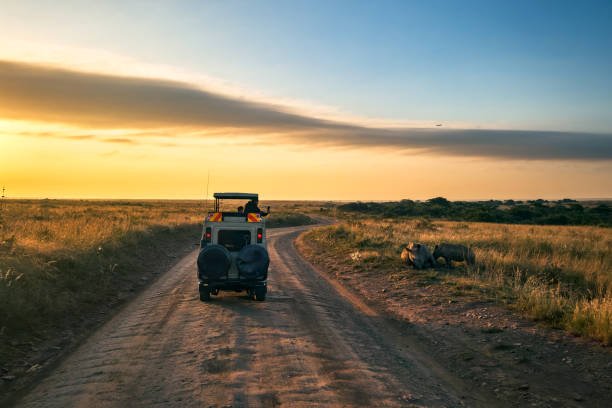

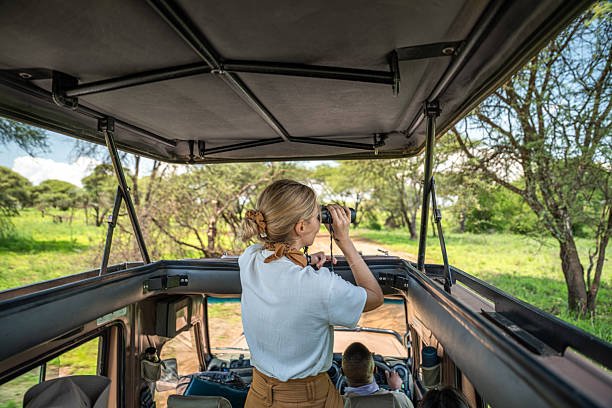
Planning a safari that encompasses the Serengeti, Ngorongoro Crater, and Tarangire National Park is a classic choice for good reason. Each park presents a distinct environment and a unique concentration of wildlife, ensuring that your Tanzanian adventure is both varied and spectacular. This combination is often considered the pinnacle of Northern Tanzania’s safari circuit, renowned for its Big Five sightings, incredible birdlife, and dramatic landscapes.
Understanding the Core Destinations: Serengeti, Ngorongoro, Tarangire
When we talk about the “best safari in Tanzania” featuring these three parks, we’re essentially curating an experience that hits the highlights of the northern safari circuit. Each location offers something distinct:
Serengeti National Park: The Endless Plains
The Serengeti is arguably Tanzania’s most famous safari destination. Its name, derived from the Maasai word ‘Siringet’ meaning ‘endless plains,’ perfectly captures its vast, open grasslands dotted with acacia trees and kopjes (rocky outcrops). This is the stage for the Great Migration, a impressive natural phenomenon where millions of wildebeest, zebras, and gazelles traverse the plains in search of fresh grazing. While the migration’s location shifts throughout the year, the Serengeti always teems with resident wildlife, including lions, leopards, cheetahs, elephants, giraffes, and a myriad of other species. The sheer scale of the Serengeti means you could spend weeks here and still discover new wonders.
Ngorongoro Conservation Area: The “Eighth Wonder of the World”
The Ngorongoro Crater is a UNESCO World Heritage Site and often called the eighth wonder of the world. It’s a collapsed volcano caldera, a vast natural amphitheater teeming with an exceptionally high density of wildlife. What makes it unique is that its borders are natural, meaning animals generally don’t migrate in and out as they do in the Serengeti. This results in reliable sightings of the Big Five (lion, leopard, elephant, rhino, buffalo) within a relatively compact area. The crater floor is a diverse landscape of grasslands, swamps, forests, and a soda lake, supporting an estimated 30,000 animals. Descending into the crater is a highlight for most visitors, offering an intimate wildlife viewing experience.
Tarangire National Park: Land of Giants and Baobabs
Tarangire National Park is renowned for its large elephant herds, especially during the dry season (roughly June to October) when they congregate around the Tarangire River. The park is also characterized by its ancient baobab trees, which create a unique and picturesque landscape. Beyond elephants, Tarangire offers excellent opportunities to see lions, leopards, cheetahs, giraffes, zebras, and a wide variety of birds. It’s often the first park visited on a northern circuit safari from Arusha, providing an excellent introduction to the Tanzanian wilderness with fewer crowds than the Serengeti.
Comparing Safari Styles: Private vs. Group Joining
When planning your safari, a crucial decision is whether to opt for a private tour or a group-joining safari. Each has its advantages and caters to different traveler needs and budgets for 2026-2027 trips.
Private Tanzania Safaris
A private Tanzania safari offers the ultimate in flexibility and customization. You’ll have your own safari vehicle and guide, allowing you to set the pace, choose your departure dates, and spend as much or as little time as you wish at specific sightings. This is ideal for families, honeymooners, or those who prefer an exclusive experience. You can tailor the itinerary precisely to your interests, whether it’s focusing on photography, specific animal behaviors, or visiting particular lodges. The downside is that private safaris are generally more expensive due to the dedicated vehicle and guide.
Group Joining Safaris
For budget-conscious travelers, group joining safaris are an excellent option. These tours have set departure dates and operate with a shared safari vehicle and guide among multiple travelers. This significantly reduces the cost per person, making a Tanzania safari more accessible. While you share the vehicle and must adhere to the group’s schedule, these safaris are expertly managed to ensure everyone gets a fulfilling experience. They are a fantastic way to meet like-minded travelers and enjoy the wonders of Serengeti, Ngorongoro, and Tarangire without the higher price tag of a private tour.
Itinerary Options: Crafting Your Best Safari
The duration of your safari will greatly influence the depth of experience you can have. While a 3-day trip can offer a glimpse, a 5-day or 7-day itinerary allows for a more relaxed pace and deeper exploration of each park.
Short Safaris (3-4 Days)
A 3-day Tanzania safari typically focuses on two of the three main parks, often Tarangire and Ngorongoro, or a quick Serengeti visit if time is extremely limited. These are fast-paced and best suited for those with very little time or as an add-on to another trip. They provide a taste of the safari experience but don’t allow for in-depth exploration.
Mid-Length Safaris (5-6 Days)
A 5-day Tanzania safari is a popular choice, allowing for a balanced experience. A common itinerary might include 1-2 days in Tarangire, 1-2 days in the Ngorongoro Crater, and 2 days in the Serengeti. This provides a good introduction to each park’s unique characteristics. A 6-day safari offers a bit more time, perhaps an extra day in the Serengeti to explore different regions or a more leisurely pace overall.
Extended Safaris (7-8 Days)
For the most comprehensive experience, an 8-day Tanzania safari is highly recommended. This duration allows for 3-4 days in the Serengeti, giving you ample time to track the migration (depending on the season), explore different sectors like Seronera and Lobo, and potentially visit areas like the Western Corridor. You’ll also have dedicated time for Tarangire and a full day exploring the Ngorongoro Crater, perhaps with an option to visit a Maasai village or explore the Ngorongoro Highlands. This length ensures you don’t feel rushed and can truly experience the wildlife and landscapes.
When to Go: Timing Your Best Safari
The timing of your safari significantly impacts the wildlife viewing experience, especially concerning the Great Migration and animal behavior. For 2026-2027, consider these periods:
- Dry Season (June to October): This is peak safari season. Wildlife is concentrated around water sources, making game viewing more predictable. The Serengeti’s plains are golden, and Tarangire’s elephant herds are particularly impressive. Skies are clear, offering excellent photography conditions. This is also the busiest and most expensive time.
- Green Season (November to May): This period offers lush landscapes and fewer crowds. The wildebeest migration is often found in the southern Serengeti or Ndutu area (bordering Ngorongoro) from December to March for calving season. Birdwatching is exceptional. Roads can be muddy, and some lodges might close. Prices are generally lower.
For specific wildlife events like the wildebeest calving, the period from late January to March in the southern Serengeti/Ndutu is ideal. If your focus is on the river crossings, then July to September in the western or northern Serengeti are prime times. Consult with your tour operator for the most up-to-date information on the migration’s location for your 2026 or 2027 safari.
Choosing Your Accommodation Style
Your safari accommodation plays a significant role in the overall experience and budget. Options range from budget-friendly campsites to luxurious lodges.
- Budget Camping: Offers a true wilderness experience. You’ll sleep in tents at designated campsites, often with shared facilities. This is the most economical option.
- Mid-Range Lodges and Tented Camps: These provide more comfort with en-suite bathrooms, comfortable beds, and often dining areas. Tented camps offer a blend of comfort and a closer connection to nature. Many mid-range safari packages focus on these options.
- Luxury Lodges and Camps: For ultimate comfort and exclusivity, these offer high-end amenities, fine dining, private verandas, swimming pools, and impeccable service. Luxury safaris provide a pampered experience.
Practical Considerations for Your Safari
Several practical aspects need attention when planning your trip for 2026-2027.
Packing Essentials
Pack light, breathable clothing in neutral colors (khaki, beige, olive green). Avoid bright colors and black/dark blue, which can attract tsetse flies. Essential items include a good camera with extra batteries and memory cards, binoculars, a wide-brimmed hat, sunglasses, sunscreen, insect repellent, a headlamp or flashlight, and comfortable walking shoes. For cooler mornings and evenings, a light jacket or fleece is advisable. Most lodges and camps have laundry services, so you don’t need to pack for every single day.
Vehicle and Guide Quality
The safari vehicle and guide are critical to your experience. Ensure your vehicle is a sturdy 4×4 (Land Cruiser or similar) with a pop-up roof for game viewing. A good guide is knowledgeable about wildlife, local culture, and the terrain, and can spot animals expertly. They should also be able to communicate effectively and ensure your safety. TOP GUIDE ADVENTURES prioritizes experienced, licensed guides and well-maintained vehicles for all its tours.
What’s Typically Included?
Most safari packages for Serengeti, Ngorongoro, and Tarangire will include:
- Park entrance fees
- Accommodation (lodge, tented camp, or camping)
- All meals during the safari (breakfast, lunch, dinner)
- A professional, English-speaking safari guide
- A 4×4 safari vehicle with a pop-up roof
- Bottled water during game drives
- Airport transfers
Exclusions typically include international flights, visa fees, travel insurance, tips for the guide and camp staff, personal expenses (souvenirs, drinks), and optional activities like hot air balloon safaris.
Making Your Booking Decision
Choosing the “best safari in Tanzania” involving Serengeti, Ngorongoro, and Tarangire is about aligning your interests, budget, and desired pace with the right itinerary and operator. For 2026-2027, booking in advance is highly recommended, especially for peak season travel, to secure preferred accommodation and ensure availability.
TOP GUIDE ADVENTURES specializes in creating tailored safari experiences across these iconic parks. Whether you’re looking for a budget-friendly group joining safari or a private family adventure, our local expertise ensures a smooth and unforgettable journey. We can help you navigate the complexities of park fees, optimal timings, and the best lodges to suit your needs.
To start planning your dream Tanzanian safari for 2026 or 2027, reach out to our expert team. We can provide personalized quotes and itineraries based on your specific requirements. Contact us via WhatsApp +255 616 946 642 or email us at topguideadventures@gmail.com. Let us craft your ultimate Serengeti, Ngorongoro, and Tarangire safari experience.
“,
“faq_schema”: [
{
“question”: “What is the best time of year for a Serengeti, Ngorongoro, and Tarangire safari in 2026-2027?”,
“answer”: “The dry season (June to October) offers the most predictable game viewing, with animals concentrated around water sources. However, the green season (November to May) offers lush landscapes and is ideal for birdwatching and seeing the wildebeest calving (Jan-Mar). For the Great Migration river crossings, aim for July to September in the Serengeti.”
},
{
“question”: “How many days are typically needed for a safari covering Serengeti, Ngorongoro, and Tarangire?”,
“answer”: “A minimum of 5 days is recommended to get a good feel for all three parks. A 6-day or 7-day safari allows for a more in-depth exploration, particularly in the Serengeti, and a more relaxed pace. An 8-day trip offers the most comprehensive experience.”
},
{
“question”: “What is the difference between a private safari and a group joining safari in Tanzania?”,
“answer”: “A private safari offers flexibility, a dedicated vehicle and guide, and the ability to customize your itinerary. A group joining safari is more budget-friendly, with set departure dates and shared vehicles/guides, making it ideal for solo travelers or those on a tighter budget.”
},
{
“question”: “Can I see the Big Five on a safari in Serengeti, Ngorongoro, and Tarangire?”,
“answer”: “Yes, all three parks offer excellent chances to see the Big Five (lion, leopard, elephant, rhino, buffalo). The Ngorongoro Crater is particularly known for its high density of these animals, including the rare black rhino.”
},
{
“question”: “What should I pack for a Tanzania safari in 2026-2027?”,
“answer”: “Pack light, neutral-colored, breathable clothing. Essentials include binoculars, a camera with extra batteries, sunscreen, a wide-brimmed hat, sunglasses, insect repellent, and comfortable walking shoes. A light jacket or fleece is recommended for cooler mornings and evenings.”
}
]
}
“`
Check Availability for Best Safari In Tanzania Serengeti Ngorongoro And Tarangire 2026-2027
Ready to compare dates, prices, and the best option for your group? Send the package name and travel month so the team can reply with a clear quote, availability, and what is included.

Tanzania Classic Wildlife Safaris: Serengeti, Ngorongoro, Tarangire & Manyara
start an unforgettable Tanzania classic wildlife safari covering the iconic parks of Serengeti, Ngorongoro Crater, Tarangire, and Lake Manyara. These tours are designed to showcase the best...
View package details
2 Day Tanzania Safari – Tarangire, Ngorongoro And Short Packages 2026-2027
2 Day Tanzania Safari – Tarangire, Ngorongoro and Short Safari Packages is explained with current 2026-2027 planning, price, itinerary and booking.
View package details
Serengeti Safari From Mwanza: Best Route For Western Tanzania & 2026-2027
Discover the optimal routes for a Serengeti safari starting from Mwanza, focusing on the unique experiences offered by Western Tanzania and the Western Serengeti. This guide provides...
View package details
Great Serengeti Migration Safaris In Tanzania: Best Routes, Seasons &
Discover the magic of the Great Serengeti Migration with Top Guide Adventures. This guide covers the best routes, optimal seasons for wildlife viewing, and essential planning tips for your...
View package details
Best 5 Day Private Safari Tour From Mwanza: Serengeti & Western Tanzania
start an unforgettable 5-day private safari adventure starting from Mwanza, Tanzania. This expertly crafted itinerary blends the iconic wildlife viewing of the Serengeti with the distinct...
View package details
How To Visit Southern Serengeti For Calving Season – Ndutu Safari, Timing And
Visiting the Southern Serengeti during the calving season in Ndutu offers an unparalleled wildlife spectacle. This guide details the optimal timing, essential logistics, and what to...
View package detailsAfrica Tours & Travel, All Safari Booking In Tanzania 2026-2027
Africa Tours & Travel, All Safari Booking in Tanzania is explained with current 2026-2027 planning, price, itinerary and booking information.
View package details
Rubondo Island National Park Prices In Tanzania – Safari Fees, Chimpanzee
Understanding Rubondo Island National Park prices is key to planning your Tanzanian adventure. Costs vary based on accommodation, activities like chimpanzee trekking, and safari duration...
View package detailsTop Car Brands Known For Reliability – Best Vehicles Road Trips, Safari
Top Car Brands Known for Reliability – Best Vehicles for Road Trips, Safari and Adventure Travel is explained with current 2026-2027 planning, price.
View package detailsMost Beautiful Countries In The World: Safari, Nature, And Adventure Travel
This guide explores the most beautiful countries globally, focusing on destinations that offer unparalleled opportunities for safari, nature immersion, and adventurous pursuits. From the...
View package detailsThe Worlds Richest Billionaires: Their Preferred Luxury Travel Destinations
This article delves into the travel habits and preferred destinations of the world's wealthiest individuals, examining their affinity for private islands, exclusive safari adventures, and...
View package detailsBiggest Animals Ever Discovered: African Wildlife, Ocean Giants, And Safari
Discover the planet's most massive creatures, including the giants of African savannas and the leviathans of the deep sea. Learn about their habitats, characteristics, and the awe they...
View package detailsNo closely related package is available yet for this topic.



