
A Tanzania birding safari focusing on the Serengeti, Ngorongoro Crater, and Tarangire National Park in 2026-2027 offers a spectacular blend of avian diversity and iconic mammal sightings, catering to both dedicated ornithologists and general wildlife enthusiasts. These destinations are renowned for their rich ecosystems, supporting a vast array of resident and migratory bird species, alongside the legendary “Big Five” and numerous other wildlife. Planning typically involves selecting a safari duration, accommodation style (lodges or luxury tented camps), and whether to opt for a private or group tour, with expert local operators like Top Guide Adventures providing tailored itineraries and expert guiding to maximize your birding and wildlife encounters.

Why Tanzania for Birding?
Tanzania stands as a premier destination for birdwatchers, boasting an astonishing avian diversity that ranks among the highest in Africa. With over 1,100 recorded bird species, the country’s varied habitats – from savannas and woodlands to wetlands and mountains – create unique niches for a impressive array of feathered inhabitants. For those specifically interested in birding, combining the iconic northern circuit parks like Serengeti, Ngorongoro, and Tarangire offers a concentrated yet comprehensive experience. These parks aren’t just about the “Big Five”; they are vibrant ecosystems teeming with endemic species, spectacular raptors, dazzling sunbirds, and a multitude of waterbirds. Planning a birding-focused safari for 2026 or 2027 allows you to witness these natural spectacles during optimal seasons, ensuring a rewarding adventure for every level of birder.
While many safaris focus primarily on mammal sightings, a dedicated birding safari in these renowned locations elevates the experience. You’ll learn to identify species by sight and sound, appreciate the subtle beauty of smaller creatures often overlooked, and gain a deeper understanding of the intricate ecological balance. Top Guide Adventures specializes in crafting these detailed itineraries, ensuring that your safari maximizes opportunities for bird observation without compromising on the thrill of encountering Tanzania’s megafauna. Our guides are trained to spot and identify a wide range of species, providing insights into their behavior, habitats, and migratory patterns.
Serengeti National Park: A Birder’s Paradise
The Serengeti, meaning “endless plains” in the Maasai language, is globally celebrated for the Great Migration and its abundant predator populations. However, for birders, it is equally magnificent. The vast grasslands, acacia woodlands, riverine forests, and kopjes (rocky outcrops) create diverse microhabitats supporting over 500 bird species. During the 2026-2027 season, expect to find:
- Raptors: Martial Eagle, Bateleur, Tawny Eagle, African Fish Eagle, and various vultures are commonly sighted.
- Grassland Birds: Ostrich, Secretarybird, Kori Bustard (Africa’s heaviest flying bird), and various larks and pipits inhabit the open plains.
- Woodland and Riverine Species: Lilac-breasted Roller (often considered Tanzania’s most beautiful bird), Fischer’s Lovebird, Grey-headed Kingfisher, Hornbills (like the Trumpeter Hornbill), and Superb Starling thrive in wooded areas.
- Specialties: Keep an eye out for the Usambiro Sparrow (endemic to this region), Pangani Longclaw, and various weavers and bishops.
The timing of your Serengeti birding safari is crucial. The period between November and April, coinciding with the rains, often brings migratory birds from Europe and Asia, enriching the park’s avian population. This is also the breeding season for many resident birds, offering opportunities to see them in their finest plumage. While the Great Migration is a spectacle in itself, it also stirs up insects, attracting insectivorous birds. A 5-day Tanzania safari or longer allows sufficient time to explore different regions of the Serengeti, from the central Seronera Valley to the northern corridor, each offering unique birding opportunities.
For a deeper look at the Serengeti’s avian life, consider longer itineraries like an 8-day Tanzania safari that includes extended time in this vast park. This allows for exploration of less-visited areas and tracking down specific species with patience.
Ngorongoro Crater: The “Eighth Wonder” for Birds
The Ngorongoro Crater, a UNESCO World Heritage Site, is a natural amphitheater teeming with wildlife, and its unique caldera ecosystem supports an impressive 400-plus bird species. The Crater floor, rich in water sources and varied vegetation, is a magnet for both resident and migratory birds, especially during the wet season (November to May).
- Waterbirds: The Crater lakes, particularly Lake Magadi, attract large numbers of flamingos (less common in recent years but still possible), Egyptian Geese, Maccoa Ducks, and various herons and egrets.
- Raptors: Verreaux’s Eagle (often seen on the crater rim), Tawny Eagle, and Ospreys are notable raptors.
- Endemics and Specialties: The Schalow’s Turaco, Golden-winged Sunbird, and Shelley’s Rufous Sparrow are highly sought-after species. The rare Pangani Longclaw is also found here.
- General Species: Expect to see Fischer’s Lovebirds, Cinnamon-chested Bee-eaters, Red-billed Hornbills, and many species of francolins and quails.
A key advantage of birding in the Ngorongoro Crater is its compact size. You can cover significant ground and observe a wide variety of species within a single day’s game drive. The crater rim also offers excellent birding, with species adapted to montane forests. For those combining it with the Serengeti, a typical Serengeti, Ngorongoro, and Tarangire safari package might allocate one or two days to the crater, which is often sufficient for a good overview of its birdlife.
When planning your 2026-2027 trip, consider the advantage of a Tanzania Big Five Safari that includes Ngorongoro; the birding opportunities are a significant bonus to the already spectacular wildlife viewing.
Tarangire National Park: The Land of Giants and Feathered Jewels
Tarangire National Park is renowned for its huge elephant herds and iconic baobab trees, but it’s also a critical habitat for over 550 bird species, making it a prime birding destination, especially during the dry season (June to October).
- Dry Season Haven: As other water sources dry up, Tarangire’s permanent river and swamps attract a concentration of birds, including waterbirds, waders, and raptors.
- Specialties: The park is particularly famous for its large population of Yellow-collared Lovebirds. Other sought-after species include the Ashy Starling, Rufous-tailed Weaver, Vulturine Guineafowl, and various hornbills.
- Raptors and Game Birds: Expect to see African Martial Eagle, Bateleur, Osprey, and the striking Crested Francolin.
- Baobab Tree Associates: Birds that favour the acacia and baobab woodlands are abundant, such as the White-headed Buffalo Weaver and various sunbirds.
Tarangire’s birdlife is spectacular from July to November when the park becomes a magnet for both resident and migratory birds seeking water and food. The density of bird species per square kilometre here is exceptionally high. For birding enthusiasts, spending at least two full days in Tarangire, perhaps as part of a Tanzania Safari from Arusha to Tarangire, Lake Manyara & Serengeti, is highly recommended. This allows ample time to explore the diverse habitats, from the open grasslands to the dense riverine forests.
For those seeking value, Tanzania budget safaris that include Tarangire often offer excellent birding opportunities alongside general wildlife viewing, especially on group departures.
Tailoring Your Tanzania Birding Safari: Duration, Style, and Season
Choosing the right safari package is key to a successful birding adventure. The decision often hinges on duration, accommodation preference, and whether you prefer a private or group experience. For 2026-2027, consider these options:
Safari Duration
- Short Trips (3-4 Days): A 3 Day Tanzania Safari focusing on Tarangire and Ngorongoro can offer a good introduction to birding in these areas, though it’s rushed.
- Standard Trips (5-6 Days): A 6 Day Tanzania Safari covering all three parks is a popular choice, allowing for a more relaxed pace and better birding opportunities. A 5 Day Serengeti, Ngorongoro & Tarangire Safari is also a great balance.
- Extended Trips (7+ Days): For serious birders, an 8 Day Tanzania Safari or longer provides ample time to explore each park thoroughly, track specific species, and visit different habitats within each park. This is ideal for maximizing sightings of rare and elusive birds.
Accommodation Styles
- Budget/Mid-Range Camping: Offers a more rustic and in-depth experience, often with excellent access to birding hotspots. Basic but comfortable public campsites or more private tented camps are available.
- Mid-Range Lodges/Tented Camps: Provides comfortable amenities, good food, and often located in scenic areas with potential for resident bird sightings right from your lodge. Tanzania Mid-Range Safaris are a popular choice.
- Luxury Lodges/Tented Camps: For ultimate comfort and exclusivity, these lodges offer premium services, gourmet dining, and prime locations. Tanzania Luxury Safaris often feature private conservancies or exclusive-use areas.
Private vs. Group Safaris
- Private Safaris: Offer maximum flexibility. You control the pace, the timings, and can spend as much time as you need observing a particular bird or species. Ideal for dedicated birders. Private Tanzania Safaris are highly recommended for birding.
- Group Joining Safaris: A more budget-friendly option, perfect for solo travelers or couples looking to share costs. Tanzania Group Joining Safaris are available with set departure dates, offering a good value for experiencing these parks.
Best Time for Birding (2026-2027)
- Rainy Season (November to May): This is generally the peak season for birding. Migratory birds are present, and resident birds are in breeding plumage. Tarangire and Serengeti are particularly good during this period.
- Dry Season (June to October): While mammal viewing is often at its peak, Tarangire’s swamps become vital birding hubs, attracting large numbers of waterbirds and waders. Ngorongoro also remains productive.
Essential Planning for Your 2026-2027 Birding Safari
Successful birding safaris require careful preparation. Here are key aspects to consider for your 2026-2027 trip:
What to Pack for Birding
- Binoculars: A high-quality pair (8×42 or 10×42 are good choices) is essential.
- Field Guide: A comprehensive bird identification guide for East Africa is invaluable.
- Camera: With a good zoom lens to capture distant birds.
- Notebook and Pen: To record sightings and notes.
- Sun Protection: Hat, sunglasses, and high SPF sunscreen.
- Insect Repellent: Especially for evenings and near water bodies.
- Appropriate Clothing: Neutral-coloured, lightweight, long-sleeved shirts and trousers to protect from sun and insects. Comfortable walking shoes.
- Rain Gear: A lightweight waterproof jacket, particularly if travelling during the shoulder or rainy seasons.
What to Confirm with Your Operator
- Guide Expertise: Ensure your guide has experience with birdwatching and can identify local species. Top Guide Adventures employs guides with extensive knowledge of avian life.
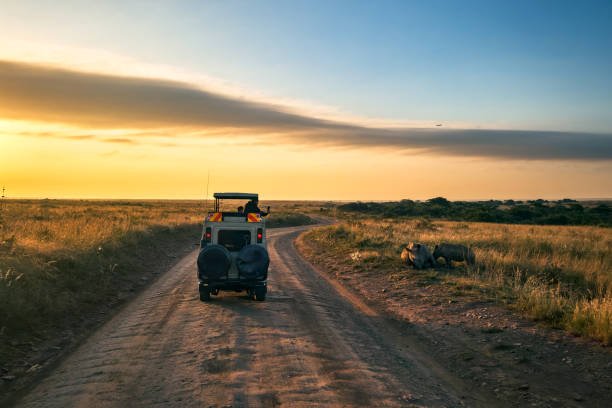
- Vehicle: A 4×4 safari vehicle with a pop-up roof is standard and crucial for optimal viewing angles.
- Itinerary Flexibility: For birding, flexibility to stop for extended periods to observe birds is vital. Private safaris offer this best.
- Park Fees: Understand what park fees are included in your package. These can be substantial.
- Accommodation Details: Clarify the type of camps or lodges and their specific locations within or near the parks.
- Meals: Full board is typical, but confirm what is included (e.g., picnic lunches, dinners).
Best Time for General Wildlife Viewing
While birding is often best during the green season (rainy months), the dry season (June to October) is peak time for viewing the Great Migration in the Serengeti and for seeing large concentrations of animals, especially elephants, in Tarangire. Many travelers choose to combine these seasons or opt for shoulder months to experience both exceptional birding and wildlife viewing.
For those interested in the spectacular wildebeest calving season, planning a safari between January and March to the southern Serengeti is highly recommended. This period also offers excellent birding opportunities. You can explore options like the Tanzania Wildebeest Calving Safari.
Booking Your Tanzania Birding Safari with Top Guide Adventures
Organizing a specialized birding safari requires local expertise to ensure you maximize your chances of encountering the diverse avian life of Tanzania’s northern circuit. Top Guide Adventures, based in Moshi/Arusha, are your local experts for 2026-2027 safari planning.
We understand the nuances of each park’s ecosystem and the best times and locations for birdwatching. Whether you’re seeking a Tanzania Safari Package that balances birding with general wildlife, or a dedicated ornithological expedition, we can tailor an itinerary to your specific interests and budget.
Why choose Top Guide Adventures for your 2026-2027 birding safari?
- Local Knowledge: Our guides are passionate about Tanzania’s wildlife, including its birds, and have an intimate understanding of the best viewing areas.
- Customization: We create personalized itineraries, whether you prefer a private safari for ultimate flexibility or join one of our group departures.
- Comprehensive Planning: From park fees and accommodation to expert guiding and transfers, we handle all the details.
- Responsive Support: We offer practical advice and support from your initial inquiry through to your departure.
To start planning your unforgettable Tanzania birding safari for 2026 or 2027, please reach out to us. We can discuss your specific birding interests, preferred travel style, and budget to craft the perfect itinerary. Let us help you discover the incredible avian wonders of the Serengeti, Ngorongoro Crater, and Tarangire National Park.
Contact us today:
- WhatsApp: +255 616 946 642
- Email: topguideadventures@gmail.com
We look forward to helping you plan your dream Tanzania birding safari!
Check Availability for Tanzania Birding Safari: Serengeti, Ngorongoro & Tarangire Adventures
Ready to compare dates, prices, and the best option for your group? Send the package name and travel month so the team can reply with a clear quote, availability, and what is included.

Tanzania Classic Wildlife Safaris: Serengeti, Ngorongoro, Tarangire & Manyara
start an unforgettable Tanzania classic wildlife safari covering the iconic parks of Serengeti, Ngorongoro Crater, Tarangire, and Lake Manyara. These tours are designed to showcase the best...
View package details
2 Day Tanzania Safari – Tarangire, Ngorongoro And Short Packages 2026-2027
2 Day Tanzania Safari – Tarangire, Ngorongoro and Short Safari Packages is explained with current 2026-2027 planning, price, itinerary and booking.
View package details
Serengeti Safari From Mwanza: Best Route For Western Tanzania & 2026-2027
Discover the optimal routes for a Serengeti safari starting from Mwanza, focusing on the unique experiences offered by Western Tanzania and the Western Serengeti. This guide provides...
View package details
Great Serengeti Migration Safaris In Tanzania: Best Routes, Seasons &
Discover the magic of the Great Serengeti Migration with Top Guide Adventures. This guide covers the best routes, optimal seasons for wildlife viewing, and essential planning tips for your...
View package details
Best 5 Day Private Safari Tour From Mwanza: Serengeti & Western Tanzania
start an unforgettable 5-day private safari adventure starting from Mwanza, Tanzania. This expertly crafted itinerary blends the iconic wildlife viewing of the Serengeti with the distinct...
View package details
How To Visit Southern Serengeti For Calving Season – Ndutu Safari, Timing And
Visiting the Southern Serengeti during the calving season in Ndutu offers an unparalleled wildlife spectacle. This guide details the optimal timing, essential logistics, and what to...
View package detailsAfrica Tours & Travel, All Safari Booking In Tanzania 2026-2027
Africa Tours & Travel, All Safari Booking in Tanzania is explained with current 2026-2027 planning, price, itinerary and booking information.
View package details
Rubondo Island National Park Prices In Tanzania – Safari Fees, Chimpanzee
Understanding Rubondo Island National Park prices is key to planning your Tanzanian adventure. Costs vary based on accommodation, activities like chimpanzee trekking, and safari duration...
View package detailsTop Car Brands Known For Reliability – Best Vehicles Road Trips, Safari
Top Car Brands Known for Reliability – Best Vehicles for Road Trips, Safari and Adventure Travel is explained with current 2026-2027 planning, price.
View package detailsMost Beautiful Countries In The World: Safari, Nature, And Adventure Travel
This guide explores the most beautiful countries globally, focusing on destinations that offer unparalleled opportunities for safari, nature immersion, and adventurous pursuits. From the...
View package detailsThe Worlds Richest Billionaires: Their Preferred Luxury Travel Destinations
This article delves into the travel habits and preferred destinations of the world's wealthiest individuals, examining their affinity for private islands, exclusive safari adventures, and...
View package detailsBiggest Animals Ever Discovered: African Wildlife, Ocean Giants, And Safari
Discover the planet's most massive creatures, including the giants of African savannas and the leviathans of the deep sea. Learn about their habitats, characteristics, and the awe they...
View package detailsNo closely related package is available yet for this topic.



