
The best Tanzania safari itinerary for Serengeti, Ngorongoro, and Tarangire typically spans 5 to 8 days, offering a comprehensive exploration of these three premier wildlife destinations in 2026-2027. This classic Northern Circuit route is designed to maximize wildlife sightings, from the vast plains of the Serengeti to the unique caldera of the Ngorongoro Crater and the elephant-rich landscapes of Tarangire. The primary decision for travelers involves choosing the ideal duration and the type of accommodation that best suits their budget and comfort preferences, whether that’s a lodge or a tented camp.
Why This Trio: Serengeti, Ngorongoro & Tarangire?
When planning a Tanzania safari, the combination of the Serengeti, Ngorongoro Crater, and Tarangire National Park stands out as the quintessential Northern Circuit experience for good reason. Each park offers a distinct ecosystem and unique wildlife viewing opportunities, ensuring a diverse and unforgettable adventure. This trio is consistently recommended by local experts for 2026-2027 because it provides a concentrated yet varied safari that covers the most iconic landscapes and animal encounters Tanzania has to offer.
Serengeti National Park is world-renowned for the Great Migration, where millions of wildebeest, zebras, and gazelles traverse the plains in search of greener pastures, attracting a host of predators. Its sheer size and abundance of wildlife make it a must-visit. Ngorongoro Crater, a UNESCO World Heritage Site, is a collapsed volcano caldera teeming with an exceptionally high density of animals, including the rare black rhino, and offers a dramatic, enclosed safari environment. Tarangire National Park, often called the “Land of Giants,” is famous for its massive elephant herds, ancient baobab trees, and a vibrant birdlife, especially during the dry season.
Combining these three parks within a single itinerary allows travelers to witness the full spectrum of Tanzania’s natural wonders without excessive travel time between destinations. It’s a strategic choice that minimizes transit days while maximizing game drive opportunities, making it the most efficient way to experience the country’s most celebrated wildlife spectacles. For those looking for the ultimate safari experience, this combination is hard to beat.”,
“content”: ”
Choosing Your Ideal Itinerary Length: 5 to 8 Days Explained
The duration of your safari is one of the most critical decisions, directly impacting the depth of your experience and your overall budget. For the Serengeti, Ngorongoro, and Tarangire combination, a safari of 5 to 8 days is generally considered optimal. Each day allows for more in-depth game drives, time to explore different regions within the parks, and a more relaxed pace.
* 5-Day Safari: This is the most time-efficient option, perfect for travelers with limited vacation time. It provides a taste of each park but requires a faster pace and less time for in-depth exploration. You’ll typically get one full day in the Serengeti, a half-day or full-day in Ngorongoro, and a half-day or full-day in Tarangire. This is a good introduction but might feel rushed for some.
* 6-Day Safari: This offers a slightly more relaxed pace, usually allowing for two full days in the Serengeti and a full day in both Tarangire and Ngorongoro. It’s a popular choice that strikes a good balance between seeing the highlights and having some breathing room.
* 7-Day Safari: With seven days, you can dedicate more time to the Serengeti, perhaps exploring two different areas, and enjoy unhurried visits to Tarangire and Ngorongoro. This allows for more extensive game drives and a greater chance of encountering diverse wildlife.
* 8-Day Safari: This is the most comprehensive option, offering ample time to truly experience the Serengeti, potentially following the migration if timed correctly, and thoroughly exploring Tarangire and Ngorongoro. It allows for a slower pace, more flexibility, and deeper photographic opportunities.
When planning for 2026-2027, consider that longer itineraries often mean more value per day, as the major transfer costs are spread out. However, the most important factor is ensuring you have enough time to genuinely appreciate each location rather than just ticking boxes. For many, the 6 or 7-day safari represents the sweet spot for this iconic itinerary.”,
“content”: ”
Serengeti National Park: The Crown Jewel
The Serengeti is the undisputed heart of any Tanzanian safari. Its name, derived from the Maasai word “Siringet,” meaning “endless plains,” perfectly describes its vast, sweeping landscapes that stretch as far as the eye can see. This park is most famous for hosting the Great Migration, a spectacular natural phenomenon involving over 1.5 million wildebeest, hundreds of thousands of zebras, and countless gazelles.
Wildlife density in the Serengeti is exceptionally high year-round. Beyond the migrating herds, you’ll find resident populations of lions, leopards, cheetahs, elephants, giraffes, buffaloes, and a plethora of other mammals and birds. The sheer scale of the park means that even with many visitors, it’s still possible to find secluded spots for incredible wildlife viewing. For photographers and wildlife enthusiasts, the Serengeti offers endless opportunities for iconic shots, from dramatic predator-prey interactions to the impressive spectacle of the migration river crossings (timing dependent).
When planning your 2026-2027 safari, understanding the Serengeti’s different regions is key to maximizing your experience, as the migration’s location shifts throughout the year. Your choice of accommodation, whether a permanent lodge or a mobile tented camp, will also influence your proximity to prime wildlife areas.”,
“content”: ”
Serengeti’s Regions: Where to Focus for the Best Experience
To truly appreciate the Serengeti, it’s important to know that it’s not a monolithic park. Different areas offer distinct experiences, particularly influenced by the Great Migration’s annual cycle. For 2026-2027, consider these key regions:
* Central Serengeti (Seronera Valley): This is the most accessible and often visited area, offering excellent game viewing year-round due to its permanent water sources. It’s known for its high concentration of big cats, particularly lions and leopards. If your itinerary is shorter or your visit is outside the main migration season, Seronera is a fantastic base.
* Northern Serengeti (Kogatende/Lamai): This region is famous for the dramatic river crossings of the Great Migration, typically occurring from July to October when the herds cross the Mara River. If witnessing this incredible event is your priority, planning your safari for these months and staying in the north is essential. It’s more remote and can be pricier to access.
* Western Serengeti (Grumeti River): Known for the Grumeti River, which also sees migration river crossings, though often less dramatic than the Mara River crossings. It’s also a good area for spotting large crocodiles and offers excellent leopard sightings. This area is often visited between May and July.
* Southern Serengeti (Ndutu Area): From December to March, the herds gather in the southern plains and around Ndutu (which straddles the border with the Ngorongoro Conservation Area) for calving season. This is a prime time for witnessing predator action as predators take advantage of the vulnerable newborn wildebeest and zebras. The landscape here is more open grassland.
Your chosen itinerary length will dictate how many regions you can realistically explore. A 5 or 6-day trip might focus on Seronera, while longer safaris (7-8 days) can incorporate a second region like the North or South to track the migration more effectively.”,
“content”: ”
Ngorongoro Crater: A Natural Amphitheater of Wildlife
The Ngorongoro Crater is one of Africa’s most spectacular natural wonders and a UNESCO World Heritage Site. It’s essentially a vast, intact caldera formed by the collapse of a volcano, creating a self-contained ecosystem that is home to an astonishingly high density of wildlife. The crater floor, covering approximately 260 square kilometers, supports an estimated 25,000 large animals.
What makes Ngorongoro so special is the concentration and diversity of its inhabitants. It is one of the best places in Tanzania to spot the Big Five – lion, leopard, elephant, rhino, and buffalo – in a single day. The rare black rhino, in particular, is a star attraction here, with a healthy population thriving within the crater’s confines. Other common sightings include wildebeest, zebras, hyenas, hippos, cheetahs, and a remarkable array of birdlife, including flamingos on the soda lake.
The experience of descending into the crater is impressive. The steep walls of the caldera create a dramatic backdrop, and the game viewing is often superb due to the compact area and abundant water sources. However, it’s important to note that visitor numbers can be high, and regulations are in place to protect the fragile environment, including strict time limits on the crater floor and restrictions on off-road driving. Understanding these nuances is crucial for planning a fulfilling visit in 2026-2027.”,
“content”: ”
Ngorongoro Crater vs. Conservation Area: Understanding the Difference
It’s vital to distinguish between the Ngorongoro Crater itself and the larger Ngorongoro Conservation Area (NCA). Many travelers assume they are one and the same, but the NCA is a vast region with diverse landscapes and communities, of which the crater is just one part.
* Ngorongoro Crater: This is the 600-meter-deep caldera, a natural bowl teeming with wildlife. Access to the crater floor for game drives requires a permit and is typically limited to a maximum of six hours. This is where you’ll find the highest concentration of animals and the best chance to see rhinos.
* Ngorongoro Conservation Area (NCA): This is a much larger protected area surrounding the crater. It encompasses the Ngorongoro Highlands, Olduvai Gorge, and various Maasai villages. The NCA offers different safari experiences, including walking safaris (in designated areas), cultural visits to Maasai communities, and game drives in areas outside the crater, which are often less crowded and can offer sightings of different species.
When booking your 2026-2027 safari, your itinerary will likely include a game drive into the crater. However, some longer itineraries might also incorporate an overnight stay within the NCA outside the crater, or a visit to Olduvai Gorge, to add further depth to the experience. It’s also important to note that accommodation options within the NCA range from luxurious lodges perched on the crater rim to more modest camps, offering choices for different budgets.”,
“content”: ”
Tarangire National Park: The Land of Giants and Baobabs
Tarangire National Park, often the first or last stop on a Northern Circuit safari, is celebrated for its dramatic landscapes dominated by ancient baobab trees and its large elephant populations. During the dry season (roughly June to October), the Tarangire River becomes a vital water source, attracting hundreds, sometimes thousands, of elephants, creating spectacular viewing opportunities.
Beyond elephants, Tarangire is a haven for wildlife. You can expect to see lions, leopards, cheetahs, giraffes, zebras, wildebeest, and a variety of antelopes. The park is also a birdwatcher’s paradise, boasting over 550 species, including many endemic birds of prey. The park’s relatively smaller size compared to the Serengeti means it can be explored more thoroughly in a shorter period, making it an excellent addition to any itinerary.
Tarangire’s unique ecosystem, with its massive baobabs and the life-giving river, offers a different feel from the Serengeti’s plains or the Ngorongoro Crater’s enclosed environment. It provides a fantastic contrast and a chance to see wildlife in a more densely vegetated setting. For those planning a safari in 2026-2027, Tarangire is particularly rewarding during the dry months when animals congregate around the river.”,
“content”: ”
Best Time to Visit Tarangire for Unique Sightings
While Tarangire offers wildlife viewing year-round, its appeal changes significantly with the seasons. Understanding this can help you tailor your 2026-2027 safari for the best possible experience:
* Dry Season (June to October): This is peak season for Tarangire, especially for elephant sightings. As other water sources dry up, vast herds of elephants, often numbering in the hundreds, gather along the Tarangire River. This is also a good time to see predators, as they are drawn to the concentration of prey. The landscape is drier and more open, making spotting animals easier.
* Green Season (November to May): During the wet season, wildlife disperses as water becomes more plentiful throughout the park and surrounding areas. While elephant herds might be smaller and more spread out, this season is fantastic for birdwatching, as migratory birds arrive, and the vegetation is lush and green, offering stunning photographic opportunities. It’s also a quieter time with fewer tourists and potentially lower prices.
For itineraries focused on large mammals, particularly elephants and predators, the dry season is highly recommended. However, if you’re a keen birder or prefer fewer crowds and a more verdant landscape, the green season can be equally rewarding.”,
“content”: ”
Sample Itinerary Structures for 2026-2027
To illustrate how the Serengeti, Ngorongoro, and Tarangire parks fit together, here are sample itinerary structures. These are flexible and can be customized based on your interests, pace, and the specific time of year you plan to travel in 2026 or 2027.
The 5-Day Whirlwind: Serengeti, Ngorongoro & Tarangire
This is a fast-paced itinerary ideal for those with limited time. It prioritizes hitting the main highlights of each park.
* Day 1: Arrival & Tarangire National Park: Arrive at Kilimanjaro International Airport (JRO), meet your guide, and drive to Tarangire. Afternoon game drive. Overnight near Tarangire.
* Day 2: Tarangire to Serengeti National Park: Morning game drive in Tarangire, then drive to the Serengeti, entering via the Naabi Hill Gate. Game drive en route to your lodge/camp in the Central Serengeti.
* Day 3: Serengeti National Park: Full day of game drives in the Serengeti, focusing on the Seronera Valley.
* Day 4: Serengeti to Ngorongoro Crater: Morning game drive in the Serengeti, then drive towards the Ngorongoro Conservation Area, descending into the crater for an afternoon game drive. Overnight on the crater rim or nearby.
* Day 5: Departure: After breakfast, drive back to Arusha for your onward journey or flight.
*Trade-offs*: This itinerary is time-efficient but involves significant driving and limited time in each park. You’ll see the highlights but might feel rushed.”,
“content”: ”
The Classic 6-Day Journey: A Balanced Exploration
This is a very popular itinerary, offering a better balance of game viewing and travel time.
* Day 1: Arrival & Tarangire National Park: Arrive at JRO, meet your guide, and drive to Tarangire. Afternoon game drive. Overnight near Tarangire.
* Day 2: Tarangire to Serengeti National Park: Morning game drive in Tarangire. Drive to the Serengeti, with a game drive en route to your lodge/camp in the Central Serengeti.
* Day 3: Serengeti National Park: Full day of game drives in the Serengeti.
* Day 4: Serengeti National Park: Another full day of game drives in the Serengeti, possibly exploring a different area.
* Day 5: Serengeti to Ngorongoro Crater: Morning game drive in the Serengeti, then drive to the Ngorongoro Conservation Area. Descend into the crater for an afternoon game drive. Overnight on the crater rim.
* Day 6: Departure: After breakfast, drive back to Arusha.
*Trade-offs*: This offers more time in the Serengeti and a more relaxed pace than the 5-day option. It’s a solid choice for most first-time visitors.”,
“content”: ”
The Comprehensive 7-Day Experience: Deeper Dives
This itinerary allows for more in-depth exploration and a less hurried pace.
* Day 1: Arrival & Tarangire National Park: Arrive at JRO, meet your guide, and drive to Tarangire. Afternoon game drive. Overnight near Tarangire.
* Day 2: Tarangire to Serengeti National Park: Morning game drive in Tarangire. Drive to the Serengeti, with a game drive en route to your lodge/camp.
* Day 3: Serengeti National Park: Full day of game drives in the Serengeti.
* Day 4: Serengeti National Park: Full day of game drives, perhaps focusing on a different region within the Serengeti.
* Day 5: Serengeti to Ngorongoro Crater: Morning game drive in the Serengeti. Drive to the Ngorongoro Conservation Area and descend into the crater for an afternoon game drive. Overnight on the crater rim.
* Day 6: Ngorongoro Highlands/Cultural Visit: Explore the Ngorongoro Conservation Area further. This could include a visit to Olduvai Gorge, a walk in the highlands, or a cultural visit to a Maasai village. Alternatively, enjoy another morning game drive in the crater if preferred.
* Day 7: Departure: After breakfast, drive back to Arusha.
*Trade-offs*: This itinerary provides more flexibility and depth, allowing for exploration of different facets of the NCA or more time in the Serengeti. It’s ideal for those who want to soak in the experience.”,
“content”: ”
The In-Depth 8-Day Adventure: Maximum Wildlife Immersion
For the ultimate experience, an 8-day safari allows for extensive exploration and a truly in-depth journey.
* Day 1: Arrival & Tarangire National Park: Arrive at JRO, meet your guide, and drive to Tarangire. Afternoon game drive. Overnight near Tarangire.
* Day 2: Tarangire to Serengeti National Park: Morning game drive in Tarangire. Drive to the Serengeti, with a game drive en route to your lodge/camp.
* Day 3: Serengeti National Park: Full day of game drives in the Serengeti.
* Day 4: Serengeti National Park: Full day exploring a different region of the Serengeti (e.g., moving from Central to North/South depending on migration).
* Day 5: Serengeti National Park: Another full day in the Serengeti, maximizing chances for sightings and photography.
* Day 6: Serengeti to Ngorongoro Crater: Morning game drive in the Serengeti. Drive to the Ngorongoro Conservation Area and descend into the crater for an afternoon game drive. Overnight on the crater rim.
* Day 7: Ngorongoro Conservation Area Exploration: Spend the day exploring the wider NCA. Options include a visit to Olduvai Gorge, a guided nature walk in the highlands, or a cultural interaction with the Maasai. This offers a different perspective beyond the crater.
* Day 8: Departure: After breakfast, drive back to Arusha.
*Trade-offs*: This is the most comprehensive itinerary, offering the most relaxed pace and the greatest opportunity to witness diverse wildlife and landscapes. It requires more time and is typically the most expensive option.”,
“content”: ”
Accommodation Styles: Lodges vs. Tented Camps
Your choice of accommodation significantly impacts your safari experience and budget. For the Serengeti, Ngorongoro, and Tarangire, you’ll generally find two main types:
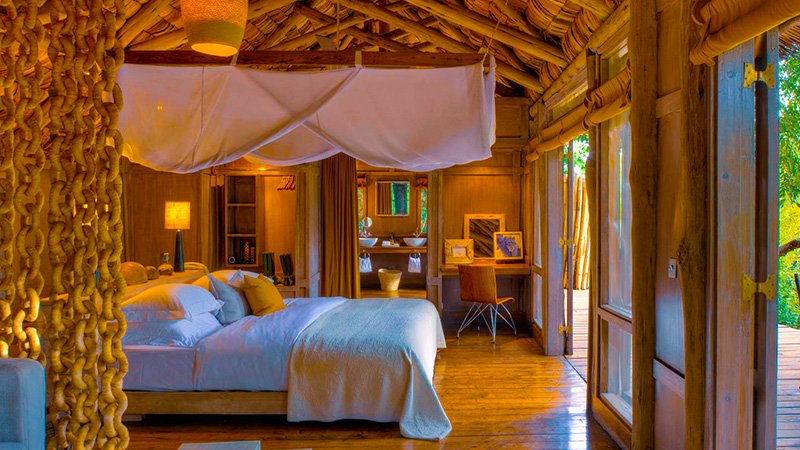
* Lodges: These are permanent structures, often built with more substantial materials. They range from comfortable mid-range options to ultra-luxury resorts, typically featuring en-suite bathrooms, private verandas, swimming pools, and restaurants. Lodges offer more amenities and a sense of permanence.
* Tented Camps: These range from basic canvas tents to luxurious safari tents that often rival lodges in comfort. They usually feature en-suite bathrooms (with bucket showers or plumbed facilities) and comfortable bedding. Tented camps offer a more intimate connection with nature, with the sounds of the bush right outside your tent. Mobile tented camps are set up in different locations to follow the migration, offering prime access.
Decision Point: For 2026-2027, consider what level of comfort and immersion you desire. Lodges offer more conventional hotel comforts, while tented camps provide a more authentic, close-to-nature feel. Luxury tented camps can be just as expensive, if not more so, than lodges, offering a blend of comfort and wilderness. Mid-range options will vary considerably between lodges and camps. When booking, clarify what is included – some camps offer full board, while others might have additional charges for drinks.
TOP GUIDE ADVENTURES can help you select the perfect accommodation style that aligns with your budget and preferences for your 2026-2027 safari.”,
“content”: ”
Logistics and Travel Between Parks
Efficient logistics are key to a smooth and enjoyable safari. Travel between Tarangire, Serengeti, and Ngorongoro is typically done by 4×4 safari vehicle, driven by an experienced guide. These vehicles are essential for navigating the often rough terrain and for providing excellent viewing opportunities with their pop-up roofs.
* Road Travel: Most itineraries involve driving between parks. The roads can be dusty and bumpy, especially within the parks. Drive times can vary significantly depending on road conditions, the specific location of your accommodation, and wildlife sightings that might cause delays.
* Arusha to Tarangire: Approximately 2-3 hours.
* Tarangire to Serengeti: Approximately 4-6 hours (including park entry and travel time to accommodation).
* Serengeti to Ngorongoro: Approximately 3-5 hours (depending on the Serengeti region and crater descent).
* Ngorongoro to Arusha: Approximately 3-4 hours.
* Internal Flights (Fly-in Safaris): For a faster and more comfortable experience, especially for longer Serengeti stays, you can opt for internal flights. There are airstrips in the Serengeti (e.g., Seronera) and Arusha. Flying can significantly reduce travel time and allow you to spend more time on game drives, particularly if you are on a shorter itinerary or wish to visit remote parts of the Serengeti. This is a more expensive option but can be worth considering for 2026-2027 if time is a premium or you want to avoid long drives.
Decision Point: Road safaris are the most common and budget-friendly option, offering opportunities to observe the changing landscapes. Fly-in safaris are ideal for maximizing time in the parks and for those who prefer comfort and speed, but they come at a higher cost. Most standard itineraries for Serengeti, Ngorongoro, and Tarangire will utilize road travel.”,
“content”: ”
Planning Your 2026-2027 Safari: Key Considerations
To ensure your safari is a success, several factors need careful consideration when planning for 2026-2027:
* Timing and the Great Migration: If witnessing the Great Migration is a priority, research its expected location for your chosen travel dates. While the migration is a continuous cycle, river crossings in the North (Mara River) are typically July-October, while calving season is in the South (Ndutu) from December-March. Serengeti is excellent year-round, but migration timing enhances the experience.
* Budget: Safari costs can vary widely based on accommodation choice (budget, mid-range, luxury lodges/camps), vehicle type (shared group joining vs. private), time of year (peak vs. low season), and duration. A 6-day private safari in mid-range lodges/camps for 2026-2027 might range from $2,500 to $4,000+ per person, excluding international flights. Group joining safaris offer a more budget-friendly alternative.
* Group Size: Decide whether you prefer a private safari (your own vehicle and guide, maximum flexibility) or a group joining safari (sharing a vehicle and costs with other travelers, fixed departure dates). For Serengeti, Ngorongoro, and Tarangire, group joining safaris are readily available and can significantly reduce costs, as seen in options like the Tanzania Group Joining Safari.
* Health and Safety: Consult your doctor about necessary vaccinations and malaria prophylaxis. While Tanzania is generally safe, travel with reputable operators who adhere to safety standards. Reputable operators like TOP GUIDE ADVENTURES provide experienced guides, well-maintained vehicles, and emergency protocols.
* Packing Essentials: Pack light, neutral-colored clothing, sturdy walking shoes, a hat, sunglasses, high-SPF sunscreen, insect repellent, a good camera with extra batteries and memory cards, binoculars, and a headlamp. A duffel bag (usually 15 kg limit for internal flights) is often preferred over hard suitcases.
* Park Fees: These are substantial and are typically included in safari package prices. They are set by the Tanzanian government and are subject to change. For 2026-2027, expect these to remain a significant portion of the overall cost.”,
“content”: ”
To ensure your safari is a success, several factors need careful consideration when planning for 2026-2027:
* Timing and the Great Migration: If witnessing the Great Migration is a priority, research its expected location for your chosen travel dates. While the migration is a continuous cycle, river crossings in the North (Mara River) are typically July-October, while calving season is in the South (Ndutu) from December-March. Serengeti is excellent year-round, but migration timing enhances the experience.
* Budget: Safari costs can vary widely based on accommodation choice (budget, mid-range, luxury lodges/camps), vehicle type (shared group joining vs. private), time of year (peak vs. low season), and duration. A 6-day private safari in mid-range lodges/camps for 2026-2027 might range from $2,500 to $4,000+ per person, excluding international flights. Group joining safaris offer a more budget-friendly alternative.
* Group Size: Decide whether you prefer a private safari (your own vehicle and guide, maximum flexibility) or a group joining safari (sharing a vehicle and costs with other travelers, fixed departure dates). For Serengeti, Ngorongoro, and Tarangire, group joining safaris are readily available and can significantly reduce costs, as seen in options like the Tanzania Group Joining Safari.
* Health and Safety: Consult your doctor about necessary vaccinations and malaria prophylaxis. While Tanzania is generally safe, travel with reputable operators who adhere to safety standards. Reputable operators like TOP GUIDE ADVENTURES provide experienced guides, well-maintained vehicles, and emergency protocols.
* Packing Essentials: Pack light, neutral-colored clothing, sturdy walking shoes, a hat, sunglasses, high-SPF sunscreen, insect repellent, a good camera with extra batteries and memory cards, binoculars, and a headlamp. A duffel bag (usually 15 kg limit for internal flights) is often preferred over hard suitcases.
* Park Fees: These are substantial and are typically included in safari package prices. They are set by the Tanzanian government and are subject to change. For 2026-2027, expect these to remain a significant portion of the overall cost.”,
“content”: ”
Booking Your Best Tanzania Safari Itinerary
Crafting the perfect Tanzania safari itinerary for Serengeti, Ngorongoro, and Tarangire in 2026-2027 requires local expertise and attention to detail. Whether you’re drawn to the vast plains of the Serengeti, the unique ecosystem of the Ngorongoro Crater, or the elephant herds of Tarangire, a well-planned trip ensures you maximize your wildlife encounters and overall experience.
TOP GUIDE ADVENTURES, based in Moshi/Arusha, specializes in creating bespoke safari experiences. We understand the nuances of each park, the best times to visit, and how to structure itineraries for optimal wildlife viewing and comfort. Our team can guide you through the decision-making process, from choosing the ideal duration (5, 6, 7, or 8 days) to selecting the right accommodation style (lodge vs. tented camp) and considering logistical options like private vehicles or group joining safaris.
To get started on planning your unforgettable 2026-2027 Tanzania safari, we recommend contacting us directly. Please provide us with your preferred travel dates, duration, budget, and any specific interests you might have (e.g., photography, birding, family travel). This information will help us tailor the best possible itinerary for you.
Reach out to us today:
WhatsApp: +255 616 946 642
Email: topguideadventures@gmail.com
Let us help you create the adventure of a lifetime through Tanzania’s most iconic wildlife destinations.”,
“faq_schema”: [
{
“question”: “What is the best duration for a Tanzania safari covering Serengeti, Ngorongoro, and Tarangire in 2026-2027?”,
“answer”: “The best duration for a Tanzania safari itinerary combining the Serengeti, Ngorongoro Crater, and Tarangire National Park in
Check Availability for Best Tanzania Safari Itinerary Serengeti Ngorongoro And Tarangire 2026-2027
Ready to compare dates, prices, and the best option for your group? Send the package name and travel month so the team can reply with a clear quote, availability, and what is included.

Tanzania Classic Wildlife Safaris: Serengeti, Ngorongoro, Tarangire & Manyara
start an unforgettable Tanzania classic wildlife safari covering the iconic parks of Serengeti, Ngorongoro Crater, Tarangire, and Lake Manyara. These tours are designed to showcase the best...
View package details
2 Day Tanzania Safari – Tarangire, Ngorongoro And Short Packages 2026-2027
2 Day Tanzania Safari – Tarangire, Ngorongoro and Short Safari Packages is explained with current 2026-2027 planning, price, itinerary and booking.
View package details
Best 5 Day Private Safari Tour From Mwanza: Serengeti & Western Tanzania
start an unforgettable 5-day private safari adventure starting from Mwanza, Tanzania. This expertly crafted itinerary blends the iconic wildlife viewing of the Serengeti with the distinct...
View package details
Serengeti Safari From Mwanza: Best Route For Western Tanzania & 2026-2027
Discover the optimal routes for a Serengeti safari starting from Mwanza, focusing on the unique experiences offered by Western Tanzania and the Western Serengeti. This guide provides...
View package details
Great Serengeti Migration Safaris In Tanzania: Best Routes, Seasons &
Discover the magic of the Great Serengeti Migration with Top Guide Adventures. This guide covers the best routes, optimal seasons for wildlife viewing, and essential planning tips for your...
View package details
How To Visit Southern Serengeti For Calving Season – Ndutu Safari, Timing And
Visiting the Southern Serengeti during the calving season in Ndutu offers an unparalleled wildlife spectacle. This guide details the optimal timing, essential logistics, and what to...
View package detailsAfrica Tours & Travel, All Safari Booking In Tanzania 2026-2027
Africa Tours & Travel, All Safari Booking in Tanzania is explained with current 2026-2027 planning, price, itinerary and booking information.
View package details
Rubondo Island National Park Prices In Tanzania – Safari Fees, Chimpanzee
Understanding Rubondo Island National Park prices is key to planning your Tanzanian adventure. Costs vary based on accommodation, activities like chimpanzee trekking, and safari duration...
View package detailsTop Car Brands Known For Reliability – Best Vehicles Road Trips, Safari
Top Car Brands Known for Reliability – Best Vehicles for Road Trips, Safari and Adventure Travel is explained with current 2026-2027 planning, price.
View package detailsMost Beautiful Countries In The World: Safari, Nature, And Adventure Travel
This guide explores the most beautiful countries globally, focusing on destinations that offer unparalleled opportunities for safari, nature immersion, and adventurous pursuits. From the...
View package detailsThe Worlds Richest Billionaires: Their Preferred Luxury Travel Destinations
This article delves into the travel habits and preferred destinations of the world's wealthiest individuals, examining their affinity for private islands, exclusive safari adventures, and...
View package detailsBiggest Animals Ever Discovered: African Wildlife, Ocean Giants, And Safari
Discover the planet's most massive creatures, including the giants of African savannas and the leviathans of the deep sea. Learn about their habitats, characteristics, and the awe they...
View package detailsNo closely related package is available yet for this topic.



