
A Tanzania Wildlife Photography Safari is a specialized journey designed to maximize opportunities for capturing stunning images of the country’s diverse and abundant wildlife in their natural habitats, often with expert guides who understand the needs of photographers. These safaris typically focus on iconic locations such as the Serengeti, Ngorongoro Crater, and Tarangire National Park, with itineraries crafted around animal movements, lighting conditions, and photographic potential, distinguishing them from standard wildlife viewing trips by their emphasis on composition, patience, and access to prime viewing spots during the best light of day.

Planning a Tanzania Wildlife Photography Safari for 2026-2027 requires a blend of photographic ambition and practical safari logistics. Unlike a typical holiday, a dedicated photography safari prioritizes getting you into the right place at the right time for that perfect shot, often involving longer stays in specific areas, early morning and late afternoon drives (the ‘golden hours’), and vehicles and guides trained to anticipate animal behavior. Whether you’re aiming for the Great Migration in the Serengeti or the dense populations in the Ngorongoro Crater, Top Guide Adventures can tailor an experience to meet your photographic goals.
Choosing Your Tanzania Photography Safari: Key Decisions for 2026-2027
When planning a Tanzania Wildlife Photography Safari for 2026-2027, the first crucial decision is the style of safari that best suits your photographic needs and budget. Top Guide Adventures offers several options, each with distinct advantages for photographers. The primary trade-off is often between cost, exclusivity, and the level of customization you require.
Private Tanzania Photography Safaris offer the ultimate flexibility. You control the pace, the stops, and the time spent at each sighting. This is ideal for photographers who need to wait for specific light, animal behavior, or compositions. You can opt for a Private Tanzania Luxury Safari Tours for unparalleled comfort and exclusive lodges, or a Private Tanzania Budget Lodge Safari Tours if your focus is purely on maximizing photographic opportunities without compromising on vehicle and guide quality. These private tours are particularly beneficial in 2026-2027 as they allow for more spontaneous itinerary adjustments based on wildlife movements or photographic opportunities, something group tours cannot easily accommodate.
Small Group Tanzania Wildlife Safari Tours are a more budget-friendly option, often featuring departures with set dates. While you share the vehicle and guide with a few other travelers, many of these tours are designed with photographic interests in mind, ensuring sufficient time at sightings and knowledgeable guides. For photographers, a smaller group size (typically 6-7 people) means less competition for window space and a more intimate experience. These are excellent for photographers looking for a well-organized trip at a more accessible price point for 2026-2027.
Budget Camping Safari Packages, such as the Tanzania Budget Camping Safari Packages, are the most economical. While accommodations are simpler (tents and campfires), the photographic potential remains immense. The key consideration here is ensuring the vehicle and guide are still equipped to handle the demands of photography, which Top Guide Adventures ensures even on budget tours.
Luxury Fly-In Safari Packages, like the Tanzania Luxury Fly In Safari Packages, minimize travel time between remote locations, maximizing your time on the ground for photography. This is a significant advantage if your itinerary covers vast areas like the Serengeti and Ruaha, especially for a shorter trip in 2026-2027.
The main decision for photographers is the balance between budget and control. A private safari offers maximum control and customization, essential for serious photographers, while small group or budget options provide excellent value, provided the operator understands photographic needs.
Prime Locations for Tanzania Wildlife Photography
Tanzania boasts an incredible array of ecosystems, each offering unique photographic subjects. For a Tanzania Wildlife Photography Safari, selecting the right parks is paramount to capturing the diversity and drama of African wildlife.
Serengeti National Park is arguably the crown jewel. It’s world-renowned for the Great Migration, offering unparalleled opportunities to photograph vast herds of wildebeest and zebras, along with their predators. The open plains provide sweeping landscapes, and the sheer scale of the migration is a photographer’s dream. For those specifically interested in the migration, a dedicated Tanzania Wildlife Photography Safari Serengeti is highly recommended for 2026-2027.
Ngorongoro Conservation Area, particularly the Ngorongoro Crater, is a UNESCO World Heritage Site and a photographer’s paradise due to its high concentration of wildlife within a compact, visually stunning caldera. It’s one of the best places in Tanzania to spot the elusive black rhino, as well as large prides of lions, elephants, and hippos. The dramatic landscape of the crater floor provides a impressive backdrop for any shot.
Tarangire National Park is famous for its large elephant herds, especially during the dry season when they congregate around the Tarangire River. It also boasts a high diversity of birdlife and iconic baobab trees, offering a different photographic feel – more intimate and focused on landscape elements mixed with wildlife. A Tanzania Wildlife Safari: Serengeti, Ngorongoro & Tarangire Adventures often combines these three for a comprehensive Northern Circuit experience.
Lake Manyara National Park, while smaller, is known for its tree-climbing lions, large troops of baboons, and diverse birdlife, including flamingos. Its compact size and varied habitats make it a good location for capturing intimate wildlife portraits.
For a more off-the-beaten-path experience, consider Ruaha National Park in Southern Tanzania. It’s one of the largest national parks in Africa and offers a wilder, more remote feel with fewer crowds. It’s known for its large elephant and buffalo herds, and its predator populations, including cheetahs and wild dogs. Southern Tanzania safaris, such as those organized by Southern Tanzania Private Safari Packages, can be excellent for photographers seeking unique shots away from the typical tourist trails.
Saadani National Park offers a unique blend of bush and beach. This is a rare opportunity to photograph wildlife with the Indian Ocean as a backdrop, including elephants coming down to the sea. It’s a distinct experience for photographers looking for something different, as seen in tours like the Saadani Safari Wildlife Beach and Boat Tour Tanzania.
The choice of location depends on your photographic interests. For iconic migration action and vast plains, Serengeti is unparalleled. For density and drama in a confined space, Ngorongoro Crater is superb. For elephants and baobabs, Tarangire excels. Combining parks offers the greatest variety for your 2026-2027 photographic portfolio.
When is the Best Time for Your Photography Safari?
Timing is critical for wildlife photography, affecting both animal behavior and light quality. For a Tanzania Wildlife Photography Safari in 2026-2027, understanding the seasonal patterns will significantly enhance your results.
The Dry Season (June to October) is generally considered the prime time for wildlife photography in the Northern Circuit. Water sources become scarce, forcing animals to congregate around rivers and waterholes, making them easier to find and photograph. This period also typically offers clearer skies and good light, especially during the golden hours of dawn and dusk. It is also the peak time for the Great Migration in the Serengeti, particularly the river crossings which are dramatic and highly sought-after photographic events.
The Green Season (November to May) offers a different, often overlooked, photographic experience. The landscape is lush and green, providing beautiful backdrops. This is the calving season for wildebeest in the southern Serengeti (December to March), offering opportunities to photograph newborns and the predators that target them. Birdlife is also at its most vibrant, with migratory birds present, making it an excellent time for bird photographers. The light can be softer, and dramatic thunderstorms can create stunning photographic opportunities, though they can also disrupt game drives.
Specific Photographic Opportunities by Month (approximate):
- January-March: Southern Serengeti calving season, good for predators and young animals.
- April-May: Short rains, landscape is green, fewer tourists, but some parks can be challenging due to mud.
- June-October: Dry season, migration moving north, river crossings (July-September), excellent visibility, high animal concentrations around water.
- November-December: Short rains begin, migration starts moving south, good for birding and diverse landscapes.
For photographers, consider what you most want to capture. If dramatic migration action and clear sightings are your priority, the dry season (June-October) is often best. If you prefer lush landscapes, softer light, and the drama of predator-prey interactions with young animals, the green season (January-March) is ideal. Always discuss your specific photographic interests with your tour operator for 2026-2027, as they can advise on the best timing for your desired shots.
Essential Photography Gear and Tips for Tanzania
To make the most of your Tanzania Wildlife Photography Safari, having the right gear and understanding how to use it effectively is crucial. This goes beyond just having a camera; it’s about optimizing your setup for the specific conditions.
Camera Bodies: A DSLR or mirrorless camera with interchangeable lenses is recommended. Consider a camera with good low-light performance and a fast autofocus system, as wildlife can be unpredictable and often active at dawn and dusk.
Lenses: This is where photographers often invest most. A telephoto zoom lens (e.g., 100-400mm, 150-600mm, or 200-500mm) is essential for capturing distant wildlife. A wide-angle lens (e.g., 16-35mm or 24-70mm) is useful for landscape shots and capturing animals in their environment. A macro lens can be excellent for insects and smaller details, though often a good telephoto can achieve decent close-ups.
Tripod/Monopod: While bulky, a monopod can offer stabilization for longer lenses. In many safari vehicles, you might have to shoot handheld or use beanbags provided by the operator. Discuss this with Top Guide Adventures when booking your 2026-2027 safari.
Accessories:
- Extra Batteries and Memory Cards: You’ll be shooting a lot, so ensure you have ample power and storage.
- Lens Cleaning Kit: Dust is common in the bush. Keep your lenses clean.
- Rain Cover: Especially useful during the green season.
- Power Bank: For charging devices on the go.
- Polarizing Filter: Reduces glare and enhances colors.
- ND Filters: For long exposures, e.g., smoothing water or creating motion blur with fast-moving animals (though challenging).
Photography Tips for Tanzania:
- Shoot in RAW: This gives you the most flexibility for post-processing.
- Master Your Camera’s Settings: Understand aperture, shutter speed, and ISO, and how they affect your images. Practice before you go.
- Focus on the Eyes: For wildlife portraits, sharp focus on the animal’s eyes is paramount.
- Use the Golden Hours: Early morning and late afternoon light is softer, warmer, and creates beautiful shadows and highlights.
- Patience is Key: Wait for the right moment, the right behavior, or the right light.
- Understand Animal Behavior: Your guide will be invaluable here. Knowing what an animal might do next can lead to incredible shots.
- Composition Matters: Think about the rule of thirds, leading lines, and negative space. Don’t just point and shoot.
- Respect Wildlife: Maintain a safe distance and avoid disturbing animals. Your guide will ensure this.
Gear Considerations: Many photographers find a 500mm or 600mm prime lens offers superior image quality, but the weight and bulk can be a challenge. A 100-400mm or 150-600mm zoom provides versatility. For those on a tighter budget, a 70-300mm lens can be a starting point, though it might be limiting for shy or distant subjects. Always check your airline’s baggage allowances for 2026-2027 travel; a 15 kg duffel allowance is common for light aircraft transfers, so consider compact, high-quality gear.
Safari Vehicles and Photographic Access
The type of safari vehicle you use significantly impacts your photographic experience. For a dedicated Tanzania Wildlife Photography Safari, the vehicle and its configuration are paramount.
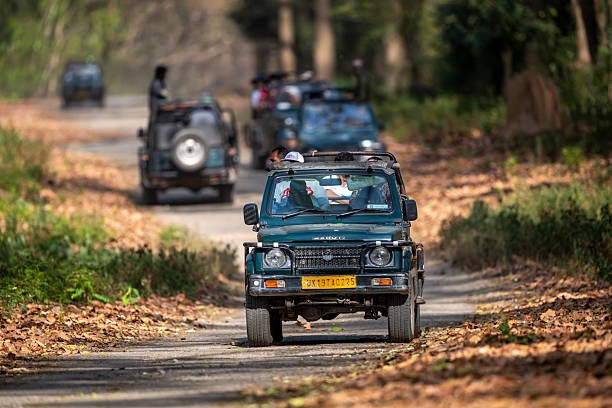
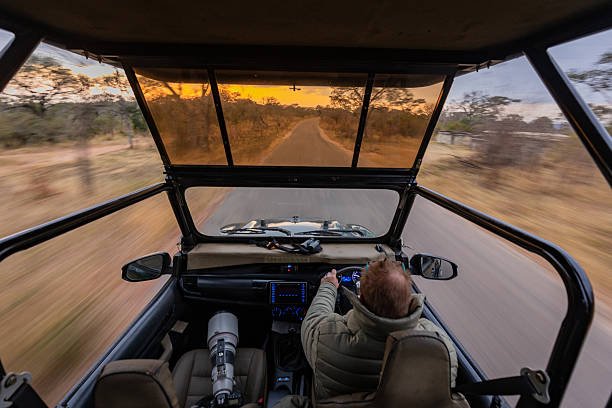
Most standard safari vehicles are Land Cruisers or Land Rovers, typically with pop-up roofs. While these are functional for general game viewing, photographers often benefit from vehicles specifically adapted for their needs. Top Guide Adventures uses vehicles with large pop-up hatches or slide-open windows that allow for a wider field of view and better stability when shooting from the vehicle. The ideal vehicle for photography offers:
- Pop-up Roofs: Essential for unobstructed upward and outward views.
- Sliding Windows: Provide a stable platform for camera resting (often with beanbags).
- Lowered Sides or Open-Sided Designs: Some specialized vehicles offer this for even better angles, though they are less common and often part of premium photographic tours.
- Comfortable Seating: You’ll spend many hours in the vehicle, so comfort is important.
Beanbags: These are crucial for stabilizing your camera and lens when shooting from the vehicle. Top Guide Adventures typically provides beanbags, but it’s always wise to confirm this when booking your 2026-2027 safari. They allow you to rest your lens on the vehicle’s window frame or door, providing a stable shooting platform without the need for a heavy tripod.
Vehicle Access and Rules: Parks have rules about where vehicles can go. A good photography guide will know how to navigate these rules to position the vehicle for the best light and composition without disturbing wildlife. This includes understanding the best times to enter certain areas and how to approach animal sightings ethically. For example, in the Ngorongoro Crater, there are strict time limits and rules about off-roading, which your guide will expertly manage.
Communication: Ensure your vehicle has a radio for communication with other guides, which can be vital for locating specific animals or coordinating sightings.
The choice of vehicle and the provision of accessories like beanbags can make or break a photography safari. Always confirm these details with your operator, especially when planning for 2026-2027, to ensure your photographic needs are met.
Working with Your Photography Guide
A skilled guide is arguably the most important asset on a Tanzania Wildlife Photography Safari. They are not just drivers; they are your eyes, your interpreters of the bush, and your partners in capturing incredible images.
Expertise: Your guide should have extensive knowledge of the local wildlife, their habits, and the best locations within the parks. For photography, this extends to understanding animal behavior to predict movements, knowing the best times of day for light in specific areas, and identifying photographic opportunities that others might miss.
Photographic Awareness: Ideally, your guide will have some understanding of photography. They should be willing to position the vehicle for optimal light and composition, be patient when you need extra time for a shot, and offer suggestions on angles or settings. While not every guide is a professional photographer, a good one will appreciate and facilitate your photographic goals. Top Guide Adventures ensures their guides are not only expert trackers but also attuned to the needs of photographers on tours for 2026-2027.
Communication is Key: Before and during the safari, communicate your photographic interests clearly. Let your guide know what you are hoping to capture – specific animals, behaviors, or types of shots (e.g., portraits, action shots, landscapes). A guide who understands your vision can tailor the drive accordingly.
What to Expect from Your Guide:
- Locating Wildlife: Using their tracking skills and knowledge of the park.
- Understanding Behavior: Explaining why animals are behaving in a certain way.
- Positioning the Vehicle: For the best light and unobstructed views.
- Patience: Waiting for the right moment, even if it takes time.
- Safety: Ensuring you and the vehicle are always in a safe position.
- Education: Sharing insights about the ecosystem and conservation efforts.
For serious photographers, consider hiring a dedicated photography guide or joining a specialized photography tour. These guides often have specific training in wildlife photography and can offer technical advice and a deeper understanding of photographic techniques. When booking with Top Guide Adventures for 2026-2027, inquire about guides with a strong reputation for assisting photographers.
Planning Your Photography Safari Itinerary
A well-planned itinerary is the backbone of a successful Tanzania Wildlife Photography Safari. It balances iconic locations with logistical feasibility and photographic potential. While standard safaris might focus on ticking off a checklist of animals, a photography safari prioritizes light, composition, and extended observation.
Duration: For a comprehensive photography safari, aim for at least 7-10 days. This allows for deeper exploration of one or two key parks, rather than a rushed tour of multiple locations. Longer trips, such as 14 days or more, enable you to cover more ground or spend extended time in areas like the Serengeti during different phases of the migration.
Northern Circuit Focus: A common and highly productive itinerary for photographers includes the Serengeti, Ngorongoro Crater, and Tarangire National Park. This circuit offers a fantastic variety of landscapes and wildlife. For example, a Tanzania Wildlife Safari: Serengeti, Ngorongoro & Tarangire Adventures can be customized for photographers.
Sample Itinerary Structure (Photographer’s Focus):
- Day 1-2: Tarangire National Park. Focus on elephants, baobabs, and birdlife. Early mornings and late afternoons are key.
- Day 3-6: Serengeti National Park. Depending on the season, focus on the Great Migration, predators, or specific areas like Seronera for big cats. Consider spending more time here to capture diverse behaviors and light. A dedicated Tanzania Wildlife Photography Safari Serengeti package would dedicate significant time here.
- Day 7: Ngorongoro Crater. Descend into the crater for a full day of photography, focusing on the high density of wildlife, including rhinos.
- Optional Extensions: Consider adding Lake Manyara for tree-climbing lions or heading south to Ruaha for a more wild, less crowded experience.
Pacing: A photographer’s itinerary should not be about covering vast distances daily. It’s about quality over quantity. This means dedicating more time to a single park or region, allowing for dawn and dusk shoots, and having the flexibility to stay longer at a promising sighting. For 2026-2027, booking a private safari provides the ultimate control over pacing.
Logistics: Consider internal flights for longer distances, especially if visiting Southern Tanzania, to maximize photographic time on the ground. Tanzania Luxury Fly In Safari Packages are excellent for this.
When planning your 2026-2027 itinerary, discuss with Top Guide Adventures your specific photographic goals. Do you want to focus on big cats, birds, the migration, or landscapes? This will help them craft an itinerary that maximizes your chances of capturing your desired shots.
Booking Your Tanzania Wildlife Photography Safari
Booking your Tanzania Wildlife Photography Safari for 2026-2027 is the final step, and it’s essential to do it with an operator who understands the unique needs of photographers. Top Guide Adventures, based in Moshi/Arusha, specializes in crafting bespoke safari experiences.
Choosing the Right Operator: Look for an operator with a proven track record in wildlife photography tours. They should be able to demonstrate:
- Knowledge of photographic locations and optimal times.
- Access to suitable safari vehicles and experienced guides who are photography-aware.
- Flexibility in itinerary planning to accommodate photographic needs.
- Clear communication regarding inclusions and exclusions.
What to Confirm Before Booking for 2026-2027:
Check Availability for Tanzania Wildlife Photography Safari 2026-2027
Ready to compare dates, prices, and the best option for your group? Send the package name and travel month so the team can reply with a clear quote, availability, and what is included.
Background Remover Free: Enhancing Safari, Wildlife, And Travel Photography
This guide explores the utility of free background removal tools for photographers specializing in safari, wildlife, and travel imagery. It covers how these tools can enhance subject...
View package detailsThe Most Beautiful Animals In World: A Wildlife Photography And Safari
Exploring the planet's most visually stunning creatures offers a unique lens through which to appreciate biodiversity. This guide focuses on animals celebrated for their aesthetic...
View package details
Tanzania Classic Wildlife Safaris: Serengeti, Ngorongoro, Tarangire & Manyara
start an unforgettable Tanzania classic wildlife safari covering the iconic parks of Serengeti, Ngorongoro Crater, Tarangire, and Lake Manyara. These tours are designed to showcase the best...
View package details
Great Serengeti Migration Safaris In Tanzania: Best Routes, Seasons &
Discover the magic of the Great Serengeti Migration with Top Guide Adventures. This guide covers the best routes, optimal seasons for wildlife viewing, and essential planning tips for your...
View package detailsAfrica Tours & Travel, All Safari Booking In Tanzania 2026-2027
Africa Tours & Travel, All Safari Booking in Tanzania is explained with current 2026-2027 planning, price, itinerary and booking information.
View package detailsBiggest Animals Ever Discovered: African Wildlife, Ocean Giants, And Safari
Discover the planet's most massive creatures, including the giants of African savannas and the leviathans of the deep sea. Learn about their habitats, characteristics, and the awe they...
View package detailsTop 10 Deadliest Snakes Worldwide – African Wildlife Destinations And Safari
Top 10 Deadliest Snakes Worldwide – African Snakes, Wildlife Destinations and Safari Safety is explained with current 2026-2027 planning, price, itinerary.
View package detailsBiggest Animals Ever Discovered: A Look At Giant Wildlife And Marine Giants
Discover the awe-inspiring scale of the largest animals to have ever inhabited Earth. This guide explores the biggest land mammals and the truly immense creatures of the ocean.
View package detailsMost Dangerous Animals In The World – Safari Wildlife, Habitats And Safety
Most Dangerous Animals in the World – Safari Wildlife, Habitats and Safety Around Wild Animals is explained with current 2026-2027 planning, price, itinerary.
View package detailsThe Strongest Animals On Planet: Powerful Wildlife To Observe 2026-2027
Exploring the sheer physical power of the animal kingdom reveals creatures that command respect through their might. This guide focuses on the strongest animals on the planet, highlighting...
View package details
2 Day Tanzania Safari – Tarangire, Ngorongoro And Short Packages 2026-2027
2 Day Tanzania Safari – Tarangire, Ngorongoro and Short Safari Packages is explained with current 2026-2027 planning, price, itinerary and booking.
View package details
Serengeti Safari From Mwanza: Best Route For Western Tanzania & 2026-2027
Discover the optimal routes for a Serengeti safari starting from Mwanza, focusing on the unique experiences offered by Western Tanzania and the Western Serengeti. This guide provides...
View package detailsNo closely related package is available yet for this topic.



