
A Tanzania Wildlife Photography Safari in the Serengeti is an expedition specifically designed for photographers, focusing on maximizing opportunities to capture high-quality images of the region’s abundant wildlife and dramatic landscapes, with the Serengeti National Park serving as the primary destination. These safaris often involve extended time in prime photographic locations, flexible game drive schedules, and guides experienced in wildlife behavior and photographic needs, typically lasting from 5 to 10 days, and can be booked for 2026-2027 through specialized tour operators like Top Guide Adventures.
Understanding the Serengeti for Photographers
The Serengeti National Park is a photographer’s dream, offering unparalleled opportunities to capture the essence of African wildlife. Its vast, open plains, acacia-dotted savannas, and winding rivers provide a dynamic backdrop for the incredible biodiversity it hosts. For photographers, the Serengeti’s appeal lies not just in the sheer number of animals but in the constant movement and interaction that unfolds daily. From the dramatic predator-prey encounters to the sheer scale of the Great Migration, the park offers endless visual narratives. Understanding the different ecosystems within the Serengeti – the central plains (Seronera), the western corridor, the northern Lobo area, and the southern Ndutu region (during calving season) – is crucial for anticipating photographic opportunities. Each area presents unique light, landscapes, and wildlife concentrations that change with the seasons.
A photography-focused safari prioritizes getting you into the right place at the right time. This often means longer game drives, starting earlier or ending later than standard safaris, and sometimes using open-sided vehicles for better shooting angles. The goal is to provide ample time for composing shots, waiting for animal behavior, and adapting to changing light conditions. Unlike a general tourist safari, a photography trip emphasizes patience and observation, allowing you to return with images that tell a story, not just snapshots. It’s about capturing the glint in a lion’s eye, the dust kicked up by a thundering herd, or the subtle colors of an acacia sunset.
Best Times for Serengeti Wildlife Photography (2026-2027)
Timing is paramount for wildlife photography in the Serengeti, as different periods offer distinct advantages. For the 2026-2027 seasons, consider these optimal windows:
- The Great Migration (June-October 2026 & 2027): This is arguably the most sought-after period. Witnessing the massive herds of wildebeest and zebras move across the plains, especially during river crossings (most common July-September), provides some of the most dramatic and iconic photographic moments. The sheer scale and energy are impressive. However, this is also peak season, meaning more vehicles and higher prices. Early booking for 2026 and 2027 is essential.
- Calving Season (Late January-March 2026 & 2027): The southern Serengeti and Ndutu area become the nursery for thousands of wildebeest and zebra calves. This period is fantastic for photographing young animals, predator activity (lions, cheetahs, hyenas often target the vulnerable newborns), and the vast herds gathered in lush grasslands. The light can be softer, and the landscape greener.
- Dry Season (June-October 2026 & 2027): Beyond the migration, the dry season concentrates wildlife around permanent water sources, making animals easier to find. The skies are often clear, offering good light, though the landscape can appear drier. This is also a good time for bird photography as resident birds are active.
- Green Season (November-May 2026 & 2027): While often considered the ‘off-season,’ this period offers lush landscapes and fewer crowds. It’s ideal for landscape photography and capturing animals against vibrant green backdrops. Birdlife is at its most prolific with migratory birds present. However, rains can sometimes make certain areas inaccessible and game viewing more challenging.
For photographers aiming for specific shots, understanding these seasonal shifts is key to planning your 2026 or 2027 safari. For instance, if river crossings are your priority, aim for July to September. If close-ups of newborns and predator action are preferred, January to March is ideal.
Essential Photography Gear for Your Safari
To make the most of your Tanzania Wildlife Photography Safari in the Serengeti, careful consideration of your gear is vital. Modern camera technology offers incredible flexibility, but some items are indispensable:
- Camera Body: A DSLR or mirrorless camera with interchangeable lenses provides the most versatility. Full-frame sensors are excellent for low light, but APS-C sensors offer a slight telephoto advantage due to their crop factor.
- Lenses: This is where photographers often invest most. A telephoto zoom lens (e.g., 100-400mm, 150-600mm) is crucial for capturing wildlife at a distance. A wide-angle lens (e.g., 16-35mm) is useful for landscapes and larger scenes, including the migration. A prime lens (e.g., 50mm or 85mm) can be excellent for portraits and low-light situations.
- Tripod/Monopod: While often cumbersome in a safari vehicle, a lightweight monopod can provide stability for telephoto lenses, especially in low light. Some operators might allow a small tripod, but check in advance.
- Extra Batteries and Memory Cards: You’ll be shooting a lot. Ensure you have plenty of spares. Consider bringing a portable power bank or car charger.
- Lens Cleaning Kit: Dust is inevitable. A good blower, microfiber cloths, and lens cleaning solution are essential.
- Camera Bag: A comfortable, durable bag that can protect your gear from dust and impact. A backpack style is often best for carrying everything.
- Laptop/Tablet with External Hard Drive: For backing up your photos daily. This is critical to avoid losing precious images.
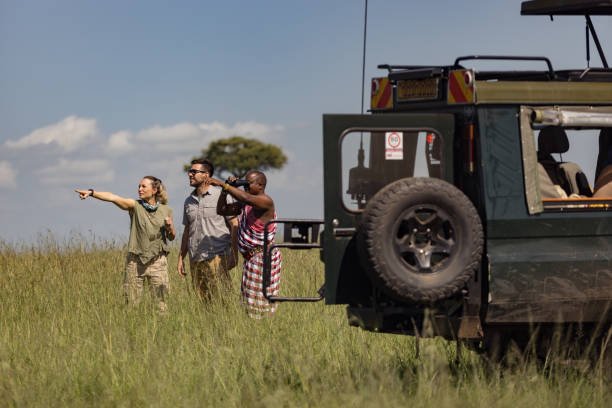
- Binoculars: While not strictly camera gear, good binoculars enhance your viewing experience and help you spot subjects before you even raise your camera.
Important Note: Most safari vehicles have a 15 kg (33 lbs) luggage allowance for soft duffel bags. This applies to your personal items and camera gear. Ensure your camera bag, when packed, adheres to this limit, or coordinate with your operator for any exceptions. Top Guide Adventures can advise on specific vehicle configurations and luggage policies for your 2026-2027 safari.
Key Wildlife and Landscape Subjects
The Serengeti offers an astonishing array of subjects for your lens. Beyond the iconic ‘Big Five’ (lion, leopard, elephant, rhino, buffalo), consider these:
- The Great Migration: The sheer scale of hundreds of thousands of wildebeest and zebras is a spectacle. Focus on individual animals, small groups, and the dramatic river crossings.
- Predators: Serengeti is renowned for its lion prides, elusive leopards often found in trees, cheetahs on the open plains, and spotted hyenas. Photographing their interactions, hunts, and family dynamics is a highlight.
- Elephants: Large herds can be seen, especially in areas like Tarangire (often combined with Serengeti) and the northern Serengeti. Their intelligence and social structures offer compelling photographic narratives.
- Giraffes and Zebras: Their patterns and colors, set against the savanna, make for stunning shots.
- Birds: The Serengeti is a birdwatcher’s paradise, with numerous resident and migratory species. From colorful rollers to majestic eagles, they offer excellent photographic opportunities. Look for species like the Secretary Bird, Kori Bustard, and various raptors.
- Smaller Mammals: Don’t overlook the smaller creatures like dik-diks, warthogs, mongoose, and various antelopes. They add detail and diversity to your portfolio.
- Landscapes: Capture the vastness of the plains, dramatic sunrises and sunsets, acacia trees silhouetted against the sky, kopjes (rocky outcrops) that serve as lion vantage points, and the winding rivers.
For landscape photographers, the early morning and late afternoon ‘golden hours’ provide the most dramatic light. For wildlife, overcast days can offer softer, more diffused light, which is excellent for detail and color. Dawn and dusk are often the most active periods for predators.
Photography Techniques and Tips
Elevate your Serengeti photography with these practical tips:
Remember that photography ethics are important. Avoid disturbing wildlife, never bait animals, and maintain a respectful distance. Your guide will ensure you adhere to park rules and ethical practices.
Choosing Your Serengeti Photography Safari Package
When booking a Tanzania Wildlife Photography Safari in the Serengeti for 2026-2027, consider the type of experience that best suits your photographic goals and budget. Top Guide Adventures offers various options that can be tailored for photographers:
- Private Photography Safaris: These offer the ultimate flexibility. You have a dedicated 4×4 safari vehicle and an experienced driver-guide exclusively for your group. This allows you to dictate the pace, spend as long as you wish at sightings, and focus on specific photographic interests without compromise. This is ideal for serious photographers. You can explore options like the Northern Tanzania Private Safari Tours and customize them extensively.
- Small Group Photography Safaris: If you prefer to share the experience and costs, joining a small group (typically 4-6 photographers) can be a great option. These tours are often scheduled during peak photography seasons and may use vehicles optimized for photography. Check available Tanzania Safaris Group Departures Dates and inquire about photography-specific departures.
- Accommodation Style:
- Luxury Lodges/Tented Camps: Offer comfort and excellent amenities, often in prime locations. Some camps are more remote, providing unique photographic opportunities. See Northern Tanzania Luxury Safari Packages for ideas.
- Mid-Range Lodges/Tented Camps: Provide a comfortable balance of quality and value. These are popular for their accessibility and good service. Explore Tanzania Mid-Range Safari Lodge Packages.
- Budget Camping Safaris: For photographers on a tighter budget who prioritize time in the park over opulent accommodation. These offer a more rugged, close-to-nature experience. Consider Tanzania Budget Camping Safari Packages.
- Duration: A minimum of 3-4 days is recommended for the Serengeti alone, but 7-10 days allows for more in-depth exploration and better photographic chances, potentially combining Serengeti with nearby parks like Ngorongoro Crater. A 4 Day Serengeti Ngorongoro Wildlife Safari is a popular short option.
When comparing packages, always clarify what is included: park fees, accommodation, meals, vehicle type, guide experience, and any photography-specific inclusions (like early starts or late finishes). For the 2026-2027 season, booking well in advance is crucial, especially for peak migration periods.
Planning Your Safari Logistics with Top Guide Adventures
Organizing a specialized Tanzania Wildlife Photography Safari requires attention to detail. Top Guide Adventures, as experienced local operators based in Moshi/Arusha, are well-equipped to handle these logistics for your 2026-2027 trip. They understand the nuances of photographic safaris and can tailor itineraries to maximize your shooting opportunities.
When contacting Top Guide Adventures, be specific about your photographic interests. Providing details such as:
- Your preferred dates for 2026 or 2027.
- Whether you prefer a private or group joining safari.
- Your budget range (e.g., budget, mid-range, luxury).
- Specific photographic interests (e.g., migration, predators, birds, landscapes).
- Your photography gear (to help them advise on vehicle suitability).
Top Guide Adventures can assist with:
- Custom Itinerary Design: Creating a route that maximizes time in photogenic areas and aligns with animal movements.
- Experienced Guides: Assigning guides who have a good understanding of wildlife behavior and photographic potential.
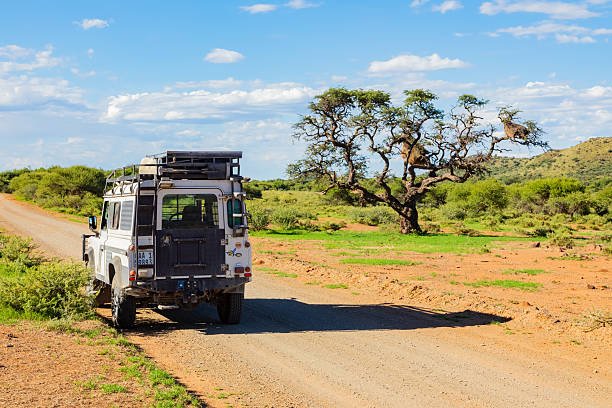
- Vehicle Selection: Ensuring the 4×4 safari vehicle is suitable for photography, often with pop-up roofs or open sides for better views and shooting angles.
- Accommodation Booking: Securing lodges or camps in strategic locations that offer early morning or late evening wildlife viewing.
- Logistical Coordination: Arranging airport transfers, internal flights (if needed, e.g., Tanzania Safari From Zanzibar Fly-In), and ensuring smooth transitions between locations.
- Practical Advice: Providing information on visa requirements, health precautions, packing lists, and tipping etiquette.
Booking with local experts like Top Guide Adventures ensures you benefit from their on-the-ground knowledge, which is invaluable for a successful photography trip. They are committed to providing a memorable and productive safari experience for 2026 and 2027. Reach out to them via WhatsApp +255 616 946 642 or Email topguideadventures@gmail.com to start planning your bespoke Serengeti photography adventure.
By combining your photographic passion with the expertise of operators like Top Guide Adventures, your Tanzania Wildlife Photography Safari in the Serengeti in 2026-2027 promises to be an unforgettable journey, filled with incredible images and lasting memories.
Check Availability for Tanzania Wildlife Photography Safari Serengeti: Expert Guide 2026-2027
Ready to compare dates, prices, and the best option for your group? Send the package name and travel month so the team can reply with a clear quote, availability, and what is included.

Tanzania Classic Wildlife Safaris: Serengeti, Ngorongoro, Tarangire & Manyara
start an unforgettable Tanzania classic wildlife safari covering the iconic parks of Serengeti, Ngorongoro Crater, Tarangire, and Lake Manyara. These tours are designed to showcase the best...
View package details
Great Serengeti Migration Safaris In Tanzania: Best Routes, Seasons &
Discover the magic of the Great Serengeti Migration with Top Guide Adventures. This guide covers the best routes, optimal seasons for wildlife viewing, and essential planning tips for your...
View package details
Serengeti Safari From Mwanza: Best Route For Western Tanzania & 2026-2027
Discover the optimal routes for a Serengeti safari starting from Mwanza, focusing on the unique experiences offered by Western Tanzania and the Western Serengeti. This guide provides...
View package details
How To Visit Southern Serengeti For Calving Season – Ndutu Safari, Timing And
Visiting the Southern Serengeti during the calving season in Ndutu offers an unparalleled wildlife spectacle. This guide details the optimal timing, essential logistics, and what to...
View package details
Best 5 Day Private Safari Tour From Mwanza: Serengeti & Western Tanzania
start an unforgettable 5-day private safari adventure starting from Mwanza, Tanzania. This expertly crafted itinerary blends the iconic wildlife viewing of the Serengeti with the distinct...
View package detailsBackground Remover Free: Enhancing Safari, Wildlife, And Travel Photography
This guide explores the utility of free background removal tools for photographers specializing in safari, wildlife, and travel imagery. It covers how these tools can enhance subject...
View package detailsThe Most Beautiful Animals In World: A Wildlife Photography And Safari
Exploring the planet's most visually stunning creatures offers a unique lens through which to appreciate biodiversity. This guide focuses on animals celebrated for their aesthetic...
View package detailsAfrica Tours & Travel, All Safari Booking In Tanzania 2026-2027
Africa Tours & Travel, All Safari Booking in Tanzania is explained with current 2026-2027 planning, price, itinerary and booking information.
View package detailsBiggest Animals Ever Discovered: African Wildlife, Ocean Giants, And Safari
Discover the planet's most massive creatures, including the giants of African savannas and the leviathans of the deep sea. Learn about their habitats, characteristics, and the awe they...
View package detailsTop 10 Deadliest Snakes Worldwide – African Wildlife Destinations And Safari
Top 10 Deadliest Snakes Worldwide – African Snakes, Wildlife Destinations and Safari Safety is explained with current 2026-2027 planning, price, itinerary.
View package detailsBiggest Animals Ever Discovered: A Look At Giant Wildlife And Marine Giants
Discover the awe-inspiring scale of the largest animals to have ever inhabited Earth. This guide explores the biggest land mammals and the truly immense creatures of the ocean.
View package detailsMost Dangerous Animals In The World – Safari Wildlife, Habitats And Safety
Most Dangerous Animals in the World – Safari Wildlife, Habitats and Safety Around Wild Animals is explained with current 2026-2027 planning, price, itinerary.
View package detailsNo closely related package is available yet for this topic.



