
Kenya offers unparalleled wildlife viewing opportunities across its diverse national parks and reserves, making it a premier destination for safaris, particularly for experiencing iconic migrations and the “Big Five.” Planning a Kenya wildlife and national parks safari for 2026-2027 involves choosing the right parks based on your interests, understanding the best times to visit for specific wildlife events, and deciding on the type of safari experience you desire, from budget-friendly group tours to exclusive private expeditions. Top Guide Adventures specializes in crafting these experiences, providing local expertise and personalized coordination from arrival to departure.
Kenya’s Wildlife Spectacle: An Overview
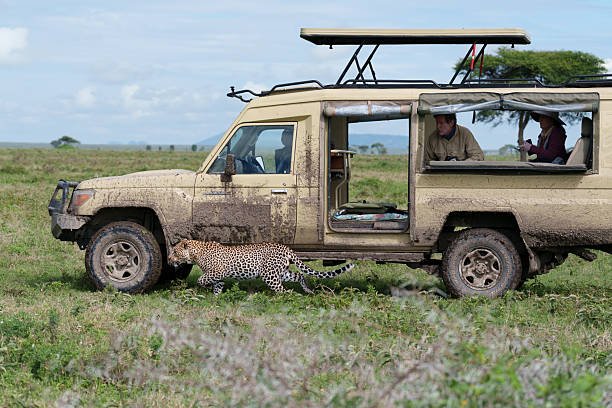
Kenya is synonymous with the African safari. Its vast landscapes, from the rolling savannas of the Maasai Mara to the arid plains of Samburu, teem with an astonishing array of wildlife. The country is globally renowned for its conservation efforts, which have preserved critical habitats for iconic species. For travelers planning a safari in 2026 or 2027, Kenya presents a chance to witness nature at its most raw and magnificent. The sheer density and diversity of animals mean that even short safaris can yield incredible sightings. Beyond the famous “Big Five” – lion, leopard, elephant, rhino, and buffalo – Kenya is home to cheetahs, giraffes, zebras, wildebeest, hippos, crocodiles, and a spectacular variety of birdlife, making every game drive a potential adventure.
The East African ecosystem is dynamic, and Kenya’s parks are central to some of the planet’s most significant wildlife movements. Understanding these patterns is key to maximizing your safari experience. Whether you’re aiming to witness the Great Migration, track elusive predators, or simply soak in the vastness of the African wilderness, Kenya delivers.
Must-Visit National Parks and Reserves
Kenya boasts a network of national parks and reserves, each offering a unique ecosystem and wildlife viewing experience. Selecting the right ones depends on your priorities, whether it’s the Great Migration, specific species, or varied landscapes.
Maasai Mara National Reserve
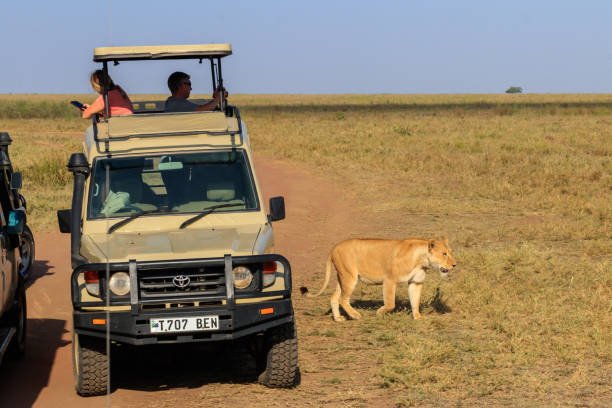
Undoubtedly Kenya’s most famous wildlife destination, the Maasai Mara is the northern extension of Tanzania’s Serengeti. It’s the stage for the dramatic annual Great Migration of wildebeest and zebras, typically from July to October. The Mara is also known for its high concentration of predators, including lions, cheetahs, and leopards, making it a prime location for Big Five sightings. The landscape is classic savanna, dotted with acacia trees and bisected by the Mara River, which the migrating herds must cross.
For those interested in the migration, planning your safari for late July through September is crucial. However, the Mara is a year-round destination for excellent wildlife viewing. Consider a Maasai Mara safari in Kenya to witness this phenomenon, or explore Maasai Mara safari packages for 2026-2027.
Amboseli National Park
Famous for its large elephant herds and stunning backdrop of Mount Kilimanjaro (Africa’s highest peak), Amboseli offers iconic photographic opportunities. The park’s relatively flat, open plains make spotting wildlife easier, and the permanent swampy areas attract a wide variety of animals, especially during dry seasons. Elephants are the stars here, often seen in large, family groups. Other species include lions, cheetahs, giraffes, zebras, and numerous bird species.
Lake Nakuru National Park
This Rift Valley lake is a birdwatcher’s paradise, historically famous for its vast flocks of flamingos (though numbers can fluctuate). Beyond the birds, Lake Nakuru is a sanctuary for Rothschild’s giraffes and is one of the few places in Kenya where you have a good chance of spotting both black and white rhinos. The park also supports lions, leopards, buffalo, and hippos, making it a diverse, albeit smaller, park ideal for day trips or as part of a longer itinerary.
A Maasai Mara Safari and Lake Nakuru combination is a popular choice for 2026-2027, offering both the migration spectacle and unique rhino and bird sightings.
Tsavo East and Tsavo West National Parks
Together, these form Kenya’s largest national park, known for its “red elephants” that bathe in the park’s dusty red soil. Tsavo East is flatter and more arid, with vast open plains and the Yatta Plateau. Tsavo West offers more dramatic scenery with volcanic hills, rocky outcrops, and the Mzima Springs, a source of clear water where you can often see hippos and crocodiles. Both parks are excellent for spotting lions, cheetahs, leopards, elephants, and buffalo.
Samburu National Reserve
Located in the arid north, Samburu offers a different kind of beauty and wildlife. It’s home to the “Samburu Special Five”: the Grevy’s zebra, reticulated giraffe, Somali ostrich, gerenuk (a long-necked antelope), and the beisa oryx. The landscape is rugged, with the Ewaso Nyiro River providing a vital water source for wildlife. Samburu is also known for its leopard sightings and large elephant populations.
Laikipia Plateau
While not a national park, the Laikipia Plateau is a significant conservation area comprising private ranches and conservancies. It is a critical stronghold for the endangered black rhino and Grevy’s zebra, and offers excellent opportunities to see cheetahs and wild dogs. Many conservancies here focus on community involvement and innovative conservation models, offering a more exclusive and educational safari experience.
Arusha National Park (Kenya border proximity)
While Arusha National Park is in Tanzania, its proximity to the Kenyan border makes it relevant for travelers considering cross-border safaris or those starting their journey from Nairobi. It’s known for its diverse landscapes, including Mount Meru, Momella Lakes, and Ngurdoto Crater, and offers opportunities to see colobus monkeys, buffalo, giraffes, and various bird species. For those focusing solely on Kenya, parks like Arusha National Park (Tanzania) are often combined with northern Tanzania circuits, but for a purely Kenyan experience, stick to the parks listed above.
When to Go: Timing Your Kenya Safari 2026-2027
Kenya offers fantastic wildlife viewing year-round, but the “best” time depends on what you want to see. Understanding the seasonal patterns will help you plan your 2026-2027 safari.
Dry Seasons (June to October, December to February)
These are generally considered peak safari seasons. Wildlife congregates around permanent water sources, making animals easier to spot against the dry, sparse vegetation. The Great Migration is typically in the Maasai Mara from July to October, making this the prime time for that specific spectacle. Birdlife is less prolific during these months as migratory birds are not present.
Wet Seasons (March to May, November)
The long rains (March to May) bring lush green landscapes and fewer crowds, offering a different kind of beauty. This is an excellent time for birdwatchers, as migratory birds are present, and newborn animals are often seen. However, game viewing can be more challenging as animals disperse into thicker vegetation, and some roads may become impassable. The short rains (November) can bring brief, intense showers, but often clear up quickly, offering good game viewing with fewer tourists.
Specific Wildlife Events
- Great Migration: July – October (Maasai Mara)
- Calving Season: January – March (Serengeti, can spill into Mara)
- Predator Activity: Often highest during dry seasons when prey is concentrated.
For 2026-2027, consider booking well in advance, especially if you’re targeting the Great Migration period, as accommodations fill up quickly.
Choosing Your Safari Experience: Styles and Options
Kenya offers a range of safari styles to suit different budgets, preferences, and travel goals. Deciding on the right style is crucial for your enjoyment and experience.
Group Joining Safaris
These are the most budget-friendly options. You join a small group of travelers in a shared safari vehicle. This is a great way to experience Kenya’s wildlife parks if you’re traveling solo, as a couple, or on a tighter budget. You’ll share costs for the vehicle, guide, and accommodation. Maasai Mara group joining safaris are particularly popular for 2026-2027.
Pros: Cost-effective, opportunities to meet other travelers.
Cons: Less flexibility in itinerary, shared vehicle time, fixed departure dates.
Private Safaris
A private safari offers the ultimate flexibility and exclusivity. You have a dedicated safari vehicle and guide, allowing you to set your own pace, spend more time at sightings, and customize your itinerary. This is ideal for families, groups of friends, or anyone seeking a more personalized experience. Maasai Mara private safaris offer unparalleled luxury and customization for 2026-2027.
Pros: Maximum flexibility, personalized itinerary, exclusive use of vehicle and guide, choice of accommodation.
Cons: Higher cost per person compared to group safaris.
Walking Safaris
For a more intimate connection with nature, walking safaris offer a unique perspective. Often led by an armed ranger and a knowledgeable guide, these safaris allow you to explore areas inaccessible by vehicle, focusing on smaller details like tracks, plants, and insects, as well as larger game. Popular in conservancies and certain parks like Arusha National Park (Tanzania, but conceptually relevant for walking experiences), they provide a different pace.
Cultural Experiences
Many safaris can be combined with visits to local communities, such as Maasai villages. This offers insight into the traditional lifestyles of Kenya’s indigenous peoples and enhances the cultural richness of your trip. Ensure these visits are conducted respectfully and ethically.
Essential Planning for Your 2026-2027 Kenya Safari
Successful safari planning requires attention to detail. Here are key considerations for your 2026-2027 trip.
Visas and Vaccinations
Most nationalities require a visa to enter Kenya. This can often be obtained online in advance through the e-Visa system. Consult your doctor or a travel clinic regarding recommended vaccinations and malaria prophylaxis well before your departure date. Yellow fever vaccination may be required if arriving from or transiting through certain countries.
Travel Insurance
Comprehensive travel insurance is essential. It should cover medical emergencies, trip cancellations, lost luggage, and evacuation. Ensure it specifically covers safari activities.
Packing Essentials
Pack light, neutral-colored clothing (khaki, beige, olive green) that blends with the environment. Avoid bright colors and dark colors like blue or black, which can attract insects. Key items include:
- Lightweight long-sleeved shirts and trousers for sun and insect protection.
- Warm fleece or jacket for cool mornings and evenings.
- Comfortable walking shoes or hiking boots.
- Sun hat, sunglasses, and high SPF sunscreen.
- Insect repellent.
- Binoculars for enhanced wildlife viewing.
- Camera with extra batteries and memory cards.
- A small backpack for day trips.
- Personal first-aid kit.
Most safari operators allow a maximum luggage weight of 15 kg (33 lbs), typically in soft-sided duffel bags, due to light aircraft transfer limitations.
Health and Safety
While malaria is present in many areas, taking precautions like using repellent and medication can significantly reduce risk. Drink bottled or treated water only. Always follow your guide’s instructions for wildlife encounters and never approach animals.
Budgeting for Your Safari
Safari costs vary significantly based on accommodation style (budget camps, mid-range lodges, luxury tented camps), duration, parks visited, and whether you choose a group or private safari. Expect prices to range from approximately $200-$300 per person per day for budget/group tours to $500-$1000+ per person per day for mid-range to luxury private safaris. These figures generally include accommodation, meals, park fees, vehicle, and guide. International flights, visas, tips, and personal expenses are usually extra. For 2026-2027, it’s wise to get a detailed quote.
Key inclusions to confirm: Park entrance fees, accommodation, meals, game drives, vehicle and guide, airport transfers. Key exclusions to check: International flights, visa fees, travel insurance, tips, alcoholic beverages, optional activities.
Why Book Your Kenya Safari with Top Guide Adventures
Choosing the right tour operator is paramount for a smooth and memorable safari. Top Guide Adventures, based in Moshi/Arusha, Tanzania, brings extensive local knowledge and a commitment to personalized service that extends to planning exceptional safaris in neighboring Kenya. While our primary expertise is in Tanzania, we understand the broader East African safari circuit and can help you navigate the complexities of a Kenyan adventure.
We pride ourselves on offering detailed planning, practical advice, and responsive support. Whether you’re considering a Tanzania safari or venturing into Kenya’s renowned parks like the Maasai Mara, our team is dedicated to crafting an itinerary that matches your dreams and budget for 2026-2027.
We can assist with:
- Tailoring itineraries to focus on specific wildlife interests or park combinations.
- Providing up-to-date information on park conditions and best times to visit for 2026-2027.
- Arranging reliable transport and experienced guides for your Kenyan adventure.
- Offering competitive quotes for both group joining and private safari options.
- Ensuring all logistical aspects are handled, from accommodation bookings to park permits.
To start planning your unforgettable Kenya Wildlife & National Parks safari for 2026-2027, or to discuss how it might fit into a larger East African journey, please reach out to us. We are here to make your dream safari a reality.
Contact us today:
WhatsApp: +255 616 946 642
Email: topguideadventures@gmail.com
A Note on Cross-Border Safaris
While this article focuses on Kenya’s national parks, many travelers combine Kenya and Tanzania for a comprehensive East African safari. For instance, a trip might include the Maasai Mara in Kenya followed by the Serengeti and Ngorongoro Crater in Tanzania. If you are interested in such an extended adventure, Top Guide Adventures, with its deep roots in Tanzania, is perfectly positioned to help coordinate the entire journey, ensuring smooth transitions between countries. Explore our Tanzania safari options for 2026-2027 to see how they can complement a Kenyan experience.
“,
“faq_schema”: []
}
“`
Check Availability for 🐘 Kenya Wildlife & National Parks 2026-2027
Ready to compare dates, prices, and the best option for your group? Send the package name and travel month so the team can reply with a clear quote, availability, and what is included.



