
An Arusha National Park walking safari with a ranger and wildlife game drive offers a multi-faceted, intimate encounter with Tanzania’s diverse ecosystems, combining the thrill of on-foot exploration with the convenience and broader wildlife viewing scope of a vehicle-based safari. This dual approach allows you to experience the park’s smaller details up close with a ranger’s expert guidance, followed by covering more ground to spot larger mammals and scenic vistas from a safari vehicle, making it an ideal choice for those seeking both adventure and comprehensive wildlife observation in 2026-2027.
This comprehensive guide dives deep into what makes an Arusha National Park walking safari with a ranger and game drive a standout experience. We’ll explore the unique advantages of combining these two safari styles, the specific areas within the park where this is best experienced, what wildlife you can realistically expect to see on foot versus from a vehicle, and crucial planning considerations for your 2026-2027 adventure. Whether you’re a seasoned safari-goer or a first-time visitor to Tanzania, understanding the nuances of this particular safari type will help you make informed decisions and maximize your enjoyment.
Why Combine Walking and Game Drives in Arusha NP?
Arusha National Park, though one of Tanzania’s smaller parks, punches well above its weight in terms of biodiversity and scenic beauty. It’s a park that rewards different types of exploration. The decision to combine a walking safari with a traditional game drive is rooted in a desire to experience the park on multiple sensory levels. Here’s why this combination is particularly effective:
- Intimacy vs. Scope: Walking safaris offer an unparalleled sense of connection to the environment. You feel the earth beneath your feet, hear the rustle of leaves, smell the wild sage, and observe insects and smaller creatures often missed from a vehicle. A game drive, conversely, allows you to cover vast distances, increasing your chances of spotting larger, more elusive animals like elephants, buffalos, and giraffes that roam across the park’s varied landscapes.
- Unique Perspectives: From a safari vehicle, you view wildlife from a distance, often through tinted windows. On foot, with a ranger, you gain a ground-level perspective. You can examine animal tracks, identify plant species, and understand the delicate balance of the ecosystem in a way that’s impossible from a car. The ranger’s knowledge transforms a simple walk into an educational journey.
- Access to Specific Areas: Certain areas within Arusha National Park are designated for walking safaris, offering access to routes and viewpoints that vehicles cannot reach. This might include the slopes of Mount Meru or specific trails around the Momella Lakes. Complementing this with a game drive allows you to explore the plains and other habitats where larger herds congregate.
- Variety and Pace: A combined safari offers a dynamic pace. You can spend a morning on a focused, slow-paced walk, absorbing the details, and then transition to a more expansive game drive in the afternoon, covering more ground and seeking out different species. This blend prevents safari fatigue and caters to diverse interests within a single day or multi-day trip.
- Wildlife Encounters: While game drives are excellent for spotting big game, walking safaris are perfect for observing smaller mammals like dik-diks, various monkey species, and antelopes, as well as an incredible array of birdlife. Your ranger can point out signs of larger animals – pugmarks, droppings, or disturbed vegetation – that might otherwise go unnoticed, adding an element of detective work to your adventure.
For travelers planning their trips for 2026-2027, understanding these benefits is key to designing an itinerary that maximizes their experience. TOP GUIDE ADVENTURES specializes in tailoring these combined safaris to suit individual preferences, ensuring you get the most out of Arusha National Park’s unique offerings.
The Arusha National Park Walking Safari: What to Expect on Foot
The walking safari experience in Arusha National Park is distinct and highly rewarding. It’s not about covering miles; it’s about engaging with the environment on a profound level. Here’s a breakdown of what this typically entails:
Designated Walking Zones and Routes
Walking safaris are permitted in specific areas of Arusha National Park, primarily those designated as safe and accessible by park authorities. These zones are chosen for their lower density of dangerous large game (though never entirely free of them) and their ecological significance. Common areas include:
- The Ngurdoto Crater Rim: While vehicles drive into the crater, walking along the rim offers spectacular panoramic views and opportunities to spot smaller animals and birds.
- The Momella Lakes Area: Trails around these alkaline lakes provide excellent birdwatching and chances to see zebras, giraffes, and various antelope species grazing nearby. The landscape here is often more open, allowing for good visibility.
- Slopes of Mount Meru: For those seeking more strenuous activity, guided walks on the lower slopes of Mount Meru offer a different ecosystem, with montane forests and a chance to see forest-dwelling species. These walks are usually more focused on flora, fauna, and stunning views than on large mammal sightings.
What Wildlife Can You See on Foot?
While you won’t typically encounter lions or cheetahs on foot in Arusha National Park (these are rare and concentrated in specific areas), the walking safari excels at showcasing the park’s smaller wonders:
- Primates: Black and white colobus monkeys are common in the montane forests, as are various species of blue monkeys and baboons in other areas.
- Antelopes: Smaller antelopes like dik-diks, bushbucks, and reedbucks are often seen grazing in the undergrowth or crossing paths. You might also spot waterbucks and giraffes in more open areas.
- Zebras: Plains zebras are abundant and often seen in herds, especially around the Momella Lakes.
- Birds: Arusha National Park is a birder’s paradise. On foot, you can more easily spot a vast array of species, including flamingos (seasonally at Momella Lakes), various waterfowl, raptors, turacos, hornbills, and sunbirds.
- Insects and Flora: Your ranger will point out fascinating insects, the medicinal uses of various plants, and the intricate details of the park’s vegetation, which are easily overlooked from a vehicle.
- Signs of Larger Animals: You’ll learn to identify tracks, droppings, and browse marks left by elephants, buffalos, and other larger mammals, understanding their presence even if you don’t see them directly.
The Experience: Senses Engaged
Walking safaris are a sensory immersion. You’ll:
- Hear: The calls of birds, the rustling of leaves, the distant rumble of buffalo, the crunch of your own footsteps.
- Smell: The earthy scent of the soil, the fragrance of wild flowers, the distinct aroma of acacia trees after rain.
- Feel: The sun on your skin, the breeze through the trees, the texture of different plants.
- See: The intricate patterns on an insect’s wing, the subtle camouflage of an antelope, the vastness of the landscape stretching out before you.
It’s a slower, more deliberate way to experience the wild, fostering a deeper appreciation for the environment. For travelers in 2026-2027 looking for an authentic connection, this is unparalleled.
The Indispensable Role of Your Armed Ranger
The presence of an armed ranger is not merely a safety precaution; it is fundamental to the walking safari experience. These rangers are highly trained professionals, deeply knowledgeable about the park’s ecology, animal behavior, and, critically, safety protocols.
Expertise and Knowledge
Your ranger is your guide, interpreter, and protector. They possess:
- Wildlife Identification: They can identify virtually any animal or bird you encounter, often spotting them before you do.
- Behavioral Insights: They understand animal behavior, predicting movements and advising you on how to react (or not react) to ensure safety.
- Ecological Understanding: They can explain the relationships between plants, animals, and the environment, enriching your understanding of the ecosystem.
- Tracking Skills: Rangers are expert trackers, able to read signs in the soil and vegetation to determine the presence and direction of animals, sometimes even large predators.
- Navigation: They know the park intimately, ensuring you stay on safe, designated paths.
Safety and Security
The primary reason for an armed ranger is safety, especially when encountering potentially dangerous wildlife.
- Firearm Proficiency: They are armed and trained to use their firearm defensively to deter aggressive animals, protecting both you and themselves. This is a last resort, as their training emphasizes avoidance and de-escalation.
- Risk Assessment: They constantly assess the environment for potential threats, guiding you to maintain a safe distance from animals and to remain aware of your surroundings.
- Emergency Procedures: In the unlikely event of an incident, they are trained in emergency procedures and communication.
Enhancing the Experience
Beyond safety, the ranger enhances the entire experience:
- Focus on Detail: They draw your attention to things you would otherwise miss – a camouflaged insect, a unique plant, a subtle animal track.
- Storytelling: They often share local lore and personal observations, adding a human element to the wild.
- Building Confidence: Their calm, confident demeanor reassures you, allowing you to relax and fully absorb the experience.
When booking your 2026-2027 walking safari, confirm that you will be accompanied by a certified, armed park ranger. TOP GUIDE ADVENTURES ensures this crucial element is always part of your walking safari package.
The Wildlife Game Drive: Expanding Your Horizons
While the walking safari offers an intimate, ground-level perspective, the wildlife game drive in Arusha National Park provides the breadth and speed to cover more territory and encounter a wider array of species, particularly the larger mammals.
Vehicle Choice and Comfort
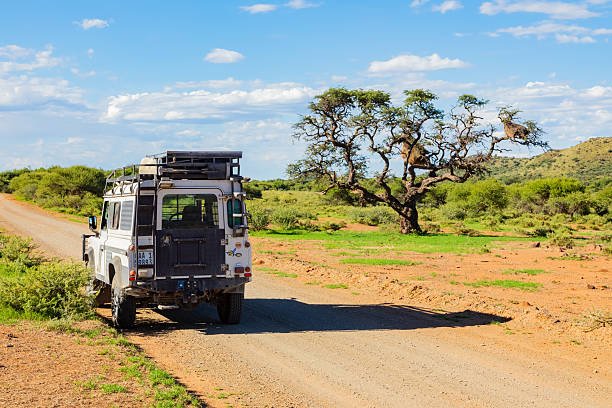
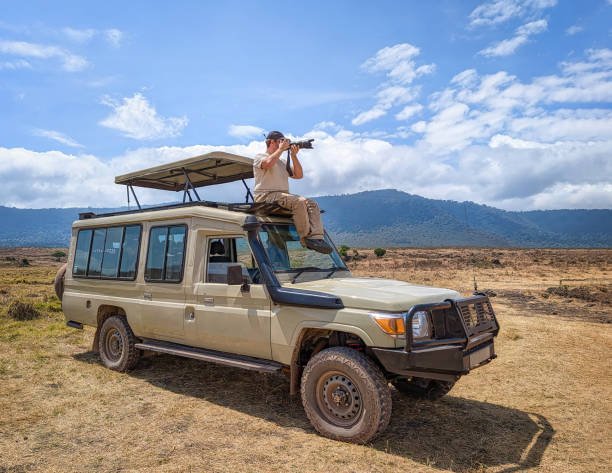
Game drives are typically conducted in sturdy, 4×4 safari vehicles designed for off-road conditions and optimal wildlife viewing. These often feature:
- Pop-up Roofs: Essential for unobstructed 360-degree views and photography.
- Comfortable Seating: With ample legroom for longer drives.
- Cooler Boxes: Often provided for drinks and snacks.
- Experienced Drivers/Guides: Beyond just driving, they are trained naturalists who know the park’s best wildlife hotspots and animal behaviors.
What Wildlife Can You See on a Game Drive?
Game drives are your best bet for spotting Arusha National Park’s iconic larger residents:
- Mammals: Expect to see herds of elephants, cape buffalo, giraffes (both Masai and Reticulated, depending on the area), zebras, wildebeest, warthogs, hippos (in water bodies), and various antelopes such as impalas, greater kudus, and waterbucks. While predators like lions and leopards are present, they are elusive and sightings are not guaranteed, but game drives offer the best chance to find them.
- Birds: The larger, more open areas are also home to a different set of bird species, including ostriches, secretary birds, various eagles, and ground-dwelling birds.
- Scenery: Game drives allow you to traverse the park’s diverse landscapes, from the alkaline lakes and wetlands to the savannah plains and the dense forests on the slopes of Mount Meru, offering impressive views of Mount Meru itself and, on clear days, Mount Kilimanjaro.
Strategic Game Driving
A good guide employs strategy for optimal sightings:
- Early Mornings and Late Afternoons: These are peak activity times for most animals.
- Following Tracks: Guides often follow animal tracks or known routes where certain species are frequently found.
- Listening to Guides: Other guides will communicate sightings, allowing for efficient pursuit of interesting animals.
- Patience: Sometimes, the best sightings come from waiting patiently near a waterhole or a promising area.
The combination of a skilled driver-guide and a well-equipped vehicle ensures that your game drive in Arusha National Park is both comfortable and incredibly productive, complementing the focused experience of the walking safari perfectly. For 2026-2027 travelers, this blend is key to a complete safari experience.
Choosing Your Arusha National Park Safari Style: Walking vs. Game Drive vs. Combined
When planning your visit to Arusha National Park, especially for 2026-2027, you have distinct options. Understanding the trade-offs between a walking safari, a game drive, and a combined approach is crucial for tailoring the experience to your interests and expectations.
Option 1: Arusha National Park Walking Safari (Ranger-Guided Only)
- Best For: Travelers who prioritize an intimate, sensory connection with nature, enjoy hiking, are keen birdwatchers, and are fascinated by smaller flora and fauna. It’s ideal for those who want to learn about tracking, plant life, and the intricate details of the ecosystem.
- Pros: Unparalleled immersion, unique perspectives, educational, great for photography of small details, physically engaging.
- Cons: Limited to specific safe zones, slower pace, less likely to see large herds or predators, requires a good level of mobility.
- Wildlife Focus: Primates, birds, smaller antelopes, insects, flora, animal tracks.
Option 2: Arusha National Park Game Drive Only
- Best For: Travelers who want to cover more ground, maximize sightings of larger mammals and potentially predators, and prefer the comfort and convenience of a safari vehicle. This is the classic safari experience.
- Pros: Covers more territory, higher chance of spotting large game and predators, comfortable, efficient for covering distances.
- Cons: Less intimate connection to the environment, wildlife viewed from a distance, less focus on smaller details.
- Wildlife Focus: Elephants, buffalo, giraffes, zebras, wildebeest, various antelopes, potentially lions/leopards, ostriches, large birds.
Option 3: Combined Arusha National Park Walking Safari with Ranger and Wildlife Game Drive
- Best For: Travelers who want the ‘best of both worlds’ – the in-depth, detailed experience of a walking safari combined with the broad coverage and larger game viewing opportunities of a game drive. This option offers the most comprehensive understanding of the park.
- Pros: Offers the ultimate variety, catering to diverse interests, provides both intimate and expansive views, maximises chances of diverse wildlife sightings, dynamic pace.
- Cons: Requires more time to experience both activities thoroughly (often a full day or more), can be more expensive due to the need for both a ranger and a driver-guide, requires planning to transition between activities.
- Wildlife Focus: All species, from the smallest insect to the largest mammal, with opportunities for both close-up observation and distant viewing.
For most visitors, especially those planning for 2026 or 2027, the combined approach is often the most fulfilling. It ensures you don’t miss out on either the unique intimacy of walking or the thrilling scope of a game drive. TOP GUIDE ADVENTURES excels at crafting these combined itineraries, ensuring a smooth transition between your walking and driving experiences.
Planning Your Arusha National Park Walking Safari & Game Drive Adventure (2026-2027)
Successful planning is the cornerstone of an exceptional safari. For an Arusha National Park walking safari combined with a game drive in the 2026-2027 season, consider these key elements:
Best Time to Visit
Arusha National Park is a year-round destination, but certain periods offer distinct advantages:
- Dry Seasons (June to October, January to February): These months offer the most pleasant weather for walking and game viewing. Skies are generally clear, making for excellent photography. Vegetation is less dense, improving visibility for larger animals. However, these are also peak tourist seasons, so booking well in advance for 2026-2027 is advisable.
- Green Seasons (March to May, November to December): These periods see more rainfall, which can lead to lush landscapes and fewer crowds. Birdwatching can be exceptional, and the rain often brings out interesting insects and amphibians. However, walking may be more challenging due to muddy conditions, and some roads might become difficult to navigate. Game drives are still very feasible.
Duration of Your Visit
A combined walking safari and game drive experience can be enjoyed in a single, long day, but to truly appreciate both aspects without rushing, a minimum of 1 to 2 full days dedicated to Arusha National Park is highly recommended for 2026-2027. This allows for a morning walk and an afternoon game drive, or separate days for each activity.
What to Pack: Essentials for Walking and Driving
Packing appropriately is crucial for comfort and safety. For a combined safari, consider these essentials:
- Clothing: Lightweight, breathable, neutral-coloured clothing (khaki, beige, olive green). Avoid bright colours and dark colours like black or navy, which can attract insects or be too hot. Long sleeves and trousers are recommended for sun and insect protection, especially during walks.
- Footwear: Comfortable, sturdy walking shoes or hiking boots are essential for the walking safari. For game drives, casual walking shoes or trainers are sufficient.
- Sun Protection: A wide-brimmed hat, sunglasses, and high SPF sunscreen are vital.
- Insect Repellent: Especially important for early mornings and late afternoons, and around water bodies.
- Rain Gear: A lightweight, waterproof jacket or poncho is advisable, particularly during the green seasons.
- Binoculars: A must-have for spotting wildlife at a distance.
- Camera: With extra batteries and memory cards. Consider a zoom lens for wildlife photography.
- Reusable Water Bottle: Staying hydrated is key.
- Small Backpack: For carrying water, snacks, camera, and personal items during walks.
- Personal First-Aid Kit: Including any personal medications.
Health and Safety Considerations
- Vaccinations: Consult your doctor or a travel clinic about recommended vaccinations and malaria prophylaxis for Tanzania.
- Hydration: Drink plenty of water, especially during walks.
- Sun Exposure: Protect yourself from the strong equatorial sun.
- Respecting Wildlife: Always follow your ranger’s and guide’s instructions. Maintain a safe distance from animals. Never feed wildlife.
- Walking Safety: Stick to designated paths and stay close to your ranger. Be aware of your surroundings.
Physical Fitness
The walking safari component requires a moderate level of fitness. Walks can range from 1-3 hours and may involve uneven terrain. The game drives are sedentary. If you have concerns about mobility, discuss them with your tour operator.
Planning ahead for 2026-2027 ensures you can book your preferred dates and accommodations, especially during peak seasons. TOP GUIDE ADVENTURES can assist with all these planning details, ensuring a smooth and memorable experience.
Sample Itinerary Ideas for Arusha National Park
To illustrate how a combined walking safari and game drive can be structured, here are a couple of sample itinerary ideas. These are flexible and can be customized for your 2026-2027 trip.
Option A: Full-Day Arusha National Park Explorer
- Morning (Approx. 8:00 AM – 12:00 PM): Ranger-Guided Walking Safari
- Start: Meet your armed ranger and driver-guide at a designated park entry point (e.g., near Momella Gate).
- Activity: start a 2-3 hour guided walk, perhaps around the Momella Lakes or along designated forest trails. Focus on birdlife, smaller mammals, plant identification, and understanding the local ecosystem. Your ranger will share tracking skills and ecological insights.
- Experience: in-depth, sensory, educational.
- Midday (Approx. 12:00 PM – 1:00 PM): Picnic Lunch
- Location: Enjoy a packed lunch at a scenic picnic spot within the park, perhaps with views of Mount Meru or the lakes.
- Experience: Relaxing break amidst nature.
- Afternoon (Approx. 1:00 PM – 5:00 PM): Wildlife Game Drive
- Activity: Transition to your safari vehicle. Your driver-guide will take you on a game drive, focusing on areas known for larger mammals. This could include driving around the Ngurdoto Crater, exploring the open plains, and visiting water sources.
- Experience: Dynamic, broad wildlife viewing, scenic vistas.
- Potential Sightings: Elephants, buffalo, giraffes, zebras, various antelopes, hippos, diverse birdlife.
- Late Afternoon (Approx. 5:00 PM): Departure
- End: Depart from Arusha National Park, returning to your accommodation in Arusha or Moshi.
Option B: Two-Day Arusha National Park Immersion
- Day 1: Focus on Walking & Lower Slopes
- Morning: Arrive at the park and meet your ranger. Undertake a longer, more challenging guided walk on the lower slopes of Mount Meru, exploring the montane forest. Focus on forest ecology, primate spotting (colobus monkeys), and birdlife.
- Lunch: Packed lunch in a forest clearing.
- Afternoon: Gentle walk around the Ngurdoto Crater rim for spectacular views and birdwatching.
- Evening: Depart for your lodge/campsite just outside or within the park boundaries for an overnight stay, allowing for a more relaxed pace and stargazing.
- Day 2: Game Drive & Crater Exploration
- Morning: After breakfast, start a dedicated game drive. Explore the Momella Lakes area, known for its plains game like zebras and giraffes, and excellent birdlife.
- Lunch: Picnic lunch at a designated spot.
- Afternoon: Drive into the Ngurdoto Crater, a caldera with a rich concentration of wildlife, including buffalo, warthogs, and often elephants.
- Late Afternoon: Depart from the park.
These are just starting points. For your 2026-2027 safari, TOP GUIDE ADVENTURES will work with you to design an itinerary that perfectly matches your interests, fitness level, and time constraints. We ensure that the transition between walking and driving is smooth, and that you have the best possible guides for each activity.
Booking Your Arusha National Park Walking Safari with TOP GUIDE ADVENTURES
Choosing the right tour operator is paramount for a successful and memorable Arusha National Park walking safari with a ranger and game drive. TOP GUIDE ADVENTURES, with its deep roots in Moshi/Arusha, offers a local expertise that is invaluable for planning your 2026-2027 adventure.
Why Choose TOP GUIDE ADVENTURES?
- Local Expertise: As a premier Tanzania and Zanzibar expert, we have an intimate knowledge of Arusha National Park, its wildlife, its best walking trails, and its rangers. Our team is based locally, ensuring up-to-date information and responsive service.
- Tailored Itineraries: We don’t offer one-size-fits-all packages. We specialize in creating bespoke itineraries that combine walking safaris and game drives according to your preferences, fitness level, and desired wildlife focus.
- Experienced Guides: We work with certified, armed park rangers for walking safaris and highly skilled, knowledgeable driver-guides for game drives. Our team’s expertise ensures your safety and enriches your understanding of the park.
- Logistical Excellence: From park entry fees and permits to vehicle arrangements and picnic lunches, we handle all the logistical details, allowing you to focus on enjoying your safari.
- Value for Money: We are committed to providing competitive pricing for high-quality safari experiences, ensuring you get excellent value for your investment in 2026-2027.
What to Confirm When Booking
When you reach out to book your Arusha National Park walking safari and game drive, here are key details to discuss and confirm:
- Inclusions: Clearly understand what is included in your package. Typically, this would cover park entry fees, ranger fees for walking, vehicle hire for game drives, driver-guide fees, picnic lunches, and potentially transfers from your Arusha/Moshi accommodation.
- Exclusions: Be aware of what is not included, such as tips for guides and rangers, personal travel insurance, drinks (other than water provided), and accommodation before/after the safari day.
- Duration: Confirm the exact duration of the walking safari and game drive components.
- Ranger Assignment: Ensure that a qualified, armed park ranger will accompany your walking safari.
- Vehicle Type: Clarify the type of 4×4 safari vehicle used for the game drive.
- Meal Arrangements: Confirm if picnic lunches are provided and if special dietary requirements can be accommodated.
- Meeting Point and Time: Establish clear arrangements for pick-up or meeting points.
- Payment Terms: Understand the deposit and final payment schedule, and the accepted payment methods.
- Cancellation and Refund Policy: Familiarize yourself with the terms and conditions regarding cancellations and refunds, especially important for future travel in 2026-2027. Refer to our Terms & Conditions and Refund Policy.
Making Your Booking
Ready to plan your unforgettable Arusha National Park adventure for 2026-2027? Contact TOP GUIDE ADVENTURES today:
- WhatsApp: +255 616 946 642
- Email: topguideadventures@gmail.com
Our team is eager to help you craft the perfect Arusha National Park walking safari with a ranger and wildlife game drive, ensuring a smooth and deeply rewarding experience.
Frequently Asked Questions about Arusha National Park Walking Safaris
Q1: Is it safe to go on a walking safari in Arusha National Park?
Yes, walking safaris in Arusha National Park are considered safe when conducted with a qualified, armed park ranger. The designated walking areas are chosen for their relative safety, and the ranger’s expertise in wildlife behavior and defensive tactics is paramount. They will guide you on how to behave and maintain a safe distance from any wildlife encountered. It’s crucial to always follow their instructions.
Q2: What is the difference between a walking safari and a game drive?
A walking safari offers an intimate, sensory experience where you explore the park on foot with an armed ranger, focusing on smaller details, tracking, and the immediate environment. A game drive uses a safari vehicle to cover larger distances, increasing the chances of spotting herds of large mammals and predators across the park’s varied landscapes. The combined experience leverages the strengths of both.
Q3: What kind of wildlife can I expect to see on a walking safari in Arusha National Park?
On a walking safari, you are most likely to see smaller mammals like various monkey species (colobus, blue monkeys), dik-diks, bushbucks, and possibly zebras or giraffes at a distance. The focus is also heavily on birdlife, insects, and the park’s flora. While large predators are rare in walking areas, your ranger will be able to point out tracks and signs of their presence.
Q4: What should I wear for a walking safari?
Wear comfortable, sturdy walking shoes or hiking boots. For clothing, opt for lightweight, breathable, neutral-coloured attire (khaki, beige, olive). Long sleeves and trousers are recommended for protection against the sun and insects. A hat and sunglasses are essential. Pack a light rain jacket, especially during the wetter seasons.
Q5: How long are the walking safaris typically?
Walking safaris in Arusha National Park typically last between 1 to 3 hours, depending on the chosen route, the group’s fitness level, and wildlife sightings. They are designed to be an in-depth experience rather than an endurance test.
Q6: Do I need to book a walking safari in advance?
Yes, it is highly recommended to book your walking safari, especially if you are combining it with a game drive, well in advance, particularly for travel during peak seasons in 2026-2027. This ensures the availability of qualified rangers and appropriate vehicles, and allows tour operators like TOP GUIDE ADVENTURES to arrange all necessary permits and logistics.
Q7: Can children participate in walking safaris?
Age restrictions for walking safaris can vary. Generally, children must be accompanied by an adult and may need to meet a minimum age requirement (often 12 years or older) due to safety considerations. It is best to confirm the specific policy with your tour operator when booking for 2026-2027.
Q8: What happens if it rains during my walking safari?
If light rain occurs, your guide may decide to continue with the walk, provided it is safe. You should have a rain jacket or poncho. In cases of heavy rain or storms that make walking unsafe, the ranger will assess the situation, and an alternative activity, such as a game drive or rescheduling the walk, might be arranged, subject to park regulations and availability.
An Arusha National Park walking safari with ranger and wildlife game drive offers a truly comprehensive and unforgettable way to experience the magic of Tanzania. By combining the intimate exploration of walking with the expansive viewing opportunities of a game drive, you gain a profound appreciation for this diverse park. For your 2026-2027 travels, let TOP GUIDE ADVENTURES help you craft this incredible adventure. Contact us via WhatsApp +255 616 946 642 or email topguideadventures@gmail.com to start planning.
Check Availability for Arusha National Park Walking Safari With Ranger And Wildlife Game Drive…
Ready to compare dates, prices, and the best option for your group? Send the package name and travel month so the team can reply with a clear quote, availability, and what is included.
Arusha Day Trips: Wildlife, Waterfalls, Culture, Coffee & Safari Experiences
Arusha day trips offer a fantastic way to experience Tanzania's diverse attractions without committing to longer safaris. From thrilling wildlife encounters in Arusha National Park to the...
View package details
Private Tanzania Safari With Flexible Daily Game Drive Schedules 2026-2027
Private Tanzania Safari with Flexible Daily Game Drive Schedules is explained with current 2026-2027 planning, price, itinerary and booking information.
View package details
How To Spend One Day In Arusha Before Safari – Best Trips And Things To Do
Discover the ideal ways to spend your single day in Arusha before embarking on your Tanzanian safari, focusing on the most rewarding day trips and local experiences.
View package details
Tanzania Safari Tours With Early Morning Game Drives Included 2026-2027
Tanzania Safari Tours with Early Morning Game Drives Included is explained with current 2026-2027 planning, price, itinerary and booking information.
View package details
Tanzania Safari Tours With All Park Fees Included In The Price 2026-2027
Tanzania Safari Tours with All Park Fees Included in the Price is explained with current 2026-2027 planning, price, itinerary and booking information.
View package detailsBiggest Animals Ever Discovered: African Wildlife, Ocean Giants, And Safari
Discover the planet's most massive creatures, including the giants of African savannas and the leviathans of the deep sea. Learn about their habitats, characteristics, and the awe they...
View package detailsBackground Remover Free: Enhancing Safari, Wildlife, And Travel Photography
This guide explores the utility of free background removal tools for photographers specializing in safari, wildlife, and travel imagery. It covers how these tools can enhance subject...
View package detailsThe Most Beautiful Animals In World: A Wildlife Photography And Safari
Exploring the planet's most visually stunning creatures offers a unique lens through which to appreciate biodiversity. This guide focuses on animals celebrated for their aesthetic...
View package detailsTop 10 Deadliest Snakes Worldwide – African Wildlife Destinations And Safari
Top 10 Deadliest Snakes Worldwide – African Snakes, Wildlife Destinations and Safari Safety is explained with current 2026-2027 planning, price, itinerary.
View package detailsBiggest Animals Ever Discovered: A Look At Giant Wildlife And Marine Giants
Discover the awe-inspiring scale of the largest animals to have ever inhabited Earth. This guide explores the biggest land mammals and the truly immense creatures of the ocean.
View package detailsMost Dangerous Animals In The World – Safari Wildlife, Habitats And Safety
Most Dangerous Animals in the World – Safari Wildlife, Habitats and Safety Around Wild Animals is explained with current 2026-2027 planning, price, itinerary.
View package detailsThe Strongest Animals On Planet: Powerful Wildlife To Observe 2026-2027
Exploring the sheer physical power of the animal kingdom reveals creatures that command respect through their might. This guide focuses on the strongest animals on the planet, highlighting...
View package detailsNo closely related package is available yet for this topic.



