
A Lake Eyasi photography and cultural experience offers unparalleled opportunities to capture intimate portraits and vibrant scenes of ancient tribal life, primarily focusing on the hunter-gatherer Hadzabe and the pastoralist Datoga peoples, in a remote corner of Tanzania. Planning for 2026-2027 involves choosing the right season, understanding the logistics of reaching the area, and selecting an operator committed to respectful cultural interaction and providing excellent photographic access. The core decision revolves around the duration of your visit and the specific tribes you wish to focus on, as well as how you’ll integrate this unique destination into a broader Northern Tanzania safari itinerary.
Understanding Lake Eyasi: More Than Just a Lake
Lake Eyasi is a vast, shallow soda lake located in the Great Rift Valley in northern Tanzania. While often referred to by its name, its true allure for visitors lies not in the lake itself, which can be dry or a shimmering expanse depending on the season, but in the unique indigenous communities that call its surrounding arid landscapes home. This region is a vital sanctuary for cultures that have maintained ancient traditions for centuries, making it a profound destination for those seeking authentic human connection and distinctive photographic subjects.
The geography around Lake Eyasi is characterized by dry plains, acacia woodlands, and the dramatic escarpment of the Rift Valley. It’s a starkly beautiful environment that shapes the lives and traditions of its inhabitants. Understanding this context is crucial for appreciating the resilience and ingenuity of the Hadzabe and Datoga peoples. Unlike the more commonly visited Maasai, these groups offer a glimpse into lifestyles that are increasingly rare globally. For photographers and cultural enthusiasts, the raw, untamed beauty of the landscape serves as a dramatic backdrop to the human stories unfolding within it.
Photographic Opportunities at Lake Eyasi
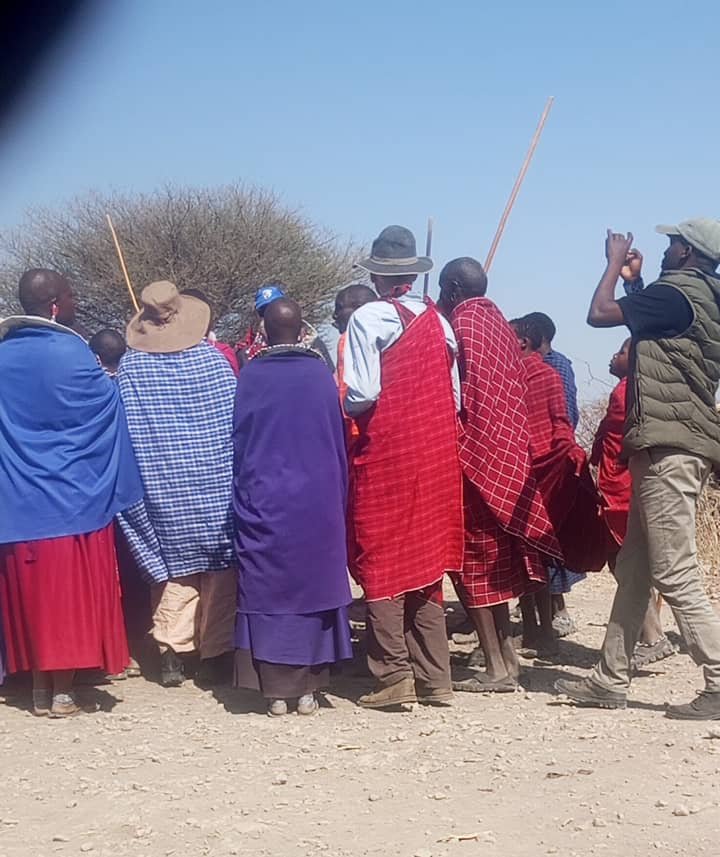
Lake Eyasi is a photographer’s dream, offering a rich mix of subjects and scenes that are both visually striking and deeply evocative. The primary draw is, of course, the people. The Hadzabe, Tanzania’s last remaining hunter-gatherer tribe, provide incredible opportunities for capturing candid moments of daily life: men practicing archery with traditional bows, women gathering roots and berries, and children playing in the dust. Their unique body paint, traditional attire, and the intensity of their connection to the land make for powerful portraits.
The Datoga people, known for their intricate beadwork, metalworking skills, and distinctive facial scarification, also present compelling photographic subjects. Witnessing a Datoga blacksmith at work, hammering metal into tools and jewelry using age-old techniques, offers a dynamic and visually rich scene. The soft light of dawn and dusk, the harsh midday sun casting sharp shadows, and the smoky interiors of traditional huts all contribute to a diverse photographic palette. Beyond the people, the arid landscapes, unique flora, and the vastness of the lakebed (when dry) provide sweeping vistas and abstract compositions.
For those planning a photography trip in 2026-2027, consider the time of day carefully. Early mornings are excellent for capturing the Hadzabe on their hunts, while evenings offer golden hour light perfect for portraits. The contrast between the vibrant colours of tribal clothing and adornments against the earthy tones of the landscape is a recurring theme. It’s important to note that while the opportunities are abundant, photography here requires sensitivity and respect, which we’ll discuss further.
Cultural Encounters with the Hadzabe
Interacting with the Hadzabe is often the highlight of a Lake Eyasi visit. They are one of the last hunter-gatherer communities in Africa, living a life deeply intertwined with the rhythms of nature. Their language, characterized by clicks, is unique, and their social structure is egalitarian. A typical experience involves joining them on a morning hunt, where you can observe their incredible tracking skills and the use of bows and arrows made from acacia wood and animal sinew. This is a truly in-depth experience, offering a glimpse into a way of life that has sustained them for millennia.
Beyond the hunt, you might witness their fire-making techniques, learn about the medicinal properties of local plants, and observe their communal living. It’s crucial to approach these interactions with humility and a genuine desire to learn. The Hadzabe are not a tourist attraction but a community living their lives. Your guide will facilitate introductions and ensure that your presence is welcomed and non-disruptive. For photography, focus on capturing the essence of their skills, their expressions, and their connection to the environment. Be mindful of their privacy, especially during intimate moments.
TOP GUIDE ADVENTURES specializes in facilitating these encounters respectfully. We understand the nuances of engaging with the Hadzabe, ensuring that your visit is not only photographically rewarding but also a meaningful cultural exchange. Planning a visit for 2026 or 2027 means you can be part of a unique opportunity to witness this ancient lifestyle.
Related: For a focused look at this experience, explore our Hadzabe Cultural Tour and Bush Experience at Lake Eyasi.
Cultural Encounters with the Datoga
The Datoga, also known as the Datooga or Taturu, are pastoralists and skilled artisans who inhabit the areas around Lake Eyasi. They are renowned for their traditional blacksmithing, creating tools, arrowheads, and jewelry from scrap metal. Visiting a Datoga village offers a different, yet equally fascinating, cultural insight. You can witness the entire process of metalworking, from smelting the raw materials to the final crafting of intricate items. This is a powerful visual experience, with the heat of the forge, the rhythmic hammering, and the pride of the artisans.
Datoga women are recognized for their beautiful beadwork, used to create elaborate necklaces, bracelets, and headbands, as well as for their distinctive facial and body scarification, considered a mark of beauty. Observing their daily routines, their farming practices, and their close relationship with their livestock provides further depth to the cultural immersion. Unlike the Hadzabe, the Datoga are more settled, allowing for a more in-depth exploration of their craft and village life.
A photography and cultural experience focusing on the Datoga in 2026-2027 offers rich opportunities to document traditional crafts and distinct cultural aesthetics. Ensure your guide can facilitate introductions to the blacksmiths and artisans, explaining your interest in photography respectfully. This allows for better access and more authentic interactions.
Learn more: Discover the details of this unique craft in our Datoga Cultural Tour and Traditional Village Experience.
Planning Your Lake Eyasi Photography Trip (2026-2027)
Successfully planning a photography and cultural experience at Lake Eyasi requires careful consideration of several factors, especially for trips planned in 2026 or 2027. The timing of your visit is crucial, as the landscape and accessibility change dramatically with the seasons. The dry season, typically from June to October, offers easier access and more predictable weather, but can be dusty. The wet season, from November to May, brings lush greenery but can make some tracks impassable.
The duration of your stay is another key decision. While day trips from Karatu or Arusha are possible, they offer only a brief glimpse. For meaningful photography and cultural immersion, we recommend a minimum of 2-3 days dedicated to Lake Eyasi. This allows ample time to spend with both the Hadzabe and Datoga communities, follow them on their daily activities, and capture the essence of their lives without rushing. Longer trips, such as our 4-day Lake Eyasi Cultural Safari, provide a more comprehensive understanding.
Consider how Lake Eyasi fits into your broader Tanzanian adventure. It’s often combined with visits to the Ngorongoro Crater or Serengeti National Park. Integrating it requires careful itinerary planning to ensure smooth transitions and sufficient time at each location. A Lake Eyasi and Ngorongoro Crater Cultural Safari Tour offers a contrast between wildlife and deeply human cultural experiences.
Key Considerations for 2026-2027:
- Best Time to Visit: Dry season (June-October) for accessibility; shoulder seasons (May, November) can offer a balance.
- Minimum Duration: 2-3 full days for meaningful engagement.
- Integration: Combine with Ngorongoro, Serengeti, or other Northern Circuit destinations.
- Focus: Decide if you wish to prioritize Hadzabe, Datoga, or a balanced experience.
Logistics and Accommodation
Reaching Lake Eyasi typically involves a drive from Arusha or Karatu. The roads can be rough and challenging, especially during the rainy season, highlighting the need for a sturdy 4×4 vehicle and an experienced driver. A typical journey from Arusha might take 4-5 hours, often broken up with stops. For photographers, having a comfortable and capable vehicle is essential for reaching remote village locations.
Accommodation options at Lake Eyasi are limited and range from basic campsites to more comfortable lodges or tented camps situated near the lake or the communities. These accommodations are often rustic, reflecting the remote nature of the area. Options like the Lake Eyasi Safari Lodge or Tembo Simba Lodge offer comfortable stays with stunning views. For a more budget-conscious or in-depth experience, camping is also viable. When booking for 2026-2027, it’s advisable to book accommodation well in advance, as availability can be scarce.
The choice of accommodation often dictates the ease of access to the tribes. Staying closer to the villages allows for earlier morning or later evening visits, which are often the most photogenic times. Ensure your chosen lodging works in conjunction with your guide to arrange visits to the communities. TOP GUIDE ADVENTURES can assist in selecting the best lodging that balances comfort, access, and your specific interests, whether that’s a budget cultural safari or a more comfortable setup.
Responsible Tourism and Photography Etiquette
Engaging with the Hadzabe and Datoga requires a high degree of cultural sensitivity and ethical practice, especially when photography is involved. These communities are not exhibits; they are people living their lives. It is paramount that your visit is conducted respectfully, with the guidance of a local expert who understands tribal customs and protocols.
Photography Etiquette:
- Always Ask Permission: Before taking any photographs, especially close-ups of individuals, always ask your guide to seek permission from the person or the village elder. A nod or gesture from the guide is essential.
- Be Discreet: Avoid intrusive or aggressive photography. Use a zoom lens to capture details from a respectful distance when direct interaction isn’t possible or appropriate.
- Focus on Respect, Not Exploitation: Your goal should be to document their lives authentically, not to create sensationalized images.
- Offer a Small Gift (Optional but Recommended): Sometimes, a small gift like sugar, salt, or simple beads can be appreciated, but always discuss this with your guide first. Direct monetary payment for photos is generally discouraged as it can lead to transactional relationships.
- Understand Their Lifestyle: Recognize that the Hadzabe are hunter-gatherers and the Datoga are pastoralists. Their way of life is their reality, not a performance for tourists.
TOP GUIDE ADVENTURES is committed to responsible tourism. Our guides are trained to facilitate these interactions ethically, ensuring that the communities benefit positively from your visit and that your experience is one of genuine cultural exchange. We believe in supporting sustainable tourism practices that respect the dignity and traditions of the people you meet. This approach is vital for any trip planned for 2026-2027.
Read more about ethical travel: Tanzania Cultural Safari and Local Village Tours.
Booking Your Experience
Booking a Lake Eyasi photography and cultural experience for 2026-2027 is best done through a reputable local tour operator like TOP GUIDE ADVENTURES. We have in-depth knowledge of the region, established relationships with local communities, and a commitment to providing authentic and respectful experiences. Our packages are designed to offer a blend of photographic opportunities, cultural immersion, and logistical support.
When you contact us, please provide details about your interests (e.g., focus on Hadzabe hunting, Datoga blacksmithing, general tribal life), your desired travel dates for 2026 or 2027, the number of travelers, and your overall itinerary for Tanzania. This helps us tailor a program that best suits your needs. We can arrange anything from a day trip from Arusha to a comprehensive 7-day cultural safari incorporating Lake Eyasi.
Our team will guide you through the planning process, including visa information, packing advice, and what to expect on the ground. We ensure that your journey is not only visually spectacular but also deeply meaningful. For inquiries or to start planning your unforgettable trip, reach out to us:
WhatsApp: +255 616 946 642
Email: topguideadventures@gmail.com
Let TOP GUIDE ADVENTURES help you create a Lake Eyasi photography and cultural experience that you will cherish for a lifetime.
Check Availability for Lake Eyasi Photography And Cultural Experience: A Deep Dive 2026-2027
Ready to compare dates, prices, and the best option for your group? Send the package name and travel month so the team can reply with a clear quote, availability, and what is included.

Hadzabe Tribe Visit Lake Eyasi Cultural Tour: Hunting, Village Life & Datoga
Discover the authentic culture of the Hadzabe and Datoga people on a cultural tour to Lake Eyasi. This guide details the hunting practices, village life, and unique experiences awaiting you...
View package details
Hadzabe And Datoga Tribe Safari – Lake Eyasi Cultural Tour Traditional
Hadzabe and Datoga Tribe Safari – Lake Eyasi Cultural Tour and Traditional Experiences is explained with current 2026-2027 planning, price, itinerary and.
View package details
How Much Does A Hadzabe Tribe Tour Cost? Lake Eyasi Prices And Cultural
Planning a trip to interact with the Hadzabe people? This guide breaks down the typical costs for Hadzabe tribe tours around Lake Eyasi, detailing what influences prices, what’s usually...
View package details
Hadzabe Tribe Visit Cost, Hunting, Food, History And Location – Lake Eyasi
Hadzabe Tribe Visit Cost, Hunting, Food, History and Location – Lake Eyasi Cultural Safari is explained with current 2026-2027 planning, price, itinerary and.
View package details
Tanzania Tribal Culture Photography Tour: Maasai, Hadzabe, Datoga & Cultural
start a photography journey into the heart of Tanzania's most iconic tribes: the Maasai, Hadzabe, and Datoga. This specialized tour offers unparalleled opportunities for photographers...
View package detailsBest New Artists To Discover At Music Festivals, Cultural Events, And Through
Explore the dynamic landscape of emerging music by uncovering new artists through the vibrant energy of global music festivals, enriching cultural events, and in-depth travel experiences...
View package details20 Fashion, Beauty, And Lifestyle Experiences: Markets, Shopping
Discover a curated selection of 20 distinct experiences that blend fashion, beauty, and lifestyle across global markets, shopping cities, and cultural encounters. This guide highlights...
View package details20 Fashion, Beauty, And Lifestyle Experiences: Markets, Shopping Cities
Discover a curated selection of 20 fashion, beauty, and lifestyle experiences, blending the allure of global markets, sophisticated shopping cities, and enriching cultural travel.
View package details
Cultural Tours Tanzania: Maasai, Hadzabe, Datoga, Chagga & Village Experiences
start an unforgettable cultural journey through Tanzania, connecting with the Maasai, Hadzabe, Datoga, and Chagga peoples, alongside authentic local village experiences. This guide provides...
View package detailsTop 20 Richest Musicians In Africa – African Music, Cultural Festivals And
This article delves into the financial landscape of Africa's music industry by identifying and examining the net worth of the top 20 richest musicians on the continent. It explores the...
View package detailsExploring History, Culture, And Heritage: A Deeper Understanding 2026-2027
This guide delves into the multifaceted world of history, culture, and heritage experiences, exploring their importance, how they are preserved, and how individuals can engage with them...
View package detailsThe Interplay Of Music, Entertainment, And Travel Experiences 2026-2027
Discover the dynamic relationship between music, entertainment, and travel. This guide explores how concerts, festivals, film locations, and celebrity culture influence where and how we...
View package detailsNo closely related package is available yet for this topic.



