
A Tanzania Tribal Culture Photography Tour focusing on the Maasai, Hadzabe, and Datoga offers dedicated photographers unique opportunities to capture the essence of these ancient cultures through respectful and ethical visual storytelling. Typically, these tours are designed for small groups or individuals, often lasting from 7 to 14 days, and are based in regions like Arusha, Karatu, and particularly around Lake Eyasi. The core of the experience involves guided visits to Maasai bomas (villages), participation in daily activities with the Hadzabe hunter-gatherers, and observing the traditional blacksmithing and pastoralist lifestyle of the Datoga people. The main decision for travelers lies in choosing the tour duration, the specific tribes they wish to focus on, and the level of immersion they desire, balancing photographic opportunities with genuine cultural respect. For 2026-2027, booking well in advance is recommended to secure preferred dates and guides.
Understanding the Tanzania Tribal Culture Photography Tour
This specialized photography tour is more than just a safari; it’s an invitation to document the vibrant lives and enduring traditions of Tanzania’s most culturally significant communities. Unlike standard safaris that focus on wildlife, a tribal culture photography tour prioritizes human interaction and the visual richness of daily life. It’s about capturing the details: the intricate beadwork of Maasai women, the skill of a Hadzabe hunter with his bow, the focused intensity of a Datoga blacksmith at his forge. The goal is to create a portfolio that tells a story, reflecting not just the visual aesthetic but also the spirit and resilience of these peoples. For 2026-2027, operators are refining these experiences to offer deeper, more authentic connections, often working with communities that have established protocols for visitor engagement.
The key difference from general cultural tours lies in the photographer’s perspective. While others might observe, photographers seek to frame, compose, and interpret. This requires not only access but also an understanding of light, composition, and, crucially, the narrative behind the image. Top Guide Adventures, with its deep roots in Arusha and Moshi, understands the nuances of arranging such sensitive and rewarding photographic expeditions. They focus on creating itineraries that allow ample time for observation and capturing candid moments, rather than rushed visits.
Choosing Your Tribal Focus: Maasai, Hadzabe, and Datoga
Tanzania is home to over 120 ethnic groups, but a photography tour often centers on three that offer distinct visual and cultural narratives:
The Maasai: Warriors and Herders
Known globally for their striking red shukas, intricate beadwork, and proud warrior heritage, the Maasai offer incredible photographic potential. Visits to a Maasai boma (village) provide opportunities to capture daily life, traditional dances (the ‘adumu’ or jumping dance), and the communal structure of their society. Photographers can focus on portraits, the vibrant colors of their attire, and the interaction between people and their cattle, which are central to Maasai life. While Maasai communities are more accustomed to visitors, maintaining respect for their customs, especially regarding elders and women, is paramount. A well-organized tour ensures you visit a community that welcomes photographers and understands the importance of ethical interaction, often facilitated by local guides who have established relationships.
The Hadzabe: The Last Hunter-Gatherers
The Hadzabe, living around the shores of Lake Eyasi, are one of Africa’s last true hunter-gatherer tribes. Their way of life, deeply connected to the land, offers a unique and profound photographic subject. Early morning visits to witness their honey collection or tracking expeditions with the men offer unparalleled, albeit challenging, photographic moments. Capturing the skill, patience, and connection to nature is key. It’s vital to remember that the Hadzabe are not a living museum; their lives are real, and intrusion must be minimized. Tours must be arranged with sensitivity, ensuring that photographic activities do not disrupt their subsistence practices or compromise their autonomy. The opportunity to photograph their traditional hunting techniques, their unique click language, and their communal living is a privilege.
The Datoga: Artisans and Pastoralists
The Datoga, also found around Lake Eyasi, are known for their pastoralist lifestyle and their exceptional skills as blacksmiths and artisans. Visiting a Datoga village offers a chance to photograph their distinctive facial scarification, their traditional attire, and, most notably, their ironworking. Witnessing a Datoga blacksmith craft tools and weapons using age-old techniques provides a powerful visual narrative of skill, tradition, and resourcefulness. Their pastoral life, tending to cattle and goats, also presents opportunities for capturing scenes of rural life. These encounters often involve observing their daily routines, from milking livestock to preparing meals, offering a glimpse into a resilient and self-sufficient culture.
Crafting Your Photography Itinerary: Key Destinations and Durations
The structure of a tribal photography tour is dictated by the locations of these communities and the time needed for meaningful engagement. Most tours are based out of Arusha or Moshi, serving as gateways to the regions where these tribes reside.
Lake Eyasi: A Hub for Hadzabe and Datoga
Lake Eyasi is the primary destination for experiencing both the Hadzabe and Datoga. A typical itinerary might include several days dedicated to this area. For instance, a 3-day Lake Eyasi Hadzabe and Datoga Cultural Tour provides a concentrated experience, but for photographers, longer stays are often more rewarding. Consider a 5-day Lake Eyasi Hadzabe, Datoga & Wildlife Safari which allows for deeper immersion and more opportunities to capture diverse scenes. Early mornings are crucial for Hadzabe activities, while afternoons can be spent observing Datoga blacksmiths or pastoral life. Accommodation near Lake Eyasi ranges from basic tented camps to more comfortable lodges, each offering different perspectives and access.
Maasai Lands: Near Arusha and Beyond
Maasai communities are more widely distributed. Many are located a few hours’ drive from Arusha, making them accessible for day trips or as part of a longer itinerary. A Maasai Village Cultural Tour near Arusha can be a good introduction, but for photography, spending a night or two in a thoughtfully arranged visit allows for capturing dawn and dusk light, and observing evening routines. Some tours might combine a Maasai visit with a trip to Lake Eyasi, creating a comprehensive cultural photography experience. The distance and accessibility can vary significantly, so understanding the travel time involved is key when planning.
Duration and Pace for Photographers
For photographers, rushing is counterproductive. A minimum of 7 days is often recommended to adequately cover two major tribal groups (e.g., Maasai and Hadzabe/Datoga). For a more in-depth exploration focusing on all three, 10-14 days would be ideal. This allows for revisiting locations, waiting for the right light, and building rapport. Tours like the Tanzania Cultural Safari: Maasai, Hadzabe & Datoga Experience 2026-2027 can be customized to prioritize photographic needs, extending time at key locations.
Photography Ethics and Respectful Engagement
This is arguably the most critical aspect of a tribal culture photography tour. The privilege of photographing people, especially those from distinct cultural backgrounds, comes with significant responsibility. Top Guide Adventures places a strong emphasis on ethical practices.
Always Ask Permission
Before taking any photograph, especially portraits, always seek permission. Your guide will facilitate this. A nod, a gesture, or a direct verbal request (through the guide) is essential. Understand that refusal is a valid response and must be respected without question or pressure. For the Hadzabe, who live a more traditional life, this is even more critical; they may not understand the concept of a photograph, and their consent is vital.
Understanding Cultural Sensitivities
Certain aspects of life may be considered private or sacred. For example, photographing women in specific situations, children without parental consent, or during particular ceremonies might be inappropriate. Your guide will be your cultural interpreter, advising on what is acceptable. Avoid intrusive photography that disrupts daily activities. The aim is to document, not to intrude or sensationalize.
Compensation and Gift-Giving
While direct payment for photos is generally discouraged as it can commodify people, contributing to the community is often appropriate. This can be through a pre-arranged donation to the village, purchasing locally made crafts (like Maasai beadwork or Datoga iron tools), or providing useful supplies if arranged in advance with community leaders. Your tour operator will advise on the best practices for the specific communities you visit. Avoid giving sweets or small monetary gifts directly to children, as this can encourage begging. For 2026-2027 tours, we are working with communities to establish fair and respectful forms of contribution.
The Role of the Guide
Your guide is not just for navigation; they are your cultural liaison. They will explain customs, facilitate communication, and ensure that interactions are respectful and beneficial for both you and the community. They are trained to mediate any misunderstandings and ensure that the photographic experience is positive for everyone involved. Rely on their expertise to navigate these sensitive encounters.
What to Expect Visually: Landscapes and Portraits
The visual appeal of a Tanzania Tribal Culture Photography Tour extends beyond the people to the stunning East African landscapes that form their backdrop.
Portraiture and People
The human element is central. Expect to capture:
- Maasai: Vibrant portraits of men and women in traditional attire, children playing, elders sharing wisdom, and scenes of daily life within the boma. The striking colors of beadwork and ochre body paint are visually arresting.
- Hadzabe: Candid shots of men on a hunt or tracking, women gathering roots and honey, families around their humble dwellings, and individuals practicing ancient crafts. The raw, natural setting emphasizes their connection to the environment.
- Datoga: Powerful portraits of blacksmiths at work, elders with distinctive facial scarifications, women adorned with traditional jewelry, and scenes of pastoral life. The textures of metal, leather, and earth are prominent.
Environmental Context
The landscapes are as much a part of the story as the people. You’ll find:
- The vast, arid plains and acacia-dotted savannas surrounding Maasai lands.
- The unique, rugged terrain around Lake Eyasi, with its dry forests and dramatic geological features, providing a primal backdrop for the Hadzabe and Datoga.
- Golden hour light (sunrise and sunset) that casts a magical glow over both the people and the scenery, creating dramatic shadows and warm tones.
Capturing Action and Detail
This tour is ideal for photographers who enjoy capturing dynamic moments and intricate details. From the spray of dust during a Maasai dance to the sparks flying from a Datoga anvil, or the focused concentration on a Hadzabe tracker’s face, there are countless opportunities for compelling action shots. The meticulous details in beadwork, the textures of handmade tools, and the expressions of individuals offer rich subjects for close-up photography.
Logistics and Preparation for Your Tour
Proper preparation is key to a successful and enjoyable photography tour. Understanding the practical aspects will enhance your experience significantly.
What to Pack for Photographers
Beyond standard safari clothing, consider these photography-specific items:
- Camera Gear: Bring multiple camera bodies if possible, along with a range of lenses (wide-angle for landscapes and environmental portraits, telephoto for candid shots from a distance, and a prime lens for low light). Ensure you have plenty of memory cards and batteries.
- Tripod/Monopod: Useful for low-light situations, especially during dawn or dusk visits.
- Cleaning Kit: Tanzania can be dusty; a good lens cleaning kit is essential.
- Power Bank/Chargers: Reliable power sources are crucial, as electricity can be intermittent in remote areas. Consider a solar charger if visiting very remote camps.
- Laptop/Tablet: For backing up photos each evening.
- Comfortable Footwear: You might do some walking, especially with the Hadzabe.
- Appropriate Clothing: Lightweight, neutral-colored clothing is best. While Maasai wear bright red, avoid overly bright colors that might distract from your subjects or clash with the natural environment.
Health and Safety
Consult your doctor about recommended vaccinations and malaria prophylaxis well in advance of your 2026-2027 travel dates. Carry a basic first-aid kit. Your guide will be trained in basic first aid, and Top Guide Adventures prioritizes safety. While these tours are generally safe, it’s important to be aware of your surroundings and follow your guide’s instructions implicitly, especially when interacting with communities or in remote areas.
Understanding Travel Conditions
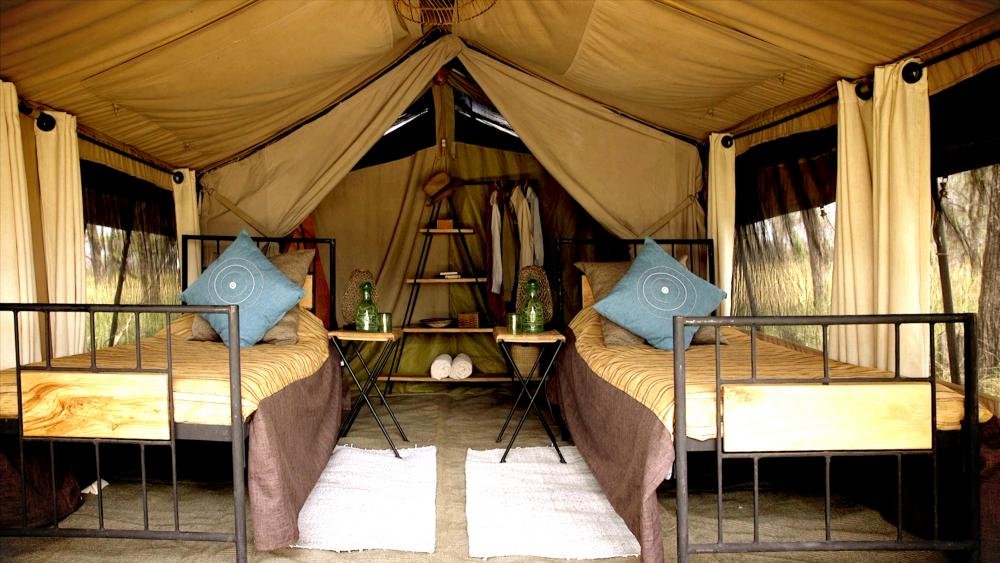
Expect a range of accommodation, from comfortable lodges to more rustic tented camps. Roads can be rough, particularly around Lake Eyasi, so a 4×4 vehicle is essential. Patience is key; travel times can be longer than anticipated due to road conditions. Embrace the adventure and the unique challenges that come with visiting remote areas.
Booking Your Tanzania Tribal Culture Photography Tour 2026-2027
Securing the right tour operator is crucial for an ethical, rewarding, and logistically smooth photographic journey. Top Guide Adventures, based locally in Arusha, specializes in creating tailor-made itineraries that cater to the specific needs of photographers.
Why Choose Top Guide Adventures for Your Photography Tour?
As expert tour operators in Tanzania, we understand the delicate balance required for cultural photography. Our team has established trusted relationships with Maasai, Hadzabe, and Datoga communities, ensuring that visits are respectful, authentic, and beneficial for all parties. We pride ourselves on providing:
- Local Expertise: Deep knowledge of tribal customs, best times to visit, and ethical engagement protocols.
- Customized Itineraries: We tailor tours to your photographic interests, pace, and desired level of immersion. Whether you want to focus on the Hadzabe’s hunting techniques or the vibrant colors of Maasai beadwork, we can design the perfect trip for 2026-2027.
- Ethical Practices: We are committed to responsible tourism, ensuring that your presence benefits the communities you visit.
- Experienced Guides: Our guides are not only knowledgeable about wildlife and landscapes but are also trained cultural liaisons, essential for sensitive photographic encounters.
- Logistical Support: We handle all transportation, accommodation, and community liaison, allowing you to focus entirely on your photography.
For a personalized quote or to discuss your specific photographic needs for a 2026 or 2027 tour, please reach out to us. We can help you plan a trip that not only yields incredible images but also creates positive cultural exchange.
Contact us today:
- WhatsApp: +255 616 946 642
- Email: topguideadventures@gmail.com
Planning a Tanzania Tribal Culture Photography Tour is an investment in a unique visual and human experience. By choosing a reputable operator like Top Guide Adventures and approaching the journey with respect and preparedness, you are set to capture unforgettable images and memories in 2026-2027.
Check Availability for Tanzania Tribal Culture Photography Tour: Maasai, Hadzabe, Datoga & Cultural
Ready to compare dates, prices, and the best option for your group? Send the package name and travel month so the team can reply with a clear quote, availability, and what is included.

Cultural Tours Tanzania: Maasai, Hadzabe, Datoga, Chagga & Village Experiences
start an unforgettable cultural journey through Tanzania, connecting with the Maasai, Hadzabe, Datoga, and Chagga peoples, alongside authentic local village experiences. This guide provides...
View package details
Hadzabe Tribe Visit Lake Eyasi Cultural Tour: Hunting, Village Life & Datoga
Discover the authentic culture of the Hadzabe and Datoga people on a cultural tour to Lake Eyasi. This guide details the hunting practices, village life, and unique experiences awaiting you...
View package details
Hadzabe And Datoga Tribe Safari – Lake Eyasi Cultural Tour Traditional
Hadzabe and Datoga Tribe Safari – Lake Eyasi Cultural Tour and Traditional Experiences is explained with current 2026-2027 planning, price, itinerary and.
View package detailsTop 10 Most Handsome Men Worldwide: A Cultural And Entertainment Perspective
This article delves into the concept of 'handsome' men worldwide, examining its subjective nature through the lenses of culture, fashion, and the entertainment industry. It highlights how...
View package details
How Much Does A Hadzabe Tribe Tour Cost? Lake Eyasi Prices And Cultural
Planning a trip to interact with the Hadzabe people? This guide breaks down the typical costs for Hadzabe tribe tours around Lake Eyasi, detailing what influences prices, what’s usually...
View package details
Hadzabe Tribe Visit Cost, Hunting, Food, History And Location – Lake Eyasi
Hadzabe Tribe Visit Cost, Hunting, Food, History and Location – Lake Eyasi Cultural Safari is explained with current 2026-2027 planning, price, itinerary and.
View package detailsTop 20 Richest Musicians In Africa – African Music, Cultural Festivals And
This article delves into the financial landscape of Africa's music industry by identifying and examining the net worth of the top 20 richest musicians on the continent. It explores the...
View package detailsExploring History, Culture, And Heritage: A Deeper Understanding 2026-2027
This guide delves into the multifaceted world of history, culture, and heritage experiences, exploring their importance, how they are preserved, and how individuals can engage with them...
View package detailsBest New Artists To Discover At Music Festivals, Cultural Events, And Through
Explore the dynamic landscape of emerging music by uncovering new artists through the vibrant energy of global music festivals, enriching cultural events, and in-depth travel experiences...
View package detailsGhana Itinerary – Cultural Tours, Wildlife, Beaches And Historical
This guide offers a detailed exploration of Ghana, outlining a comprehensive itinerary that balances vibrant cultural experiences, opportunities for wildlife observation, significant...
View package detailsExploring Global Beauty: Fashion, Culture, Traditions, And Travel Destinations
This article delves into the multifaceted concept of beauty across different cultures, examining the influence of fashion, traditional beauty practices, and how travel destinations can...
View package detailsFreemason Documentary: Exploring Historic Masonic Buildings And Cultural
This article explores the intersection of Freemasonry, historical architecture, and cultural heritage, focusing on how documentaries illuminate the significance of Masonic buildings and...
View package detailsNo closely related package is available yet for this topic.



