
A Mount Meru and Tanzania safari package for 2026-2027 offers a spectacular combination of challenging mountain trekking and classic wildlife viewing, typically involving a 3-4 day ascent of Mount Meru followed by a multi-day safari across Tanzania’s renowned parks. Top Guide Adventures specializes in crafting these integrated experiences, ensuring smooth logistics from your arrival in Arusha, providing licensed guides, crucial acclimatization advice, and comprehensive safety measures for the trek, before transitioning you to the incredible wildlife encounters of parks like Serengeti, Ngorongoro, or Tarangire. The primary decision for travelers is choosing the duration and specific parks for their safari component, alongside selecting the preferred trekking route on Mount Meru.
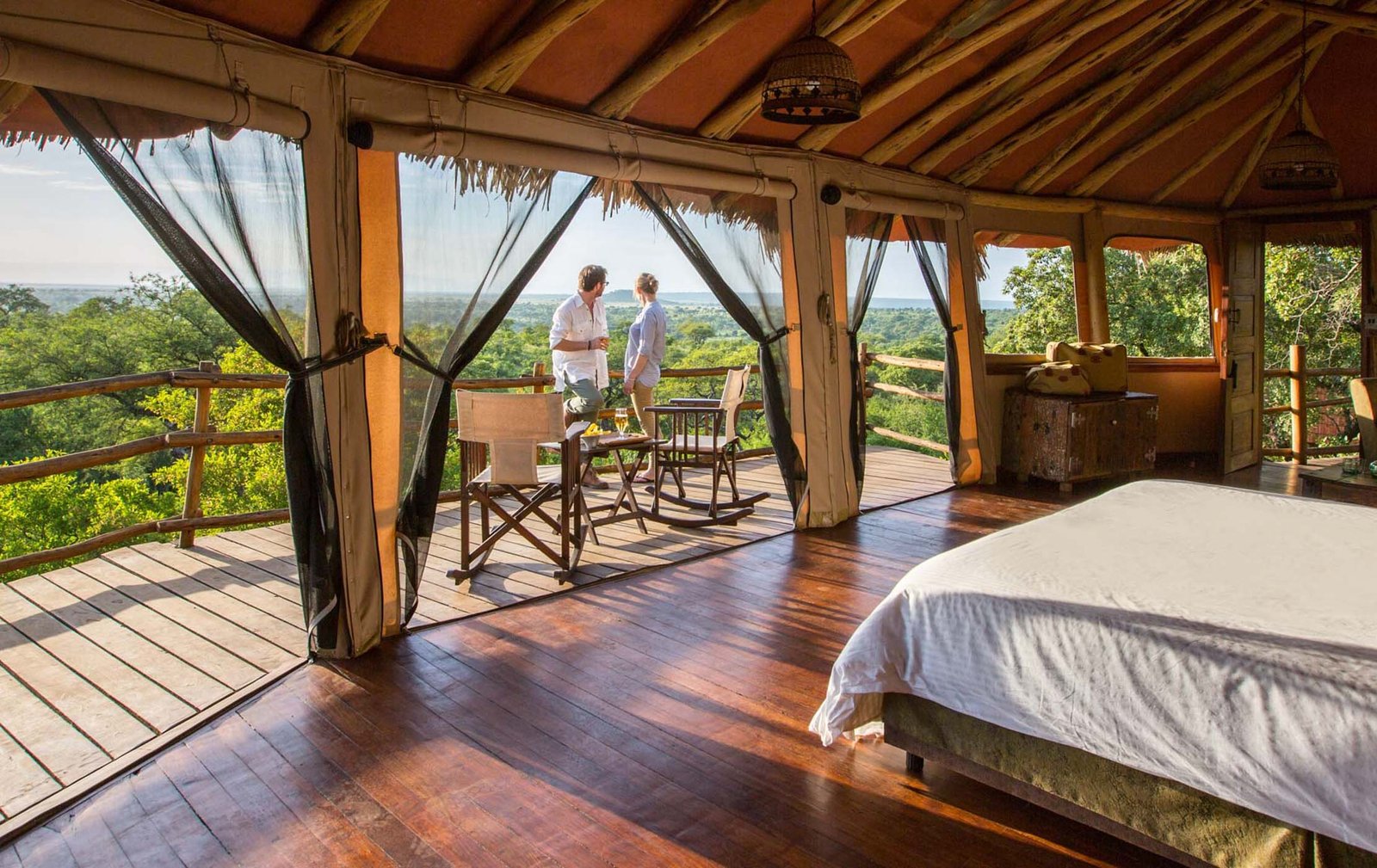
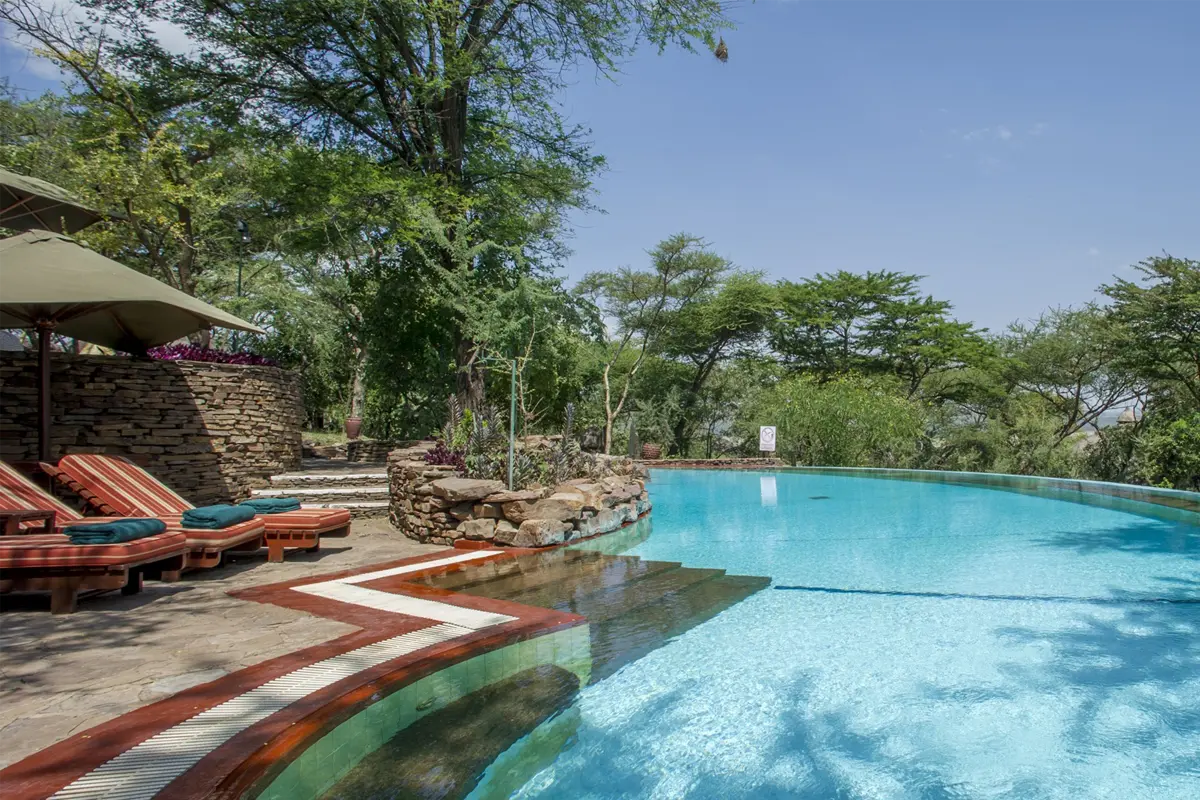
Planning a trip that combines the majestic Mount Meru with a quintessential Tanzania safari is an excellent way to experience the diverse landscapes and iconic wildlife of East Africa. For 2026 and 2027, this adventure promises unparalleled natural beauty and thrilling encounters. Mount Meru, often considered a warm-up for Kilimanjaro but a formidable peak in its own right, offers impressive views and a unique trekking experience within Arusha National Park. Following your climb, the adventure continues with a safari, allowing you to witness the Great Migration, spot the Big Five, and explore some of the continent’s most spectacular ecosystems.
Understanding Mount Meru: The ‘Little Brother’ with a Big Presence
Mount Meru, standing at 4,566 meters (14,980 feet), is the fifth-highest mountain in Africa and a significant trekking destination. Located within Arusha National Park, it provides a challenging yet rewarding climb that is often underestimated. Its proximity to Kilimanjaro means it’s frequently used for acclimatization by climbers preparing for the higher peak, but it’s a destination that deserves recognition on its own merits. The trek offers dramatic scenery, from lush montane forests teeming with wildlife to rocky ridges and an exposed summit ridge offering panoramic views of Kilimanjaro on clear days. For 2026-2027, it remains a popular choice for those seeking a substantial mountain challenge without the extreme altitude of Kilimanjaro, or as a superb addition to a broader Tanzanian adventure.
The trek typically takes 3 to 4 days, with the most common route being the Momella Route. This route is known for its scenic beauty and offers a good introduction to multi-day trekking in Tanzania. The trail winds through diverse vegetation zones, and you’ll often encounter wildlife such as buffalo, various antelope species, and monkeys during the lower sections. The summit day is demanding, involving an early start to reach the summit crater rim and then the true summit, Socialist Peak, before descending.
Mount Meru Trekking Routes and Daily Progression
The primary route for climbing Mount Meru is the Momella Route. While other routes exist, the Momella Route is the most commonly used by tour operators like Top Guide Adventures due to its accessibility and scenic diversity. Understanding the daily progression is key to managing expectations and physical exertion.
The Momella Route: A Typical 4-Day Itinerary
A standard 4-day itinerary on the Momella Route is generally recommended by operators to ensure adequate acclimatization and enjoyment. While a 3-day option exists, it’s more strenuous and carries a higher risk of altitude-related issues.
- Day 1: Momella Gate (1,500m) to Miriakamba Hut (2,100m)
The trek begins at Momella Gate, the entrance to Arusha National Park. After park formalities, you start a relatively gentle walk through lush rainforest. The altitude gain is moderate, and the path is well-defined. Keep an eye out for wildlife such as giraffes, zebras, and monkeys. The hike takes about 4-6 hours.
- Day 2: Miriakamba Hut (2,100m) to Saddle Hut (3,500m)
This is a significantly steeper day as you ascend through moorland and heath zones. The landscape becomes more open and rugged. You’ll reach Saddle Hut, which is strategically located at the ‘saddle’ between the two peaks of Meru. This higher altitude is crucial for acclimatization. The hike takes approximately 3-5 hours.
- Day 3: Saddle Hut (3,500m) to Summit (Socialist Peak, 4,566m) and back to Miriakamba Hut (2,100m)
This is the most challenging day, often referred to as the ‘summit night’ or ‘summit day’. You’ll start very early, typically around 1-2 AM, to ascend towards Socialist Peak. The final ascent is steep and follows a narrow ridge, involving some scrambling. The views at sunrise from the summit are spectacular, with Kilimanjaro often visible. After reaching the summit, you descend all the way back to Miriakamba Hut, which is a long day covering significant elevation loss.
- Day 4: Miriakamba Hut (2,100m) to Momella Gate (1,500m)
The final day involves a pleasant descent through the forest back to Momella Gate. This is usually a quicker descent, taking about 2-3 hours. Upon arrival at the gate, you’ll be met by your transport and transferred back to your hotel in Arusha.
A 3-day itinerary compresses this, typically combining Day 2 and Day 3’s ascent to Saddle Hut, and then summiting and descending to Miriakamba Hut on Day 3. This is only advisable for very well-acclimatized individuals and is generally not recommended by experienced operators for safety reasons.
Acclimatization, Success Factors, and Difficulty
Mount Meru, while not as high as Kilimanjaro, still presents a significant altitude challenge. Successful ascents depend heavily on proper acclimatization, physical fitness, and mental fortitude. For 2026-2027 trekkers, understanding these factors is paramount.
Acclimatization Strategy: The standard 4-day itinerary is designed with acclimatization in mind, with the overnight stay at Saddle Hut (3,500m) being critical. This allows your body to adapt to the lower oxygen levels before the final summit push. Operators like Top Guide Adventures emphasize the importance of a slow and steady pace, staying hydrated, and avoiding alcohol and strenuous activity at higher camps. They monitor trekkers for signs of Acute Mountain Sickness (AMS) daily.
Key Success Factors:
- Physical Fitness: While you don’t need to be an elite athlete, a good level of cardiovascular fitness is essential. Regular hiking, running, or cycling in the months leading up to your trek will be beneficial.
- Hydration: Drinking plenty of water (3-4 liters per day) is crucial for acclimatization and overall well-being.
- Pacing: ‘Pole pole’ (slowly, slowly) is the mantra. A consistent, unhurried pace conserves energy and aids acclimatization.
- Nutrition: Eating well at the mountain huts provides the necessary fuel for the demanding days.
- Mental Attitude: The summit day is tough. A positive mindset and determination are vital.
Difficulty: The trek is rated as moderately difficult to difficult, primarily due to the steepness of the terrain on Day 2 and the long, demanding summit day. The exposure on the summit ridge can also be a factor for those with a fear of heights. However, with proper preparation and adherence to guide instructions, it is achievable for most reasonably fit individuals.
Terrain, Camps, and Accommodation
The terrain on Mount Meru varies dramatically, offering a diverse trekking experience. The camps provide basic but functional accommodation, crucial for resting between demanding days.
Terrain:
- Lower Slopes: Dense montane forest, often muddy and uneven, with roots and rocks. Abundant wildlife sightings are common here.
- Middle Slopes: Transition to moorland and heath, with more open, rolling hills and rocky paths.
- Upper Slopes: Rocky, scree-covered terrain becomes dominant as you approach Saddle Hut and the summit ridge. The summit path involves steep ascents and some scrambling over volcanic rock.
Camps and Accommodation:
- Miriakamba Hut: A basic stone structure with dormitories or rooms. It’s situated in a beautiful clearing at 2,100m. Facilities are communal, and meals are prepared by the crew.
- Saddle Hut: Also a basic hut, located at 3,500m. It offers dormitories and is the staging point for the summit attempt. The views from Saddle Hut, especially at sunset and sunrise, are incredible.
Top Guide Adventures ensures that your accommodation at these huts is comfortable within the context of a mountain environment, providing sleeping mats and blankets. You’ll be sleeping in shared dormitories or basic rooms, a stark contrast to the lodges and hotels used before and after the trek.
Safety on Mount Meru: Essential Preparations
Safety is paramount on any mountain climb, and Mount Meru is no exception. For 2026-2027 expeditions, Top Guide Adventures prioritizes your well-being with a robust safety protocol.
- Experienced Guides: You will be accompanied by licensed, experienced mountain guides who are trained in first aid and altitude sickness management. They continuously monitor your health and acclimatization.
- Emergency Oxygen: A dedicated emergency oxygen cylinder is carried for each trek. This is a critical piece of equipment for treating severe altitude sickness.
- Pulse Oximeter: Guides use a pulse oximeter to measure your blood oxygen saturation and heart rate, providing objective data to assess your acclimatization and detect potential issues early.
- Communication: Guides are equipped with communication devices, and park rangers are stationed at various points.
- Emergency Evacuation: While rare, evacuation plans are in place should a serious medical emergency arise.
It’s crucial for trekkers to be honest with their guides about any symptoms they experience, no matter how minor they seem. Early reporting of headaches, nausea, or dizziness is key to managing altitude sickness effectively.
Gear and Packing for Meru and Safari
Packing correctly is vital for both the mountain trek and the subsequent safari. The conditions vary significantly, so a layered approach is best. Top Guide Adventures provides a detailed packing list, but here are the essentials:
For Mount Meru Trekking:
- Clothing: Layering is key. Include thermal base layers, fleece mid-layers, and a waterproof/windproof outer shell (jacket and trousers).
- Footwear: Sturdy, broken-in hiking boots are essential. Also, pack comfortable camp shoes or trainers.
- Headwear: A warm hat (beanie) and a sun hat or cap.
- Gloves: Warm gloves, preferably waterproof.
- Sleeping Bag: A warm sleeping bag rated to at least -10°C (14°F).
- Backpack: A comfortable daypack (25-35 liters) for essentials, and a larger duffel bag (around 15kg allowance) for your main gear, carried by porters.
- Other: Sunscreen, sunglasses, headlamp with extra batteries, water bottles or hydration reservoir, trekking poles, personal first-aid kit, toiletries.
For Tanzania Safari:
- Clothing: Lightweight, neutral-colored clothing (khaki, beige, green). T-shirts, long-sleeved shirts, trousers, shorts. A warmer jacket or fleece for cool evenings and early mornings.
- Footwear: Comfortable walking shoes or trainers. Sandals are optional for lodges.
- Headwear: A wide-brimmed hat for sun protection.
- Accessories: Binoculars (highly recommended for wildlife viewing), camera with extra batteries and memory cards, insect repellent, a small backpack for day trips.
Remember to pack essentials like any personal medications. For safari, consider a lightweight travel pillow for long drives. Top Guide Adventures can advise on specific items and gear rental options.
Best Seasons for Mount Meru and Tanzania Safari 2026-2027
Tanzania offers excellent travel opportunities year-round, but certain periods are better suited for trekking and safaris. For 2026 and 2027, understanding the seasonal patterns will help you maximize your experience.
Mount Meru Trekking Seasons:
- Dry Seasons: The best times for trekking are generally during the dry seasons: January to March and June to October. These months offer clearer skies, less rain, and more stable weather conditions.
- Rainy Seasons: The ‘long rains’ typically occur from April to May, and ‘short rains’ in November. These months can see significant rainfall, making trails muddy and potentially impacting views.
Tanzania Safari Seasons:
- Dry Season (June to October): This is peak safari season. Wildlife congregates around water sources, making game viewing excellent. It’s also a prime time for witnessing the Great Migration in the Serengeti. This period aligns well with good trekking conditions for Mount Meru.
- Green Season (November to May): This period includes the short rains (Nov) and long rains (Apr-May). While there can be rain, it often comes in short bursts. The landscape is lush and beautiful, birdlife is abundant, and it’s a great time for photography. Safaris can be more affordable, and you might experience fewer crowds. The calving season of the Great Migration occurs in the southern Serengeti from late January to March, offering a different but equally spectacular wildlife spectacle.
Combining Mount Meru and a safari in the June to October 2026/2027 window offers the best of both worlds: good trekking weather and prime safari conditions. However, trekking is possible year-round, and a safari during the green season can be highly rewarding with fewer tourists and lower prices.
Safari Options to Complement Your Mount Meru Adventure
After descending Mount Meru, your Tanzanian adventure can continue with an unforgettable safari. Top Guide Adventures offers a range of safari packages to suit different interests and durations for 2026-2027.
Popular Safari Destinations:
- Arusha National Park: While you’ve already trekked here, a game drive in Arusha National Park offers a different perspective. It’s known for its diverse wildlife, including the Momella Lakes and the Ngurdoto Crater, and is a great place to spot colobus monkeys and diverse birdlife.
- Serengeti National Park: The crown jewel of Tanzania’s parks, famous for its vast plains and the annual Great Migration. A Serengeti safari is often considered a must-do.
- Ngorongoro Conservation Area: Home to the stunning Ngorongoro Crater, a UNESCO World Heritage Site, offering an incredible density of wildlife, including the Big Five, in a compact area.
- Tarangire National Park: Known for its large elephant herds and iconic baobab trees, especially prominent during the dry season.
- Lake Manyara National Park: Famous for its tree-climbing lions and diverse birdlife.
Safari Durations:
- Short Safaris (2-3 days): Ideal for those with limited time, often focusing on Lake Manyara and the Ngorongoro Crater, or Tarangire.
- Medium Safaris (4-5 days): Allows for a combination of parks, such as Tarangire, Lake Manyara, and Ngorongoro, or a taste of the Serengeti.
- Longer Safaris (7-10+ days): Offers an in-depth exploration of multiple parks, including extensive time in the Serengeti, potentially combined with other regions like Katavi or Ruaha for a more remote experience.
Top Guide Adventures can tailor any Tanzania safari package to your interests, whether you’re seeking a private safari for two, a family adventure, or wish to join a group joining safari to make it more budget-friendly.
Understanding Costs and Inclusions for 2026-2027 Packages
The cost of a Mount Meru and Tanzania safari package for 2026-2027 varies significantly based on the duration of the safari, the level of accommodation chosen (budget, mid-range, luxury), the number of people in your group (private vs. group sharing), and the season of travel. Top Guide Adventures provides transparent pricing that reflects the quality of service and inclusions.
What’s Typically Included in Mount Meru Packages:
- Park entrance fees for Arusha National Park
- All camping fees/hut accommodation fees on the mountain
- Trekking crew: Licensed mountain guides, cook, and porters
- All meals and boiled water during the trek
- Emergency oxygen and pulse oximeter
- Transfer from Arusha to Momella Gate and back
- Government taxes and levies
What’s Typically Included in Tanzania Safari Packages:
- Park entrance fees for all national parks visited
- Accommodation in lodges or tented camps
- All meals during the safari (breakfast, lunch, dinner)
- A dedicated 4×4 safari vehicle with a professional English-speaking driver-guide
- Unlimited mileage game drives
- Bottled drinking water during game drives
- Airport transfers
- Government taxes and levies
What’s Typically Excluded:
- Flights (international and domestic if applicable)
- Visa fees
- Travel insurance (mandatory for treks)
- Tips for guides, porters, and safari crew (budget around $200-300 per trekker for Meru, and $10-15 per person per day for safari guide)
- Personal items (sleeping bag, trekking poles, clothing, etc. – some may be rentable)
- Beverages other than water on safari, and alcoholic drinks
- Optional activities (e.g., Maasai village visits, hot air balloon safaris)
- Gratuities for lodge/camp staff
Pricing Guidance for 2026-2027:
For a 4-day Mount Meru trek, expect prices to range from approximately $800 to $1,500 per person, depending on the operator and inclusions. Safari costs are highly variable; a 5-day safari package can range from $1,200 to $3,000+ per person, depending on accommodation standard and parks visited. A combined Mount Meru trek and a 5-day safari package for 2026-2027 could therefore start from around $2,000 – $4,500+ per person, excluding flights and tips.
Contact Top Guide Adventures at WhatsApp +255 616 946 642 or Email topguideadventures@gmail.com for a personalized quote tailored to your 2026-2027 travel dates and preferences.
Booking Your 2026-2027 Mount Meru and Safari Adventure
Booking your dream Tanzania adventure with Top Guide Adventures for 2026 or 2027 is a straightforward process. As an expert local operator based in Moshi/Arusha, we are dedicated to providing a smooth and memorable experience from the moment you inquire.
Key Booking Steps:
- Inquiry: Reach out to us with your desired travel dates for 2026-2027, the number of people in your group, and any specific interests you have for both the Mount Meru trek and the safari portion.
- Customized Itinerary & Quote: We will craft a detailed itinerary and provide a transparent quote, outlining all inclusions and exclusions. We’ll discuss options for safari parks, durations, and accommodation levels.
- Confirmation & Deposit: Once you approve the itinerary and quote, a deposit is required to secure your booking. This helps us confirm guides, porters, vehicles, and accommodations. Please review our Terms and Conditions and Refund Policy.
- Pre-Trip Information: After booking, you’ll receive comprehensive pre-trip information, including detailed packing lists, visa advice, and vaccination recommendations.
- Final Payment: The remaining balance is typically due 30-60 days before your departure.
- Arrival in Tanzania: We provide airport transfers and a briefing upon arrival to ensure you’re well-prepared for your adventure.
Choosing Top Guide Adventures means benefiting from local expertise, personalized service, and a commitment to safety and quality. We are passionate about showcasing the best of Tanzania and ensuring your 2026-2027 Mount Meru and safari package is an unparalleled experience. Don’t hesitate to contact us with any questions or to start planning your journey today.
For inquiries and bookings, please contact us:
- WhatsApp: +255 616 946 642
- Email: topguideadventures@gmail.com
- Website: Top Guide Adventures
Check Availability for Mount Meru And Tanzania Safari Package : Your Ultimate Guide 2026-2027
Ready to compare dates, prices, and the best option for your group? Send the package name and travel month so the team can reply with a clear quote, availability, and what is included.

Rubondo Island National Park Prices In Tanzania – Safari Fees, Chimpanzee
Understanding Rubondo Island National Park prices is key to planning your Tanzanian adventure. Costs vary based on accommodation, activities like chimpanzee trekking, and safari duration...
View package details
Best Affordable Hotel In Arusha – Budget Accommodation Before Safari And
Best Affordable Hotel in Arusha – Budget Accommodation Before Safari and Kilimanjaro is explained with current 2026-2027 planning, price, itinerary and.
View package detailsAfrica Tours & Travel, All Safari Booking In Tanzania 2026-2027
Africa Tours & Travel, All Safari Booking in Tanzania is explained with current 2026-2027 planning, price, itinerary and booking information.
View package details
2 Day Tanzania Safari – Tarangire, Ngorongoro And Short Packages 2026-2027
2 Day Tanzania Safari – Tarangire, Ngorongoro and Short Safari Packages is explained with current 2026-2027 planning, price, itinerary and booking.
View package detailsSerengeti Safari From Mwanza: Best Route For Western Tanzania & 2026-2027
Discover the optimal routes for a Serengeti safari starting from Mwanza, focusing on the unique experiences offered by Western Tanzania and the Western Serengeti. This guide provides...
View package details
Tanzania Classic Wildlife Safaris: Serengeti, Ngorongoro, Tarangire & Manyara
start an unforgettable Tanzania classic wildlife safari covering the iconic parks of Serengeti, Ngorongoro Crater, Tarangire, and Lake Manyara. These tours are designed to showcase the best...
View package details
Great Serengeti Migration Safaris In Tanzania: Best Routes, Seasons &
Discover the magic of the Great Serengeti Migration with Top Guide Adventures. This guide covers the best routes, optimal seasons for wildlife viewing, and essential planning tips for your...
View package details
Best 5 Day Private Safari Tour From Mwanza: Serengeti & Western Tanzania
start an unforgettable 5-day private safari adventure starting from Mwanza, Tanzania. This expertly crafted itinerary blends the iconic wildlife viewing of the Serengeti with the distinct...
View package detailsTop Car Brands Known For Reliability – Best Vehicles Road Trips, Safari
Top Car Brands Known for Reliability – Best Vehicles for Road Trips, Safari and Adventure Travel is explained with current 2026-2027 planning, price.
View package detailsMost Beautiful Countries In The World: Safari, Nature, And Adventure Travel
This guide explores the most beautiful countries globally, focusing on destinations that offer unparalleled opportunities for safari, nature immersion, and adventurous pursuits. From the...
View package detailsThe Worlds Richest Billionaires: Their Preferred Luxury Travel Destinations
This article delves into the travel habits and preferred destinations of the world's wealthiest individuals, examining their affinity for private islands, exclusive safari adventures, and...
View package detailsBiggest Animals Ever Discovered: African Wildlife, Ocean Giants, And Safari
Discover the planet's most massive creatures, including the giants of African savannas and the leviathans of the deep sea. Learn about their habitats, characteristics, and the awe they...
View package detailsNo closely related package is available yet for this topic.



