
For a classic 7 day Tanzania safari across Tarangire, Lake Manyara, the Serengeti, and Ngorongoro Crater in 2026-2027, expect to budget between $1,750 and $2,450 per person for a basic group-joining camping safari, $2,600 and $4,500 per person for a comfortable private mid-range lodge or tented camp experience, and $5,500 to over $9,000 per person for premier luxury safari camps. This total covers statutory Tanzania National Parks (TANAPA) and Ngorongoro Conservation Area Authority (NCAA) park entry fees, concession fees, a dedicated 4×4 safari Land Cruiser with unlimited game-drive fuel, a licensed professional driver-guide, all park accommodations, and three full meals daily, but excludes your international airfare, mandatory emergency medical insurance, and crew tips.
Realistic 7-Day Budget Tiers: From Basic Camping to Private Luxury
Planning a 7-day wildlife expedition in Northern Tanzania involves understanding how tour operators structure their actual operational expenses. Unlike standard hotel bookings elsewhere in the world, safari pricing reflects remote infrastructure: everything from clean drinking water and fresh produce to solar inverter power and vehicle recovery equipment must be transported into protected wilderness zones. In 2026-2027, safari costs fall into four primary comfort and operational categories.
The choice between these tiers is not merely about bed comfort; it dictates whether you share a vehicle with strangers on a rigid timetable or travel at your own pace with private control over game-drive timings. If you are comparing general market rates, reviewing our detailed analysis on Tanzania safari cost structures and package deals provides deep perspective on how seasonality shifts these numbers.
| Travel Style | Estimated Cost (Per Person, Sharing) | Vehicle Arrangement | Accommodation Standard | Key Trade-Offs |
|---|---|---|---|---|
| Budget Camping | $1,750 – $2,450 | Shared group (5–7 guests) or private | Public campsites (tents pitched on ground, shared facilities) | Shared ablution blocks, no in-room charging, basic campfire meals |
| Standard Mid-Range | $2,600 – $3,600 | Private or small group joining | Permanent tented camps or safari lodges outside/inside parks | Excellent value; en-suite flush toilets and hot showers; solar power |
| Upper Mid-Range | $3,600 – $4,800 | Private custom 4×4 Land Cruiser | Prime wilderness tented lodges inside national park boundaries | Zero daily gate commutes; superior seasonal wildlife positioning |
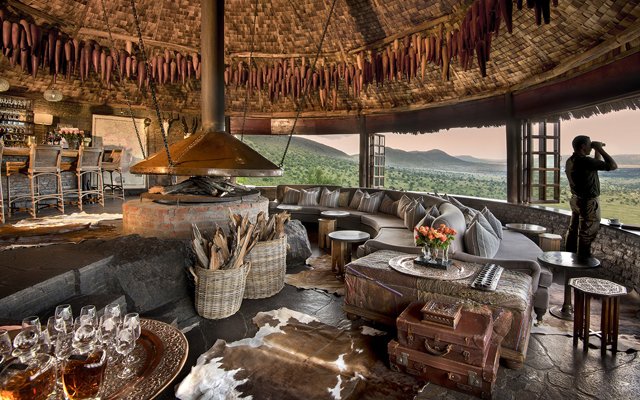
| Classic Luxury | $5,500 – $9,500+ | Private customized Land Cruiser | Exclusive five-star bush camps and luxury rim lodges | Gourmet dining, inclusive premium beverages, private plunge pools |
Many travelers planning their first African trip wonder whether a mid-range package delivers genuine immersion or feels compromised. A well-designed Tanzania mid-range safari with lodge packages bridges comfort and bush proximity without the eye-watering premiums of ultra-luxury concessions. In mid-range camps, you sleep inside heavy canvas pavilions set upon elevated wooden decking, featuring king beds, walk-in en-suite bathrooms, hot safari showers, and verandahs overlooking game corridors.
Conversely, basic camping safaris require mental resilience. While operators like Top Guide Adventures provide spacious three-person dome tents for two guests, thick foam mattresses, sleeping bags, and an accompanying safari cook who prepares three hot meals daily, you use the public park facilities managed by TANAPA. These public sites host multiple groups, meaning shared bathroom facilities and occasional generator noise in the evening.
The Fixed Math Behind Tanzania Safari Pricing: Park Fees and Logistics
Tanzania does not run high-volume, low-fee tourism. To preserve pristine ecological habitats like the Serengeti plains and the Ngorongoro Caldera, the government relies on a low-impact, high-value conservation model. Consequently, government-mandated conservation tariffs represent roughly 35% to 50% of the entire net cost of a reputable 7-day safari before an operator factors in fuel, driver wages, or food.
When assessing a quote for 2026-2027, verifying that every single statutory statutory fee is included is vital. A cut-rate operator may exclude Ngorongoro crater transit fees or overnight wilderness concession charges, hitting you with unexpected cash surcharges at entry gates.
Mandatory Government Fees Breakdown for a 7-Day Circuit
- Serengeti National Park Entry: $70 to $80 per adult per 24-hour cycle, plus 18% Value Added Tax (VAT), totaling roughly $82.60 per day in peak season.
- Ngorongoro Conservation Area Entry: $70 per adult per 24-hour cycle, plus 18% VAT ($82.60 total).
- Ngorongoro Crater Service Fee: A mandatory permit fee of $295 (inclusive of VAT) per vehicle per descent into the crater floor for a maximum 6-hour game drive.
- Tarangire & Lake Manyara National Parks: $50 to $59 per adult per 24 hours plus 18% VAT.
- Special Campsite and Concession Fees: TANAPA and NCAA levy an additional $59 to $70.80 per adult per night simply for the privilege of sleeping within park boundaries at a tented camp or lodge.
- Commercial Vehicle Gate Fees: Around $20 to $40 per day per safari vehicle depending on weight classification.
Beyond fixed statutory fees, the second largest cost component is the custom-built 4×4 safari Land Cruiser. Safaris are not conducted in standard minivans. Navigating the corrugated, clay-heavy washboard surfaces between Makuyuni and the Serengeti requires heavy-duty leaf springs, dual fuel tanks, dual spare tires, an inverter system for camera charging, an onboard electric fridge for bottled water, and an operational pop-up roof for 360-degree photography. Operating, insuring, and fueling these vehicles across 1,200 rugged kilometers burns significant capital.
If you are traveling as an independent duo, the vehicle and driver cost is split across two passengers, driving the per-person rate higher. Solo explorers face even steeper margins unless they join scheduled departures. You can explore our specific guide on booking a private Tanzania safari for two people or look into group joining Serengeti tours to understand how seat-sharing slashes vehicle overheads.
The Classic 7-Day Northern Circuit Blueprint: How Time and Route Impact Cost
A 7-day itinerary represents the undisputed sweet spot for Northern Tanzania. Shorter itineraries—such as a 3-day or 4-day sprint—spend a disproportionate percentage of available daylight simply driving between Arusha, Ngorongoro, and Seronera, leaving minimal time for patience-driven wildlife sightings. Seven days allow you to experience Tarangire’s dense elephant herds, the alkaline shallows of Lake Manyara, three full nights in the Serengeti ecosystem, and the concentrated wildlife haven of the Ngorongoro Crater.
However, your routing design directly impacts your total budget. Spending consecutive nights inside the central Serengeti (Seronera) or pursuing the Great Migration northward toward the Mara River incurs multi-day park entry cycles and premium concession charges. Staying at properties situated outside park gates in Karatu or Mto wa Mbu reduces nightly room tariffs substantially because these accommodations are exempt from TANAPA concession fees.
Standard Northern Circuit 7-Day Route Overview
- Day 1: Arusha or Moshi to Tarangire National Park (Overnight Tarangire or Karatu)
- Day 2: Tarangire or Karatu to Lake Manyara National Park (Overnight Karatu)
- Day 3: Karatu highlands across the Ngorongoro Conservation Area to Central Serengeti (Overnight Central Serengeti)
- Day 4: Full-Day Game Tracking in Central or Western/Northern Serengeti (Overnight Serengeti)
- Day 5: Second Full-Day Serengeti Wildlife Tracking (Overnight Serengeti or Ngorongoro Rim)
- Day 6: Serengeti to Ngorongoro Crater floor exploration (Overnight Karatu or Ngorongoro Rim)
- Day 7: Cultural stopover at Mto wa Mbu or brief morning game drive, returning to Arusha or Kilimanjaro Airport (JRO)
Opting for a custom private expedition allows you to adapt this pacing. If you prefer continuous lodge comforts with dedicated guide services, our private Serengeti and Ngorongoro custom tours demonstrate how tailoring camp locations optimizes your transit hours without inflating park permit charges unnecessarily.
Day-by-Day Route Dynamics: Managing Drive Times, Fuel, and Gate Entry Timers
To understand where your money goes on each day of a 7-day program, look at the operational logistics and conservation clocks that govern guide decisions.
Day 1: Arusha to Tarangire National Park
Your safari begins with a morning briefing in Arusha or Moshi before heading southwest along tarmac roads past Maasai plains toward Tarangire National Park. Known for its colossal baobabs and massive elephant herds that excavate dry riverbeds for subterranean water, Tarangire offers remarkable first-day predator viewing.
Logistical reality: Tarangire park gate entry timestamps your 24-hour permit. Your guide must coordinate the entry time carefully. Staying inside the park this evening involves a higher concession fee, but saves an hour of driving the following morning. Budget operators will usually exit the gate before the 24-hour mark expires to base guests in nearby public camps or budget lodges around Mto wa Mbu.
Day 2: Lake Manyara National Park to Karatu Highlands
After breakfast, your vehicle enters Lake Manyara National Park, positioned at the base of the dramatic Rift Valley Escarpment. Manyara provides a striking ecological contrast to Tarangire: groundwater forests inhabited by baboon troops and blue monkeys yield to open alkaline soda lakes dotted with flamingos, pelicans, and hippos lounging in the simba river mouth.
Logistical reality: Manyara can be fully explored in five to six hours. By mid-afternoon, the vehicle begins the ascent into the verdant Karatu highlands. Staying in Karatu on Night 2 is a proven cost-saving strategy: lodge prices here are competitive, quality is exceptionally high, and you avoid the steep park concession fees levied inside the adjacent conservation area.
Day 3: Karatu, the Ngorongoro Highlands, and into the Serengeti
This is a demanding, high-mileage day that commands substantial fuel and logistics. You pass through the Loduare Gate of the Ngorongoro Conservation Area, ascending through mist-shrouded montane forests before descending across the dry, open short-grass plains toward Naabi Hill Gate—the official portal into Serengeti National Park.
Logistical reality: On this transit day, your operator pays both NCAA transit fees and Serengeti entry fees. The road from Naabi Hill to Seronera is unpaved, demanding experienced driving to navigate washboard ruts safely. Lunch is typically taken at Naabi Hill while the guide processes vehicle permits and park registration papers.
Day 4: Deep Tracking in Central Serengeti (Seronera Valley)
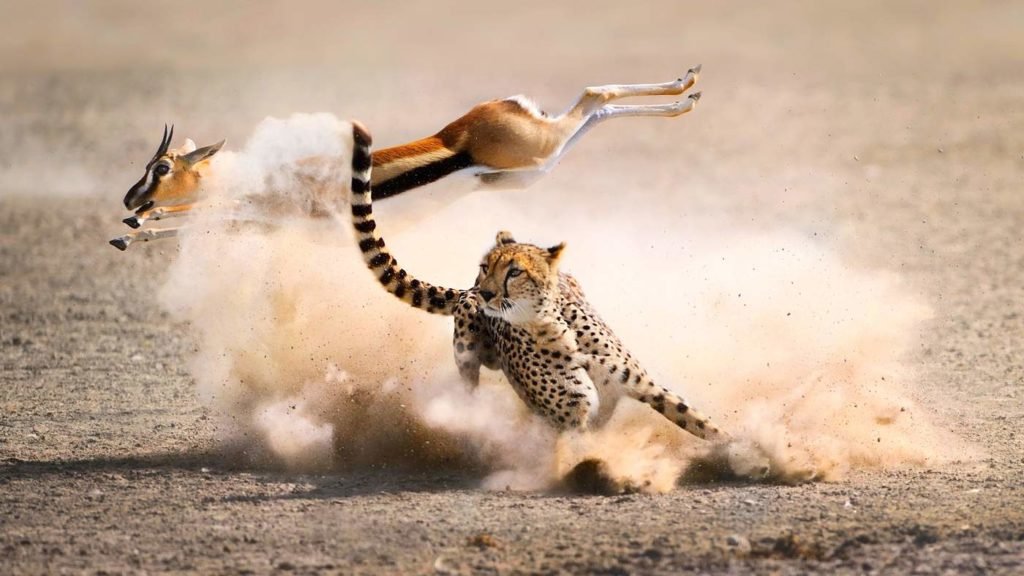
A full day dedicated to tracking apex predators along the Seronera River, Retima Hippo Pool, and the iconic granite kopjes (such as Simba and Moru Kopjes). Central Serengeti sustains resident populations of lions, leopards, and cheetahs year-round due to reliable water sources, making it the wildlife core of any 7-day circuit.
Logistical reality: This day carries zero transit travel between different parks, maximizing wildlife immersion. It requires full-day fuel deployment as your guide responds to morning radio reports and tracks game across vast savannah tracks. You can review our extensive wildlife breakdown within our Tanzania wildlife safari migration guide to align your route with seasonal herd movements.
Day 5: Following the Migration Corridors
Depending on whether you travel during the calving season (January to March in the Southern Ndutu plains), the dry season river crossings (July to October in the Northern Kogatende sector), or the transitional shoulder months, Day 5 is tuned to wildlife movements. If remaining in Central Serengeti, your guide focuses on the quieter fringes like the Nyabogati or Maasai Kopjes to track elusive species such as serval, caracal, and black rhino.
Logistical reality: If your 7-day plan ventures all the way to Northern Serengeti for the Mara River crossings, operational vehicle costs rise due to extra fuel consumption and extended mileage. For travelers seeking an effortless end-to-end trip without surprise line items, an all-inclusive Tanzania safari package bundles luxury wilderness accommodation, game-drive fuel, and park taxes into one predictable budget.
Day 6: Central Serengeti to Ngorongoro Crater Rim
start an early morning sunrise game drive through the Seronera Valley when predators are at their most active. Following a late bush breakfast or brunch back at camp, pack luggage and begin the return game drive toward the Naabi Hill gate, crossing back into the high-altitude ecosystem of the Ngorongoro Conservation Area.
Logistical reality: Your driver must clear the Serengeti exit gate within the precise 24-hour cycle from Day 5 to prevent incurring an extra full day’s entry fee. Night 6 is spent either atop the crater rim (where temperatures drop drastically at 2,300 meters altitude) or just below the outer slopes in Karatu.
Day 7: Ngorongoro Crater Floor Descent and Return to Arusha
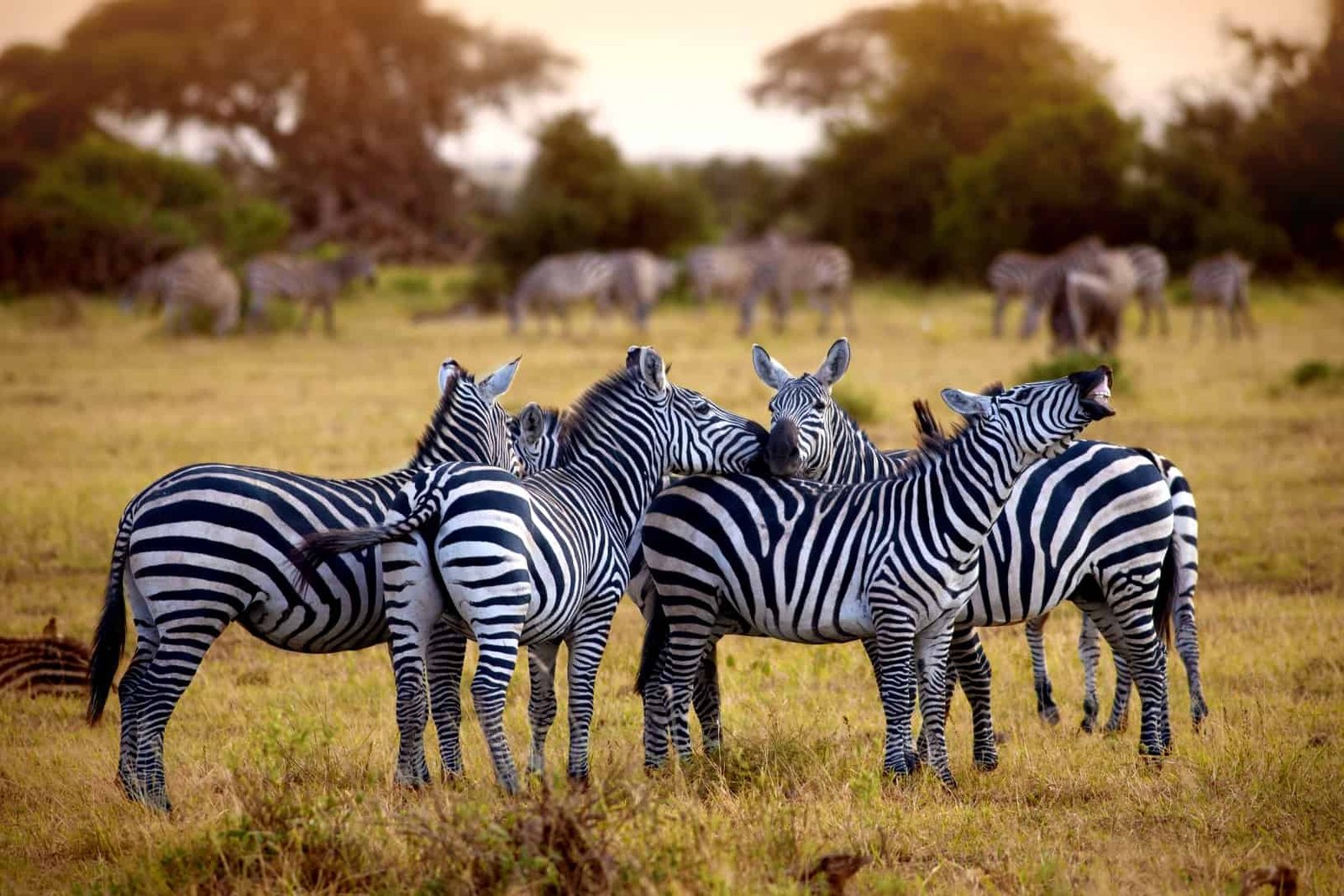
An early morning descent down the steep 600-meter forested caldera walls brings you to the floor of the world’s largest intact volcanic caldera. The 260-square-kilometer floor hosts approximately 25,000 large mammals, including endangered black rhinos, giant tusker elephants, dense lion prides, spotted hyenas, and thousands of wildebeest and zebras.
Logistical reality: The NCAA permits vehicles on the crater floor for a strict 6-hour window per crater descent permit. Around midday, you ascend the Seneto wall, pause for lunch, and begin the comfortable three-to-four-hour highway drive back to Arusha or Kilimanjaro International Airport (JRO) for evening departures. If you wish to extend your holiday to the coast, many guests combine this circuit with our Tanzania safari and Zanzibar beach deals.
Beyond the Base Quote: Incidental Expenses, Tips, and Practical Add-ons
When budgeting for your 7-day safari, the tour quote itself is merely the primary anchor. Travelers often overlook ancillary out-of-pocket expenses that can add anywhere from $400 to $1,200 per person over the course of an African holiday.
Check Availability for How Much Should I Budget For A 7 Day Tanzania Safari? 2026-2027
Ready to compare dates, prices, and the best option for your group? Send the package name and travel month so the team can reply with a clear quote, availability, and what is included.
Tanzania Safari Packages With Luxury And Budget Accommodation 2026-2027
Tanzania Safari Packages with Luxury and Budget Accommodation is explained with current 2026-2027 planning, price, itinerary and booking information.
View package details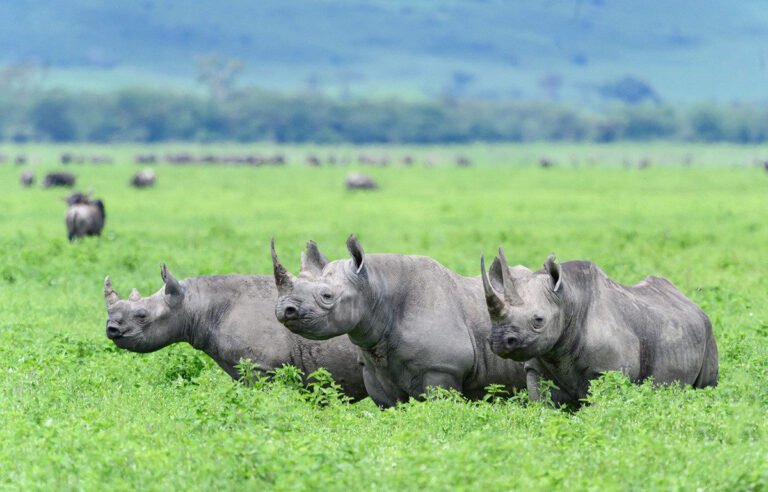
Tanzania Safari Tours For Couples With Different Budgets: Complete Planning
A detailed 2026-2027 comparative guide to planning couples safaris in Tanzania across entry-level budget camping, comfort mid-range tented lodges, and exclusive luxury circuits.
View package details
How Much Can I Save By Joining A Group Safari In Tanzania? 2026-2027
How Much Can I Save by Joining a Group Safari in Tanzania? is explained with current 2026-2027 planning, price, itinerary and booking information.
View package details
How Much Does A Luxury Tanzania Safari Cost Per Night? 2026-2027
How Much Does a Luxury Tanzania Safari Cost Per Night? is explained with current 2026-2027 planning, price, itinerary and booking information.
View package details
How Much Does A Tanzania Safari Cost For A Family Of Four? 2026-2027
How Much Does a Tanzania Safari Cost for a Family of Four? is explained with current 2026-2027 planning, price, itinerary and booking information.
View package details
How Much Extra Does A Private Safari Vehicle Cost In Tanzania? 2026-2027
How Much Extra Does a Private Safari Vehicle Cost in Tanzania? is explained with current 2026-2027 planning, price, itinerary and booking information.
View package details
How Much Does A 5 Day Tanzania Safari Cost For Two People? 2026-2027
How Much Does a 5 Day Tanzania Safari Cost for Two People? is explained with current 2026-2027 planning, price, itinerary and booking information.
View package details
How Much Does A 2 Day Tanzania Safari Cost From Arusha? 2026-2027
How Much Does a 2 Day Tanzania Safari Cost from Arusha? is explained with current 2026-2027 planning, price, itinerary and booking information.
View package details
How Much Does A Tanzania Safari Cost Per Person In ? 2026-2027
How Much Does a Tanzania Safari Cost Per Person in 2027? is explained with current 2026-2027 planning, price, itinerary and booking information.
View package details
Affordable Tanzania Wildlife Safari Holidays For Small Groups 2026-2027
Affordable Tanzania Wildlife Safari Holidays for Small Groups is explained with current 2026-2027 planning, price, itinerary and booking information.
View package detailsTanzania Safari Tours For With Affordable Lodge Options 2026-2027
A practical booking blueprint for Tanzania safari tours in 2027 featuring comfortable, budget-conscious lodges across the Serengeti, Ngorongoro, and Tarangire.
View package detailsAffordable Tanzania Safari Packages With Local Tour Operators 2026-2027
Affordable Tanzania Safari Packages with Local Tour Operators is explained with current 2026-2027 planning, price, itinerary and booking information.
View package detailsNo closely related package is available yet for this topic.

Our Guest Reviews, Currently Feedback from Clients in 2026
Reviews from different sources, including Google Business, Tripadvisor, other platforms, and social media.



