
A private Nyerere safari from Zanzibar with boat safari experience is a dedicated fly-in bush excursion that combines coastal flight transfers from Abeid Amani Karume International Airport (ZNZ) into Nyerere National Park (formerly Selous Game Reserve) with an exclusive, motorized riverboat expedition along the Rufiji River basin alongside private 4×4 game drives. For the 2026-2027 travel seasons, standard itineraries range from a rapid 2-day/1-night overnight escape to in-depth 3-day or 4-day private journeys, with total costs generally spanning $850 to $2,400 per person depending on accommodation tier (mid-range tented camps versus luxury river lodges), aircraft charter versus scheduled bush flights, and party size. The pivotal planning decision is choosing between an afternoon sunset river cruise focused on pods of hippos and riverbank birdlife or a dawn navigation paired with walking safaris, while ensuring your private guide and vehicle remain exclusively dedicated to your party throughout your mainland stay.
The Core Mechanics: Why Pair a Zanzibar Beach Holiday with Nyerere’s River Ecology?
Most travelers resting along the palm-fringed coastlines of Kendwa, Nungwi, or Paje assume that an authentic African wildlife safari requires an arduous flight circuit up to the northern parks of the Serengeti or Ngorongoro Crater. While the northern circuit offers sweeping volcanic calderas and rolling savanna horizons, it demands significantly more transit time and carries a much higher price tag. Nyerere National Park, covering more than 30,000 square kilometers across southern Tanzania, sits barely a 45- to 50-minute flight southwest of Zanzibar. This immediate geographic proximity turns mainland southern wilderness into the most logical, low-friction safari extension for beachgoers.
Yet geographical convenience is only half the story. The defining signature of a private Nyerere excursion is its aquatic biome. Unlike the vast, dry grasslands of the north where game drives are confined entirely to dusty tracks inside a closed or pop-top 4×4, Nyerere is bisected by the massive, life-giving Rufiji River and an intricate network of interconnected oxbow lakes, including Lake Manze, Lake Nzelekela, and Lake Siwandu. This aqueous geography introduces an entirely distinct safari dimension: the motorized riverboat safari.
When you shift from a land cruiser to a rivercraft, the auditory and visual landscape completely recalibrates. In a vehicle, the hum of a diesel engine and the vibrations of rough terrain dominate your senses. On the water, a quiet outboard motor drifts you silently into feeding channels where thousands of Nile crocodiles bask with open jaws along muddy sandbanks, while enormous pods of hippos grunt and surface mere meters away. For travelers looking to maximize their bush experience without sacrificing days to transit, exploring Tanzania safari options from Zanzibar that emphasize this riverboat dimension creates a dramatic, multisensory contrast to the Indian Ocean.
Local Operator Insight: The Mainland Contrast
When curating a Zanzibar to Nyerere fly-in safari package for 2026-2027, we always remind guests that Nyerere is not a manicured theme park. It is raw, miombo-woodland wilderness. The river creates dramatic animal concentrations during dry spells, allowing you to witness apex predators such as lions and elusive African wild dogs (painted wolves) interacting with species forced down to the banks to drink. Combining the white sands of Zanzibar with the dark, untamed waters of the Rufiji delivers two radically different East African landscapes in a single 48-to-72-hour window.
Private Ground Dynamics vs. Shared Tour Vans: What True Exclusivity Looks Like
A frequent trap into which Zanzibar travelers fall is booking a generic “Selous/Nyerere Day Trip” or budget package, only to discover they have been pooled into an eight-passenger vehicle with strangers who possess conflicting interests, mismatched camera lenses, and divergent conservation philosophies. A genuinely private Nyerere safari functions on an entirely different operational premise.
From the moment your light aircraft touches down on bush landing strips like Mtemere, Siwandu, or Beho Beho, true private status guarantees that an open-sided, heavy-duty 4×4 Land Cruiser or Land Rover is assigned solely to your party. This operational separation yields tangible practical advantages:
- Customized Pacing: If you are a passionate birder wishing to spend forty-five minutes tracking the nesting behaviors of a Pel’s fishing owl or a carmine bee-eater colony along a sandy bluff, you do not have someone in the back seat demanding to leave in search of a lion. Conversely, if you want to track a pack of African wild dogs through dense miombo woodland, you control the vehicle’s radio calls and compass headers.
- Unobstructed Photography Angles: Shared vehicles inevitably mean middle seats and restricted sightlines. In a dedicated private vehicle, every guest commands an outside row, allowing rapid lens positioning, zero vibration from unfamiliar seatmates, and optimal low-angle framing for wildlife photography.
- Bespoke Guiding Communication: Having an expert private guide exclusively dedicated to your party means explanations are calibrated to your knowledge level. You can discuss the complex territorial politics of the resident lion prides, hydrology of the Rufiji drainage basin, or delicate botanical adaptations without feeling rushed. Travelers curious about vehicle operations can review our breakdown on how much a private safari vehicle costs in Tanzania for a transparent look at daily conservation and fleet logistics.
Exclusivity on the ground also extends directly to water operations. In a private boat charter, your captain adjusts motor speeds to current water conditions, drifting soundlessly into prime positions for evening lighting or anchoring safely off sandbanks without contending with conversational noise from other tourist parties. If you are traveling as a couple, opting to book a private safari for two people elevates an otherwise standard wildlife excursion into an intimate natural event.
Dissecting the Rufiji River Boat Safari: Mechanics, Safety, and Wildlife Encounters
The boat safari along the Rufiji River is not a passive ferry transit; it is an active, specialized game-viewing technique requiring skilled skippers who understand river hydrology, reptile territoriality, and megafauna behavior. Rivercraft used within Nyerere National Park are custom-built, flat-bottomed aluminum skiffs fitted with quiet four-stroke outboard motors, shaded canopies, and swivel seating designed specifically for balance and wildlife spotting.
Understanding how a boat safari unfolds helps demystify why this experience remains one of the most celebrated safari activities in East Africa:
The Technical Flow: Departure, Navigation, and Safety Parameters
River safaris depart either from camp-dedicated wooden jetties or cleared riverbanks outside the primary park gates (such as the Mtemere sector). Navigating the Rufiji requires continuous vigilance. Sandbars and submerged logs shift constantly depending on seasonal precipitation in the Southern Highlands. Professional boat skippers read subtle ripples on the surface to chart channels deep enough to prevent grounding while avoiding the territorial paths of submerged hippos.
Safety protocols on the river are rigorous. Hippos are intensely territorial aquatic mammals; experienced captains never cross between a mother and calf, nor do they cut off a pod’s escape route into deeper water. Skiffs maintain an authoritative, respectful distance, utilizing the river’s natural flow to drift silently toward banks where wildlife concentrates. Life jackets are carried aboard all licensed craft, and skiffs avoid tight, overhung reed beds where submerged obstacles might conceal Nile crocodiles.
Key Species Encountered Along the Rufiji River Channels
- Nile Crocodiles: Nyerere hosts some of the highest densities and largest specimens of Nile crocodiles on the continent. In midday and late afternoon, massive reptiles measuring up to five meters haul out onto sandbanks to thermoregulate, sliding silently into murky water as boats glide past.
- Hippo Pods: Hundreds of hippopotamuses populate the river pools, vocalizing with resonant, bass-heavy grunts. From the water level, their true scale and underwater movement become vividly apparent.
- Waterbirds and Specialized Avifauna: The Rufiji is an ornithological marvel. Travelers frequently observe African fish eagles perched on dead leadwood branches, malachite kingfishers hunting the shallows, Goliath herons, white-fronted bee-eaters burrowing into high sandbanks, and the rare, nocturnal Pel’s fishing owl roosting in riverine mahogany trees.
- Territorial Riverbank Visitors: Unlike vehicles that animals often perceive as non-threatening neutral silhouettes, creatures coming down to drink—including yellow baboons, waterbucks, herds of Cape buffalo, giraffes, and occasionally thirsty prides of lions—remain acutely alert. Watching a herd of elephants cross the expansive, braided channels of the Rufiji, trunks raised as natural snorkels, is an encounter unique to this aquatic landscape.
Sunset vs. Sunrise River Expeditions: Choosing Your Water Window
Depending on the length of your stay, boat excursions are typically scheduled in two distinct operational windows, each offering completely different photographic and wildlife conditions:
The Late Afternoon Sunset Safari (16:00 to 18:30): This is the classic Rufiji journey. As the equatorial sun softens over the miombo tree canopy, ambient temperatures drop, prompting terrestrial animals to migrate toward the riverbanks for their final drink of the day. The light turns deep amber and gold, reflecting brilliantly off the water. Birdlife becomes intensely active, returning to roosting islands in the river center where terrestrial predators cannot follow. The excursion culminates with drinks served aboard the boat as the sun drops beneath the horizon in vivid scarlet hues.
The Early Morning Dawn Expedition (06:30 to 08:30): The river at dawn is an ethereal, misty corridor. Surface mist rises off the warm water into the cool morning air, creating atmospheric photography conditions. This window is ideal for dedicated birders, as raptors begin hunting along the edges, and night-foraging hippos clamber out of the water to navigate back up steep river embankments toward their shaded daytime resting pools.
2026-2027 Private Safari Pricing, Route Logic, and Duration Blueprints
Budgeting for a private Nyerere fly-in safari from Zanzibar requires a clear understanding of fixed logistical expenses versus flexible accommodation tiers. Because these tours require chartered or scheduled bush aviation, park entrance fees, conservation levies, concession charges, specialized vehicle maintenance, and marine fuel, they represent a premium travel style. However, booking directly with an on-the-ground local team ensures maximum value without third-party commission bloat. For more details on direct booking advantages, consider whether Tanzania safari prices are cheaper when booking with local operators.
Comparative Cost Logic: Private Nyerere Fly-In Packages (2026-2027 Projections)
| Duration & Style | Accommodation Tier | Estimated Price (Per Person, Double Occ.) | Key Inclusions & Highlights |
|---|---|---|---|
| 1-Day Express (Fly-in / Fly-out) | None (Day Trip) | $450 – $650 | ZNZ return flights, private 4×4 drive, bush lunch, park fees. (Note: Boat safari usually excluded due to time limits). |
| 2-Day / 1-Night (Standard Private) | Mid-Range Tented Camp | $850 – $1,150 | Return flights, 1x Rufiji sunset boat safari, 1x full-day private game drive, all meals, Mtemere park fees. |
| 2-Day / 1-Night (Boutique / Luxury) | High-End River Lodge | $1,250 – $1,650 | Riverfront luxury suite, private charter boat excursion, open vehicle game tracking, premium drinks, conservation fees. |
| 3-Day / 2-Night (Classic Deep Bush) | Mid-Range / Semi-Luxury | $1,350 – $1,800 | Return flights, sunset boat safari, full-day lake circuit 4×4 safari, walking safari with armed ranger, private guide. |
| 3-Day / 2-Night (Ultra-Luxury Riverfront) | Exclusive Tented Lodge | $1,950 – $2,600+ | Private airstrip pickup, unconstrained boat & game drive scheduling, private bush plunge pool, luxury meals & cellar. |
When analyzing costs, travelers must pay attention to whether an itinerary provides an authentic boat safari experience. On rapid single-day roundtrips, flight times (arriving at 08:30 and departing at 16:30) generally restrict visitors to land-based game drives, making boat safaris operationally impractical without compromising park exploration. Consequently, we strongly advise at least an overnight itinerary for guests determined to experience the river skiffs. Those evaluating mainland durations can also explore how many days you need for a safari from Zanzibar to determine which rhythm best matches their beach itinerary.
The Optimized 2-Day/1-Night Private Fly-In Blueprint
For those with tight vacation timelines in Zanzibar, the 2-day private package offers the highest concentration of varied activity without requiring extended mainland commitments:
- Day 1: Island Departure, Arrival, and Sunset River Expedition
- 06:45 – 07:15: Private hotel pickup from your Zanzibar resort (Stone Town, Nungwi, Kendwa, or Matemwe) and transfer to Abeid Amani Karume International Airport (ZNZ).
- 08:00 – 08:45: Board a scheduled bush flight (operated by carriers like Auric Air, Coastal Aviation, or Unity Air) crossing the Zanzibar Channel and descending into Nyerere National Park over the Rufiji River delta.
- 09:00: Touchdown at Mtemere Airstrip. Your private guide greets you, transfers your luggage into the 4×4, and commences an introductory morning game drive across the eastern woodland belt.
- 12:30: Check-in at your riverfront tented camp or lodge; hot lunch served overlooking the water. Unpack and rest through the midday heat.
- 15:45 – 18:30: Board your private aluminum boat for an exclusive 2.5-hour sunset safari along the Rufiji River. Navigate sandbanks, observe hippo colonies, witness basking crocs, and sip refreshments as dusk settles.
- 19:30: Multi-course dinner at camp accompanied by the calls of the African night.
- Day 2: Full-Day Savanna Tracking & Zanzibar Return
- 06:30 – 07:00: Early breakfast at camp while watching morning mist drift along the river.
- 07:30: Depart with your private guide in an open-sided 4×4 for an extensive game drive toward the inner lakes (Lake Manze and Lake Siwandu). Pack a picnic bush lunch to enjoy under a shaded acacia grove while observing elephants, giraffes, zebras, and apex predators.
- 15:00: Return to Mtemere Airstrip for flight check-in.
- 15:45 – 16:40: Scheduled bush flight back to Zanzibar. Private ground vehicle returns you to your beach resort in time for dinner.
Check Availability for Private Nyerere Safari From Zanzibar With Boat Experience 2026-2027
Ready to compare dates, prices, and the best option for your group? Send the package name and travel month so the team can reply with a clear quote, availability, and what is included.
Zanzibar To Nyerere National Park Fly-In Safari Packages 2026-2027
Zanzibar to Nyerere National Park Fly-In Safari Packages is explained with current 2026-2027 planning, price, itinerary and booking information.
View package details
Zanzibar Safari Tours With All Transfers And Park Fees Included 2026-2027
Zanzibar Safari Tours with All Transfers and Park Fees Included is explained with current 2026-2027 planning, price, itinerary and booking information.
View package details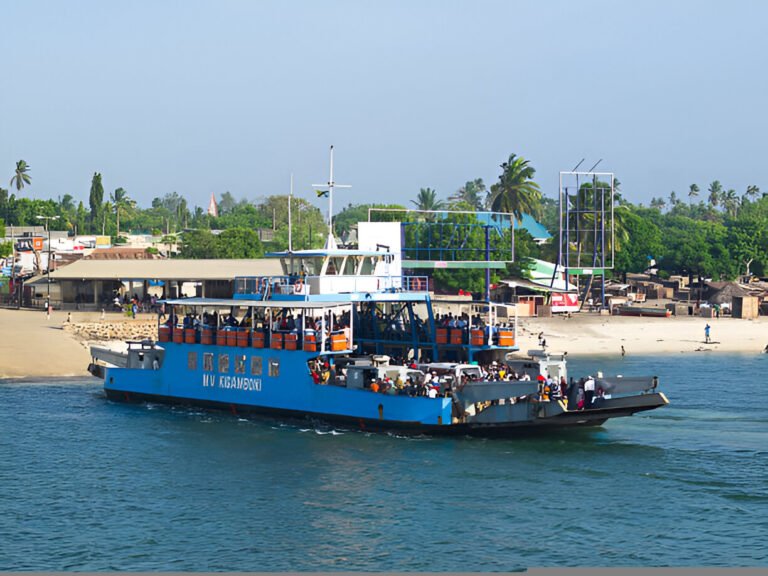
Two Day Mikumi Safari From Zanzibar With Flights And Accommodation 2026-2027
Two Day Mikumi Safari from Zanzibar with Flights and Accommodation is explained with current 2026-2027 planning, price, itinerary and booking information.
View package details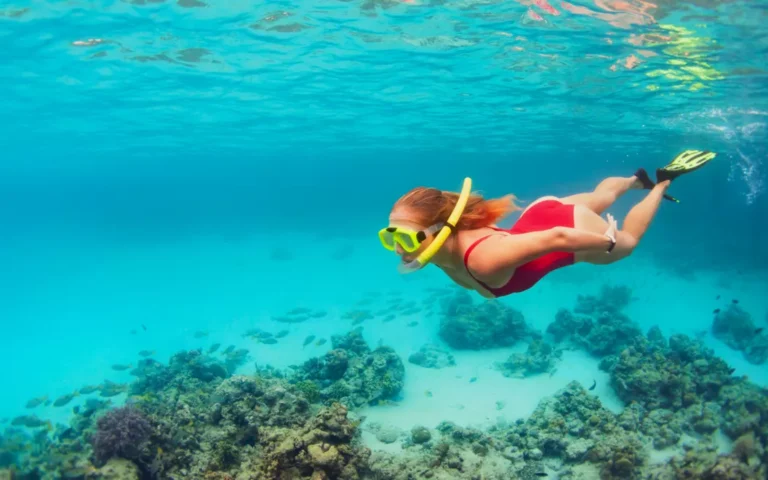
How Many Days Do I Need For A Safari From Zanzibar? 2026-2027
How Many Days Do I Need for a Safari from Zanzibar? is explained with current 2026-2027 planning, price, itinerary and booking information.
View package details
Can I Book A Last-Minute Safari From Zanzibar? 2026-2027
Can I Book a Last-Minute Safari from Zanzibar? is explained with current 2026-2027 planning, price, itinerary and booking information.
View package detailsSafari Tours From Zanzibar With Hotel Pickup And Return Flights 2026-2027
Safari Tours from Zanzibar with Hotel Pickup and Return Flights is explained with current 2026-2027 planning, price, itinerary and booking information.
View package details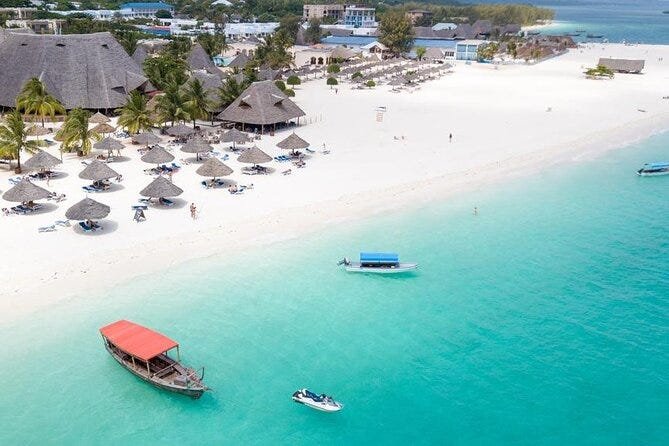
What Is The Cheapest Safari To Book While Staying In Zanzibar? 2026-2027
What Is the Cheapest Safari to Book While Staying in Zanzibar? is explained with current 2026-2027 planning, price, itinerary and booking information.
View package detailsCan I Visit Ngorongoro Crater On A Safari From Zanzibar? 2026-2027
Can I Visit Ngorongoro Crater on a Safari from Zanzibar? is explained with current 2026-2027 planning, price, itinerary and booking information.
View package details
4 Day Tanzania Safari From Zanzibar With Luxury Accommodation 2026-2027
4 Day Tanzania Safari from Zanzibar with Luxury Accommodation is explained with current 2026-2027 planning, price, itinerary and booking information.
View package details
3 Day Serengeti Safari From Zanzibar With Return Flights 2026-2027
3 Day Serengeti Safari from Zanzibar with Return Flights is explained with current 2026-2027 planning, price, itinerary and booking information.
View package detailsHow Much Does A 2 Day Safari From Zanzibar Cost? 2026-2027
How Much Does a 2 Day Safari from Zanzibar Cost? is explained with current 2026-2027 planning, price, itinerary and booking information.
View package detailsBest 1 Day Tanzania Safari Tours From Zanzibar With Flights 2026-2027
Best 1 Day Tanzania Safari Tours from Zanzibar with Flights is explained with current 2026-2027 planning, price, itinerary and booking information.
View package detailsNo closely related package is available yet for this topic.

Our Guest Reviews, Currently Feedback from Clients in 2026
Reviews from different sources, including Google Business, Tripadvisor, other platforms, and social media.



