
The best airport to fly into Tanzania depends directly on your itinerary combination: for Northern Circuit safaris (Serengeti, Ngorongoro, Tarangire) and Mount Kilimanjaro climbs, Kilimanjaro International Airport (JRO) is the undisputed best arrival hub, situated just 45 minutes from Moshi and 60 minutes from Arusha. For a complete bush-to-beach holiday combining Kilimanjaro or a northern safari with tropical coast relaxation, the most efficient routing is an open-jaw (multi-city) ticket arriving at Kilimanjaro International Airport (JRO) and departing internationally from Abeid Amani Karume International Airport (ZNZ) in Zanzibar. Flying into Julius Nyerere International Airport (DAR) in Dar es Salaam is primarily advantageous if your itinerary targets southern parks (Nyerere National Park or Ruaha), or if substantial long-haul airfare savings outweigh the added expense and transit time of domestic inter-city transfer flights in 2026-2027.
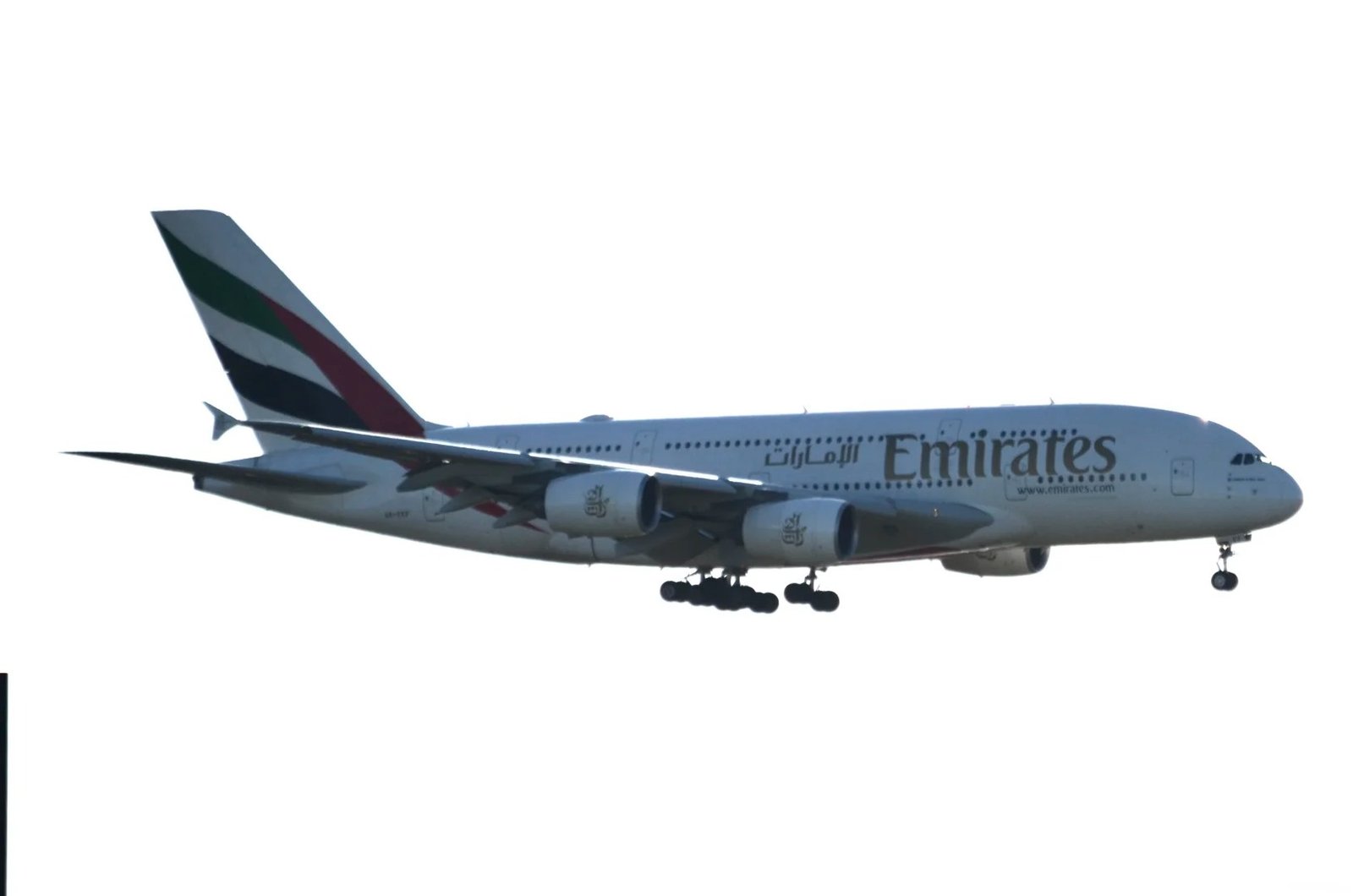
Tanzania Aviation Hubs: The Three Primary Gateways Decoded
Planning international transit into East Africa frequently leads to a common logistical trap: selecting a port of entry based exclusively on international long-haul airfare pricing, only to surrender those savings on domestic charter hops, regional connection delays, and unplanned transit hotels. Tanzania spans over 947,000 square kilometers. The geographical expanse separating Mount Kilimanjaro in the north, Dar es Salaam on the central coast, and the offshore archipelago of Zanzibar means that entering via the incorrect gateway can consume two full days of your vacation in regional airport waiting rooms.
For international visitors planning journeys in 2026-2027, international access centers on three primary commercial air hubs, each serving distinctive operational catchments across the country:
- Kilimanjaro International Airport (IATA: JRO): Positioned between Arusha and Moshi, JRO acts as the dedicated springboard for high-altitude trekking on Mount Kilimanjaro and Mount Meru, as well as vehicle-based game drives heading westward into Tarangire, Lake Manyara, the Ngorongoro Conservation Area, and the Serengeti ecosystem.
- Abeid Amani Karume International Airport (IATA: ZNZ): Situated on Unguja Island, ZNZ serves as the island’s primary tourism node. It processes regional flights from the mainland alongside a burgeoning roster of scheduled widebody international flights arriving directly from European and Gulf gateways.
- Julius Nyerere International Airport (IATA: DAR): Tanzania’s primary commercial metropolis hub. DAR operates modern wide-body international terminals capable of processing high-volume traffic, functioning as the premier jumping-off point for southern circuit wilderness reserves (Nyerere National Park and Ruaha National Park) and low-cost regional ferry links.
Understanding how these three installations interface with local ground transport infrastructure will define whether your journey starts with an easy vehicle transfer to your base lodge or a chaotic multi-leg sprint across secondary airstrips. The logistics become particularly critical when evaluating best flights to Tanzania for safari and Zanzibar holidays, where baggage allowances and arrival schedules directly dictate how smoothly your ground transport unfolds.
Critical Operational Note for 2026-2027 Bookings: Arriving on late-evening international long-haul flights into JRO (such as KLM or Qatar Airways landings around 20:30 to 22:30) requires staying overnight in Moshi or Arusha before hitting the trail or beginning a wildlife drive. Operating regulations set by the Tanzania National Parks Authority (TANAPA) close conservation entry gates at 18:00 daily, preventing direct night transfers into national park boundaries.
Direct Comparison: JRO vs DAR vs ZNZ for Multi-Region Travel
Choosing your entry point requires balancing international flight availability, ticket expenses, local road transfers, and domestic commuter aviation logistics. The table below presents the core operational differences between the three international gateways for visitors tackling wilderness expeditions, high-altitude climbs, or coastal getaways.
| Airport Gateway | Best Suited Itinerary Profiles | Distance to Major Hubs | Key Long-Haul Airlines | Operational Trade-Offs |
|---|---|---|---|---|
| Kilimanjaro (JRO) | Kilimanjaro climbs, Mount Meru, Serengeti, Ngorongoro, Tarangire | 42 km to Moshi (45 mins); 52 km to Arusha (60 mins) | KLM, Qatar Airways, Ethiopian Airlines, flydubai, Turkish Airlines | Higher long-haul ticket baseline; limited late-night dining or currency amenities outside arrivals. |
| Zanzibar (ZNZ) | Beach holidays, spice tours, fly-in safaris to Nyerere/Serengeti | 7 km to Stone Town (15 mins); 55 km to Nungwi (75 mins) | flydubai, Qatar Airways, Air France, Neos, Edelweiss, Turkish Airlines | Island terminal congestion during peak European charter banks; premium taxi transfer pricing. |
| Dar es Salaam (DAR) | Nyerere National Park, Ruaha, business travel, budget island ferries | 12 km to City Center (30-90 mins traffic dependent) | Emirates, Qatar Airways, KLM, Turkish Airlines, EgyptAir, Saudia | Heavy metropolitan road congestion; requires regional flights to access northern parks or Mount Kilimanjaro. |
As illustrated above, selecting an entry point without cross-referencing your travel itinerary frequently creates unforeseen overhead. If your dream trip pairs a strenuous seven-day trek up the Machame or Lemosho Route with a classic big-cat safari and an Indian Ocean wind-down, landing at DAR forces an additional round-trip regional commuter flight just to reach the northern mountains. Conversely, booking directly into JRO positions you at the very foot of the mountains from your opening hour on African soil.
Why Kilimanjaro Airport (JRO) Dominates Safaris and Mountain Treks
For visitors whose primary objective is summiting Uhuru Peak or observing the Great Migration across the Serengeti plains, Kilimanjaro International Airport (JRO) remains the definitive arrival station. Built purposefully between the regional hubs of Arusha (the safari capital) and Moshi (the trekking base), JRO eliminates domestic transit hurdles immediately upon completion of border formalities.
When you clear immigration and collect your luggage at JRO, your ground operator meets you in the arrivals hall. From that moment, your transfer to a base lodge in Moshi takes roughly 40 to 50 minutes along smooth, paved highway tarmac, while transfer times to central Arusha average 60 to 75 minutes. This proximity provides vital rest before you shoulder a backpack or board a custom 4×4 safari cruiser.
If you are coordinating a mountain climb, selecting JRO offers several concrete advantages over alternative entry points:
- Protected Acclimatization Windows: Trekkers landing at JRO avoid exhausting cross-country bus journeys or secondary flight hops. You reach your hotel early, allowing your resting heart rate to stabilize before your pre-climb briefing and mandatory medical evaluations.
- smooth Gear Inspections: Arriving smoothly into Moshi affords ample daylight for a comprehensive equipment audit with your head guide. If your sleeping bag rating falls short or you require heavy-duty thermal layers, local rental facilities in Moshi remain readily accessible before departure for the trailhead.
- Operational Reliability: Because long-haul international widebody flights land at JRO daily, major carriers like KLM, Ethiopian Airlines, and Qatar Airways maintain dedicated ground-handling teams on-site, dramatically reducing incidence rates of delayed baggage transfers compared to secondary multi-leg routing through regional hubs.
For safari enthusiasts, landing at JRO makes it simple to join our team for safari tours starting from Arusha, Moshi, and Kilimanjaro Airport without losing a paid day to road transit. Rather than spending your initial vacation morning traveling from Dar es Salaam, you can depart your lodge by 07:30 and arrive at the Tarangire National Park entrance gate by mid-morning, observing elephant herds before lunchtime.
Travelers frequently ask: can I start a Tanzania safari directly from Kilimanjaro Airport? While you can board a waiting 4×4 Land Cruiser directly from the airport terminal if your flight lands at dawn, our local guides generally advise spending your initial night in Arusha or Moshi. Doing so safeguards your itinerary against international flight delays and ensures you start demanding game-drive routes fully refreshed after long-haul air travel.
The Open-Jaw Advantage: Multi-City Flight Booking to Eliminate Backtracking
The single most efficient booking technique for combining bush and beach destinations across Tanzania in 2026-2027 is securing an open-jaw flight ticket (commonly designated as a “multi-city” search parameter on airline booking engines). Instead of booking a standard round-trip ticket into and out of one single airport, an open-jaw routing allows you to enter the country through Kilimanjaro International Airport (JRO) and exit through Abeid Amani Karume International Airport (ZNZ) in Zanzibar.
To understand the substantial value of this routing, consider the logistical friction of a conventional round-trip ticket booked exclusively through JRO:
- You land at JRO, conquer Mount Kilimanjaro, and complete a five-day safari through Ngorongoro and the Serengeti.
- You catch a regional bush flight from Seronera Airstrip directly to Zanzibar to relax on the beaches of Kendwa or Paje.
- At the end of your coastal stay, a standard round-trip ticket requires you to purchase an extra domestic flight from Zanzibar back to JRO, sit through an unnecessary layover, transfer your checked luggage between domestic and international terminals, and gamble on domestic airline schedules aligning with your evening long-haul flight back home.
By utilizing an open-jaw strategy, that final return leg vanishes entirely. You check in for your return international flight right at Zanzibar Airport (ZNZ), stepping onto carriers such as Qatar Airways, flydubai, Turkish Airlines, or Air France without setting foot back on the mainland.
Open-Jaw Route Planning Checklist for 2026-2027
- Select Multi-City Search: When checking flight aggregators, choose the “Multi-City” tool rather than “Round Trip.” Input Origin → JRO for Flight 1, and ZNZ → Origin for Flight 2.
- Analyze Airline Alliances: Carriers like Qatar Airways, Ethiopian Airlines, KLM/Air France, and flydubai service both JRO and ZNZ, allowing both segments to sit on a unified international ticket with shared baggage rules.
- Preserve Domestic Allowances: Domestic flights between the Serengeti and Zanzibar enforce strict 15 kg to 20 kg total luggage limits per passenger (usually in soft-sided duffel bags). Keep this in mind when packing your mountain, safari, and beach gear.
- Bridge the Gap: You will only need one domestic one-way flight: either from the Serengeti (Seronera, Kogatende, or Ndutu) or Arusha Airport (ARK) directly to Zanzibar (ZNZ).
This method saves you between $180 and $320 per person in redundant domestic air tickets, spares you four to six hours of unnecessary transit time, and eliminates the risk of missing your long-haul connection if mainland regional flights face weather delays over the Rift Valley. Exploring Tanzania safari tours from Moshi ending at Zanzibar Airport represents the gold standard for effortless route choreography.
When Does Landing at Julius Nyerere (DAR) Actually Make Sense?
Despite the operational convenience of JRO and ZNZ, travelers consistently encounter enticing international flight bargains terminating at Julius Nyerere International Airport (DAR) in Dar es Salaam. Long-haul tickets into DAR are occasionally listed $200 to $450 cheaper per passenger compared to direct flights into Kilimanjaro. However, booking DAR solely to capture that initial discount without running the full logistical calculation is a frequent planning mistake.
Landing at DAR proves genuinely sensible under specific itinerary conditions:
1. Southern Circuit Wilderness Focus
If your wildlife itinerary centers on Nyerere National Park (formerly Selous Game Reserve), Ruaha National Park, or Mikumi National Park, DAR serves as the mandatory and geographically sensible operational launchpad. Bush flights departing Dar es Salaam reach Nyerere in an effortless 45 minutes, whereas accessing these remote southern tracts from Kilimanjaro Airport requires complicated multi-stop charters crossing mainland airspace.
2. High-Speed Ferry Transit to Zanzibar on a Budget
Backpackers and economy-focused independent travelers seeking to experience Zanzibar without paying premium direct island airfares can land at DAR and board the passenger ferries operating from Dar es Salaam harbor. Companies like Azam Marine run multiple daily high-speed catamaran crossings to Stone Town, completing the ocean transit in roughly 100 minutes at a fraction of the cost of regional flight tickets.
3. Significant Group Airfare Differentials
When traveling as an extended family or large group of eight or more passengers, an airfare disparity of $400 per ticket into DAR can generate gross savings of over $3,200. In this scenario, purchasing scheduled domestic connector flights on regional carriers such as Precision Air or Air Tanzania from DAR up to Kilimanjaro (JRO) or Arusha (ARK) may still preserve overall cost savings, provided your itinerary includes a built-in buffer night to absorb potential domestic delays.
If your ultimate itinerary targets the northern giants—Kilimanjaro, Tarangire, Ngorongoro, and the Serengeti—booking through DAR introduces considerable friction. The overland road route from Dar es Salaam to Arusha spans over 620 kilometers, demanding 10 to 12 grueling hours behind the wheel through heavy commercial traffic. Domestic flights between DAR and JRO run regularly, but transferring between Terminal 3 (International) and Terminal 2 (Domestic) at DAR requires navigating exterior walkways, going through secondary security checkpoints, and risking missed flights whenever international services experience customs delays.
Flying Directly into Zanzibar (ZNZ): Logistics, Airlines, and Caveats
Abeid Amani Karume International Airport (ZNZ) on Unguja Island has undergone significant modernization, marked by the completion and commissioning of Terminal 3. This upgrade transformed Zanzibar from an airstrip reliant on mainland commuter shuttles into a fully capable international ocean gateway receiving long-haul widebodies directly from Europe and the Middle East.
Flying straight into ZNZ makes extraordinary sense for travelers pursuing an island-first itinerary. Many visitors prefer unwinding from workplace stress along the turquoise shores of Kendwa, Nungwi, or Matemwe for three days before taking on the physical challenge of climbing Mount Kilimanjaro or embarking on dawn game drives across the Serengeti.
Direct international flight access into Zanzibar for 2026-2027 features prominent global airlines:
- flydubai: Daily scheduled services linking through Dubai (DXB), providing clean connections from North American and Asian networks.
- Qatar Airways: Scheduled services operating via Doha (DOH), frequently routing via DAR or direct into ZNZ.
- Air France & KLM: Seasonal and scheduled direct links connecting Paris (CDG) and Amsterdam (AMS) directly to the spice island.
- Ethiopian Airlines: Reliable connections originating in Addis Ababa (ADD), delivering broad route access for transatlantic arrivals.
- European Leisure Charters: Operators including Neos (Italy) and Edelweiss Air (Switzerland) maintain direct seasonal non-stop flights connecting Zurich, Milan, and Rome to the Zanzibar coast.
However, travelers should note operational caveats when flying into ZNZ as their sole entry point. Terminal queues during peak midday European arrivals can be slow during high summer and holiday seasons. Furthermore, if you plan to launch an inland safari directly from your island resort, you must carefully navigate regional charter flight timing.
A thriving industry supports Tanzania safaris from Zanzibar to Serengeti, Ngorongoro, Nyerere, and Mikumi via direct morning bush flights. While highly convenient, arranging multi-day safari excursions from island hotels requires early morning departures (often a 05:00 resort collection to catch a 07:00 flight from ZNZ), and strict limits apply to luggage allowances on light aircraft crossing the Zanzibar Channel.
Domestic Bush Flights and Regional Air Strips: Connecting the Segments
Once you clear international borders at JRO, DAR, or ZNZ, bridging the gap between your mountain trek, game parks, and beach resorts relies on Tanzania’s extensive network of light aircraft operators and domestic airstrips. Knowing how local bush aviation operates prevents mid-trip scheduling surprises.
Mainland Commuter vs. Wilderness Bush Strips
It is vital to distinguish between regional commercial domestic airports and wilderness bush airstrips:
- Commercial Regional Airports: Facilities such as Arusha Airport (ARK), Kilimanjaro Airport (JRO), and Mwanza Airport (MWZ) feature paved runways, formal terminal facilities, security screening bays, and reliable instrument landing aids. Arusha Airport handles the bulk of domestic departures out of northern Tanzania heading out to the national parks and Zanzibar.
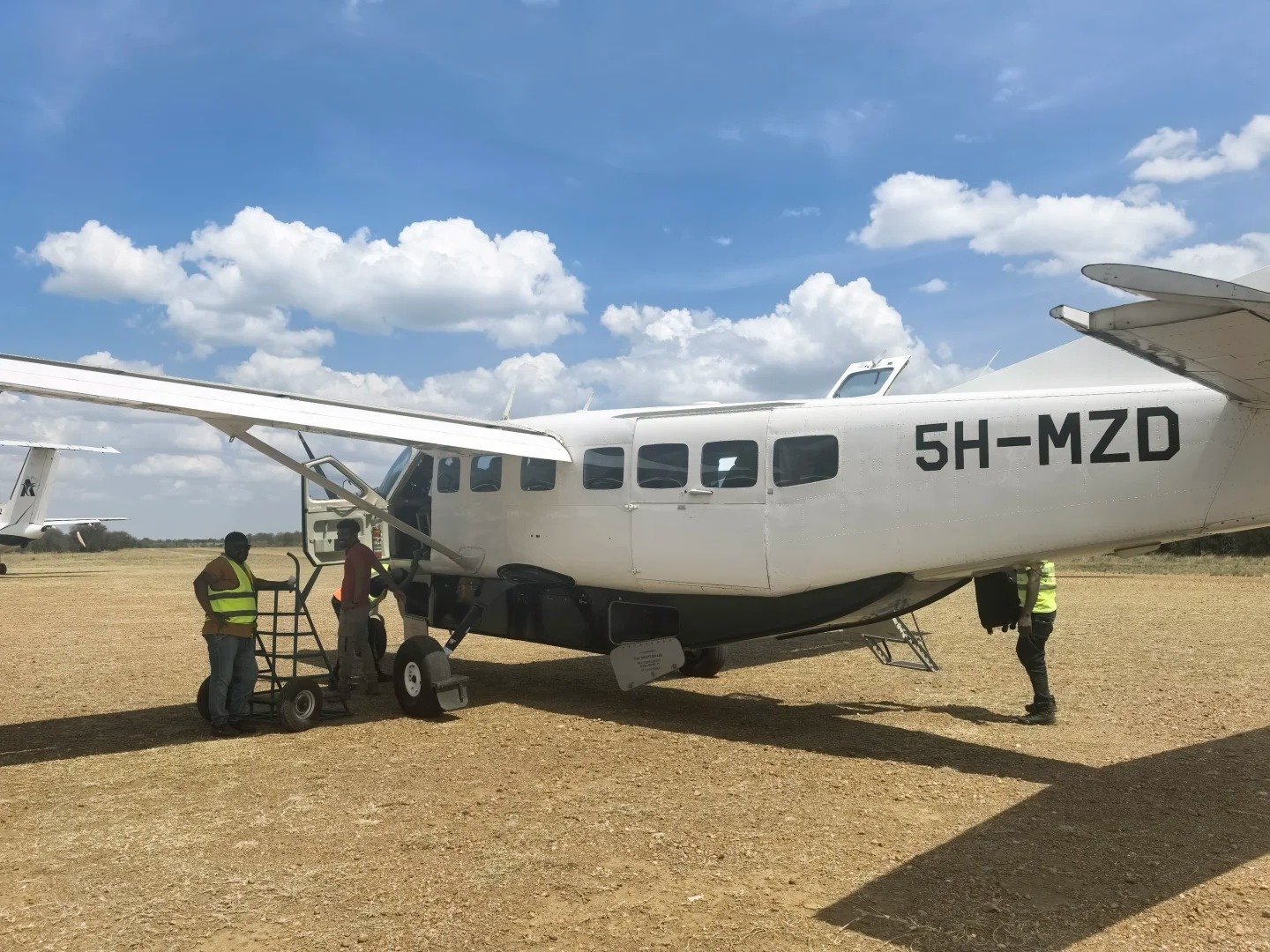
- Wilderness Bush Airstrips: Destinations like Seronera (SEU) in Central Serengeti, Kogatende in Northern Serengeti, Ndutu in the Southern Serengeti plains, and Kuro in Tarangire are unpaved, compacted gravel or grass strips. These airstrips lack terminal buildings, operate under Visual Flight Rules (daylight operations only), and are serviced primarily by rugged utility aircraft like Cessna Grand Caravans (12-13 seats) or de Havilland Twin Otters.
Check Availability for Best Airport To Fly Into Tanzania For Safari, Kilimanjaro & Zanzibar…
Ready to compare dates, prices, and the best option for your group? Send the package name and travel month so the team can reply with a clear quote, availability, and what is included.
Flights To Dar Es Salaam Vs Kilimanjaro Vs Zanzibar: Which Is Cheaper?
Flights to Dar es Salaam vs Kilimanjaro vs Zanzibar: Which Is Cheaper? is explained with current 2026-2027 planning, price, itinerary and booking information.
View package details
Tanzania Safari Tours From Moshi Ending At Zanzibar Airport 2026-2027
Tanzania Safari Tours from Moshi Ending at Zanzibar Airport is explained with current 2026-2027 planning, price, itinerary and booking information.
View package details
Best Flights To Tanzania For Safari And Zanzibar Holidays 2026-2027
Best Flights to Tanzania for Safari and Zanzibar Holidays is explained with current 2026-2027 planning, price, itinerary and booking information.
View package details
Best Short Tanzania Safari Packages During A Zanzibar Holiday 2026-2027
Best Short Tanzania Safari Packages During a Zanzibar Holiday is explained with current 2026-2027 planning, price, itinerary and booking information.
View package details
Tanzania Fly-In Safari Packages From Zanzibar For Families 2026-2027
Tanzania Fly-In Safari Packages from Zanzibar for Families is explained with current 2026-2027 planning, price, itinerary and booking information.
View package details
4 Day Tanzania Safari From Zanzibar With Luxury Accommodation 2026-2027
4 Day Tanzania Safari from Zanzibar with Luxury Accommodation is explained with current 2026-2027 planning, price, itinerary and booking information.
View package details
Best 1 Day Tanzania Safari Tours From Zanzibar With Flights 2026-2027
Best 1 Day Tanzania Safari Tours from Zanzibar with Flights is explained with current 2026-2027 planning, price, itinerary and booking information.
View package details
Can I Start A Tanzania Safari Directly From Kilimanjaro Airport? 2026-2027
Can I Start a Tanzania Safari Directly from Kilimanjaro Airport? is explained with current 2026-2027 planning, price, itinerary and booking information.
View package details
Zanzibar To Serengeti Safari For Couples With Private Accommodation 2026-2027
Zanzibar to Serengeti Safari for Couples with Private Accommodation is explained with current 2026-2027 planning, price, itinerary and booking information.
View package details
Best Wildlife Safari Add-Ons For Zanzibar Beach Holidays 2026-2027
Best Wildlife Safari Add-Ons for Zanzibar Beach Holidays is explained with current 2026-2027 planning, price, itinerary and booking information.
View package details
Zanzibar Safari Tours With All Transfers And Park Fees Included 2026-2027
Zanzibar Safari Tours with All Transfers and Park Fees Included is explained with current 2026-2027 planning, price, itinerary and booking information.
View package detailsPrivate Nyerere Safari From Zanzibar With Boat Experience 2026-2027
Private Nyerere Safari from Zanzibar with Boat Safari Experience is explained with current 2026-2027 planning, price, itinerary and booking information.
View package detailsNo closely related package is available yet for this topic.

Our Guest Reviews, Currently Feedback from Clients in 2026
Reviews from different sources, including Google Business, Tripadvisor, other platforms, and social media.