
The best airport to fly into Tanzania for safari, Kilimanjaro & Zanzibar is Kilimanjaro International Airport (JRO) for your inbound arrival, paired with an open-jaw departure from Abeid Amani Karume International Airport (ZNZ) in Zanzibar. Flying directly into JRO positions you 45 minutes from Moshi (the base for Mount Kilimanjaro treks) and 60 minutes from Arusha (the starting gate for the Serengeti, Ngorongoro Crater, and Tarangire). Planning an open-jaw multi-city ticket—entering via JRO and departing internationally from ZNZ via hubs like Doha, Dubai, or Addis Ababa—saves an entire day of travel, eliminates a redundant $120 to $220 domestic hopper flight back to northern Tanzania, and protects your schedule from regional transfer delays during the busy 2026-2027 travel seasons.
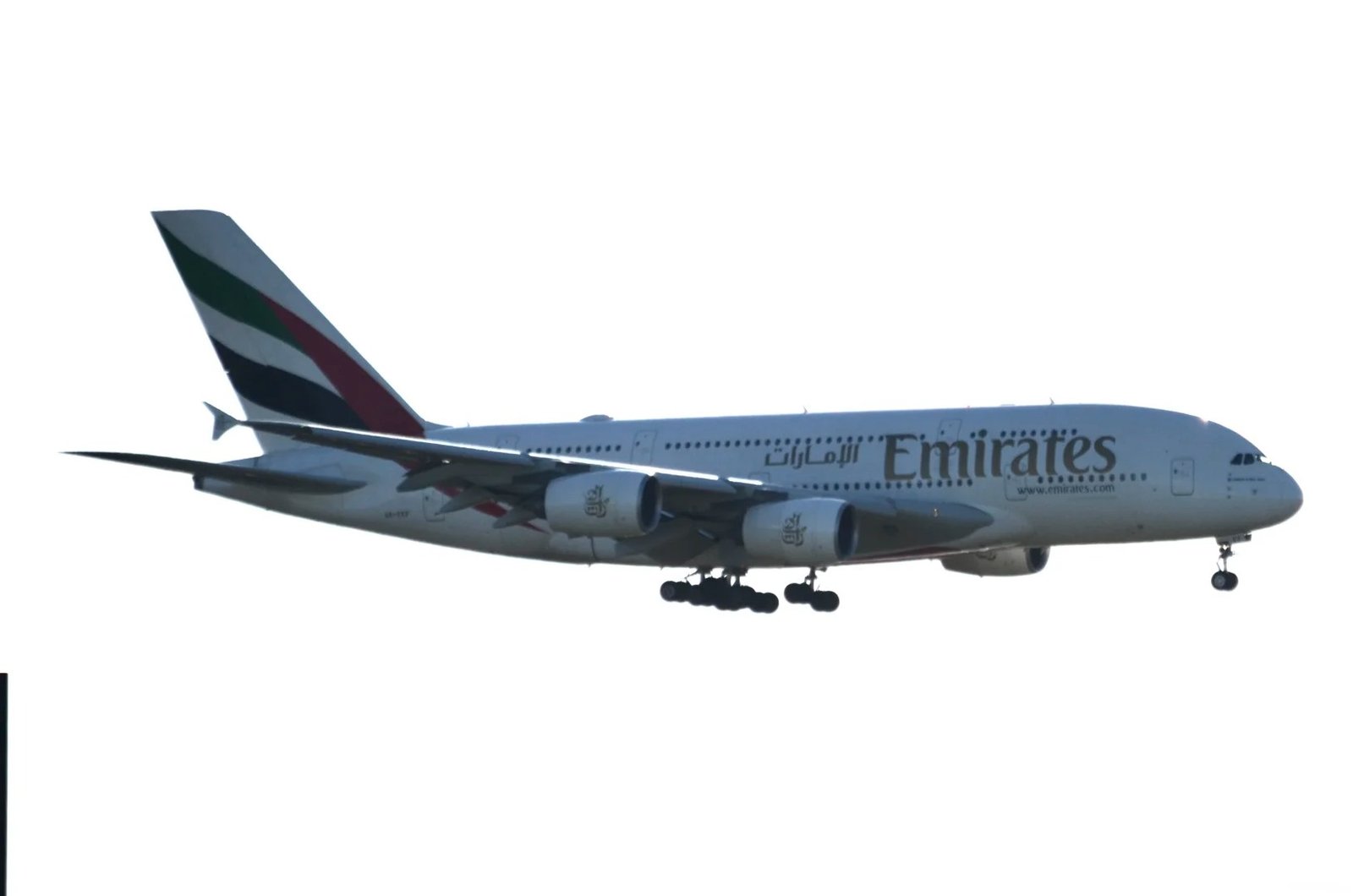
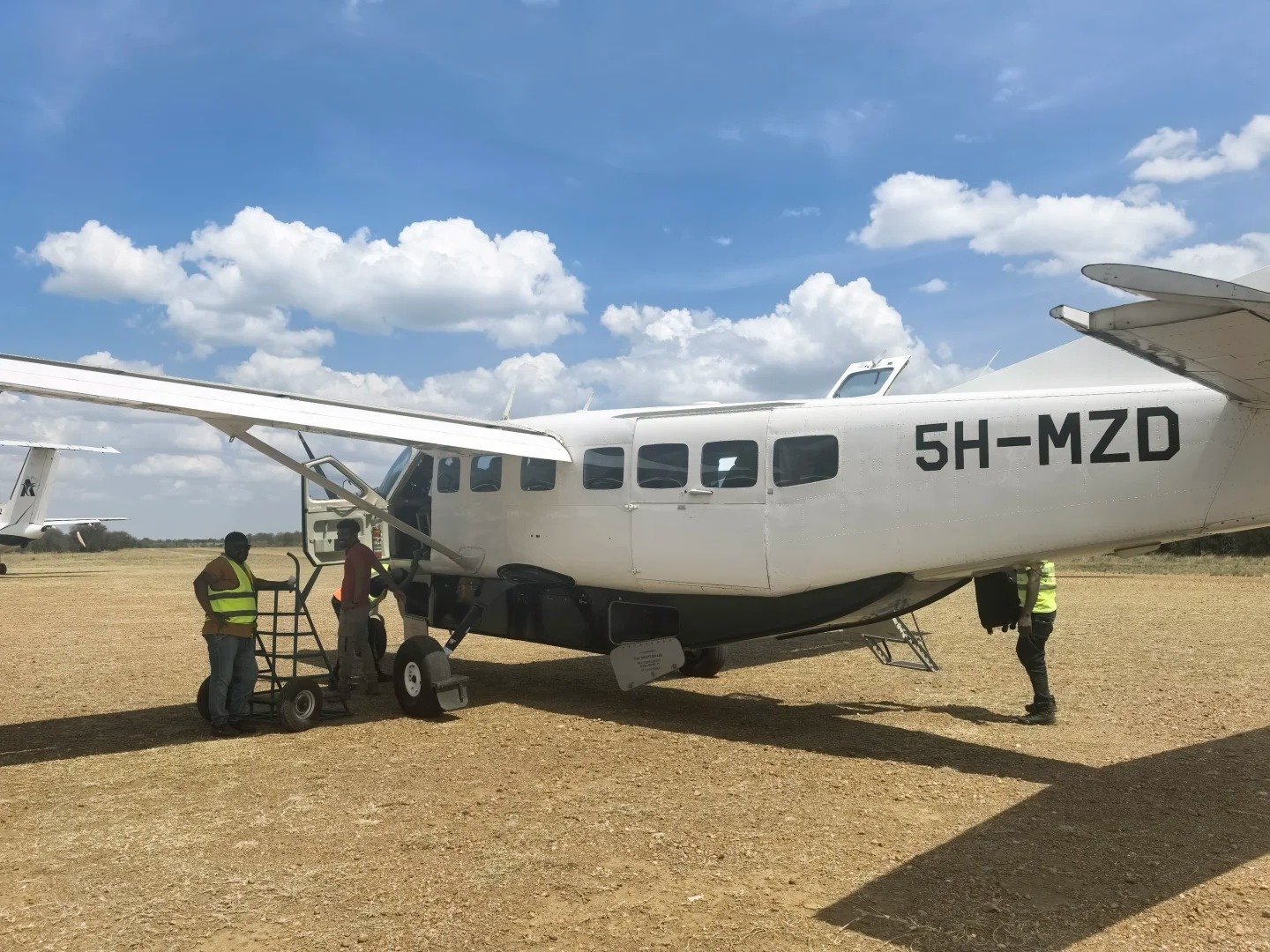
The Primary Gateways: JRO, DAR, and ZNZ Compared
Choosing your arrival point dictates how comfortably your holiday begins. Tanzania spans nearly one million square kilometers, and surface transit between major tourism regions involves long distances on single-lane arterial roads. Arriving at the wrong entry hub forces you into secondary domestic charter flights, long layovers, and unexpected overnight hotel expenses in transit towns.
International travelers balancing high-altitude trekking, big game wildlife safaris, and the Indian Ocean coastline choose among three primary points of entry: Kilimanjaro International Airport (IATA: JRO), Julius Nyerere International Airport (IATA: DAR) in Dar es Salaam, and Abeid Amani Karume International Airport (IATA: ZNZ) on Unguja Island, Zanzibar. A fourth airfield, Arusha Airport (IATA: ARK), operates strictly as a domestic and regional bush-strip hub.
| Airport & Code | Best Suited For | Proximity to Key Hubs | Average Domestic Bush Connection Cost | International Carrier Access (2026-2027) |
|---|---|---|---|---|
| Kilimanjaro (JRO) | Mount Kilimanjaro, Mount Meru, Northern Circuit (Serengeti, Ngorongoro, Tarangire) | 45 min to Moshi; 60 min to Arusha | Direct regional flights to Seronera, Kogatende, Manyara | Qatar Airways, KLM, Ethiopian, flydubai, Turkish Airlines |
| Zanzibar (ZNZ) | Unguja beach resorts, Stone Town, marine reserves, fly-in southern safaris | 15 min to Stone Town; 60-90 min to Nungwi/Paje | $80-$160 to Dar es Salaam; $180-$320 to Serengeti | Qatar Airways, Emirates, flydubai, Air France, KLM, Ethiopian |
| Dar es Salaam (DAR) | Nyerere (Selous), Ruaha, Mikumi, budget long-haul connections | 25-45 min to downtown commercial core | $140-$260 to Nyerere or Ruaha wilderness strips | Emirates, Qatar Airways, Turkish, KLM, EgyptAir, Ethiopian |
| Arusha (ARK) | Domestic departures only; Serengeti bush strips; Manyara hops | 15 min west of central Arusha | Primary jumping-off point for Cessna Caravans | Domestic only (Coastal Aviation, Auric Air, Regional Air) |
For visitors organizing a multi-segment journey encompassing an ascent of Mount Kilimanjaro, a four-to-seven-day safari in the northern parks, and an oceanfront wind-down in Zanzibar, the operational efficiency of your entry point matters as much as your choice of guide. Landing at JRO places you within driving distance of base camp briefings, eliminating the physical exhaustion of cross-country domestic connections before tackling high altitudes.
The Open-Jaw Multi-City Strategy: Why Round-Trip Tickets Cost More in Time and Money
The most frequent ticketing error travelers make when planning for 2026-2027 is booking a traditional round-trip ticket into and out of the same airport. A round-trip ticket to Dar es Salaam or Kilimanjaro looks cheaper on flight comparison engines, yet it introduces operational deadweight to your itinerary.
Consider the typical trip layout: you climb Kilimanjaro for seven days, spend four days tracking the Great Migration across the Serengeti, and fly out to Zanzibar for four days on the beach. If your return flight departs from Kilimanjaro (JRO), you must purchase a one-way domestic flight from Zanzibar back to Kilimanjaro, transfer your bags across terminals, risk delays on regional carriers that cause missed long-haul departures, and potentially pay for an unneeded transit hotel in Arusha or Moshi. That redundant domestic leg typically costs between $180 and $310 per passenger on scheduled domestic carriers like Precision Air, Flightlink, or Auric Air, negating any initial savings on the long-haul ticket.
The Open-Jaw Solution: Book your international ticket using the "Multi-City" search tool. Select your home airport to Kilimanjaro (JRO) on the outbound leg, and Zanzibar (ZNZ) to your home airport on the inbound leg. Major global alliances operate daily services across both hubs:
- Qatar Airways (oneworld): Flies into JRO (often via a brief triangular stop in Doha/Dar) and departs directly out of ZNZ back to Doha.
- KLM / Air France (SkyTeam): Serves JRO through Amsterdam-Schiphol, with partner code-shares or direct seasonal routings lifting off from ZNZ.
- Ethiopian Airlines (Star Alliance): Provides reliable links into JRO from Addis Ababa Bole International, alongside regular outbound departures directly from ZNZ.
- flydubai / Emirates: Connects international travelers through Dubai International (DXB) directly into JRO and out of ZNZ Terminal 3.
Choosing this open-jaw path ensures that your geographic route flows logically from north to south, without ever backtracking over ground you have already crossed.
Kilimanjaro International Airport (JRO): Kilimanjaro Treks and Northern Safari Circuit
Kilimanjaro International Airport sits on the Sanya Plains, positioned roughly halfway between Moshi to the east (approx. 42 km) and Arusha to the west (approx. 50 km). It was constructed specifically to serve the northern tourism hub and eliminate the historic need to traverse unpaved transit corridors from Nairobi or Dar es Salaam.
If your itinerary begins with a trek up Mount Kilimanjaro—whether on the Machame, Lemosho, Rongai, or Marangu routes—JRO is the single logical airport to choose. Landing here allows our transfer team from TOP GUIDE ADVENTURES to meet you at the arrival doors and transfer you directly to your briefing hotel in Moshi within 45 minutes, avoiding the traffic congestion of downtown Arusha.
For those questioning whether you can start a Tanzania safari directly from Kilimanjaro Airport, the answer depends entirely on your landing time. International flights touching down late in the evening (such as the standard KLM evening arrival or the midnight Ethiopian rotation) require an overnight stay in Moshi or Arusha before your safari vehicle picks you up the following morning. The national parks—including Tarangire, Lake Manyara, and the Ngorongoro Conservation Area—enforce strict gate entry hours managed by TANAPA, typically running from 06:00 to 18:00. Vehicles cannot drive into protected conservation land after dark.
However, travelers landing on morning rotations can climb straight into an outfitted, pop-top 4×4 Land Cruiser directly from JRO. From the airport terminal, it takes roughly three hours of paved driving to reach the entrance gates of Tarangire National Park, or two hours to reach Arusha National Park. Selecting JRO as your arrival point saves up to an entire calendar day compared to routing through the coast.
Abeid Amani Karume International Airport (ZNZ): Beach Arrivals and Fly-In Safaris
Abeid Amani Karume International Airport (ZNZ), situated 5 km south of Stone Town on Unguja Island, underwent a massive transformation with the opening of Terminal 3. This terminal handles wide-body international aircraft smoothly, featuring climate control, automated baggage screening, and improved border control infrastructure.
Choosing ZNZ as your inbound port of arrival makes sense in two specific situations: when you prefer to rest on the beach to overcome jet lag before starting physical activities, or when your safari focuses entirely on southern conservation zones via air hops. If your journey starts on the coast, you can land at ZNZ, spend three days adjusting to the East African time zone along the coral reefs of Kendwa or Matemwe, and then take a light aircraft inland.
A widespread routing strategy for travelers who choose a beach-first approach is the fly-in bush connection. From ZNZ, commercial bush operators fly directly to the Serengeti airstrips (such as Seronera or Kogatende) in approximately two to three hours aboard pressurized turboprops or Cessna Grand Caravans. Travelers exploring this route often book a Tanzania safari from Zanzibar to Serengeti, Ngorongoro, Nyerere & Mikumi, which bypasses the long overland drives from the northern base towns altogether.
The principal drawback of landing first at ZNZ when a Kilimanjaro climb is planned is logistical friction. Getting from Zanzibar up to Moshi requires an internal flight to JRO or Arusha (ARK), coordinating road transfers, and repacking high-altitude trekking duffels within luggage-restricted domestic flight limits—often restricted to 15 kg to 20 kg per passenger in soft-sided bags. It is far more efficient to land at JRO, conquer the mountain, run your game drives, and treat Zanzibar as your low-altitude departure point at the end of your trip.
Julius Nyerere International Airport (DAR): Southern Safaris and Budget International Entry
Located on the coastal mainland, Julius Nyerere International Airport (DAR) in Dar es Salaam is Tanzania’s largest aviation hub. Terminal 3 handles the majority of intercontinental carriers, providing modern customs, immigration, and transit areas. Historically, DAR was the standard gateway for all Tanzanian travel, but for travelers focused purely on northern safaris and Kilimanjaro, it now serves mainly as a backup option.
Flying into DAR is optimal under three distinct conditions:
- Southern Circuit Excursions: If your safari targets Nyerere National Park (formerly the Selous Game Reserve) or Ruaha National Park, DAR is the premier staging post. Direct coastal flights link DAR to southern bush strips in 45 to 90 minutes.
- Airfare Price Differentials: Certain international routes—notably from North America, the UK, and Southern Africa—occasionally offer tickets into DAR that are $300 to $600 cheaper per ticket than flights into JRO. When traveling as a family of four, the total savings can justify the extra logistical step of booking an internal connection up north.
- Ferry Links to Zanzibar: For travelers traveling on a flexible budget who want to experience the two-hour Azam Marine passenger catamaran crossing to Stone Town, DAR serves as the launch point.
The clear trade-off with DAR is local transit friction. If you land at DAR Terminal 3 and must catch an internal flight to Kilimanjaro (JRO) or Arusha (ARK), you often have to transfer your luggage across the apron or hail a taxi to Terminal 2 or Terminal 1, depending on which domestic carrier you fly. Dar es Salaam’s urban traffic between the airport and the city center can easily steal two to three hours during peak business periods.
Bush Planes and Regional Connections: Arusha Airport (ARK) vs. Kilimanjaro (JRO)
Travelers organizing their transfers between the northern parks and the coast frequently confuse Kilimanjaro International Airport (JRO) with Arusha Airport (ARK). They are two entirely separate facilities situated 65 kilometers apart, serving different operational roles.
Understanding Northern Tanzania Aviation Infrastructure:
- Kilimanjaro (JRO): Handles large, wide-body intercontinental aircraft (Boeing 777s, 787s, Airbus A350s) along with regional scheduled jets. It features full night-landing capabilities, radar navigation, and comprehensive border visa facilities. It is the arrival port for your international flight from Europe, the Middle East, or the Americas.
- Arusha Airport (ARK): A compact domestic airstrip located on the western edge of Arusha town. ARK does not accept scheduled international arrivals and operates strictly on visual flight rules (daylight hours only). It is the primary base for light bush planes (Cessna 208 Grand Caravans) flying directly into gravel safari airstrips across the Serengeti, Lake Manyara, and Tarangire.
When your safari concludes in the deep bush of the Central or Northern Serengeti, you will rarely drive eight to ten hours back over rough washboard roads to Arusha. Instead, you will board a bush flight from an airstrip like Seronera (SEU), Kogatende (KOT), or Ndutu (NDT). Most of these scheduled bush planes fly directly into Arusha Airport (ARK) or continue forward to Zanzibar (ZNZ).
If you have erroneously booked an evening international flight home out of Kilimanjaro (JRO) on that same afternoon, you will land on the small tarmac at Arusha Airport (ARK), collect your bags, and face a stressful 90-minute road transfer through Arusha traffic along the single-carriageway A23 highway to reach JRO. Factoring in unexpected vehicle bottlenecks or road construction, this transfer presents an operational risk. Understanding the separation between ARK and JRO helps keep your final travel day calm and predictable.
For guests linking safari tours and high-altitude climbs with beach time, exploring Tanzania safari tours from Moshi ending at Zanzibar Airport creates a clean transition: finish your trek, set out on your northern wildlife loop, board a direct bush flight out of the Serengeti directly across the mainland to Zanzibar, and step off onto the tarmac 90 minutes later without a single road transfer through northern towns.
Check Availability for Best Airport To Fly Into Tanzania For Safari, Kilimanjaro & Zanzibar (
Ready to compare dates, prices, and the best option for your group? Send the package name and travel month so the team can reply with a clear quote, availability, and what is included.
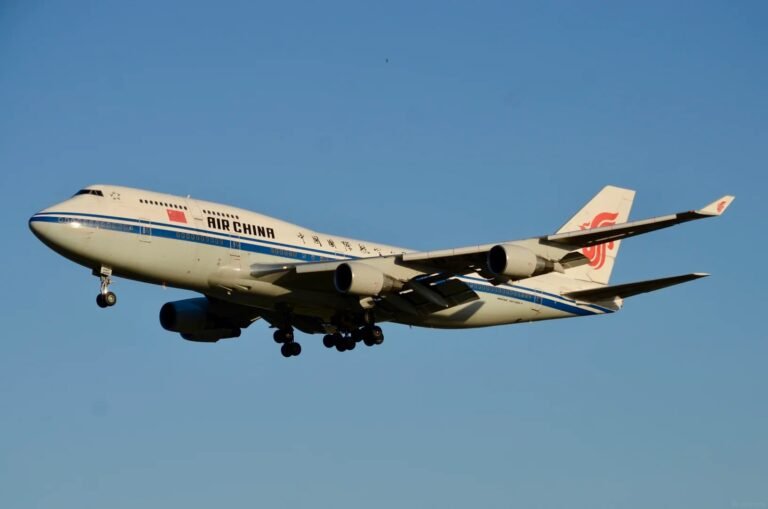
Flights To Dar Es Salaam Vs Kilimanjaro Vs Zanzibar: Which Is Cheaper?
Flights to Dar es Salaam vs Kilimanjaro vs Zanzibar: Which Is Cheaper? is explained with current 2026-2027 planning, price, itinerary and booking information.
View package details
Tanzania Safari Tours From Moshi Ending At Zanzibar Airport 2026-2027
Tanzania Safari Tours from Moshi Ending at Zanzibar Airport is explained with current 2026-2027 planning, price, itinerary and booking information.
View package details
Best Flights To Tanzania For Safari And Zanzibar Holidays 2026-2027
Best Flights to Tanzania for Safari and Zanzibar Holidays is explained with current 2026-2027 planning, price, itinerary and booking information.
View package details
Best Short Tanzania Safari Packages During A Zanzibar Holiday 2026-2027
Best Short Tanzania Safari Packages During a Zanzibar Holiday is explained with current 2026-2027 planning, price, itinerary and booking information.
View package details
Tanzania Fly-In Safari Packages From Zanzibar For Families 2026-2027
Tanzania Fly-In Safari Packages from Zanzibar for Families is explained with current 2026-2027 planning, price, itinerary and booking information.
View package details
4 Day Tanzania Safari From Zanzibar With Luxury Accommodation 2026-2027
4 Day Tanzania Safari from Zanzibar with Luxury Accommodation is explained with current 2026-2027 planning, price, itinerary and booking information.
View package details
Best 1 Day Tanzania Safari Tours From Zanzibar With Flights 2026-2027
Best 1 Day Tanzania Safari Tours from Zanzibar with Flights is explained with current 2026-2027 planning, price, itinerary and booking information.
View package details
Can I Start A Tanzania Safari Directly From Kilimanjaro Airport? 2026-2027
Can I Start a Tanzania Safari Directly from Kilimanjaro Airport? is explained with current 2026-2027 planning, price, itinerary and booking information.
View package details
Zanzibar To Serengeti Safari For Couples With Private Accommodation 2026-2027
Zanzibar to Serengeti Safari for Couples with Private Accommodation is explained with current 2026-2027 planning, price, itinerary and booking information.
View package details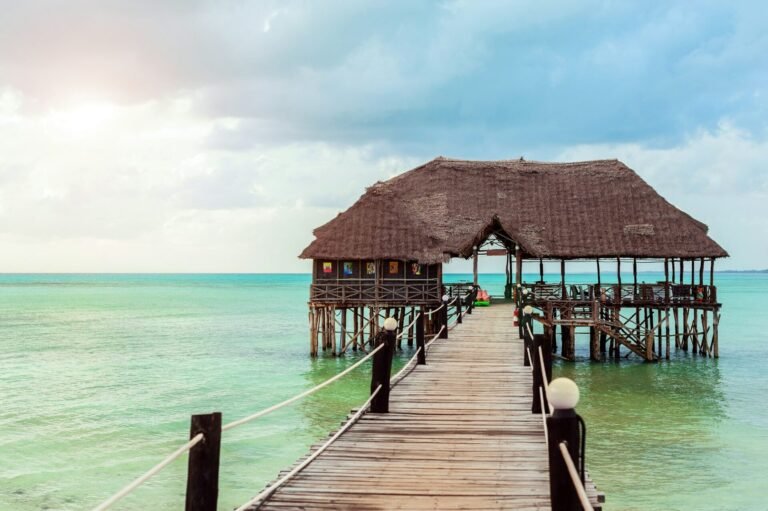
Best Wildlife Safari Add-Ons For Zanzibar Beach Holidays 2026-2027
Best Wildlife Safari Add-Ons for Zanzibar Beach Holidays is explained with current 2026-2027 planning, price, itinerary and booking information.
View package details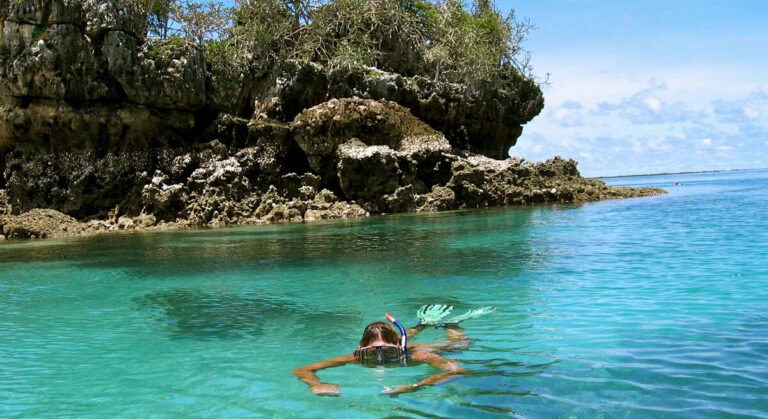
Zanzibar Safari Tours With All Transfers And Park Fees Included 2026-2027
Zanzibar Safari Tours with All Transfers and Park Fees Included is explained with current 2026-2027 planning, price, itinerary and booking information.
View package detailsPrivate Nyerere Safari From Zanzibar With Boat Experience 2026-2027
Private Nyerere Safari from Zanzibar with Boat Safari Experience is explained with current 2026-2027 planning, price, itinerary and booking information.
View package detailsNo closely related package is available yet for this topic.

Our Guest Reviews, Currently Feedback from Clients in 2026
Reviews from different sources, including Google Business, Tripadvisor, other platforms, and social media.