The 7 Days Lemosho Kilimanjaro Christmas Climb – 20–26 December 2026 is a specialized high-altitude trekking expedition that starts at Londorossi Gate on December 20 and summits Uhuru Peak (5,895 meters) at sunrise on Christmas Day, 25 December 2026, before descending to Mweka Gate on December 26. This 7-day variation condenses the standard western approach by combining Shira 1 and Shira 2 camps, making it ideal for fit hikers with prior hill-walking experience who want an iconic holiday ascent featuring dramatic scenery across the Shira Plateau, the Barranco Wall, and southern glacial valleys. Ground packages organized by licensed Tanzanian operator TOP GUIDE ADVENTURES typically range from $2,150 to $2,750 per climber depending on group size, equipment specifications, and private toilet options.

Route Concept and Christmas Summit Timing
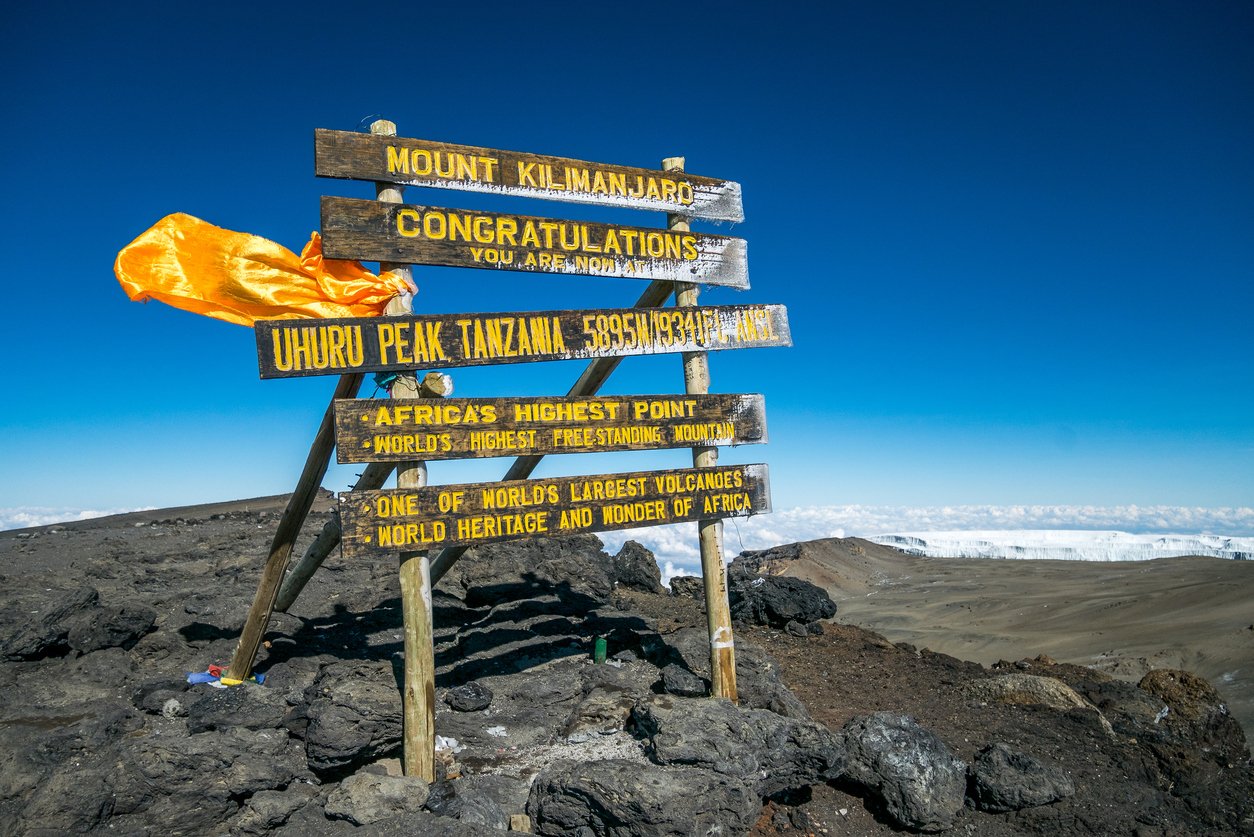
Spending the festive season on Africa’s highest summit is an increasingly popular ambition for international trekkers, but exact scheduling determines whether you spend December 25 in camp or on top of the continent. The 7 Days Lemosho Kilimanjaro Christmas Climb – 20–26 December 2026 is built around a precise logistical clock designed to place you on Uhuru Peak (5,895m / 19,341ft) in the early morning light of Christmas Day.
By departing your base hotel in Moshi or Arusha on the morning of December 20, 2026, you enter the national park through the western trailheads. This approach gives you five full trekking days to gain altitude, cross the vast volcanic expanse of the Shira Plateau, contour around Kibo’s southern flank under the Southern Icefield, and arrive at Barafu High Camp on the afternoon of Christmas Eve (December 24). Your final summit push starts around midnight, meaning your Christmas morning begins under a sprawling blanket of equatorial stars, crested by dawn at Stella Point and the summit ridge.
While standard Lemosho itineraries frequently run across 8 or 9 days, the 7-day itinerary serves trekkers with tight year-end vacation allowances. If you have limited annual leave around the Christmas work shutdown, this condensed profile achieves the coveted holiday summit without demanding extra days off before or after your international flights. For those wishing to compare pacing, our 8 Days Lemosho Route Kilimanjaro Group Climb – 15–22 December 2026-2027 offers an alternative early-departure template that completes before the Christmas weekend begins.
7-Day Lemosho Profile: Elevation Gains and Strategic Trade-Offs
Choosing a 7-day variation of the western approach demands an honest assessment of your physical conditioning and your body’s historical adaptation to thin air. The full Lemosho trail is celebrated for having among the highest summit success rates on Mount Kilimanjaro, primarily because it starts low, offers high scenic diversity, and incorporates natural “climb high, sleep low” staging points. However, shaving one day off the standard 8-day itinerary introduces distinct trade-offs that every trekker must understand prior to paying a deposit.
The Core 7-Day Modification: In the classic 8-day profile, climbers spend Night 1 at Forest Camp (Mti Mkubwa, 2,820m), Night 2 at Shira 1 Camp (3,610m), and Night 3 at Shira 2 Camp (3,850m). In this 7 Days Lemosho Kilimanjaro Christmas Climb, your guide team merges the approach across the plateau. Depending on starting points permitted by Tanzania National Parks (TANAPA), you either trek directly from Mti Mkubwa through Shira 1 to Shira 2 on Day 2, or start higher at the Shira roadhead to compress early stages. This requires a sustained hike of 7 to 9 hours on Day 2, pushing your sleeping elevation immediately close to the 3,850-meter threshold.
Who does this 7-day Christmas climb suit best? It is exceptional for:
- Hikers with proven fitness who regularly log 6 to 8 hours of mountain walking with a 7–10 kg daypack.
- Climbers who have pre-acclimatized on smaller peaks like Mount Meru or completed high-altitude trails in the Alps, Andes, or Rockies within the preceding 30 days.
- Travelers who must wrap up their trek by December 26 to catch an onward flight to Zanzibar or transition to a wildlife circuit.
Conversely, if you struggle with sudden shifts in elevation, or if you prefer a gentler pace with daily trail times averaging 4 to 5 hours, an 8-day or 9-day trek is a medically sounder alternative. You can explore the expanded schedule on our 9 Days Lemosho Kilimanjaro Full Moon Climb – 17–25 December 2026-2027, which separates the Shira camps and maximizes your acclimatization safety window.
December Weather on Kilimanjaro: What to Expect Over the Holidays
Climbing Kilimanjaro in late December falls inside a micro-seasonal transition window. The “short rains” in Northern Tanzania typically arrive between late October and early December. By the third week of December—right when our 20–26 December 2026 group sets out—the weather pattern steadily shifts toward the warm, dry window that characterizes January and February.
However, mountain weather ignores human calendars. The western flanks of Kilimanjaro intercept moisture moving upward from the montane rainforest. During your first two days crossing from Londorossi through the rainforest and moorland belts, afternoon showers and cloud inversions are common. Temperatures at lower camps like Big Tree hover around 15°C to 18°C (59°F–64°F) during daylight hours, dipping to 8°C (46°F) overnight.
Once you clear the Shira Plateau and move into the alpine desert past 4,000 meters toward Lava Tower and Barranco, daytime conditions become noticeably dry, crisp, and intensely sunny, with fierce UV exposure. You must protect yourself against harsh solar radiation during the day, even while temperatures linger near 5°C to 10°C (41°F–50°F).
Nighttime temperatures drop significantly as you gain altitude:
- Barranco & Karanga Camps (3,950m–3,995m): Sub-zero nights are standard, typically ranging from -2°C to -5°C (28°F to 23°F). Frost on the tent fly is normal every morning.
- Barafu High Camp (4,673m): Expect evening temperatures between -5°C and -10°C (23°F to 14°F). Winds off the saddle can heighten the chill factor.
- Uhuru Peak Summit Night (5,895m): Wind-chill values at the crater rim (Stella Point) and the true summit on Christmas morning frequently dip between -15°C and -20°C (5°F to -4°F). Carrying four technical thermal and windproof layers, heavy down mitts, and insulated footwear is mandatory.
Tour Costs, TANAPA Fees, and Value Comparison for 2026-2027
Trekking economics on Mount Kilimanjaro are heavily influenced by statutory conservation fees, fair porter compensation, and the logistics of sustaining an off-grid mountain community for seven days. Operating a safe western-approach trek requires an average crew ratio of 3 to 4 mountain staff (guides, chef, camp crew, and porters) per solo climber, or 10 to 14 crew members for a small group of three to four trekkers.
For the 2026-2027 climbing season, standard commercial rates for a reputable 7-day Lemosho climb range between $2,150 and $2,750 per person in a shared small group. Private expeditions scale higher, typically landing between $2,500 and $3,400 per person, contingent on party size and hotel selections before and after the trek.
| Budget Component | Standard Cost Range (USD) | Operational Detail |
|---|---|---|
| TANAPA Park Fees | $950 – $1,100 per trekker | Includes daily conservation fees, 6 nights camping fees, rescue fees, and government VAT. |
| Crew Logistics & Fair Pay | $650 – $900 per trekker | Salaries for lead guides, assistant guides, chef, and porters, in strict adherence to fair wage codes. |
| Safety & Camp Assets | $250 – $350 per trekker | Mountain tents, mess tent, dining furniture, medical emergency oxygen, pulse oximeter, and staff gear. |
| Transfers & Base Logistics | $150 – $250 per trekker | 4WD transport from Moshi/Arusha to Londorossi Gate and return pickup from Mweka Gate. |
| Total Estimated Package | $2,150 – $2,750 per person | Standard shared group pricing (excludes international flights, gear rentals, and personal tips). |
Be cautious of budget operators offering 7-day Lemosho climbs for under $1,800. Slashing prices below this threshold invariably results in compromised safety equipment (such as absent pulse oximeters or lack of emergency oxygen cylinders), inferior food quality, and severe mistreatment or underpayment of local porters. Choosing a certified local operator like Top Guide Adventures guarantees transparent ethical crew handling, modern safety protocols, and personalized mountain coordination from the moment you touch down in Tanzania.
Day-by-Day Christmas Itinerary: Londorossi to Mweka (Dec 20–26, 2026)
The progression of this route is meticulously structured to balance horizontal distance, elevation milestones, and camp rest cycles so that you reach the summit ridge safely on Christmas morning.
Day 1: December 20, 2026 – Moshi/Arusha to Londorossi Gate, Trek to Mti Mkubwa (Big Tree)
Your expedition begins with an early breakfast at your base hotel. Around 07:30, your guide team and transfer vehicle arrive for gear inspections and loading. You drive west through rural villages and cedar plantations toward Londorossi Gate (2,100m), arriving around late morning for national park registration and scale clearance for porters’ loads.
From Londorossi, vehicles drive further along a forested trail to the Lemosho trailhead. The trek kicks off inside pristine, ancient montane rainforest draped in old-man’s-beard lichen. Black-and-white colobus monkeys and blue monkeys frequently call from the high canopy. The trail winds along undulating forest tracks where damp roots and soft soil require secure footing and trekking poles.
- Distance covered: ~6 km (3.7 miles)
- Trekking time: 3 to 4 hours
- Starting elevation: 2,100m / 6,890ft (trailhead ~2,360m)
- Camp elevation: 2,820m / 9,252ft at Mti Mkubwa Camp
- Vegetation zone: Montane Rainforest
- Overnight: Four-season expedition tent at Big Tree Camp
Day 2: December 21, 2026 – Mti Mkubwa across the Shira Plateau to Shira 2 Camp
Day 2 is the pivotal endurance stage of the 7-day itinerary. Leaving the forest belt early, the trees quickly thin into high heather and giant heath shrubs. You cross the low ridges that mark the western rim of the ancient volcanic Shira caldera—Kilimanjaro’s first collapsed volcanic cone.
As you traverse past the site of Shira 1 Camp (3,610m), the landscape unfurls into a sprawling, wind-swept moorland plateau with impressive panoramic vistas of Kibo’s western ice fields across the horizon. You enjoy a hot trail lunch prepared by your mountain crew before continuing eastward toward Shira 2 Camp (3,850m). Arriving in late afternoon, you settle into high camp as temperatures plunge rapidly once the sun slips behind the western caldera rim.
- Distance covered: ~16 km (10 miles)
- Trekking time: 7 to 9 hours
- Starting elevation: 2,820m / 9,252ft
- Camp elevation: 3,850m / 12,631ft at Shira 2 Camp
- Vegetation zone: Moorland to Sub-Alpine Desert
- Acclimatization note: A notable altitude step. Stay strictly hydrated, pace your strides slowly (“pole pole”), and participate in the evening health check.
Day 3: December 22, 2026 – Shira 2 to Lava Tower (4,630m), Descend to Barranco Camp (3,950m)
This stage represents classic high-altitude physiology in action: climb high, sleep low. Leaving Shira 2, the trail enters the raw, rocky expanse of the alpine semi-desert. You climb steadily southeast up barren scree slopes toward the iconic Lava Tower, a colossal 90-meter volcanic plug sitting at 4,630 meters (15,190 feet).
Reaching the base of Lava Tower around midday, your body experiences the physiological stress of thin air while you rest and eat lunch. Spending 45 to 60 minutes at this high elevation triggers red blood cell production before you descend through the Senecio Valley. The trail drops nearly 700 vertical meters into the shelter of Barranco Camp (3,950m), lined with prehistoric Giant Groundsels (Dendrosenecio kilimanjari). This afternoon descent relieves mild altitude-induced headaches and cements your body’s acclimatization profile.
- Distance covered: ~10 km (6.2 miles)
- Trekking time: 6 to 7 hours
- Peak elevation: 4,630m / 15,190ft at Lava Tower
- Camp elevation: 3,950m / 12,959ft at Barranco Camp
- Net elevation gain: Only 100 meters above Shira 2, yet vital adaptation accomplished
- Vegetation zone: Alpine Desert
Day 4: December 23, 2026 – Barranco Wall Scramble to Karanga Camp (3,995m)
Your morning begins with one of the most thrilling visual highlights of the entire climb: tackling the legendary Barranco Wall (the “Breakfast Wall”). While intimidating when viewed from your tent, the wall is a non-technical Class 2 scramble that requires no mountaineering hardware. Using basic three-point contact, you navigate safe rocky ledges and narrow steps under the direct, close guidance of your mountain team.
Check Availability for 7 Days Lemosho Kilimanjaro Christmas Climb – 20–26 December 2026-2027
Ready to compare dates, prices, and the best option for your group? Send the package name and travel month so the team can reply with a clear quote, availability, and what is included.
7 Days Lemosho Route Kilimanjaro Group Climb – 3–9 December 2026-2027
7 Days Lemosho Route Kilimanjaro Group Climb – 3–9 December 2026 is explained with current 2026-2027 planning, price, itinerary and booking information.
View package details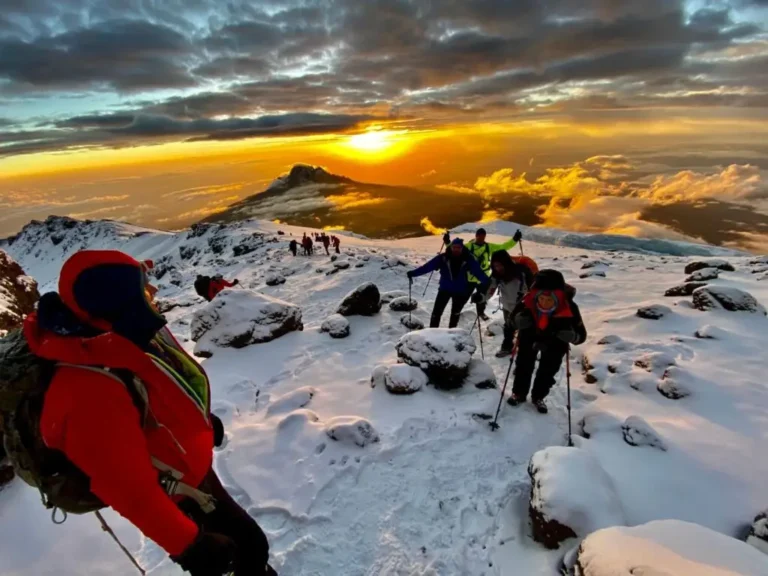
8 Days Lemosho Kilimanjaro Christmas Trek – 24–31 December 2026-2027
8 Days Lemosho Kilimanjaro Christmas Trek – 24–31 December 2026 is explained with current 2026-2027 planning, price, itinerary and booking information.
View package details
8 Days Lemosho Kilimanjaro New Year Summit Climb – 26 December – 2 January
8 Days Lemosho Kilimanjaro New Year Summit Climb – 26 December 2026 – 2 January 2027 is explained with current 2026-2027 planning, price, itinerary and.
View package details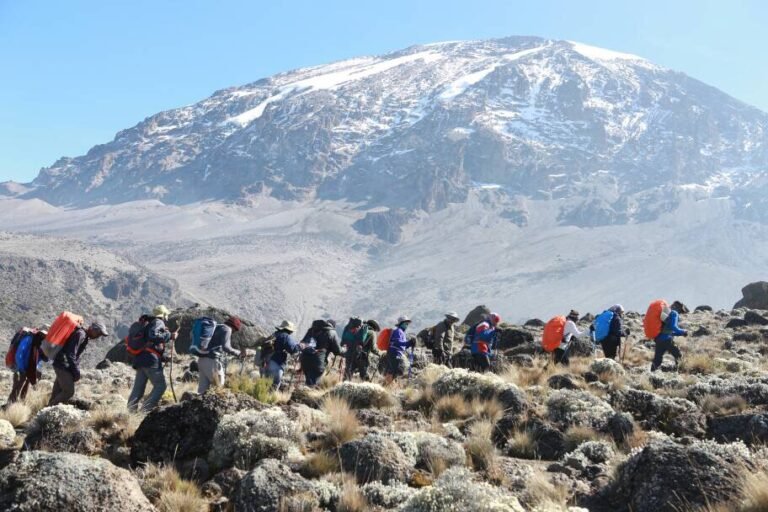
9 Days Lemosho Kilimanjaro Full Moon Climb – 17–25 December 2026-2027
9 Days Lemosho Kilimanjaro Full Moon Climb – 17–25 December 2026 is explained with current 2026-2027 planning, price, itinerary and booking information.
View package details8 Days Lemosho Route Kilimanjaro Group Climb – 15–22 December 2026-2027
8 Days Lemosho Route Kilimanjaro Group Climb – 15–22 December 2026 is explained with current 2026-2027 planning, price, itinerary and booking information.
View package details
8 Days Lemosho Route Kilimanjaro Group Departure – 12–19 December 2026-2027
A detailed guide to the 8-day Lemosho Route Kilimanjaro group climb departing 12–19 December 2026, covering route details, daily itinerary, acclimatization strategy, and what to expect.
View package details7 Days Machame Kilimanjaro New Year Climb – 27 December – 2 January 2026-2027
7 Days Machame Kilimanjaro New Year Climb – 27 December 2026 – 2 January 2027 is explained with current 2026-2027 planning, price, itinerary and booking.
View package details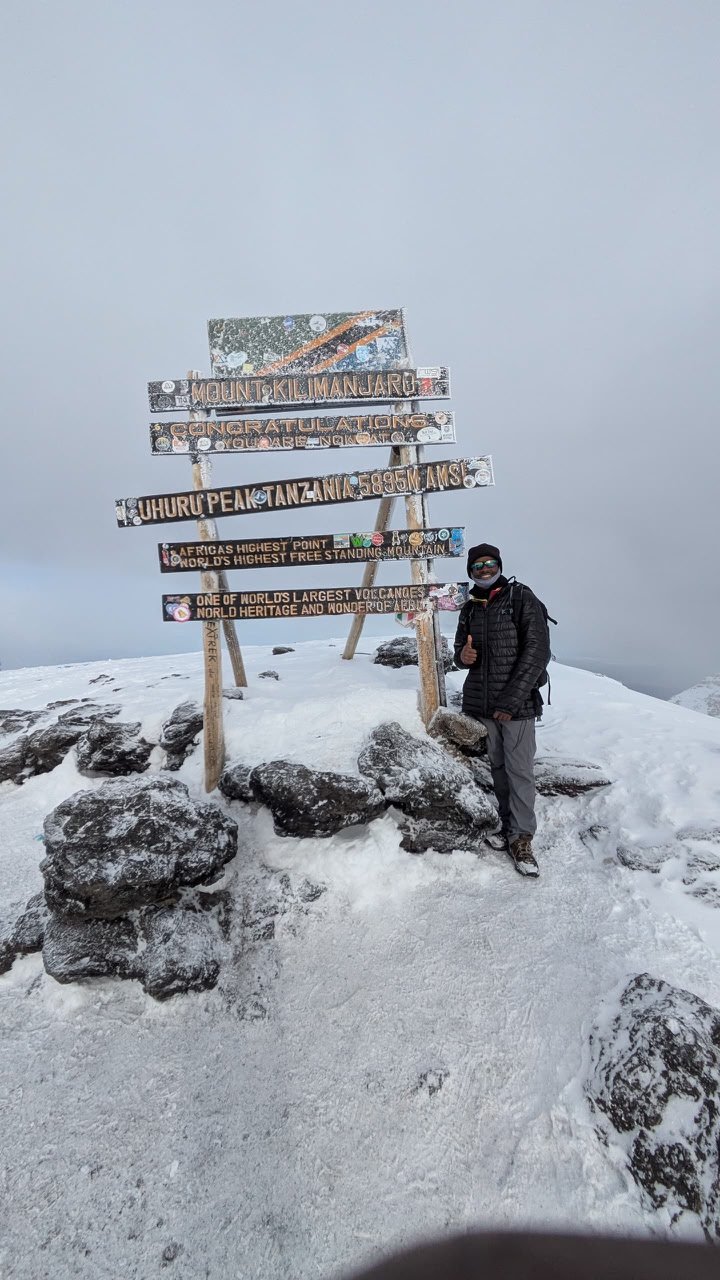
8 Days Lemosho Kilimanjaro Full Moon Group Trek – 18–25 December 2026-2027
An 8-day group trek on Kilimanjaro's scenic Lemosho Route timed for the December 2026 full moon period, with summit day on Christmas morning.
View package details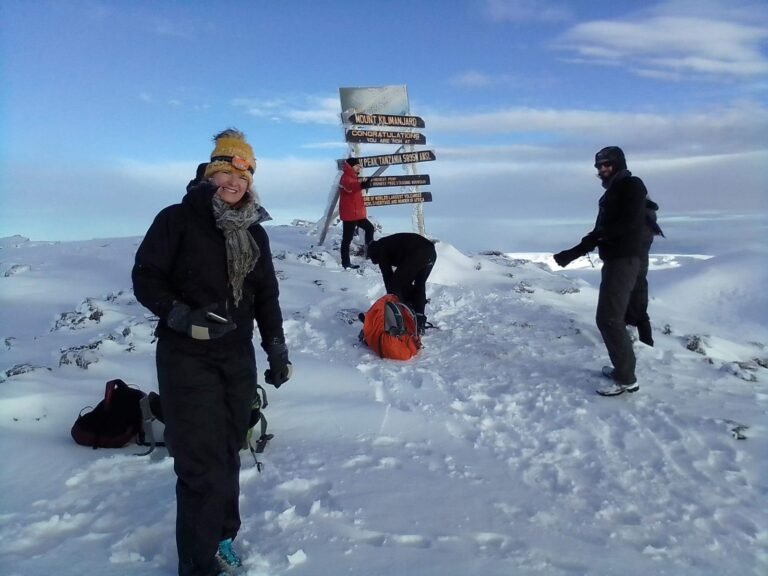
8 Days Machame Kilimanjaro Full Moon Climb – 18–25 December 2026-2027
8 Days Machame Kilimanjaro Full Moon Climb – 18–25 December 2026 is explained with current 2026-2027 planning, price, itinerary and booking information.
View package details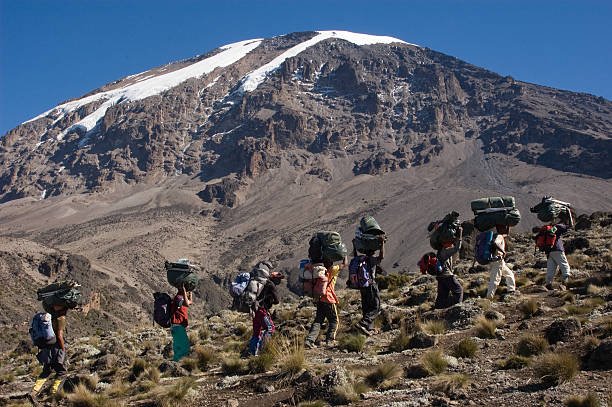
8 Days Lemosho Kilimanjaro Group Hiking – 7–14 December 2026-2027
8 Days Lemosho Kilimanjaro Group Hiking – 7–14 December 2026 is explained with current 2026-2027 planning, price, itinerary and booking information.
View package details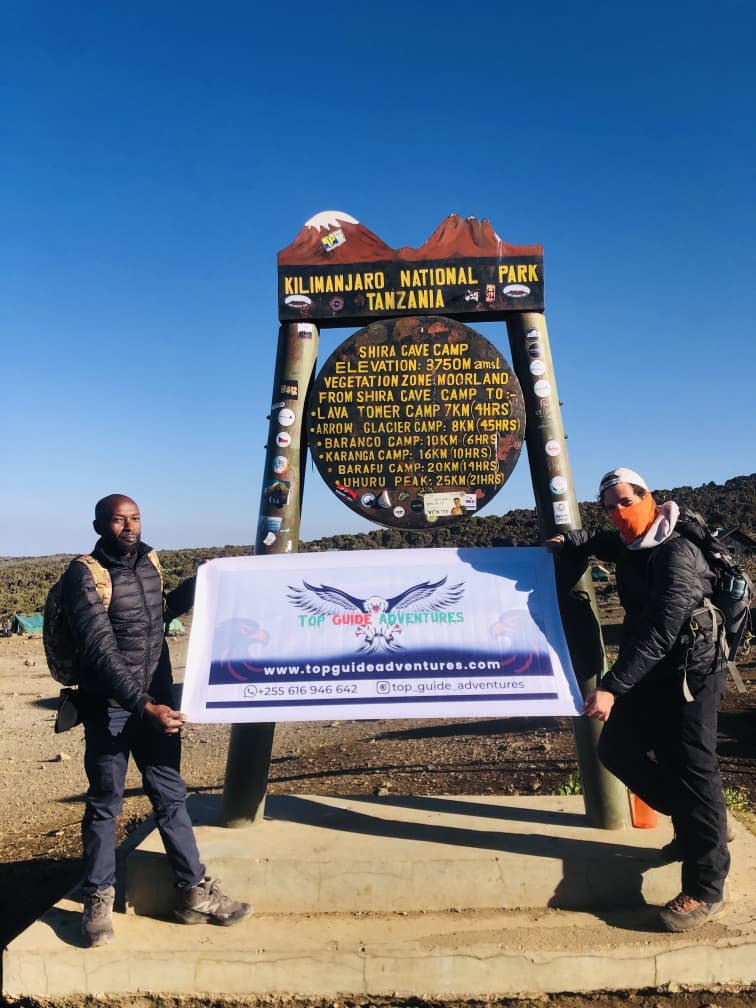
8 Days Lemosho Kilimanjaro Trekking Package – 4–11 December 2026-2027
8 Days Lemosho Kilimanjaro Trekking Package – 4–11 December 2026 is explained with current 2026-2027 planning, price, itinerary and booking information.
View package details7 Days Machame Kilimanjaro Group Climb – 9–15 December 2026-2027
A detailed guide to the 7-day Machame Route Kilimanjaro group climb in December 2026, covering itinerary, preparation, and what to expect.
View package detailsNo closely related package is available yet for this topic.

Our Guest Reviews, Currently Feedback from Clients in 2026
Reviews from different sources, including Google Business, Tripadvisor, other platforms, and social media.