
Arusha local tours focusing on coffee, food markets, and cultural experiences offer travelers an authentic glimpse into the daily life and traditions of Northern Tanzania, providing hands-on engagement with local agriculture, cuisine, and community. These tours are typically half-day or full-day excursions from Arusha city, often including visits to coffee estates for processing demonstrations and tasting, guided explorations of vibrant markets like the Arusha Central Market for local produce and crafts, and interactions with local communities or artisan workshops to understand traditional practices. The primary decision for travelers is choosing the tour duration and the specific blend of activities that best suits their interests, whether it’s a deep look at coffee cultivation or a broader cultural immersion.
Understanding Arusha Local Tours
Arusha, often called the gateway to Tanzania’s northern safari circuit, offers more than just its proximity to iconic wildlife destinations. Local tours here are designed to peel back the layers of everyday Tanzanian life, moving beyond the tourist trails to connect visitors with the land, its produce, and its people. These excursions are invaluable for understanding the region’s economy, its diverse ethnic groups, and the traditions that shape daily existence. Unlike a standard Arusha City Tour which might offer a broader overview, specialized local tours explore deeper into specific aspects. For instance, a tour focused on coffee, food, and culture provides a more intimate and sensory experience, highlighting the journey from bean to cup, the vibrant colors and aromas of local markets, and the warmth of community interactions. When planning for 2026-2027, consider that these tours are best enjoyed with a local guide who can translate not just languages but also cultural nuances, making your experience richer and more meaningful.
Coffee Plantation Experiences
Tanzania, particularly the fertile slopes around Mount Kilimanjaro and Mount Meru, is renowned for its high-quality coffee, primarily Arabica. A dedicated coffee tour is an essential part of any Arusha local experience. These tours typically take you to a working coffee estate, often family-run, where you can witness the entire process from cherry picking (depending on the season) to drying, hulling, roasting, and finally, grinding. You’ll learn about the different varietals grown, the challenges and rewards of coffee farming, and the meticulous steps involved in producing the perfect bean.
The highlight for many is the coffee tasting session, where you’ll learn to identify different flavor profiles and appreciate the nuances of freshly brewed Tanzanian coffee. Some tours might even offer a hands-on opportunity, allowing you to participate in sorting beans or even a brief roasting demonstration. When you book a Arusha Food Tour that includes coffee, or a standalone coffee experience, ensure it includes a visit to a genuine plantation rather than just a coffee shop. This is where the real story unfolds. For 2026-2027, expect to see a continued emphasis on sustainable farming practices and direct trade relationships, which many estates are proud to share.
Key aspects to look for in a coffee tour:
- Farm-to-cup demonstration: Understanding the full production cycle.
- Tasting session: Learning to appreciate different roasts and flavors.
- Local guide expertise: Someone who can explain the agricultural and cultural significance.
- Seasonality: Visiting during harvest season (typically June to September) offers a more dynamic experience, though processing and tasting are available year-round.
These tours offer a fascinating contrast to the typical safari, providing a grounded appreciation for the agricultural heart of Tanzania.
Exploring Arusha’s Food Markets
Arusha’s markets are a feast for the senses, offering a vibrant snapshot of local life and culinary traditions. The most prominent is the Arusha Central Market (also known as Shanga Mbaya Market), a bustling hub where farmers, traders, and shoppers converge daily. Here, you’ll find an incredible array of fresh produce – from exotic fruits like mangoes, passion fruit, and jackfruit to local staples like bananas, potatoes, and various greens. The air is thick with the aroma of spices, fresh produce, and the general hum of commerce.
A guided market tour, often part of an Arusha Food and Local Market Tour, is highly recommended. A local guide can help you navigate the crowds, identify unfamiliar ingredients, understand their uses, and even assist in purchasing local snacks or ingredients if you wish to try them. You’ll see stalls selling everything from grains and pulses to local dairy products and, in some sections, meat and fish. It’s a fantastic place to observe local bartering and interaction.
Beyond the Central Market, smaller neighborhood markets and roadside stalls offer unique finds. These tours are not just about food; they are about understanding the local economy, social dynamics, and the importance of agriculture in the Tanzanian diet. For your 2026-2027 travels, consider a tour that might include a stop at a local eatery or a cooking demonstration using market-fresh ingredients, truly bringing the culinary experience to life. Remember to dress modestly and be respectful of local customs when visiting these vibrant spaces.
What to expect in Arusha markets:
- Abundance of fresh produce: Seasonal fruits, vegetables, and grains.
- Local spices and herbs: Aromatic ingredients central to Tanzanian cooking.
- Handicrafts and everyday items: Often sold alongside food.
- Vibrant atmosphere: A lively and sometimes chaotic but always engaging environment.
- Interaction with vendors: A chance to practice a few Swahili phrases.
Cultural Immersion and Community Visits
To truly understand Tanzania, engaging with its people is paramount. Cultural immersion tours in Arusha aim to provide this connection, moving beyond superficial encounters to foster genuine understanding and respect. These experiences often involve visiting local villages, interacting with community members, and learning about their way of life, traditions, and social structures.
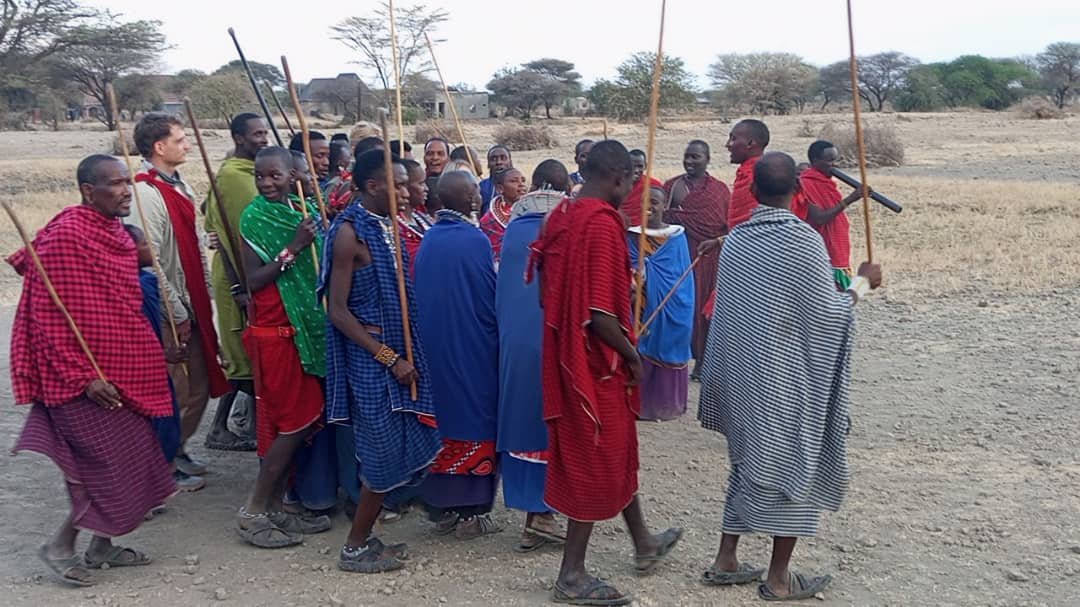
A popular option is a visit to a Maasai village. While some Maasai tours can feel staged, reputable operators ensure these visits are conducted with respect for the community, often involving a genuine exchange where visitors can learn about Maasai customs, their relationship with cattle, traditional dress, and perhaps witness a song and dance performance. It’s crucial to choose a tour that benefits the community directly and avoids exploitative practices. Some tours might also include visits to other ethnic groups native to the region, offering diverse perspectives.
Other cultural experiences can include visiting local schools (if arranged respectfully and with permission), understanding traditional farming methods beyond coffee, or participating in community projects. For 2026-2027, there’s a growing trend towards more authentic, less commercialized cultural exchanges, emphasizing mutual learning and respect. Such tours often require more time and a willingness to step outside your comfort zone, but the rewards in terms of understanding and connection are immense. Always confirm with your tour operator about the nature of community engagement and how it directly supports the local people.
Considerations for cultural visits:
- Authenticity: Look for tours that prioritize genuine interaction and learning.
- Community Benefit: Ensure your visit contributes positively to the local economy and community.
- Respectful Engagement: Be mindful of local customs, dress code, and photography etiquette.
- Local Guides: Essential for accurate interpretation and respectful communication.
Crafts and Artisan Workshops
Tanzania boasts a rich tradition of craftsmanship, and Arusha serves as a focal point for many local artisans. Integrating visits to craft centers and artisan workshops into your local tour provides a fascinating insight into the skills passed down through generations and offers opportunities to purchase unique souvenirs directly from the makers.
You might encounter workshops specializing in wood carvings, Tinga Tinga paintings (a distinct Tanzanian art style originating in Dar es Salaam but popular throughout the country), beadwork, pottery, or basket weaving. These visits are often more intimate than large market stalls, allowing you to see the artists at work, understand their techniques, and learn about the materials they use. For example, wood carvers might explain the significance of different animal motifs or the properties of various local hardwoods.
When planning for 2026-2027, opt for tours that highlight genuine artisans rather than mass-produced items. Some tours may include a visit to a cooperative or a social enterprise that supports local craftspeople, ensuring your purchases have a direct positive impact. This is also a chance to engage in light bartering in a respectful manner, understanding that these crafts are often the livelihood for many families. A well-rounded local tour can blend market visits with stops at these artisan studios, offering a comprehensive view of Arusha’s creative spirit.
Types of crafts to explore:
- Tinga Tinga Art: Vibrant, colorful paintings with distinctive styles.
- Wood Carvings: Often depicting animals, tribal figures, or abstract designs.
- Beadwork: Intricate jewelry, Maasai adornments, and decorative items.
- Baskets and Textiles: Handwoven items for functional or decorative use.
Planning Your Arusha Local Tour for 2026-2027
Organizing a local tour in Arusha requires careful consideration to ensure it aligns with your interests and offers an authentic experience. The best time to visit for pleasant weather is generally during the dry seasons (June to October and December to February), but local tours can be enjoyed year-round. The intensity of the experience can vary; some tours are relaxed, while others involve more walking and active engagement.
Duration: Most coffee, food, and cultural tours are half-day (3-5 hours) or full-day (6-8 hours) excursions. A half-day tour might focus on either the markets and city or a coffee plantation, whereas a full-day tour can often combine multiple elements, such as a morning market visit followed by an afternoon coffee estate tour and a brief cultural interaction. For 2026-2027, flexible itinerary planning is key; Top Guide Adventures can help tailor a half-day or full-day experience to your specific desires.
What to Bring: Comfortable walking shoes are essential. Light, breathable clothing is recommended, along with sun protection (hat, sunscreen). A reusable water bottle is advisable. For market and village visits, it’s good practice to carry small denominations of Tanzanian Shillings for any purchases or tips, although many operators will advise on tipping protocols.
Trade-offs:
- Depth vs. Breadth: A focused tour (e.g., just coffee) offers deep insight, while a combined tour covers more ground but with less detail in each area.
- Pace: A faster pace allows you to see more but can feel rushed. A slower pace allows for deeper immersion but might mean seeing fewer distinct locations.
- Group vs. Private: Group tours are generally more budget-friendly but offer less flexibility. Private tours offer customization and a more personal experience, ideal for those seeking specific interactions or learning objectives.
When booking for 2026-2027, discuss these trade-offs with your tour operator to find the perfect balance for your trip. Consider if you’re interested in a day tour that might combine some of these elements with a short safari drive in nearby Arusha National Park, for example.
Booking Your Authentic Arusha Experience
Securing a genuine and memorable local tour in Arusha for 2026-2027 involves choosing a reputable operator committed to authentic experiences and community benefit. Top Guide Adventures specializes in creating these kinds of in-depth local encounters, leveraging their deep understanding of Tanzania and its people. They can help you navigate the options, from a detailed Arusha Food Tour to a comprehensive cultural immersion that includes visits to coffee farms and artisan workshops.
When you contact Top Guide Adventures, be prepared to discuss your interests. Are you particularly passionate about coffee cultivation? Do you want to spend more time understanding local cuisine? Or is the primary goal to connect with communities? Providing these details allows them to customize an itinerary that perfectly matches your expectations. They can advise on the best local guides, the most respectful community interactions, and the most vibrant markets to visit.
Key booking considerations for 2026-2027:
- Operator Reputation: Look for reviews and testimonials from previous travelers.
- Inclusions: Clarify what is covered – transport, guide fees, entrance fees, meals, tasting sessions, and any craft purchases.
- Customization: Ensure the operator can tailor the tour to your interests and pace.
- Support: Choose an operator that provides responsive booking support and clear communication.
To start planning your unforgettable Arusha local tour, reach out to the experts at Top Guide Adventures. They are dedicated to providing personal local coordination and crafting unique experiences that go beyond the ordinary. You can connect with them via WhatsApp at +255 616 946 642 or email them at topguideadventures@gmail.com to discuss your dream itinerary for 2026-2027 and beyond.
Check Availability for Arusha Local Tours Coffee Food Markets And Cultural Experiences Guide
Ready to compare dates, prices, and the best option for your group? Send the package name and travel month so the team can reply with a clear quote, availability, and what is included.
Arusha Day Trips: Wildlife, Waterfalls, Culture, Coffee & Safari Experiences
Arusha day trips offer a fantastic way to experience Tanzania's diverse attractions without committing to longer safaris. From thrilling wildlife encounters in Arusha National Park to the...
View package details20 Fashion, Beauty, And Lifestyle Experiences: Markets, Shopping
Discover a curated selection of 20 distinct experiences that blend fashion, beauty, and lifestyle across global markets, shopping cities, and cultural encounters. This guide highlights...
View package details20 Fashion, Beauty, And Lifestyle Experiences: Markets, Shopping Cities
Discover a curated selection of 20 fashion, beauty, and lifestyle experiences, blending the allure of global markets, sophisticated shopping cities, and enriching cultural travel.
View package details
Cultural Tours Tanzania: Maasai, Hadzabe, Datoga, Chagga & Village Experiences
start an unforgettable cultural journey through Tanzania, connecting with the Maasai, Hadzabe, Datoga, and Chagga peoples, alongside authentic local village experiences. This guide provides...
View package detailsBest New Artists To Discover At Music Festivals, Cultural Events, And Through
Explore the dynamic landscape of emerging music by uncovering new artists through the vibrant energy of global music festivals, enriching cultural events, and in-depth travel experiences...
View package detailsMost Beautiful Traditional Clothing Worldwide – Cultures, Festivals And Local
Traditional clothing is more than just fabric; it's a living testament to a culture's history, values, and artistic expression. This guide explores some of the most beautiful traditional...
View package details
Hadzabe And Datoga Tribe Safari – Lake Eyasi Cultural Tour Traditional
Hadzabe and Datoga Tribe Safari – Lake Eyasi Cultural Tour and Traditional Experiences is explained with current 2026-2027 planning, price, itinerary and.
View package detailsTop 20 Richest Musicians In Africa – African Music, Cultural Festivals And
This article delves into the financial landscape of Africa's music industry by identifying and examining the net worth of the top 20 richest musicians on the continent. It explores the...
View package detailsExploring History, Culture, And Heritage: A Deeper Understanding 2026-2027
This guide delves into the multifaceted world of history, culture, and heritage experiences, exploring their importance, how they are preserved, and how individuals can engage with them...
View package detailsThe Interplay Of Music, Entertainment, And Travel Experiences 2026-2027
Discover the dynamic relationship between music, entertainment, and travel. This guide explores how concerts, festivals, film locations, and celebrity culture influence where and how we...
View package detailsGhana Itinerary – Cultural Tours, Wildlife, Beaches And Historical
This guide offers a detailed exploration of Ghana, outlining a comprehensive itinerary that balances vibrant cultural experiences, opportunities for wildlife observation, significant...
View package detailsFreemason Documentary: Exploring Historic Masonic Buildings And Cultural
This article explores the intersection of Freemasonry, historical architecture, and cultural heritage, focusing on how documentaries illuminate the significance of Masonic buildings and...
View package detailsNo closely related package is available yet for this topic.



