
Bagamoyo offers a compelling blend of history, culture, and coastal relaxation, making it an essential stop for travelers interested in Tanzania’s heritage and quieter seaside experiences, particularly for those planning visits in 2026 or 2027.

This guide focuses on crafting a memorable trip to Bagamoyo, a town steeped in history as a former German East Africa capital and a significant trading post. We’ll outline potential itineraries, highlight key attractions, and provide practical advice for experiencing the best of this unique destination during your 2026-2027 travels.
Bagamoyo: A Glimpse into History and Coastal Charm
Bagamoyo, situated just north of Dar es Salaam on Tanzania’s coast, is more than just a beach destination; it’s a living museum. Once a vital trading port for ivory and slave trade, it later served as the first German colonial capital in East Africa. This layered history is palpable as you wander its streets, explore its old buildings, and connect with the local community. For travelers in 2026-2027 seeking an authentic Tanzanian experience away from the main safari circuits, Bagamoyo offers a unique perspective on the country’s past and its enduring coastal culture.
Planning Your Bagamoyo Trip (2026-2027)
When planning your visit to Bagamoyo for 2026 or 2027, consider the following factors to ensure a smooth and enriching experience.
Best Time to Visit
The coastal climate of Bagamoyo is tropical, meaning it’s generally warm and humid year-round. However, the dry seasons from June to October and December to February are often considered the most comfortable for exploring. During these periods, you’ll experience less rain, making beach activities and historical site visits more enjoyable. The shoulder months, like November and March, can also be pleasant with fewer crowds, though occasional short rains are possible.
Getting to Bagamoyo
Bagamoyo is most easily accessed from Dar es Salaam. The journey typically takes about 1.5 to 2 hours by road, depending on traffic conditions. You can arrange private transfers through tour operators or hire a taxi. For those arriving internationally, you’ll likely fly into Julius Nyerere International Airport (DAR) in Dar es Salaam. From there, a pre-booked transfer ensures a hassle-free start to your Bagamoyo exploration.
Accommodation Options
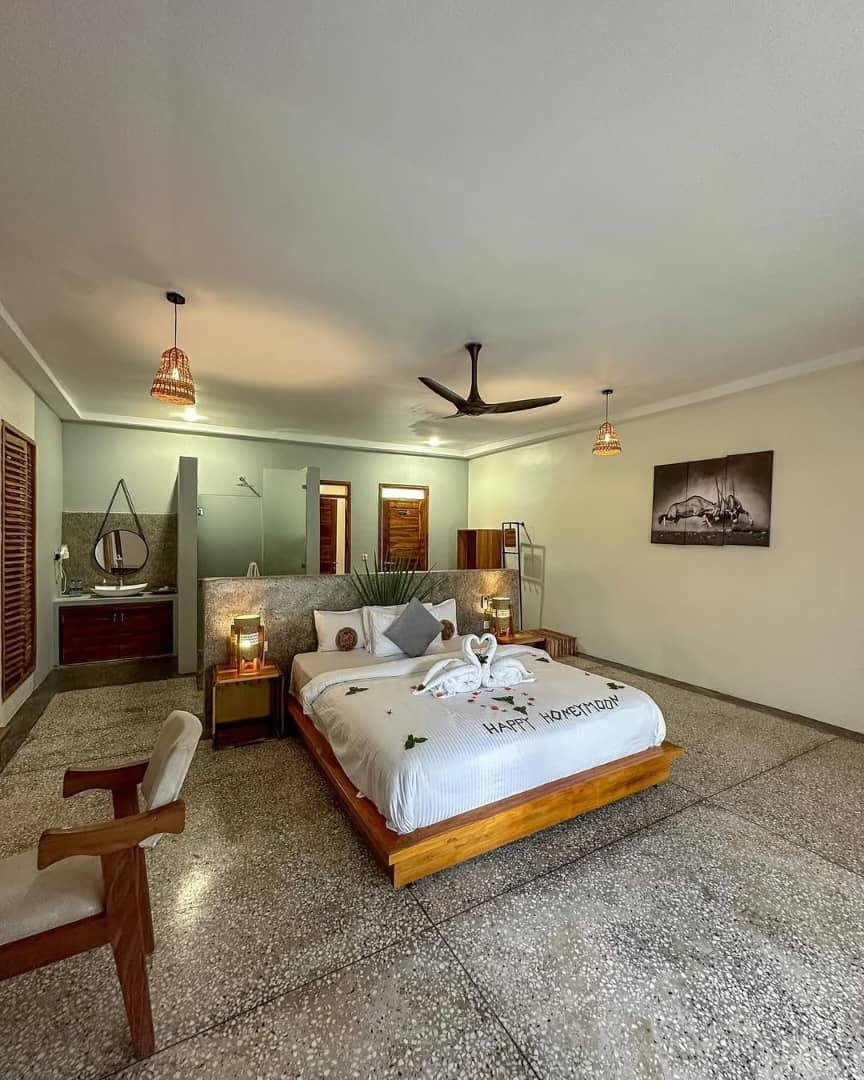
Bagamoyo offers a range of accommodation, from simple guesthouses to more established hotels and beach resorts. For a truly local feel, consider staying in smaller, family-run establishments. If you prefer more amenities and direct beach access, several resorts cater to international visitors. Booking in advance, especially for popular periods in 2026-2027, is advisable.
Suggested Bagamoyo Itineraries
The ideal itinerary depends on your interests and how much time you have. Here are a few options, adaptable for 2026-2027 travel.
One-Day Trip from Dar es Salaam
This is a popular choice for those on a tighter schedule, perhaps en route to or from Zanzibar, or as a break from the city. The focus is on the highlights:
- Morning: Depart Dar es Salaam after breakfast. Drive to Bagamoyo and head straight for the historical sites.
- Late Morning: Explore the Old Fort, the Kaole Ruins (a 13th-century Swahili settlement), and the historic Catholic Mission with its slave market memorial.
- Lunch: Enjoy a local seafood lunch at a beachfront restaurant.
- Afternoon: Relax on the beach or visit the Bagamoyo College of Arts (TASUBA) to see local crafts and perhaps witness student performances.
- Late Afternoon: Drive back to Dar es Salaam.
Two to Three-Day Bagamoyo Experience
This allows for a more relaxed pace and deeper immersion into the town and its surroundings.
- Day 1: Arrival & Historical Exploration
- Arrive from Dar es Salaam, check into your accommodation.
- Afternoon: Visit the Old Fort, Kaole Ruins, and the Slave Market Memorial.
- Evening: Enjoy dinner at a local restaurant, perhaps trying fresh grilled fish.
- Day 2: Culture & Coast
- Morning: Visit the Bagamoyo College of Arts (TASUBA) for an insight into traditional Tanzanian arts and crafts.
- Afternoon: Spend time relaxing on Bagamoyo Beach, swimming, or simply soaking up the sun. Consider a dhow trip along the coast.
- Evening: Sunset drinks overlooking the Indian Ocean.
- Day 3 (Optional): Further Exploration or Departure
- Morning: Visit a local fishing village to observe daily life, or explore more of the town’s less-visited historical remnants.
- Alternatively, enjoy a final morning on the beach before departing for Dar es Salaam.
Combining Bagamoyo with Other Destinations
Bagamoyo makes an excellent addition to a broader Tanzanian itinerary. It can be easily combined with trips to Dar es Salaam, a gateway to southern safaris like those in Saadani National Park, or as a stopover before heading to Pemba Island or Mnemba Island for snorkeling. Given its proximity to Dar, it’s also a convenient stop for those flying in or out of the country.
Key Attractions and Things to Do in Bagamoyo
Bagamoyo’s appeal lies in its historical depth and relaxed coastal atmosphere. Here are the must-see sites and activities:
Kaole Ruins
These are the most significant historical remnants in Bagamoyo, dating back to the 13th century. The ruins are believed to be part of a larger Swahili trading town that predates Bagamoyo’s more recent history. Walking among the crumbling coral stone walls, you can imagine the bustling port that once stood here, trading with merchants from Arabia, Persia, and India. The site also contains two mosques and a tomb, offering a glimpse into the early Islamic influence on the Swahili coast.
Old Fort (Bagamoyo Fort)
Constructed in the 1860s by Omani Arabs, this fort served as a customs house and a base for controlling trade. It played a role in the ivory and slave trade, later being used by the Germans. Today, the fort has been partially restored and houses a cultural center and museum that details Bagamoyo’s history. It’s a central point for understanding the town’s past as a major trading hub.
Bagamoyo Slave Market Memorial
This poignant site marks the location of the former slave market, where captives were brought before being marched inland or shipped overseas. A large cross stands here, erected by missionaries in memory of those who suffered. Visiting this memorial is a somber but essential part of understanding Bagamoyo’s complex history and its connection to the tragic slave trade.
Bagamoyo College of Arts (TASUBA)
For a dose of vibrant contemporary culture, visit TASUBA. This college is renowned for preserving and promoting traditional Tanzanian arts, crafts, music, and dance. You can often see students at work, creating intricate carvings, paintings, and textiles. If your visit coincides with a performance, it’s a fantastic opportunity to witness dynamic traditional dances and music. It’s a great place to find authentic souvenirs.
Bagamoyo Beach and Fishing Villages
Bagamoyo Beach offers a classic East African coastal experience. While not as manicured as some resort beaches, it has a raw beauty. You can relax, swim (be mindful of currents), or watch the local fishermen bring in their daily catch. Exploring the nearby fishing villages provides insight into the traditional livelihoods that continue to sustain the community. You might see traditional dhows being built or repaired, a testament to enduring maritime skills.
Dhow Trips and Boat Excursions
Experience the coastline from a different perspective by taking a traditional dhow trip. These excursions are often arranged locally and can be tailored to your preferences, whether it’s a sunset cruise or a trip to a nearby island. It’s a relaxing way to enjoy the ocean breeze and the scenic views of the coast.
Beyond Bagamoyo: Day Trips and Excursions
While Bagamoyo itself has much to offer, its location makes it a good base for exploring the surrounding region.
Saadani National Park
Just a short drive north of Bagamoyo is Saadani National Park. This unique park offers a rare combination of bush and beach, where wildlife roams along the Indian Ocean coastline. Day trips can include game drives to spot elephants, lions, giraffes, and numerous bird species, as well as boat safaris on the Wami River. It’s a fantastic addition if you have an extra day and wish to combine coastal charm with a taste of Tanzanian wildlife.
Island Excursions to Mbudya or Bongoyo
While closer to Dar es Salaam, day trips to the islands of Mbudya Island or Bongoyo Island can sometimes be arranged from Bagamoyo, though it’s more common to do these from Dar. These islands offer pristine beaches, snorkeling opportunities, and a chance to escape to a tropical paradise for a day.
Practical Travel Tips for Bagamoyo
To make your trip to Bagamoyo as smooth as possible, keep these practical tips in mind for your 2026-2027 travels:
Currency and Payments
The local currency is the Tanzanian Shilling (TZS). While some hotels and larger establishments might accept US dollars or credit cards, it’s always best to have local currency for smaller purchases, market stalls, and local transport. ATMs are available in Bagamoyo, but it’s wise to carry some cash, especially if you plan to venture outside the main tourist areas.
What to Pack
Given the tropical climate, pack light, breathable clothing. Include:
- Light cotton clothing, t-shirts, shorts, and skirts.
- A hat and sunglasses for sun protection.
- Swimwear.
- Comfortable walking shoes for exploring historical sites.
- Insect repellent, especially for evenings.
- Sunscreen.
- A light rain jacket or umbrella, just in case, particularly outside the main dry season.
- Modest clothing (covering shoulders and knees) is recommended when visiting religious sites or interacting with the local community in more traditional settings.
Health and Safety
Consult your doctor about necessary vaccinations and malaria precautions before your trip. Drink bottled water and be cautious with street food. Bagamoyo is generally a safe town, but like anywhere, it’s advisable to be aware of your surroundings, especially after dark, and to secure your valuables.
Local Etiquette
Tanzanians are known for their warmth and hospitality. A friendly greeting, such as “Jambo” (hello) or “Habari?” (how are you?), is always appreciated. When visiting local villages or markets, dress modestly and ask permission before taking photographs of people. Bargaining is common in markets, but always do so respectfully.
Booking Your Bagamoyo Adventure
Organizing your trip to Bagamoyo, whether as a standalone visit or part of a larger Tanzanian tour, can be made significantly easier with expert local coordination. TOP GUIDE ADVENTURES specializes in creating personalized itineraries across Tanzania, including historical and coastal destinations like Bagamoyo. We can arrange reliable transfers from Dar es Salaam, recommend and book suitable accommodation for 2026-2027, and help plan your historical tours and excursions.
To start planning your Bagamoyo adventure for 2026 or 2027, or to discuss how it can fit into a broader Tanzanian safari or beach holiday, please reach out to us. We provide expert advice and smooth booking support to ensure your trip is unforgettable. You can contact us via WhatsApp at +255 616 946 642 or email us at topguideadventures@gmail.com. Let us help you discover the rich heritage and coastal beauty of Bagamoyo.
Note on 2026-2027 Travel
As you plan for 2026-2027, remember that availability for accommodations and specific tours can fill up, especially during peak seasons. Early booking is always recommended to secure your preferred options and potentially better rates. Contacting a local expert like TOP GUIDE ADVENTURES ensures you have up-to-date information and reliable arrangements.
“,
“faq_schema”: [
{
“question”: “What are the main historical sites in Bagamoyo?”,
“answer”: “The main historical sites in Bagamoyo include the Kaole Ruins (13th-century Swahili settlement), the Old Fort (former customs house and trade center), and the Slave Market Memorial. These sites offer deep insights into Bagamoyo’s past as a significant trading port and former colonial capital.”
},
{
“question”: “What is the best way to get to Bagamoyo?”,
“answer”: “Bagamoyo is most easily reached by road from Dar es Salaam, taking approximately 1.5 to 2 hours. You can arrange private transfers or taxis from Dar es Salaam, which is the main international gateway for the region.”
},
{
“question”: “What activities can I do in Bagamoyo?”,
“answer”: “In Bagamoyo, you can explore historical ruins and memorials, visit the Bagamoyo College of Arts (TASUBA), relax on Bagamoyo Beach, take dhow trips along the coast, and visit local fishing villages. Day trips to Saadani National Park are also popular.”
},
{
“question”: “When is the best time to visit Bagamoyo for 2026-2027?”,
“answer”: “The most comfortable times to visit Bagamoyo are during the dry seasons: June to October and December to February. These periods offer less rain and pleasant temperatures for exploring historical sites and enjoying the beaches.”
},
{
“question”: “Can Bagamoyo be combined with other Tanzanian destinations?”,
“answer”: “Yes, Bagamoyo is an excellent addition to a Tanzanian itinerary. It can easily be combined with Dar es Salaam, Saadani National Park, or serve as a stopover before heading to Zanzibar or other coastal areas.”
}
]
}
“`
Check Availability for Bagamoyo Travel Guide Itinerary And Things To Do 2026-2027
Ready to compare dates, prices, and the best option for your group? Send the package name and travel month so the team can reply with a clear quote, availability, and what is included.



