
Yes, you can most certainly see the Big Five – lion, leopard, elephant, rhinoceros, and buffalo – in Tanzania’s safari parks, with the Serengeti National Park and the Ngorongoro Crater being prime locations offering the highest probabilities. Planning your safari for 2026 or 2027 with a focus on these areas significantly increases your chances of encountering all five species, though sightings are never guaranteed due to their wild nature. The key to success lies in choosing the right parks, the right time of year, and working with experienced guides who understand animal behavior and habitat.
For many travelers, the ultimate goal of an African safari is to witness the legendary Big Five in their natural habitat. Tanzania, a jewel of East Africa, offers some of the most spectacular wildlife viewing opportunities on the continent, and the chance to tick off these magnificent creatures is a significant draw. From the vast plains of the Serengeti to the unique caldera of the Ngorongoro Crater, this guide will help you understand where and how to maximize your Big Five encounters during your 2026-2027 safari.
Understanding the Big Five
The term ‘Big Five’ was originally coined by big-game hunters to refer to the five most difficult and dangerous animals to hunt on foot. Today, it’s a badge of honor for safari-goers to spot them, and their conservation is a major focus for parks and tour operators. These animals are:
- Lion: The king of the jungle, known for its majestic mane (in males) and powerful presence.
- Leopard: Elusive and solitary, often found resting on tree branches or camouflaged in dense bush.
- Elephant: The largest land mammal, recognizable by its immense size, tusks, and trunk.
- Rhinoceros: Critically endangered, both the black and white rhino are found in Tanzania, though sightings are rarer, especially of the black rhino.
- Buffalo: The African buffalo, with its formidable horns and herd behavior, is a common sight but still an impressive animal to observe.
While the Big Five are iconic, Tanzania’s parks teem with countless other fascinating species, including cheetahs, giraffes, zebras, wildebeest, hippos, crocodiles, and a dazzling array of birdlife. A successful Big Five sighting is a highlight, but the richness of a Tanzanian safari extends far beyond these five.
Prime Locations for Big Five Sightings in Tanzania
Tanzania boasts a network of national parks and conservation areas, each with its unique ecosystem and wildlife populations. For Big Five enthusiasts, certain parks stand out:
Serengeti National Park: The Classic Safari Experience
The Serengeti is arguably Tanzania’s most famous national park, renowned for its vast, seemingly endless plains that stretch to the horizon. It is home to the annual Great Migration, where millions of wildebeest and zebras traverse the landscape in search of fresh grazing. This massive movement of herbivores attracts a huge concentration of predators, making the Serengeti an exceptional place to see lions, leopards, and cheetahs in action. Elephants are also abundant, often seen in large family groups, particularly in the central and western sectors. While buffalo herds are common, rhinoceros sightings, especially of the black rhino, are less frequent and more dependent on luck and specific locations within the park.
For Big Five viewing in the Serengeti during 2026-2027, consider focusing your itinerary on the central Seronera area, which offers year-round game viewing and good chances for leopards and lions. The western and northern corridors can be excellent depending on the migration’s path, often providing dramatic river crossings.
Ngorongoro Conservation Area: A Wildlife Hotspot in a Caldera
The Ngorongoro Crater, a UNESCO World Heritage Site, is a collapsed volcano caldera that supports an incredibly dense population of wildlife within its 260 square kilometers. Its unique topography means that many species, including the Big Five, are resident year-round. The crater floor is particularly famous for its high concentration of lions, large herds of buffalo, elephants (often older bulls with impressive tusks), and numerous hippos in the central lake. Critically, the Ngorongoro Crater is one of the best places in Tanzania to see the endangered black rhinoceros. While leopards are present, their elusive nature and preference for denser vegetation make them harder to spot than other Big Five members here.
Given the concentration of wildlife, a day trip or overnight stay within the Ngorongoro Crater offers a fantastic opportunity to see multiple Big Five members in a single game drive. For comprehensive planning of your 2026-2027 trip, understanding the best access gates and internal park rules is crucial. You can find more detailed information on seeing the Big Five in Ngorongoro Crater.
Tarangire National Park: Elephants and Baobabs
Known for its massive baobab trees and large elephant herds, Tarangire National Park is another excellent destination for Big Five safaris, especially during the dry season (roughly June to October). During this period, wildlife congregates around the Tarangire River, making sightings more predictable. You’ll often find large family groups of elephants, lions (sometimes seen in prides resting under trees), and buffalo. Leopards are present but more challenging to spot. Black rhinos are rare here, but the other four members of the Big Five are frequently encountered. Tarangire offers a different landscape than the Serengeti, with more woodland and rocky outcrops, providing varied viewing experiences.
Lake Manyara National Park: Diverse Habitats
Though smaller than the Serengeti or Tarangire, Lake Manyara National Park offers a surprisingly diverse range of habitats, from groundwater forests to acacia woodlands and the lake itself. This variety supports a rich array of wildlife, including a healthy population of elephants and buffalo. Lions here are famous for their tree-climbing habits, a behavior not commonly seen elsewhere. Leopards are present but elusive. While rhinos are not typically found in Lake Manyara, it’s still a rewarding park for spotting lions, elephants, and buffalo, and it’s often included in northern circuit itineraries.
When is the Best Time to See the Big Five in Tanzania?
While Big Five sightings are possible year-round, certain times of the year can offer advantages:
- Dry Season (June to October 2026/2027): This is generally considered the peak safari season. As water sources become scarce, animals tend to congregate around permanent waterholes and rivers, making them easier to spot. The vegetation is also less dense, improving visibility. This is particularly true for Tarangire and the Serengeti’s western and central corridors.
- Wet Season (November to May 2026/2027): While game viewing can be more challenging due to dispersed wildlife and thicker vegetation, the wet season offers lush landscapes, fewer crowds, and lower prices. The Serengeti’s eastern plains are spectacular during the calving season (December to March), with abundant predators. Lake Manyara is also beautiful during this time, with migratory birds adding to the spectacle.
The Great Migration in the Serengeti has a predictable, albeit dynamic, pattern. If witnessing this phenomenon is a priority for your 2026-2027 safari, consult with your tour operator to align your travel dates with the expected location of the herds and river crossings.
Maximizing Your Chances: Expert Tips for Big Five Safaris
Beyond choosing the right park and time of year, several factors contribute to a successful Big Five safari:
Choose an Experienced Tour Operator
Working with a reputable local operator like Top Guide Adventures is crucial. Our guides are intimately familiar with the parks, animal behavior, and optimal sighting locations. They know where leopards are likely to be found resting, which areas have resident rhino populations, and how to track lions. An experienced guide can make the difference between a good safari and an unforgettable one. For 2026-2027 bookings, early planning with a trusted operator is highly recommended.
Opt for Longer Safaris
While shorter trips (like a 3-day or 5-day safari) can be rewarding, spending more time in the parks increases your chances of encountering all Big Five. A 7-day Tanzania safari, for instance, allows you to explore different regions and habitats within parks like the Serengeti and Ngorongoro, maximizing your opportunities. Longer itineraries are also often more cost-effective on a per-day basis.
Consider Private Safaris
While group tours are available and offer cost savings, a private safari provides flexibility. You can tailor your game drives to spend more time in areas where Big Five sightings are reported or wait patiently for that elusive leopard. This personalized approach is invaluable for dedicated Big Five hunters. You can explore options for Tanzania Big Five Wildlife Safari Packages or Northern Tanzania Big Five Safari Packages with us.
Be Patient and Observant
Wildlife viewing requires patience. Animals move on their own schedules. Spend time observing a waterhole, a prominent tree, or a rocky outcrop. Your guide will often stop the vehicle, advising you to be quiet and scan the surroundings. Leopards, in particular, are masters of camouflage and often spotted by a flick of a tail or an ear twitch.
Listen to Your Guide
Local guides are invaluable. They have an incredible understanding of animal tracks, calls, and habits. They will often communicate with other guides (discreetly) to share information about recent sightings. Trust their judgment on where to go and when to stay put.
Rhinos: The Rarest of the Big Five
Of the Big Five, the rhinoceros (specifically the black rhino) is the most challenging to spot in Tanzania. They are critically endangered, have low population densities, and prefer dense bushland or forests, making them difficult to find. The Ngorongoro Crater remains the most reliable location for black rhino sightings in the country. While rare, other parks like the Serengeti and Tarangire do have populations, but encounters are often a matter of pure luck. Conservation efforts are ongoing, and park authorities work hard to protect these magnificent creatures, but their rarity means a rhino sighting is always a special bonus.
Beyond the Big Five: The Full Tanzanian Safari Experience
While the quest for the Big Five is exciting, Tanzania’s parks offer a complete wildlife spectacle. You’ll witness:
- The Great Migration: If your timing is right, seeing millions of wildebeest and zebras in the Serengeti is a truly awe-inspiring event.
- Cheetahs: The Serengeti’s open plains are ideal hunting grounds for cheetahs, offering excellent opportunities to see these incredibly fast cats.
- Birdlife: Tanzania is a birdwatcher’s paradise, with hundreds of species found across its diverse habitats.
- Diverse Landscapes: From the acacia-dotted plains of the Serengeti to the lush, forested crater floor of Ngorongoro and the baobab-studded hills of Tarangire, the scenery is as varied as the wildlife.
A well-planned safari for 2026-2027, whether a 5-day adventure focusing on Serengeti and Ngorongoro or a more extensive northern circuit tour, will offer a rich mix of wildlife encounters far beyond just the Big Five.
Planning Your 2026-2027 Big Five Safari with Top Guide Adventures
Embarking on a safari to see the Big Five in Tanzania is a significant undertaking, and meticulous planning ensures the best possible experience. At Top Guide Adventures, we specialize in crafting tailor-made itineraries that maximize your chances of seeing these iconic animals while ensuring your comfort and safety.
When planning your 2026 or 2027 safari, consider the following:
- Itinerary Design: We recommend combining the Serengeti and Ngorongoro Crater for the highest probability of spotting all Big Five members. Parks like Tarangire are excellent additions, especially during the dry season.
- Accommodation: Options range from comfortable tented camps, offering an in-depth bush experience, to luxurious lodges. Your choice can influence your proximity to wildlife and overall comfort level.
- Duration: For a solid chance at the Big Five, we suggest a minimum of 5-7 days. Longer trips, such as our 7 Day Tanzania Safari Great Migration and Big Five Tour, provide more in-depth exploration.
- Budget: Safari costs vary based on accommodation style, duration, and private versus group tours. We can help you find a package that fits your budget for 2026-2027. Explore our Tanzania Big Five Wildlife Safari Tours for ideas.
To begin planning your dream Big Five safari for 2026-2027, please reach out to us. We’ll discuss your interests, budget, and preferred travel dates to create a personalized itinerary. You can contact us via WhatsApp at +255 616 946 642 or email us at topguideadventures@gmail.com. Let us help you make your Tanzanian Big Five adventure a reality.
Important Considerations for 2026-2027 Safaris
Park Fees: National park entrance fees are a significant part of safari costs and are subject to change annually. We ensure all current fees are included in our quotes for 2026-2027 safaris.
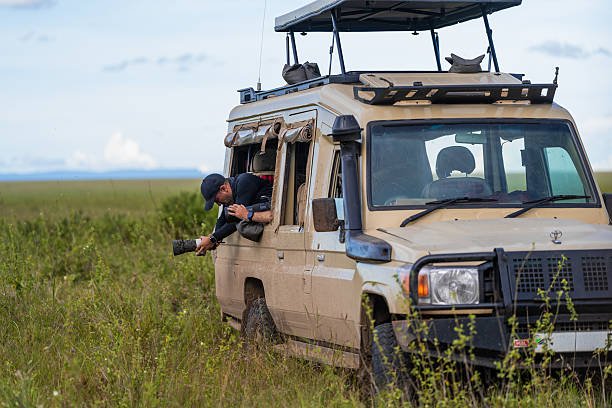
Vehicle Type: Our standard safari vehicles are 4×4 Land Cruisers, equipped with pop-up roofs for optimal game viewing and photography. This is crucial for spotting wildlife in varied terrain.
Guide Expertise: Our licensed guides are trained to track animals, understand their behavior, and ensure your safety while maximizing your viewing opportunities. Their knowledge is key to a successful Big Five hunt.
Photography: If photography is a priority, let us know. We can arrange for vehicles with specific features to enhance your photographic experience.
Frequently Asked Questions About Seeing the Big Five in Tanzania
Can I guarantee seeing the Big Five on a Tanzania safari?
No, you cannot guarantee sightings of the Big Five. They are wild animals in their natural habitat, and their movements are unpredictable. However, by visiting the best parks like the Serengeti and Ngorongoro Crater during the optimal season and with an experienced guide, your chances are significantly increased.
Which is the best park in Tanzania for seeing lions?
The Serengeti National Park is renowned for its large lion populations and offers excellent viewing opportunities. The Ngorongoro Crater also boasts a very high density of lions.
Is it easy to see leopards in Tanzania?
Leopards are the most elusive of the Big Five. They are solitary, nocturnal, and often rest in trees or dense bush. The Serengeti (especially around Seronera) and the Tarangire region offer good chances, but patience and a keen eye from your guide are essential.
What about seeing rhinos? Are they common?
Black rhinos are the rarest of the Big Five and are critically endangered. The Ngorongoro Crater is the most reliable place to see them in Tanzania. Sightings in other parks are infrequent.
How long should my safari be to maximize Big Five chances?
For a good chance of seeing all five, we recommend a minimum of 5 days, ideally focusing on the Serengeti and Ngorongoro Crater. A 7-day safari would allow for more in-depth exploration and a higher probability.
Can you do a Tanzania safari from Zanzibar?
Yes, it’s possible to take a safari from Zanzibar. Most commonly, this involves flying from Zanzibar to one of the mainland safari airstrips (like Seronera in the Serengeti or Manyara). This is a popular option for those combining a beach holiday with a wildlife experience. You can learn more about this option here: Can You Do A Tanzania Safari From Zanzibar By Flight? Your Guide 2026-2027.
Check Availability for Can You See The Big Five In Tanzania Safari Parks? Your Expert Guide…
Ready to compare dates, prices, and the best option for your group? Send the package name and travel month so the team can reply with a clear quote, availability, and what is included.

Tanzania Safari Packages With Airport Transfers And Hotel Nights Included
Planning a Tanzania safari? Discover comprehensive packages that bundle airport transfers and comfortable hotel stays, streamlining your journey from arrival to your first game drive. This...
View package details
Private Tanzania Safari With Flexible Daily Game Drive Schedules 2026-2027
Private Tanzania Safari with Flexible Daily Game Drive Schedules is explained with current 2026-2027 planning, price, itinerary and booking information.
View package details
Tanzania Safari Tours With Early Morning Game Drives Included 2026-2027
Tanzania Safari Tours with Early Morning Game Drives Included is explained with current 2026-2027 planning, price, itinerary and booking information.
View package details
Tanzania Safari Packages Ending With A Flight To Zanzibar: Your Ultimate Guide
Discover the perfect blend of thrilling wildlife encounters and idyllic island life with a Tanzania safari package that concludes with a flight to Zanzibar. This guide covers essential...
View package details
Tanzania Safari Tours With Kilimanjaro Airport Pickup Included 2026-2027
Seamlessly begin your Tanzanian adventure with a safari package that includes pickup directly from Kilimanjaro International Airport (JRO). This guide details what to expect, popular...
View package details
What Is The Total Cost Of A Tanzania Safari Without Hidden Fees? 2026-2027
What Is the Total Cost of a Tanzania Safari Without Hidden Fees? is explained with current 2026-2027 planning, price, itinerary and booking information.
View package details
Tanzania Safari Tours With All Park Fees Included In The Price 2026-2027
Tanzania Safari Tours with All Park Fees Included in the Price is explained with current 2026-2027 planning, price, itinerary and booking information.
View package details
Can I Book A Tanzania Safari Without Paying The Full Amount Upfront? Your
Planning a dream Tanzania safari for 2026-2027 but wondering about upfront payments? This guide explains how flexible payment options work with reputable tour operators, allowing you to...
View package detailsTanzania Safari Packages With Payment On Arrival Options: Your Guide 2026-2027
Explore Tanzania safari packages offering convenient payment on arrival options for your 2026-2027 adventure. This guide clarifies the process, benefits, and what to consider when booking...
View package detailsAfrica Tours & Travel, All Safari Booking In Tanzania 2026-2027
Africa Tours & Travel, All Safari Booking in Tanzania is explained with current 2026-2027 planning, price, itinerary and booking information.
View package details
2 Day Tanzania Safari – Tarangire, Ngorongoro And Short Packages 2026-2027
2 Day Tanzania Safari – Tarangire, Ngorongoro and Short Safari Packages is explained with current 2026-2027 planning, price, itinerary and booking.
View package details
Serengeti Safari From Mwanza: Best Route For Western Tanzania & 2026-2027
Discover the optimal routes for a Serengeti safari starting from Mwanza, focusing on the unique experiences offered by Western Tanzania and the Western Serengeti. This guide provides...
View package detailsNo closely related package is available yet for this topic.



