
Cultural tourism in Tanzania involving the Maasai, Hadzabe, and other local communities offers travelers direct engagement with distinct traditions, daily life, and ancient customs, providing a profound understanding of the nation’s diverse heritage.
This type of travel prioritizes respectful interaction, learning, and often, direct support for the communities visited. It moves beyond typical safaris to focus on human connection and cultural exchange. Planning such a trip requires careful consideration of ethical practices, the specific groups you wish to engage with, the best times to visit, and how to ensure your journey benefits both you and the local people.
Understanding Cultural Tourism in Tanzania
Tanzania is a mosaic of over 120 ethnic groups, each with unique languages, customs, and social structures. Cultural tourism here aims to showcase this rich diversity in a way that is authentic, respectful, and beneficial. Unlike standard safaris that focus on wildlife, cultural tours center on human interaction. This might involve visiting traditional villages, participating in daily activities, learning about local crafts, understanding agricultural practices, or hearing stories passed down through generations.
The key difference lies in the intent: conservation of culture and support for local livelihoods. For travelers, it means an opportunity for genuine connection, challenging preconceptions, and gaining a deeper appreciation for different ways of life. For the communities, it can provide economic opportunities, help preserve traditions, and foster pride in their heritage. When planning for 2026-2027, it’s important to choose operators who are committed to ethical engagement and community development.
Maasai Cultural Encounters: Warriors, Villages, and Traditions
The Maasai are perhaps Tanzania’s most globally recognized ethnic group, known for their distinctive red shuka (robes), beaded jewelry, and semi-nomadic pastoralist lifestyle. Cultural tourism centered around the Maasai often involves visiting a traditional Maasai village, or ‘boma’. These visits are typically arranged with local Maasai communities, ensuring that the experience is managed by them and that proceeds directly benefit the residents.
What to expect during a Maasai village visit:
- Welcome Ceremony: Often includes a traditional song and dance, featuring the famous Maasai ‘jumping dance’ (adumu), where warriors showcase their leaping ability.
- Village Tour: You’ll be shown the layout of the village, including the distinctive circular homes constructed from mud, dung, and thatch, and the kraals for livestock.
- Daily Life Insights: Learn about their roles in the community, from warriors (moran) responsible for protection to elders who hold decision-making power. Understand their deep connection to cattle, which are central to their economy and culture.
- Beadwork Demonstration: Maasai women are renowned for their intricate beadwork. You may have the opportunity to see them creating these beautiful items and purchase them directly, providing income.
- Cultural Exchange: Engage in conversations, ask questions (often facilitated by a guide), and learn about their beliefs, customs, and challenges in the modern world.
It’s crucial to approach these visits with respect. While many Maasai communities have embraced tourism, they are not exhibits. Opt for tours that emphasize genuine interaction rather than staged performances. For instance, a Maasai village cultural tour near Arusha, Tanzania, can be a convenient addition to a safari or Kilimanjaro trek, offering a concentrated dose of Maasai culture.
When considering Maasai village tours from Arusha, look for operators who work closely with specific communities, ensuring fair compensation and respectful protocols. The goal is mutual understanding, not just observation.
The Hadzabe: A Glimpse into an Ancient Hunter-Gatherer Lifestyle
The Hadzabe people, living around Lake Eyasi in northern Tanzania, represent one of Africa’s last remaining hunter-gatherer tribes. Their way of life, largely unchanged for millennia, offers a unique window into our ancestral past. A cultural tour to meet the Hadzabe is an incredibly profound experience, focusing on their survival skills, connection to the land, and unique language.
Key aspects of a Hadzabe cultural encounter:
- Hunting and Gathering: You might have the opportunity to join the Hadzabe on a morning hunt (which is not guaranteed and depends on their success and willingness to share), observing their incredible tracking abilities and use of bows and arrows. You’ll also see them gathering edible plants, roots, and berries.
- Fire Making: Witness the ancient skill of making fire by friction, a vital technique for their survival.
- Language: The Hadzabe language is characterized by its unique ‘click’ consonants, unlike any other language in the region.
- Community Life: Observe their communal living arrangements, often in simple shelters, and their egalitarian social structure.
- Authenticity: Unlike more commercialized cultural experiences, Hadzabe encounters are often raw and deeply authentic, requiring a flexible mindset and an appreciation for simplicity.
A Hadzabe cultural tour and bush experience at Lake Eyasi requires careful planning. The environment is remote, and the interactions are best facilitated by guides who have established trust with the community. It’s important to understand that this is their home, and their lifestyle is not performed for tourists. Visits are typically short, focusing on observation and learning rather than extended stays.
For those interested in the Lake Eyasi Hadzabe and Datoga village tour, combining it with a visit to the neighboring Datoga people (known for their blacksmithing and traditional attire) can offer a broader cultural perspective of the Lake Eyasi region. Ensure your chosen operator for 2026-2027 has a strong relationship with both groups.
For an in-depth look, consider a Lake Eyasi Tanzania authentic cultural tour that emphasizes respect for their traditions and minimal impact on their environment.
Engaging with Other Local Tanzanian Communities
Beyond the Maasai and Hadzabe, Tanzania is home to a multitude of other ethnic groups, each offering unique cultural experiences. Exploring these communities provides a more comprehensive understanding of the country’s social fabric.
- Datoga: Often encountered around Lake Eyasi, the Datoga are skilled pastoralists and artisans, particularly known for their ironwork. Visiting a Datoga blacksmith can be a fascinating insight into their craft.
- Chagga: Primarily found on the slopes of Mount Kilimanjaro, the Chagga are known for their agricultural prowess, particularly coffee cultivation. An agro-tourism Tanzania farm and coffee experience with cultural immersion offers a chance to learn about their farming methods and enjoy local brews.
- Swahili Coast Communities: Along the coast and on islands like Zanzibar and Pemba, Swahili culture is dominant, a blend of African, Arab, and Persian influences. Tours here might explore historic towns, local markets, and traditional crafts, as seen in a Pemba cultural tour and local village experience.
- Central Tanzania Communities: Areas like Kondoa offer insights into ancient rock art sites, providing a connection to Tanzania’s prehistoric past through Kondoa Rock Art Sites.
- Southern Highlands Communities: Regions like Iringa and Mbeya offer opportunities to explore rural life, local markets, and traditional hospitality, as found in Iringa cultural tours.
When planning your Tanzania cultural safari and local village tours for 2026-2027, consider diversifying your experiences to appreciate the breadth of Tanzanian cultures. Combining a Maasai village visit with a Chagga coffee farm tour, for example, offers a rich contrast.
Planning Your 2026-2027 Cultural Tourism Itinerary
Successful cultural tourism requires thoughtful planning. The best time to visit often depends on the specific communities and activities, but generally, the dry seasons (June to October and December to February) are more comfortable for travel across varied terrains.
Key planning considerations:
- Duration: Cultural visits can range from a few hours to a full day, or be integrated into longer multi-day itineraries. A dedicated Tanzania cultural safari: Maasai, Hadzabe & Datoga experience 2026-2027 might span 5-7 days to allow for meaningful interaction without rushing.
- Location: Decide which communities you are most interested in. Maasai villages are often accessible from Arusha and the northern safari circuit. The Hadzabe are near Lake Eyasi, requiring dedicated travel time. Other communities are spread across the country.
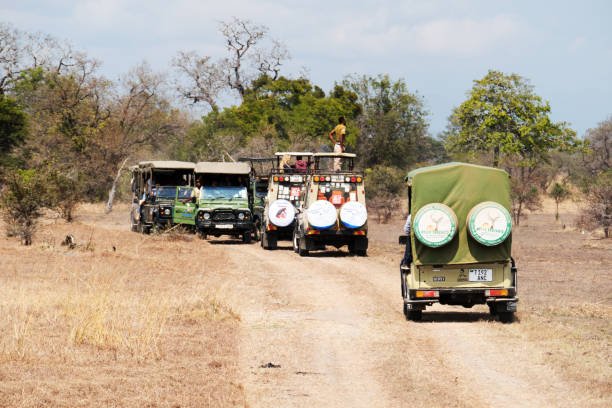
- Transportation: Access to many cultural sites, especially those of the Hadzabe, can be challenging and often requires a 4×4 vehicle. This is where a reputable tour operator is essential.
- Accommodation: Options can vary from basic campsites near villages to lodges and tented camps in more developed areas. For deep immersion, some tours might arrange homestays or basic accommodations within or near community lands.
- Guides: Employing local guides is paramount. They not only facilitate communication but also ensure respectful interaction and provide invaluable cultural context. Guides from companies like Top Guide Adventures are often from the local communities or have long-standing relationships with them.
- Customization: Your interests might range from ancient rock art, like the Kondoa Rock Art Walking Tour, to agricultural practices in the Mbeya Coffee and Highlands Cultural Tour. Tailoring your trip ensures it aligns with your expectations for 2026-2027.
Consider combining cultural experiences with other Tanzanian attractions. For example, a Tanzania cultural safari and local village tours can be part of a larger trip that includes national parks like Serengeti or Tarangire.
Ethical Considerations and Responsible Tourism Practices
Responsible cultural tourism is about minimizing negative impacts and maximizing positive ones. It’s crucial to engage with communities in a way that respects their dignity, privacy, and traditions.
Key Principles for Ethical Cultural Tourism:
- Respect Privacy: Always ask permission before taking photographs of people, especially children. Some communities may charge a small fee for photography.
- Support Local Economy: Purchase handicrafts directly from artisans. Ensure fair prices are paid, not just what you think is cheap.
- Avoid Exploitation: Be wary of tours that feel overly staged or exploitative. Authentic experiences prioritize genuine interaction.
- Learn and Listen: Approach visits with a desire to learn. Listen more than you speak, and be open to different perspectives.
- Environmental Impact: Minimize your footprint, especially in rural and natural settings. Follow Leave No Trace principles.
- Community Benefit: Choose tour operators who demonstrate clear benefit-sharing mechanisms with the communities they visit. This could include direct payments, community projects, or employment opportunities.
- Cultural Sensitivity: Dress modestly when visiting villages, and be mindful of local customs regarding greetings, eating, and social interactions.
For travelers planning their Maasai cultural experience or Hadzabe visit in 2026-2027, selecting a tour operator committed to these principles is non-negotiable. Top Guide Adventures prioritizes partnerships with communities that ensure respectful and mutually beneficial engagements.
Booking Your Maasai, Hadzabe, and Local Community Tour
Booking a cultural tour requires choosing a reliable and ethical operator. Top Guide Adventures, based in Moshi/Arusha, specializes in organizing authentic Tanzanian experiences, including interactions with the Maasai and Hadzabe. They leverage their local knowledge and established relationships to create meaningful journeys for 2026-2027.
When you contact us, be prepared to discuss:
- Your interests: Are you primarily interested in the Maasai, Hadzabe, or a broader range of cultural experiences?
- Your travel dates: Availability can vary, especially for tours involving remote communities.
- Your group size: This affects logistics and the potential impact on communities.
- Your budget: Cultural tours can be integrated into larger safari packages or booked as standalone day trips or multi-day excursions. Pricing is often based on group size, duration, and inclusions.
We can help craft an itinerary that balances cultural immersion with other Tanzanian highlights. Whether you’re looking for a Maasai village tour from Arusha with local cultural experience or a multi-day expedition to Lake Eyasi, our team is dedicated to providing an unforgettable and responsible adventure.
For a personalized quote and to discuss your cultural tourism plans for 2026-2027, please reach out to us. We are committed to ensuring your journey is not only exciting but also contributes positively to the communities you visit.
Contact Top Guide Adventures:
Email: topguideadventures@gmail.com
WhatsApp: +255 616 946 642
We look forward to helping you plan an authentic cultural exploration of Tanzania.
Check Availability for Cultural Tourism Tanzania: Maasai, Hadzabe, And Local Communities Explored
Ready to compare dates, prices, and the best option for your group? Send the package name and travel month so the team can reply with a clear quote, availability, and what is included.

Cultural Tours Tanzania: Maasai, Hadzabe, Datoga, Chagga & Village Experiences
start an unforgettable cultural journey through Tanzania, connecting with the Maasai, Hadzabe, Datoga, and Chagga peoples, alongside authentic local village experiences. This guide provides...
View package details
How Much Does A Hadzabe Tribe Tour Cost? Lake Eyasi Prices And Cultural
Planning a trip to interact with the Hadzabe people? This guide breaks down the typical costs for Hadzabe tribe tours around Lake Eyasi, detailing what influences prices, what’s usually...
View package details
Hadzabe Tribe Visit Lake Eyasi Cultural Tour: Hunting, Village Life & Datoga
Discover the authentic culture of the Hadzabe and Datoga people on a cultural tour to Lake Eyasi. This guide details the hunting practices, village life, and unique experiences awaiting you...
View package details
Hadzabe And Datoga Tribe Safari – Lake Eyasi Cultural Tour Traditional
Hadzabe and Datoga Tribe Safari – Lake Eyasi Cultural Tour and Traditional Experiences is explained with current 2026-2027 planning, price, itinerary and.
View package detailsTop 20 Richest Musicians In Africa – African Music, Cultural Festivals And
This article delves into the financial landscape of Africa's music industry by identifying and examining the net worth of the top 20 richest musicians on the continent. It explores the...
View package detailsBest New Artists To Discover At Music Festivals, Cultural Events, And Through
Explore the dynamic landscape of emerging music by uncovering new artists through the vibrant energy of global music festivals, enriching cultural events, and in-depth travel experiences...
View package detailsGhana Itinerary – Cultural Tours, Wildlife, Beaches And Historical
This guide offers a detailed exploration of Ghana, outlining a comprehensive itinerary that balances vibrant cultural experiences, opportunities for wildlife observation, significant...
View package detailsFreemason Documentary: Exploring Historic Masonic Buildings And Cultural
This article explores the intersection of Freemasonry, historical architecture, and cultural heritage, focusing on how documentaries illuminate the significance of Masonic buildings and...
View package details20 Fashion, Beauty, And Lifestyle Experiences: Markets, Shopping
Discover a curated selection of 20 distinct experiences that blend fashion, beauty, and lifestyle across global markets, shopping cities, and cultural encounters. This guide highlights...
View package detailsTop 10 Documentaries On Youtube – Travel, Wildlife, Nature And Cultural
Top 10 Documentaries on YouTube – Travel, Wildlife, Nature and Cultural Documentaries is explained with current 2026-2027 planning, price, itinerary and.
View package details20 Fashion, Beauty, And Lifestyle Experiences: Markets, Shopping Cities
Discover a curated selection of 20 fashion, beauty, and lifestyle experiences, blending the allure of global markets, sophisticated shopping cities, and enriching cultural travel.
View package detailsBest Gift Ideas For Men And Women: African Travel Gifts, Safari Souvenirs
Finding the perfect gift can be a rewarding experience, especially when it carries the spirit of adventure and culture. This guide explores the best gift ideas for both men and women...
View package detailsNo closely related package is available yet for this topic.



