
A fly-in safari combining the Serengeti and Ngorongoro Crater with Zanzibar offers an efficient and luxurious way to experience Tanzania’s premier wildlife destinations and its idyllic coast, ideal for travelers short on time or seeking maximum comfort for their 2026-2027 adventure. This itinerary typically involves flying between Kilimanjaro International Airport (JRO) or Arusha Airport (ARK) to airstrips within the Serengeti and near the Ngorongoro Conservation Area, significantly cutting down on long road journeys, before a final flight to Zanzibar for a relaxing beach escape.

Planning a trip that seamlessly blends the raw, untamed beauty of the Serengeti and the unique ecosystem of the Ngorongoro Crater with the exotic spice-scented air and turquoise waters of Zanzibar is a dream for many. A fly-in safari makes this dream remarkably accessible, transforming what could be days of bumpy travel into mere hours of scenic flight. This approach is particularly popular for those with limited vacation time or who prioritize comfort and speed. As you look towards planning your adventure for 2026 or 2027, understanding the nuances of this combined itinerary is key to crafting an unforgettable experience.
Your Fly-In Safari Serengeti & Ngorongoro to Zanzibar: The Essentials
The core appeal of a fly-in safari to Serengeti and Ngorongoro, followed by Zanzibar, lies in its time-saving and comfort-enhancing nature. Instead of enduring 8-10 hour drives between destinations, you’ll be whisked away by small aircraft, offering aerial views of the vast landscapes below. This allows for more time on the ground, whether you’re tracking the Great Migration in the Serengeti, descending into the Ngorongoro Crater for a concentrated Big Five viewing, or unwinding on the pristine beaches of Zanzibar.
Key components typically include:
- Internal Flights: Scheduled or chartered light aircraft flights connecting key points like Arusha/Kilimanjaro to Serengeti airstrips (e.g., Seronera, Kogatende), Ngorongoro Conservation Area airstrips, and finally to Zanzibar’s Abeid Amani Karume International Airport (ZNZ).
- Park Fees & Permits: Entrance fees for Serengeti National Park and the Ngorongoro Conservation Area are substantial and are usually bundled into your safari package.
- Accommodation: Options range from luxury lodges and tented camps in the Serengeti and Ngorongoro area to beachfront resorts and boutique hotels in Zanzibar. The choice significantly impacts the overall cost and experience.
- Transfers: Ground transfers from airstrips to your chosen accommodation and between game drive vehicles. In Zanzibar, transfers from the airport to your hotel are standard.
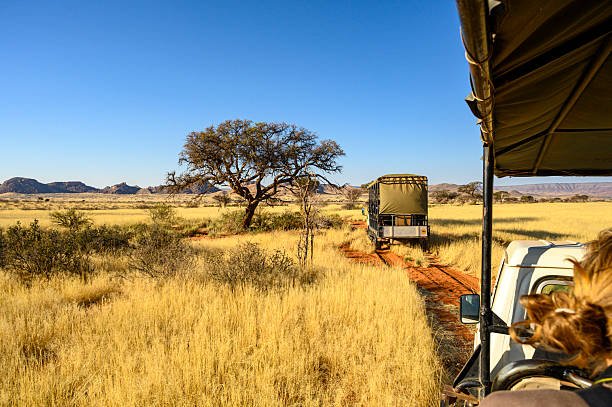
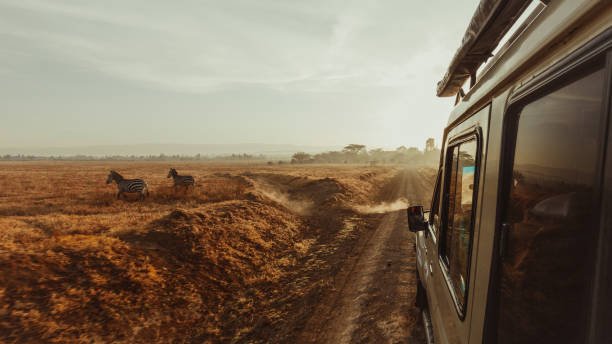
- Game Drives: Guided game drives in 4×4 safari vehicles within Serengeti and Ngorongoro, led by experienced local guides.
- Zanzibar Activities: Options can include snorkelling, diving, spice tours, Stone Town exploration, or simply relaxing by the ocean.
The primary decision you’ll make is the duration of your stay in each location and the style of accommodation you prefer, which directly influences the total cost. For instance, a 7-day itinerary might allocate 3 nights in the Serengeti, 2 in Ngorongoro, and 2 in Zanzibar. For 2026-2027, booking well in advance is crucial, especially for peak seasons like the Great Migration or popular holiday periods.
Crafting Your Itinerary: Serengeti, Ngorongoro, and Zanzibar Duration
Deciding how long to spend in each destination is a critical trade-off between seeing more and managing costs and time. The fly-in nature reduces travel time, making shorter trips more feasible, but for a truly in-depth experience, longer stays are recommended.
Serengeti National Park: The Heart of the Wild
The Serengeti is vast, and its wildlife, particularly the Great Migration (which moves year-round), is spread across its expanse. To truly appreciate the Serengeti’s scale and diversity, we recommend a minimum of 3 nights. This allows for exploration of different regions, such as the central Seronera area for resident wildlife or the northern/western corridors depending on the season. Staying longer, perhaps 4-5 nights, allows for deeper exploration and increases your chances of witnessing dramatic events like river crossings (seasonal) or successful predator hunts.
Ngorongoro Crater: A Natural Amphitheatre of Wildlife
The Ngorongoro Crater is a UNESCO World Heritage Site and home to an incredibly dense concentration of wildlife, including the endangered black rhino. Due to its contained nature, a single full day of game driving within the crater floor is often sufficient to see the majority of its inhabitants. Therefore, 1 to 2 nights staying at a lodge on the crater rim or just outside the conservation area is usually adequate. A 2-night stay offers a more relaxed pace, allowing for an afternoon game drive on arrival or a morning drive before departing.
Zanzibar: Island Paradise
After the adventure of a safari, Zanzibar offers a perfect change of pace. Most travelers opt for 3 to 5 nights in Zanzibar to enjoy its beaches, culture, and water activities. This duration allows for relaxation, exploration of Stone Town, and perhaps a spice tour or snorkelling trip. More time can be spent if you wish to explore different parts of the island or engage in more activities like diving.
Example Itinerary Lengths for 2026-2027:
- 7-Day Trip: 3 Nights Serengeti, 1 Night Ngorongoro, 3 Nights Zanzibar. This is a popular, well-rounded option.
- 9-Day Trip: 4 Nights Serengeti, 2 Nights Ngorongoro, 3 Nights Zanzibar. Offers a more in-depth safari experience.
- 11-Day Trip: 5 Nights Serengeti, 2 Nights Ngorongoro, 4 Nights Zanzibar. For those who want to fully experience themselves.
When booking for 2026-2027, consider the timing of the Great Migration if seeing it is a priority. This massive movement of wildebeest and zebras typically occurs in the Serengeti year-round, but specific locations vary. Early planning ensures you book lodges and flights in the right areas for your desired viewing experience.
Choosing Your Accommodation: Safari Lodges vs. Tented Camps & Zanzibar Stays
Your accommodation choices in both the safari circuit and Zanzibar will significantly shape your experience and budget. For fly-in safaris, proximity to airstrips is a practical consideration, though most operators will arrange transfers.
Serengeti & Ngorongoro Accommodation Styles
- Luxury Lodges: Offer opulent rooms, fine dining, swimming pools, and exceptional service. They provide a comfortable, high-end experience after a day of game drives. Examples include properties within the Serengeti and lodges perched on the Ngorongoro Crater rim.
- Tented Camps (Permanent & Mobile): Range from comfortable canvas tents with en-suite bathrooms and hot showers to more basic but authentic bush camps. Permanent camps offer a fixed location, while mobile camps follow the Great Migration, offering a more adventurous and closer-to-nature feel. These are excellent for immersing yourself in the sounds of the bush.
- Mid-Range Options: Comfortable hotels and lodges that offer good amenities without the ultra-luxury price tag.
For fly-in safaris, many travelers opt for lodges or high-end tented camps to complement the smooth travel experience. The choice between a lodge and a tented camp often comes down to personal preference: lodges offer more permanent facilities, while tented camps provide a more intimate connection with the wilderness.
Zanzibar Accommodation Styles
- Beachfront Resorts: From all-inclusive large resorts to smaller, boutique properties, these offer direct access to the stunning beaches, often with multiple dining options and activities.
- Boutique Hotels: Often found in Stone Town or smaller coastal villages, offering unique character, personalized service, and a more intimate atmosphere.
- Villas & Private Residences: Ideal for families or groups seeking privacy and self-catering options.
When planning for 2026-2027, consider booking your preferred Zanzibar accommodation early, as popular beachfront properties can fill up quickly, especially during peak seasons.
The Logistics of Flying: What to Expect
Flying between safari destinations and to Zanzibar involves specific considerations that differ from standard air travel. These small aircraft are essential for accessing remote areas.
Aircraft Types and Baggage Allowances
You’ll typically fly in light aircraft such as Cessna Caravans or Twin Otters, which carry between 6 to 12 passengers. These planes have strict baggage weight and size restrictions due to the aircraft’s capacity and the need for weight distribution. The standard allowance is usually 15 kg (33 lbs) per person in soft-sided duffel bags. Hard suitcases are generally not permitted. It’s vital to adhere to these limits to avoid issues at the airstrip. Your tour operator will advise on the exact specifications.
Airstrip Experience
Airstrip experiences are generally quite basic. You’ll land on unpaved or simple paved runways. There are no large terminals; often, you’ll disembark directly onto the tarmac. Your safari guide will usually be waiting for you at the designated airstrip with your safari vehicle, ready to begin your game drive or transfer you to your lodge or camp. This direct, no-fuss approach is part of the charm and efficiency of a fly-in safari.
Flight Scheduling and Flexibility
Flights are usually scheduled for the morning or early afternoon to take advantage of favorable weather conditions. Flights within the safari circuit are often scheduled to coincide with your arrival or departure from Arusha/Kilimanjaro, or between park locations. Flights to Zanzibar typically depart in the afternoon. While schedules are generally reliable, weather can occasionally cause delays or cancellations, particularly during the rainy seasons. Reputable operators like TOP GUIDE ADVENTURES monitor these conditions closely and will re-arrange flights if necessary, communicating any changes promptly.
For travel in 2026-2027, booking these internal flights as part of a package with a trusted operator ensures smooth coordination. They handle all the booking complexities and have established relationships with the charter companies.
Cost Considerations for Your Fly-In Safari & Zanzibar Trip
A fly-in safari to Serengeti and Ngorongoro, combined with Zanzibar, is generally more expensive than a road-based safari due to the cost of internal flights. However, the value comes from the time saved and the enhanced comfort.
Key Cost Drivers:
- Internal Flights: These are a significant portion of the cost, varying based on the number of flights and the charter company.
- Accommodation Level: Luxury lodges and high-end tented camps in the Serengeti and Ngorongoro, and upscale resorts in Zanzibar, will increase the price considerably. Mid-range and budget-friendly options are available but might involve fewer direct flights or more basic camps.
- Duration of Stay: Longer trips naturally incur higher costs for accommodation, park fees, and activities.
- Time of Year: Peak seasons (e.g., July-October for the Great Migration, December-February for calving season) often have higher rates and lower availability for 2026-2027.
- Number of Travelers: Private safaris are more expensive per person than group-joining tours, but offer more flexibility.
A rough estimate for a mid-range to luxury fly-in safari package for 7-9 days, including Serengeti, Ngorongoro, and Zanzibar, could range from $3,500 to $7,000+ per person, excluding international flights. Luxury packages with top-tier lodges can exceed $10,000 per person. Budget-conscious travelers might find options that reduce the number of internal flights or opt for more basic accommodations, but the fly-in component inherently adds to the cost.
What is typically included:
- Internal flights
- Park entrance fees
- Accommodation
- Meals (often full board on safari, B&B or half board in Zanzibar)
- Game drives in 4×4 vehicles with a professional guide
- Airport transfers in Zanzibar
- Crater service fees (for Ngorongoro)
What is usually excluded:
- International flights
- Visa fees
- Travel insurance
- Gratuities for guides and lodge staff
- Drinks and personal expenses
- Optional activities in Zanzibar (e.g., diving, spa treatments)
For a precise quote tailored to your 2026-2027 travel dates and preferences, it’s best to contact an expert operator. TOP GUIDE ADVENTURES can provide detailed breakdowns and customize packages to fit your budget and interests. Get in touch via WhatsApp +255 616 946 642 or Email topguideadventures@gmail.com.
Booking Your 2026-2027 Fly-In Safari & Zanzibar Trip
Securing your dream fly-in safari and Zanzibar holiday for 2026-2027 requires careful planning and early booking. The most sought-after lodges and camps, especially those with prime locations or unique offerings, get booked up months, sometimes over a year, in advance. This is particularly true for peak migration viewing times or popular holiday periods.
Why book with TOP GUIDE ADVENTURES? As local experts based in Moshi/Arusha, we have deep knowledge of Tanzania’s safari circuits and Zanzibar’s best offerings. We can:
- Customize itineraries perfectly to your interests, pace, and budget.
- Secure prime accommodation and internal flights well in advance.
- Provide local insights on the best times to visit specific areas for wildlife viewing.
- Handle all logistical complexities, ensuring a smooth journey from arrival to departure.
- Offer competitive pricing for high-quality experiences.
To start planning your unforgettable Fly-In Safari Serengeti Ngorongoro and Zanzibar adventure for 2026-2027, please contact us. Be sure to mention your preferred travel dates, number of travelers, desired accommodation style, and any specific interests (e.g., birding, photography, relaxation).
Contact TOP GUIDE ADVENTURES today:
WhatsApp: +255 616 946 642
Email: topguideadventures@gmail.com
Frequently Asked Questions
What is the best time of year for a fly-in safari to Serengeti and Ngorongoro, followed by Zanzibar?
The dry season, from June to October, is generally considered the best time for wildlife viewing in Serengeti and Ngorongoro, with clear skies and concentrated wildlife. The wildebeest migration is typically in the northern Serengeti during this period. Zanzibar enjoys warm, dry weather from June to October and again from December to February. For a combination, June to October offers excellent safari and good beach weather, though it’s peak season. For calving season (January-March), you’ll see the migration in the southern Serengeti, which is also a good time for birding and has pleasant weather. For 2026-2027, booking during these shoulder months (e.g., May, early June, late October, November) can offer a good balance of weather and fewer crowds.
Can I combine a fly-in safari with other parks like Tarangire or Lake Manyara?
Yes, absolutely. Many fly-in itineraries can be extended to include other Northern Circuit parks. Tarangire National Park is famous for its large elephant herds and baobab trees, and Lake Manyara is known for its tree-climbing lions and birdlife. Depending on your chosen duration and flight logistics, it’s possible to incorporate a day or two in these parks, often by flying into a closer airstrip or arranging ground transfers from Arusha before or after your main fly-in safari segment. This would require a longer overall trip, perhaps 10-12 days, to do justice to all destinations.
What should I pack for a fly-in safari and Zanzibar trip?
Pack light, neutral-colored clothing (khaki, beige, olive green) for safaris, as bright colors can scare wildlife. Include long-sleeved shirts and trousers for sun and insect protection, a warm fleece or jacket for cool mornings/evenings, comfortable walking shoes, a wide-brimmed hat, sunglasses, and high-SPF sunscreen. For Zanzibar, swimwear, light cotton clothing, sandals, and a light cover-up are essential. Don’t forget your camera, binoculars, a small backpack for day trips, and any personal medications. Remember the 15 kg (33 lbs) soft duffel bag limit for internal flights.
Is a fly-in safari safe?
Tanzania’s light aircraft operators are generally very reputable and adhere to strict safety standards. The pilots are experienced, and the aircraft are well-maintained. The safety of your safari experience also extends to the wildlife. Reputable operators like TOP GUIDE ADVENTURES work with experienced guides who understand animal behavior and maintain safe viewing distances. Always follow your guide’s instructions. For peace of mind on treks, operators like us also provide emergency oxygen and pulse oximeters, although these are less common on standard safaris unless specifically requested or for high-altitude treks.
Embarking on a fly-in safari adventure that combines the iconic wildlife spectacles of the Serengeti and Ngorongoro Crater with the serene beaches of Zanzibar is an unparalleled way to experience Tanzania. By leveraging air travel, you maximize your time immersed in impressive landscapes and incredible animal encounters, before transitioning to the tranquil shores of this spice island. Planning this journey for 2026-2027 with expert local guidance ensures every detail is covered, allowing you to focus on the magic of your Tanzanian adventure. For a personalized itinerary and smooth booking process, reach out to the specialists at TOP GUIDE ADVENTURES.
Check Availability for Fly-In Safari Serengeti & Ngorongoro To Zanzibar: Your Ultimate Tanzania
Ready to compare dates, prices, and the best option for your group? Send the package name and travel month so the team can reply with a clear quote, availability, and what is included.

Tanzania Classic Wildlife Safaris: Serengeti, Ngorongoro, Tarangire & Manyara
start an unforgettable Tanzania classic wildlife safari covering the iconic parks of Serengeti, Ngorongoro Crater, Tarangire, and Lake Manyara. These tours are designed to showcase the best...
View package details
Airport Security Rules In Tanzania: Luggage, Electronics & Travel Essentials
Understand Tanzania's airport security rules for luggage, electronics, and general travel requirements to ensure a smooth entry for your 2026-2027 safari or Zanzibar trip.
View package details
2 Day Tanzania Safari – Tarangire, Ngorongoro And Short Packages 2026-2027
2 Day Tanzania Safari – Tarangire, Ngorongoro and Short Safari Packages is explained with current 2026-2027 planning, price, itinerary and booking.
View package details
Serengeti Safari From Mwanza: Best Route For Western Tanzania & 2026-2027
Discover the optimal routes for a Serengeti safari starting from Mwanza, focusing on the unique experiences offered by Western Tanzania and the Western Serengeti. This guide provides...
View package details
Great Serengeti Migration Safaris In Tanzania: Best Routes, Seasons &
Discover the magic of the Great Serengeti Migration with Top Guide Adventures. This guide covers the best routes, optimal seasons for wildlife viewing, and essential planning tips for your...
View package details
How To Visit Southern Serengeti For Calving Season – Ndutu Safari, Timing And
Visiting the Southern Serengeti during the calving season in Ndutu offers an unparalleled wildlife spectacle. This guide details the optimal timing, essential logistics, and what to...
View package details
Best 5 Day Private Safari Tour From Mwanza: Serengeti & Western Tanzania
start an unforgettable 5-day private safari adventure starting from Mwanza, Tanzania. This expertly crafted itinerary blends the iconic wildlife viewing of the Serengeti with the distinct...
View package details
Cheap Flights To Zanzibar – Best Routes, Airlines And Holiday Packages Guide
Planning a trip to Zanzibar on a budget? This guide unpacks the best routes, airlines, and holiday package options for securing cheap flights to Zanzibar for your 2026-2027 travels...
View package details
Rubondo Island National Park Prices In Tanzania – Safari Fees, Chimpanzee
Understanding Rubondo Island National Park prices is key to planning your Tanzanian adventure. Costs vary based on accommodation, activities like chimpanzee trekking, and safari duration...
View package detailsAfrica Tours & Travel, All Safari Booking In Tanzania 2026-2027
Africa Tours & Travel, All Safari Booking in Tanzania is explained with current 2026-2027 planning, price, itinerary and booking information.
View package detailsTop Car Brands Known For Reliability – Best Vehicles Road Trips, Safari
Top Car Brands Known for Reliability – Best Vehicles for Road Trips, Safari and Adventure Travel is explained with current 2026-2027 planning, price.
View package detailsMost Beautiful Countries In The World: Safari, Nature, And Adventure Travel
This guide explores the most beautiful countries globally, focusing on destinations that offer unparalleled opportunities for safari, nature immersion, and adventurous pursuits. From the...
View package detailsNo closely related package is available yet for this topic.



