
Visiting the Isimila Stone Age Site in Tanzania involves travelling to the Iringa Region, typically as part of a broader Southern Tanzania itinerary, and requires planning for transport, accommodation, and guided exploration to fully appreciate its significant prehistoric discoveries.

Location and Access
The Isimila Stone Age Site is situated in the Iringa Region of southern Tanzania, approximately 20 kilometers southwest of the town of Iringa itself. This remote location is part of what makes it such a compelling destination for those interested in prehistory, as it remains relatively untouched by mass tourism. Reaching Isimila requires a deliberate journey, as it’s not a place you can easily stumble upon. The nearest major transport hubs are Iringa town, which has basic airport facilities and is a significant stop on the road network connecting Dar es Salaam to other parts of the country, and potentially the Songwe Airport (Mbeya Airport) further south, though Iringa is more directly relevant.
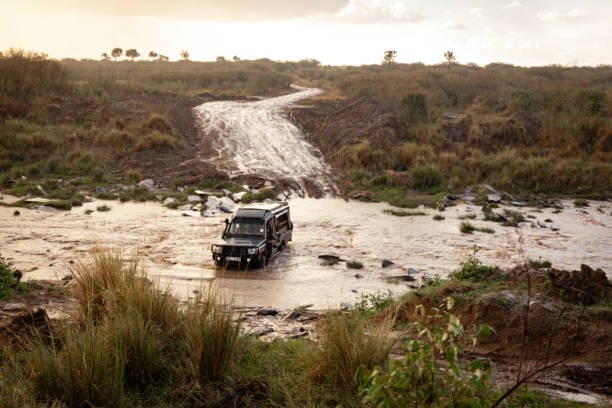
Access to the site itself from Iringa town is primarily via a dirt road. While this road is generally passable for standard vehicles during the dry season, it can become challenging, especially for smaller cars, during the rainy months. Therefore, the most reliable way to visit Isimila is by arranging transport with a local tour operator who can provide a sturdy 4×4 vehicle and an experienced driver familiar with the terrain. This ensures not only your comfort and safety but also your ability to reach the site regardless of recent weather conditions. Many visitors choose to combine a trip to Isimila with exploring other attractions in the Iringa area, such as the Isimila Pillars (which are distinct from the Stone Age site but in the same general vicinity) or the town of Iringa itself, which has historical significance and local markets.
Best Time to Visit
The best time to plan your visit to the Isimila Stone Age Site for 2026-2027, and indeed any year, generally aligns with Tanzania’s dry seasons. These periods offer the most favorable conditions for travel, particularly given the nature of the access roads. Tanzania experiences two main dry seasons: the longer dry season runs from June to October, and a shorter one typically occurs from December to February. During these months, the dirt roads leading to and around the site are at their most navigable, reducing the risk of getting stuck and ensuring a smoother journey.
The rainy seasons, which usually span from March to May and again from November to early December, can make the unpaved roads muddy and difficult to traverse. While a determined operator with a robust 4×4 can still manage, it’s a less comfortable experience and increases the chances of delays or route changes. Beyond road conditions, the dry seasons also mean more pleasant weather for exploring the site on foot. Temperatures are generally moderate, and there’s less humidity. For those interested in combining Isimila with wildlife viewing in nearby parks, the dry season is also prime time for game viewing as animals congregate around water sources. Therefore, for the optimal experience in 2026 or 2027, aim for the June-October window.
What to Expect at the Site
Isimila Stone Age Site is not a typical tourist attraction with polished visitor centers and interpretive displays. Instead, it offers a raw, authentic glimpse into human prehistory. The site is characterized by its unique geological formations, including striking pillars and canyons, which have been shaped by erosion over millennia. It’s within these ancient landscapes that archaeologists discovered a significant collection of Stone Age tools, dating back hundreds of thousands of years. These artifacts provide crucial insights into the lives of early hominids and their technological advancements.
When you visit, expect to be guided by a local expert or archaeologist who can point out the key areas of discovery and explain the significance of the findings. You won’t see the actual artifacts on display at the site itself; these are typically housed in museums. Instead, the experience is about understanding the context of the discoveries within the dramatic natural setting. You’ll be walking through the landscape, imagining the lives of our ancestors who once inhabited this area. The site is largely undeveloped, so wear sturdy footwear suitable for uneven terrain. The scale of the geological formations is impressive, and the sense of stepping back in time is profound. It’s an educational and awe-inspiring experience for anyone fascinated by human origins.
Logistics and Transport
Arranging logistics for Isimila Stone Age Site requires careful consideration, as it’s not a destination with readily available public transport or on-demand services. The most practical and recommended approach for 2026-2027 is to book a tour package that includes transportation from a nearby city like Iringa or even Arusha or Dar es Salaam, depending on your overall itinerary. A reputable local tour operator like Top Guide Adventures can handle all these arrangements.
Transportation Options:
- Private Tour with 4×4 Vehicle: This is the most comfortable and reliable option. A tour operator will arrange a dedicated 4×4 vehicle and an experienced driver who knows the routes. This allows for flexibility and ensures you can reach the site even after rain. This is often part of multi-day tours focused on Southern Tanzania or archaeological sites.
- Self-Drive (with Caution): If you are an experienced driver with a sturdy 4×4 vehicle and a good GPS, you might consider driving yourself from Iringa. However, this carries risks, especially during the rainy season. It’s advisable to check local road conditions before setting off.
- Combination Tours: Many visitors opt for longer tours that include Isimila. For example, a 6-day Isimila Stone Age Site and Southern Tanzania Tour or a 5-day Isimila Stone Age Site and Iringa Heritage Tour are excellent ways to experience the site and its surroundings without the stress of independent logistics.
Accommodation: Accommodation options are limited directly at the site. Most visitors stay in Iringa town, which offers a range of hotels and guesthouses from budget to mid-range. If you’re on a multi-day tour, your accommodation will be arranged as part of the package, which might include lodges or tented camps closer to other attractions in the region.
Guides: Hiring a local guide at the site is highly recommended. They possess invaluable knowledge about the archaeology and geology, enriching your understanding of the site’s significance. Many tour operators include guided services in their packages.
Booking Tip for 2026-2027: Given the logistical considerations, booking your Isimila Stone Age Site visit through a specialist operator like Top Guide Adventures is strongly advised. They can coordinate transport, guides, and accommodation, ensuring a smooth and insightful experience. Contact them via WhatsApp +255 616 946 642 or Email topguideadventures@gmail.com to discuss your travel plans.
Practical Preparation and What to Pack
Proper preparation is key to enjoying your visit to Isimila Stone Age Site, especially considering its remote nature and the type of exploration involved. Think practical and comfortable when packing.
Essential Items to Pack:
- Sturdy Walking Shoes: The terrain is uneven, with rocks and dirt paths. Comfortable, closed-toe hiking boots or sturdy trainers are a must.
- Lightweight, Breathable Clothing: Tanzania can be warm, even during drier months. Pack layers of clothing made from natural fibers or moisture-wicking materials. Long sleeves and trousers are advisable for sun protection and to guard against insects.
- Sun Protection: A wide-brimmed hat, sunglasses, and high-SPF sunscreen are essential. The sun can be intense, especially in open areas.
- Insect Repellent: While not a primary malaria zone, it’s always wise to have repellent, especially if you plan to stay overnight or visit during dusk or dawn.
- Water Bottle and Hydration: Carry plenty of water. Staying hydrated is crucial, particularly when walking and exploring under the sun. Consider a reusable water bottle.
- Camera and Extra Batteries/Power Bank: You’ll want to capture the dramatic landscapes and unique formations. Ensure you have enough power for your devices.
- Small Backpack: For carrying water, snacks, camera, and other essentials during your exploration.
- Basic First-Aid Kit: Include any personal medications, plasters, antiseptic wipes, and pain relievers.
- Rain Gear (Seasonal): If traveling during or just after the rainy season, a light, packable waterproof jacket or poncho is a good idea.
Important Considerations:
- Confirm Itinerary: Before confirming any bookings for 2026-2027, clearly understand what is included in your tour package. Ensure transport, guide services, and any entrance fees are covered.
- Physical Fitness: While not strenuous trekking, the site involves walking on uneven ground. A moderate level of fitness is beneficial.
- Cash: While most tours are prepaid, having some local currency (Tanzanian Shillings) for small purchases, tips, or unexpected needs is always prudent.
Common Mistakes to Avoid
Visiting Isimila Stone Age Site is a unique experience, but certain common missteps can detract from it. Being aware of these can help you make the most of your trip for 2026-2027.
- Underestimating the Travel Time: Isimila is not a quick day trip from Arusha or Moshi. It requires significant travel time, often involving an overnight stay in or near Iringa. Factor this into your overall itinerary.
- Not Booking in Advance: Especially for 2026-2027 travel, booking your transport and guide well in advance is crucial. This is not a place where you can easily arrange services upon arrival, particularly if you are not based in Iringa.
- Ignoring Weather Conditions: Attempting to visit during the peak of the rainy season without proper 4×4 transport and an experienced driver can lead to a frustrating or impossible journey. Always check conditions and consult with your tour operator.
- Expecting a Museum-Like Experience: Isimila is an archaeological site, not a museum. The value is in the landscape, the context, and the understanding of where the artifacts were found. Manage your expectations accordingly.
- Not Hiring a Local Guide: While you can wander the site, the archaeological significance will be largely lost without an expert to explain it. The insights provided by local guides are invaluable.
- Forgetting Essentials: Due to its remoteness, you won’t find shops or facilities near the site. Ensure you carry all necessary water, snacks, and personal items.
Combining Your Visit with Other Attractions
Isimila Stone Age Site offers a unique window into prehistory, but Tanzania is a land of incredible diversity. Planning your trip for 2026-2027 to include Isimila alongside other destinations can create a richer, more comprehensive travel experience.
Nearby Attractions in the Iringa Region:
- Isimila Pillars: Located in the same general area as the Stone Age site, these are striking natural rock formations, distinct from the archaeological findings but equally impressive.
- Iringa Town: Explore the local markets, historical buildings from the colonial era, and the Iringa Boma (cultural center).
- Ruaha National Park: As one of Tanzania’s largest and most remote national parks, Ruaha offers incredible wildlife viewing opportunities, particularly for elephants and predators. It’s a fantastic add-on for a safari component. A 7-day Isimila Stone Age History and Safari Adventure perfectly blends these experiences.
- Kolo Kolo Cultural Heritage Site: Offers insights into local traditions and history.
Broader Southern Tanzania Itineraries:
Isimila can be a key stop on longer tours exploring southern Tanzania. These tours often connect with destinations like:
- Mikumi National Park: Known for its accessibility and good wildlife viewing.
- Selous Game Reserve (Nyerere National Park): Famous for its boat safaris, walking safaris, and vast wilderness.
- Udzungwa Mountains National Park: Ideal for hiking, birdwatching, and exploring unique forest ecosystems.
For those looking for a comprehensive archaeological and cultural journey, consider combining Isimila with other significant heritage sites in Tanzania, such as the Kondoa Rock Art Sites (a UNESCO World Heritage site) or Olduvai Gorge, though the latter is in a different region (Serengeti ecosystem). A 4-day Isimila Stone Age Site Archaeology and Cultural Tour provides a focused look at the site and its immediate cultural context.
When planning your 2026-2027 adventure, discussing your interests with a local expert like Top Guide Adventures is invaluable. They can help craft an itinerary that balances your desire to explore prehistoric sites like Isimila with the stunning natural beauty and wildlife that Tanzania offers. Reach out via WhatsApp +255 616 946 642 or Email topguideadventures@gmail.com to start planning your unique Tanzanian journey.
Check Availability for How To Visit Isimila Stone Age Site Tanzania: Your Expert Planning Guide
Ready to compare dates, prices, and the best option for your group? Send the package name and travel month so the team can reply with a clear quote, availability, and what is included.

6 Day Isimila Stone Age Site And Southern Tanzania Tour | Top Guide Adventures
start a 6-day journey combining the ancient wonders of Isimila Stone Age Site with the untamed beauty of Southern Tanzania's national parks. This itinerary offers a unique blend of…

Isimila Stone Age Site Tours: Your Guide To Prehistoric Tanzania 2026-2027
Isimila Stone Age Site tours offer a unique journey into Tanzania's prehistoric past, showcasing ancient tools and human evolution. These excursions typically involve guided explorations of…

Best Isimila Stone Age Site Tours And Archaeological Experiences For 2026-2027
Explore the ancient wonders of the Isimila Stone Age Site with curated tours and archaeological experiences designed for 2026-2027. This guide helps you choose the best way to witness…
5 Day Isimila Stone Age Site And Iringa Heritage Tour 2026-2027
Discover the prehistoric wonders of Isimila Stone Age Site and the historical depth of Iringa on this comprehensive 5-day cultural journey. Perfect for history enthusiasts and cultural…

4 Day Isimila Stone Age Site Archaeology And Cultural Tour 2026-2027
start a 4-day journey into Tanzania's prehistoric past with the Isimila Stone Age Site Archaeology and Cultural Tour. This itinerary is designed for history enthusiasts and curious…

3 Day Isimila Stone Age Site History Tour | Top Guide Adventures 2026-2027
start a 3-day historical journey to the Isimila Stone Age Site with TOP GUIDE ADVENTURES. This tour offers a deep look at prehistoric Tanzania, exploring ancient tools and unique geological…

How To Visit Kondoa Rock Art Sites Tanzania: Your Expert Planning Guide
Discover how to visit the UNESCO World Heritage Kondoa Rock Art Sites in Tanzania. This guide covers essential planning details, from getting there to understanding the ancient artwork…
No closely related package is available yet for this topic.



