
Visiting Lake Nyasa, Tanzania, involves understanding its remote location in the southern part of the country and planning logistics accordingly, typically focusing on towns like Mbeya or Kyela as gateways to access its pristine shores and unique cultural experiences. The best time to visit is during the dry seasons, from June to October and December to February, to enjoy pleasant weather for beach activities and exploration. Planning your trip requires considering transport options, accommodation styles, and the specific activities you wish to pursue, whether it’s diving, snorkeling, visiting local fishing villages, or simply relaxing by the lake.
Lake Nyasa, also known as Lake Malawi in neighboring Malawi and Ruvuma River in Mozambique, is the third-largest lake in Africa and a UNESCO World Heritage Site renowned for its exceptional biodiversity, particularly its hundreds of endemic cichlid fish species. For travelers seeking an off-the-beaten-path experience in Tanzania, the Tanzanian side of Lake Nyasa offers stunning, undeveloped beaches, vibrant local life, and a more tranquil atmosphere compared to its more developed Malawian counterpart. This guide focuses on how to make the most of a visit to this magnificent freshwater sea within Tanzania, covering everything from getting there to what to do, with planning advice relevant for 2026-2027.
Getting to Lake Nyasa: Routes and Entry Points
Accessing Lake Nyasa from within Tanzania primarily involves traveling to the southern regions. The most common gateway towns are Mbeya and Kyela. Mbeya is a major city in the Southern Highlands, accessible by road from Dar es Salaam or by air (though flights can be infrequent and costly). From Mbeya, you can arrange onward transport to the lake. Kyela, a smaller town closer to the lake, is often the preferred entry point for reaching the lakeside settlements.
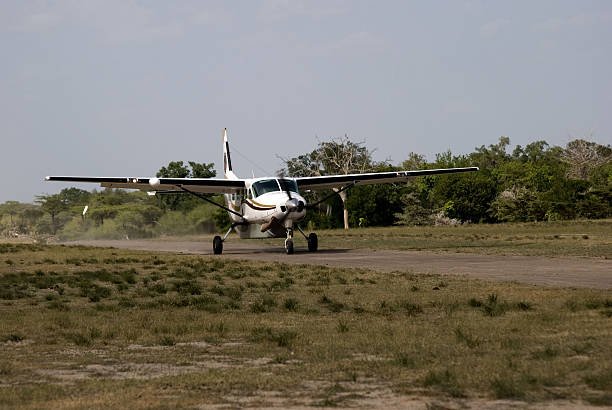
The journey from Dar es Salaam to Mbeya is a significant overland trip, typically taking 10-12 hours by bus. For those flying, Mbeya has an airport (Mbeya Airport – MBI), but flight schedules are not as regular as for major tourist hubs. Once in Mbeya, local transport, often in the form of minibusses (daladalas) or shared taxis, can take you to Kyela. The road from Mbeya to Kyela is generally in reasonable condition but can be rough in parts, especially during the rainy season.
Alternatively, if you are coming from Malawi, crossing the border at Kasumulu (near Kyela) is a viable option. This route is more direct if your overall itinerary includes Malawi. For travelers arriving in Tanzania from other regions, consider combining your Lake Nyasa visit with a safari in Ruaha National Park or exploring the Southern Highlands, making the journey more efficient.
Key Entry Points:
- Kyela: The primary town on the Tanzanian shore, offering access to smaller villages and beaches. It’s a bustling hub where you can find basic amenities and arrange local transport.
- Mbeya: A larger city offering more transport options and services, serving as a staging point for reaching Kyela and the lake.
For those planning an extended trip in 2026 or 2027, booking flights to Kilimanjaro International Airport (JRO) or Julius Nyerere International Airport (DAR) in Dar es Salaam and then arranging ground transport or domestic flights to Mbeya is the most common approach for international visitors.
When to Plan Your Lake Nyasa Adventure (2026-2027)
Lake Nyasa experiences distinct wet and dry seasons, which significantly impact the travel experience. Understanding these patterns is crucial for planning your visit in 2026-2027 to maximize enjoyment and minimize travel disruptions.
Dry Seasons (Ideal for Visiting):
- June to October: This is the prime dry season. Expect sunny days, lower humidity, and comfortable temperatures, making it perfect for beach relaxation, swimming, snorkeling, and exploring villages. The lake is generally calm, and roads are in good condition. This period is also popular for general tourism in Tanzania, so booking accommodation and transport in advance for 2026-2027 is advisable.
- December to February: This is the shorter dry season, often referred to as the “short rains” season or a brief dry spell within the long rainy season. It can offer pleasant conditions, but occasional showers are possible. It’s a good time to visit if you prefer fewer crowds, but be prepared for potential rain.
Rainy Seasons (Less Ideal for Visiting):
- March to May (Long Rains): This is the peak rainy season. Heavy downpours are common, which can make road travel difficult and sometimes impassable, especially for unpaved routes. Many lodges and guesthouses might close or operate with reduced services. While the landscape is lush, outdoor activities can be significantly hampered.
- November to December (Short Rains): The start of the rainy season. While not as intense as the long rains, expect sporadic showers that can affect visibility and outdoor plans.
For most visitors aiming for a relaxing beach holiday or active water sports in 2026 or 2027, the June to October window offers the most reliable weather. If you’re interested in birdwatching or seeing the landscape at its greenest and don’t mind occasional rain, the shoulder months of November or early March might be considered, but with caution.
Navigating the Lake: Local Transport and Accommodation
The infrastructure around the Tanzanian side of Lake Nyasa is less developed than in many other tourist areas of Tanzania. This means transport and accommodation require a flexible and adventurous mindset.
Getting Around:
- Local Buses/Minibusses (Daladalas): These are the most common and economical way to travel between towns like Kyela and smaller lakeside villages. They can be crowded and journeys can be slow, but they offer a genuine local experience.
- Shared Taxis/4x4s: For slightly more comfort or access to rougher roads, hiring a shared taxi or a 4×4 vehicle is an option. Negotiate prices beforehand.
- Boat Travel: While less common for organized tourism than on Lake Victoria, local boats can sometimes be hired for shorter trips between villages or to reach more secluded spots along the coast. This is not a primary mode of transport for general tourist routes.
Accommodation:
Accommodation options on the Tanzanian side of Lake Nyasa are generally simpler and more rustic. You won’t find large resorts or luxury hotels. Instead, expect:
- Basic Guesthouses and Lodges: Found in towns like Kyela and smaller villages. These offer clean rooms, often with en-suite bathrooms, but amenities are basic.
- Homestays: For a truly in-depth experience, some local communities might offer homestay opportunities, allowing you to connect with residents and understand their way of life. This usually needs to be arranged in advance, often through local contacts or tour operators.
- Camping: In designated or permitted areas, camping can be an option, especially for more intrepid travelers.
Booking Considerations for 2026-2027:
Due to the limited options and remote nature, it’s highly recommended to book your accommodation and any necessary transport in advance, especially if traveling during the peak dry season (June-October 2026/2027). Working with a local tour operator like Top Guide Adventures can simplify these arrangements significantly, ensuring you have confirmed bookings and reliable transport.
Experiences and Activities: Beyond the Beach
Lake Nyasa offers more than just picturesque beaches. Its cultural richness and unique aquatic environment provide a variety of engaging activities.
Discovering Aquatic Life:
- Snorkeling and Diving: The lake is famous for its cichlid fish, with hundreds of endemic species. While the Tanzanian side is less developed for diving operations than Malawi, opportunities exist for snorkeling in clear waters. Exploring the underwater world is a highlight for many visitors.
- Swimming: The lake’s freshwater makes it ideal for swimming. Many of the beaches offer calm, shallow areas perfect for a refreshing dip.
Cultural Immersion:
- Village Visits: Engage with local fishing communities. Witness traditional fishing methods, learn about daily life, and experience the warm hospitality of the Nyakyusa people who inhabit the region. Many tours can arrange visits to villages like Nsungu or Ikola.
- Local Markets: Experience the vibrant atmosphere of local markets, where you can find fresh produce, handicrafts, and interact with residents.
- Traditional Crafts: Observe or even participate in traditional crafts such as basket weaving or pottery.
Nature and Landscapes:
- Birdwatching: The lake and its surrounding areas attract a variety of bird species, making it a good destination for avid birdwatchers.
- Hiking and Nature Walks: Explore the hills and valleys surrounding the lake for scenic views and encounters with local flora and fauna.
- Relaxation: Simply unwind on the sandy shores, enjoy the sunsets over the vast expanse of water, and soak in the tranquil atmosphere.
Specialized Tours:
For those interested in specific experiences, consider tours that focus on marine biology, cultural exchanges, or even short fishing excursions. Top Guide Adventures can help tailor itineraries for 2026-2027 that include these unique aspects of Lake Nyasa. For example, a 7 Day Lake Nyasa Tanzania Beach Holiday And Adventure 2026-2027 or a 5 Day Lake Nyasa Tanzania Beach And Nature Holiday 2026-2027 can be customized to your interests.
Preparing for Your Lake Nyasa Journey
A successful trip to Lake Nyasa requires thorough preparation, especially given its remote nature. Here are key aspects to consider for your 2026-2027 travels:
Packing Essentials:
- Lightweight Clothing: Breathable fabrics are essential for the warm climate. Include long-sleeved shirts and trousers for sun protection and evenings.
- Swimwear: For enjoying the lake.
- Sun Protection: High SPF sunscreen, a wide-brimmed hat, and sunglasses are crucial.
- Insect Repellent: Especially important for evenings and near marshy areas.
- Comfortable Walking Shoes: For exploring villages and any nature walks.
- Sandals/Flip-flops: For relaxing on the beach.
- Basic First-Aid Kit: Include antiseptic wipes, plasters, pain relievers, and any personal medications.
- Camera and Power Bank: Electricity can be unreliable in remote areas.
- Reusable Water Bottle: To minimize plastic waste. Consider a water purification method if you are concerned about tap water.
- Small Dry Bag: Useful for protecting electronics during boat trips or if unexpected rain occurs.
Health and Safety:
- Malaria Prevention: Lake Nyasa is a malaria-endemic area. Consult your doctor about appropriate antimalarial medication well in advance of your trip.
- Vaccinations: Ensure routine vaccinations are up-to-date, and discuss any specific travel-related vaccines (e.g., Yellow Fever) with your healthcare provider.
- Hydration: Drink plenty of bottled or purified water. Avoid tap water unless you are certain it has been properly treated.
- Sunburn: The equatorial sun is intense. Be diligent with sun protection.
- Water Safety: Swim in designated areas and be aware of local conditions.
- Travel Insurance: Comprehensive travel insurance is essential, covering medical emergencies, evacuation, and trip cancellations.
Currency and Communication:
- The local currency is the Tanzanian Shilling (TZS). USD are widely accepted for larger payments or by tour operators, but it’s good to have local currency for smaller purchases in markets and villages.
- Mobile phone reception can be spotty outside of the main towns like Kyela. Consider purchasing a local SIM card (e.g., Vodacom, Tigo) upon arrival in Tanzania for better connectivity, though coverage at the lake itself may be limited.
Most nationalities require a visa to enter Tanzania. This can often be obtained online in advance or upon arrival at major international airports. Check the latest requirements with the Tanzanian Embassy or Consulate in your country before traveling for 2026-2027.
Common Pitfalls to Avoid When Visiting
To ensure a smooth and enjoyable experience at Lake Nyasa, be aware of potential challenges and how to navigate them:
Logistical Challenges:
- Underestimating Travel Times: Journeys to and around Lake Nyasa are often longer and more arduous than anticipated. Factor in ample buffer time for all transfers.
- Lack of Pre-Booking: Especially for accommodation and any specialized tours, booking in advance is critical, particularly during the dry season (June-October 2026/2027). Last-minute arrangements can be difficult or impossible.
- Unreliable Transport: Local transport can be unpredictable. Be prepared for delays or changes to schedules. Having a local contact or tour operator can mitigate this.
Cultural Sensitivity:
- Inappropriate Dress: While beachwear is fine at the lake, dress modestly when visiting villages or interacting with locals away from the immediate tourist areas. Shoulders and knees should be covered.
- Photography: Always ask for permission before taking photos of people, especially children.
- Respect Local Customs: Be mindful of local traditions and social norms. A friendly greeting and a respectful attitude go a long way.
Expectation Management:
- Limited Amenities: Do not expect the level of luxury or infrastructure found in more established tourist destinations. Embrace the rustic charm and simplicity.
- Connectivity Issues: Be prepared for limited internet and mobile phone service outside of the main towns.
- Pace of Life: Things move at a slower pace. Patience is key.
By anticipating these common issues and preparing accordingly, your visit to Lake Nyasa in 2026-2027 will be much more rewarding. For personalized planning and to avoid these pitfalls, reaching out to experts like Top Guide Adventures is highly recommended.
Exploring Other Tanzanian Lakes
While Lake Nyasa offers a unique, tranquil experience, Tanzania is blessed with other magnificent lakes, each providing a distinct flavor of adventure and natural beauty. If your travel plans in 2026-2027 allow, consider exploring these:
- Lake Victoria: Africa’s largest lake, offering vibrant island life (like Ukerewe Island), bustling fishing communities, and opportunities to witness traditional dhow sailing. It’s a hub of activity and culture, quite different from the serene Lake Nyasa. Learn more about visiting Lake Victoria Tanzania Travel Guide.
- Lake Tanganyika: The world’s longest freshwater lake, renowned for its clear waters and abundant marine life, including unique cichlids. The western shores, particularly near Kigoma, offer access to chimpanzee trekking in Gombe Stream National Park and Mahale Mountains National Park. Explore options for Lake Tanganyika Tanzania Travel Guide.
- Lake Natron: Famous for its striking red waters and as a breeding ground for Lesser Flamingos. It’s a dramatic, arid landscape dominated by the imposing Ol Doinyo Lengai volcano. It’s a destination for the adventurous, often combined with safaris. Discover more in the Lake Natron Tanzania Travel Guide.
- Lake Eyasi: Located near the Ngorongoro Conservation Area, this lake is a gateway to experiencing the traditional lifestyles of indigenous tribes like the Hadzabe (bushmen) and Datoga. It offers deep cultural immersion. Read about Lake Eyasi Tanzania: Your Travel Guide.
- Lake Ngozi: A beautiful crater lake in the Mbeya region, known for its stunning scenery and the local legends surrounding it. It’s a popular spot for day trips and short hikes. You can find details in the How To Visit Lake Ngozi From Mbeya Tanzania guide.
Each of these lakes provides a unique window into Tanzania’s diverse geography and cultures. Whether you are drawn to the vibrant life of Lake Victoria, the deep waters and chimpanzees of Lake Tanganyika, the stark beauty of Lake Natron, the cultural encounters at Lake Eyasi, or the serene crater of Lake Ngozi, Tanzania’s lakes offer unforgettable travel experiences. For expert planning and to combine these destinations into a comprehensive East African adventure for 2026-2027, consider contacting Top Guide Adventures. They can assist with smooth arrangements, ensuring you get the most out of your Tanzanian journey. Reach them via WhatsApp +255 616 946 642 or Email topguideadventures@gmail.com.
Check Availability for How To Visit Lake Nyasa Tanzania Travel Guide 2026-2027
Ready to compare dates, prices, and the best option for your group? Send the package name and travel month so the team can reply with a clear quote, availability, and what is included.
7 Day Lake Nyasa Tanzania Beach Holiday And Adventure 2026-2027
Discover a unique 7-day Lake Nyasa Tanzania beach holiday and adventure in 2026-2027. This itinerary combines relaxation on the shores of Africa's third-largest lake with opportunities for…
5 Day Lake Nyasa Tanzania Beach And Nature Holiday 2026-2027
A 5-day Lake Nyasa holiday in Tanzania offers a unique blend of tranquil beach relaxation and exploration of the region's natural beauty and local culture. This itinerary focuses on the…

Lake Nyasa Tours: Your Guide To Tanzanias Less Crowded Place 2026-2027
Lake Nyasa, also known as Lake Malawi, offers a unique Tanzanian experience beyond typical safaris. Top Guide Adventures crafts personalized tours focusing on its stunning natural beauty…
How To Visit Lake Ngozi From Mbeya Tanzania: Your Expert Travel Guide
Discover how to visit the stunning Lake Ngozi, a crater lake near Mbeya, Tanzania. This guide covers transportation options, the best times to visit, activities, and essential preparation…

How To Visit Lake Victoria Tanzania Travel Guide 2026-2027
How to Visit Lake Victoria Tanzania Travel Guide is explained with current 2026-2027 planning, price, itinerary and booking information.
No closely related package is available yet for this topic.



