
A Katavi National Park camping and photography safari offers an unparalleled opportunity to experience one of Tanzania’s most remote and wildlife-rich wilderness areas, focusing on intimate encounters and capturing stunning images of its diverse fauna and landscapes. These safaris typically involve staying in mobile or semi-permanent tented camps deep within or on the park’s boundaries, providing direct access to prime wildlife viewing spots, especially during the dry season when animals congregate around water sources. The primary decision for travelers is choosing the duration and specific type of camp that best suits their photographic goals and comfort level, whether that’s a fully serviced fly-in camp or a more rustic bush camping experience.
Why Katavi National Park is a Photographer’s Dream
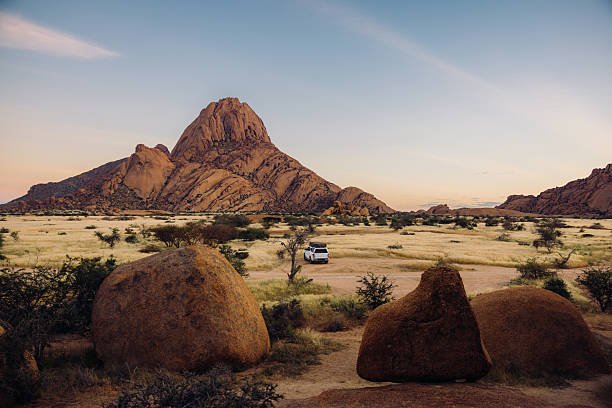
Katavi National Park stands apart as a destination for serious wildlife photographers due to its sheer remoteness and untamed character. Unlike more accessible parks, Katavi offers an authentic wilderness experience with fewer vehicles and a more naturalistic view of animal behavior. The park is renowned for its vast floodplains, dense woodlands, and seasonal swamps that teem with life, especially during the dry season from June to October. This is when large herds of buffalo, elephants, and zebras gather near dwindling waterholes, creating spectacular photographic opportunities. The park is also a stronghold for predators, including lions, leopards, and cheetahs, often seen in dramatic hunting scenarios or lounging in the shade. For birdwatchers and photographers specializing in avian subjects, Katavi boasts an incredible diversity, with over 400 species recorded, including iconic birds of prey and water birds. The absence of crowds means you can often have sightings all to yourself, allowing for patient observation and the perfect shot without disturbance. For those seeking truly wild, unscripted moments and the chance to capture images that tell a story of raw nature, Katavi is an exceptional choice for a 2026-2027 safari.
Planning Your Katavi Camping and Photography Safari
Organizing a Katavi camping and photography safari requires careful consideration of several factors to maximize your experience. Unlike more developed parks, Katavi’s infrastructure is minimal, which is part of its allure but also means planning is crucial. Your choice of tour operator is paramount; a company like Top Guide Adventures, with local expertise in Tanzania’s more remote parks, can handle the complex logistics. They understand the best campsites, the seasonal movements of wildlife, and the practicalities of operating in such an environment.
When planning for 2026-2027, consider the duration of your safari. A minimum of 4-5 days is recommended to truly appreciate Katavi’s vastness and wildlife. Longer trips, such as a 7-day Katavi National Park safari, allow for deeper exploration and more varied photographic subjects. You’ll need to decide on the type of camping: will it be a fully serviced mobile camp that moves with the seasons, or a more basic fly-in camp with essential amenities? The latter often offers greater exclusivity and proximity to prime wildlife areas. For photographers, understanding the light and the best times for shooting is key, which means planning your daily game drives around sunrise and sunset. Discuss your specific photographic interests—whether it’s large mammals, birds, or landscapes—with your tour operator so they can tailor the itinerary. Ensure your chosen operator provides experienced guides who are knowledgeable about both wildlife behavior and photographic best practices. Confirming what is included in your package is vital; typically, this includes park fees, accommodation, all meals, game drives in a 4×4 vehicle, and transfers, but always verify.
When to Go: Timing Your Katavi Photography Safari
The optimal time for a Katavi National Park camping and photography safari hinges on the dry season, generally from June through October. During these months, the park’s famous floodplains recede, concentrating animals around the remaining water sources like the Katuma River and Lake Katavi. This is when you’ll witness the spectacular gatherings of elephants, buffalo, and hippos, often in their thousands. The clear skies and consistent light conditions of the dry season are excellent for photography, though early mornings and late afternoons offer the most dramatic light and animal activity. The landscape, though drier, becomes a stark and beautiful canvas for wildlife.
While the dry season is peak time, the shoulder months of May and November can also offer good photographic opportunities with fewer visitors. May marks the end of the rains, and the landscape is lush and green, providing a beautiful contrast for wildlife shots. November sees the start of the short rains, which can bring dramatic skies and renewed animal movement. The green season (November to April) is generally less ideal for large mammal concentrations, as water is abundant throughout the park, dispersing animals. However, it’s an excellent time for birdwatchers and photographers interested in migratory species and newborn animals. For bird photography, the green season is often superior. For planning your 2026-2027 trip, aim for the core dry season for the best chances of seeing large herds and predators, but consider the shoulder months if you prefer fewer crowds.
Camping Styles: From Bush to Luxury Tents
When embarking on a Katavi National Park camping and photography safari, your accommodation choice significantly impacts the experience. Katavi offers a range of camping options, from basic bush camps to more comfortable, semi-permanent tented camps. Understanding these differences is key to selecting what suits your photographic needs and comfort.
* Bush Camping (Mobile Camping): This is the most in-depth and often most rewarding option for photographers seeking solitude and proximity to wildlife. With a reputable operator like Top Guide Adventures, a mobile camp can be set up in designated, remote areas of the park or just outside its boundaries. You’ll have basic but comfortable tents, often with en-suite bathrooms featuring a safari shower and a portable toilet. Meals are prepared by a dedicated camp chef. This style allows you to be where the wildlife is, often setting up camp near a waterhole or a known animal corridor. It’s rustic, authentic, and provides unparalleled photographic access. For 2026-2027, discussing the exact setup and amenities with your operator is essential.
* Tented Camps (Semi-Permanent/Seasonal): These are more established camps, often set up for the dry season. They offer more robust tented structures, sometimes with proper beds, en-suite facilities, and a central dining area. While still offering a wilderness feel, they provide a higher level of comfort than pure bush camping. These camps are strategically located to offer excellent views and easy access to game drives. They are a great compromise for photographers who want comfort without sacrificing the wild experience.
* Fly-in Camps: For maximum efficiency and access to the park’s most remote corners, fly-in safaris are an excellent choice. Light aircraft transport you directly to airstrips near the camps, saving considerable travel time. These camps are typically well-appointed and offer exclusive experiences, ideal for photographers who want to spend every possible moment in the field.
Your choice will depend on your budget, desired level of comfort, and how much time you want to spend traveling versus photographing. For a true Katavi National Park fly-in safari focused on photography, a well-chosen tented or fly-in camp is often the best bet.
Wildlife & Photography Opportunities
Katavi National Park is a wildlife photographer’s paradise, offering a raw and unscripted look at the African bush. The park’s defining feature is its vastness and the sheer density of certain species, particularly during the dry season. Expect to encounter large herds of buffalo, numbering in the hundreds, often seen grazing on the open plains or wallowing in mud baths. Elephants are also abundant, with large family groups frequently observed.
The predator sightings in Katavi are exceptional. Lions are common, often found resting in trees during the heat of the day or hunting in prides. Leopard sightings are more elusive but possible, especially near rivers and wooded areas. Cheetahs patrol the open plains, offering dynamic action shots. For unique photographic subjects, Katavi is known for its large hippo pods, sometimes exceeding 200 individuals, especially in the Chada Swamp, and its significant populations of crocodiles basking along riverbanks. The park is also home to roan antelope, sable antelope, and hartebeest, which are less common in other Tanzanian parks.
Birdlife is prolific, making Katavi National Park a prime destination for Katavi National Park bird watching safaris. Photographers can capture a wide array of species, from majestic fish eagles and kingfishers along the rivers to bustards and secretary birds on the plains. The seasonal wetlands attract numerous waterbirds.
Beyond individual animals, the landscapes themselves are incredibly photogenic. The wide-open floodplains, acacia woodlands, and dramatic sunsets provide stunning backdrops. The remoteness ensures that your photographic experiences will be intimate, with minimal vehicle interference. Plan your drives for the golden hours – sunrise and sunset – when the light is soft and warm, and animals are most active.
Essential Photography Gear for Katavi
To make the most of your Katavi National Park camping and photography safari in 2026-2027, having the right photography gear is essential. Given the wildlife and the conditions, a versatile setup is key. The remoteness of Katavi means you’ll want to be self-sufficient with your equipment.
* Camera Bodies: Bring at least two camera bodies if possible. A DSLR or mirrorless camera with good low-light performance and a fast autofocus system is ideal. Having a backup body means you won’t miss a shot if one malfunctions.
* Lenses: A telephoto zoom lens is crucial for wildlife photography. A 100-400mm or 200-500mm lens will allow you to capture distant animals without disturbing them. A wider lens (e.g., 24-70mm) is useful for landscapes and when animals are close. A macro lens can be great for insects and smaller details if that’s your interest.
* Tripod/Monopod: Essential for stability, especially when shooting with long lenses in low light conditions or for capturing sharp images from a vehicle. A monopod can offer a good balance of stability and mobility.
* Batteries and Memory Cards: Bring plenty of spares. Power sources in camps can be limited, so rechargeable batteries and a power bank are highly recommended. You don’t want to run out of space on memory cards when a rare sighting occurs.
* Cleaning Kit: Dust is inevitable in the bush. A rocket blower, lens cloths, and a lens brush will keep your gear in top condition.
* Camera Bag: A comfortable, durable bag that protects your gear from dust and elements is necessary. Consider a backpack or a shoulder bag depending on your preference.
* Binoculars: While not for photography, good binoculars are invaluable for spotting wildlife from the vehicle, helping you direct your camera.
* Laptop/Tablet: For backing up your photos each evening. Ensure you have an external hard drive or sufficient storage.
Consider bringing a teleconverter for your zoom lens to extend its reach further. Always check the weight limits for any internal flights if you opt for a fly-in safari, as they are strict, often around 15kg per person in soft luggage.
Logistics: Getting To and Around Katavi
Reaching Katavi National Park is part of its remote adventure. Unlike parks closer to Arusha or the Serengeti, Katavi is less accessible, which helps preserve its wild character. Most visitors to Katavi arrive via light aircraft, typically from Arusha or Mwanza. This is usually arranged as part of a Katavi National Park fly-in safari package.
* Flights: Scheduled or chartered light aircraft flights operate to airstrips within or near the park, such as the Katavi airstrip or Mpanda airstrip. The flight from Arusha can take around 2-3 hours, often with a stopover. Top Guide Adventures can book these flights for you as part of your safari package.
* Road Travel: It is possible to drive to Katavi, but it’s a very long journey. From Arusha or Dar es Salaam, it can take multiple days of rough driving, often requiring a 4×4 vehicle and significant preparation. Driving from Mwanza is also feasible but still lengthy. For most travelers, especially those on a tight schedule or prioritizing photography time, flying is the recommended option for 2026-2027.
* Within the Park: Once you arrive at your camp, game drives are conducted in specialized 4×4 safari vehicles. These are typically open-sided or pop-top vehicles designed for optimal viewing and photography. Your driver-guide is crucial for navigating the park’s tracks and locating wildlife. If you are camping, the vehicle and guide will be with you for the duration of your stay, facilitating your photographic excursions.
Transfers between camps or to the airstrip are usually handled by your tour operator. Given the park’s size and the dispersed nature of wildlife, efficient logistics are vital to maximize your time for photography.
Booking Your Katavi Adventure
Securing your Katavi National Park camping and photography safari for 2026-2027 involves partnering with an experienced tour operator who understands the nuances of this remote destination. Top Guide Adventures specializes in crafting tailor-made safaris across Tanzania, including the less-traveled paths of Katavi.
When you contact Top Guide Adventures, be ready to discuss your priorities. For a photography-focused trip, mention your specific interests: do you aim for big cats, birdlife, large herds, or landscapes? What is your preferred style of camping—basic bush camp or more comfortable tented accommodation? What is your budget range? Providing these details will help them design an itinerary that perfectly matches your expectations.
Consider the duration you envision. Packages typically range from 4 to 7 days, but longer or shorter trips can be arranged. For example, a 5-day Katavi National Park safari offers a good introduction, while a longer trip allows for more in-depth exploration.
Key details to confirm with your operator include: park entry fees, accommodation specifics (type of tent, facilities), meals included, vehicle type, guide experience, and transfer arrangements. For photography safaris, inquire about vehicle accessibility for shooting and whether the guide has experience assisting photographers. It’s also wise to understand the booking and cancellation policies. For the 2026-2027 season, booking well in advance is advisable, as prime camps and flights can fill up quickly.
To start planning your dream Katavi camping and photography safari, reach out to Top Guide Adventures. You can contact them via WhatsApp at +255 616 946 642 or email them at topguideadventures@gmail.com. They are ready to help you capture the wild heart of Tanzania.
Check Availability for Katavi National Park Camping And Photography Safari | Top Guide Adventures
Ready to compare dates, prices, and the best option for your group? Send the package name and travel month so the team can reply with a clear quote, availability, and what is included.
Background Remover Free: Enhancing Safari, Wildlife, And Travel Photography
This guide explores the utility of free background removal tools for photographers specializing in safari, wildlife, and travel imagery. It covers how these tools can enhance subject...
View package detailsThe Most Beautiful Animals In World: A Wildlife Photography And Safari
Exploring the planet's most visually stunning creatures offers a unique lens through which to appreciate biodiversity. This guide focuses on animals celebrated for their aesthetic...
View package details
Tanzania Safari Tours With All Park Fees Included In The Price 2026-2027
Tanzania Safari Tours with All Park Fees Included in the Price is explained with current 2026-2027 planning, price, itinerary and booking information.
View package details
Tanzania Safari Packages With Airport Transfers And Hotel Nights Included
Planning a Tanzania safari? Discover comprehensive packages that bundle airport transfers and comfortable hotel stays, streamlining your journey from arrival to your first game drive. This...
View package details
Private Tanzania Safari With Flexible Daily Game Drive Schedules 2026-2027
Private Tanzania Safari with Flexible Daily Game Drive Schedules is explained with current 2026-2027 planning, price, itinerary and booking information.
View package details
Tanzania Safari Tours With Early Morning Game Drives Included 2026-2027
Tanzania Safari Tours with Early Morning Game Drives Included is explained with current 2026-2027 planning, price, itinerary and booking information.
View package details
Can I Fly From Serengeti To Zanzibar After My Safari? 2026-2027
Can I Fly from Serengeti to Zanzibar After My Safari? is explained with current 2026-2027 planning, price, itinerary and booking information.
View package details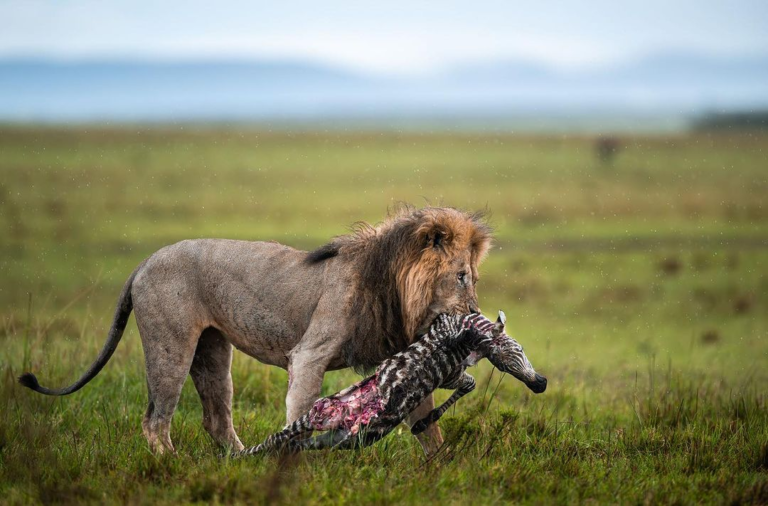
Tanzania Safari Packages Ending With A Flight To Zanzibar: Your Ultimate Guide
Discover the perfect blend of thrilling wildlife encounters and idyllic island life with a Tanzania safari package that concludes with a flight to Zanzibar. This guide covers essential...
View package details
Tanzania Safari Tours With Kilimanjaro Airport Pickup Included 2026-2027
Seamlessly begin your Tanzanian adventure with a safari package that includes pickup directly from Kilimanjaro International Airport (JRO). This guide details what to expect, popular...
View package details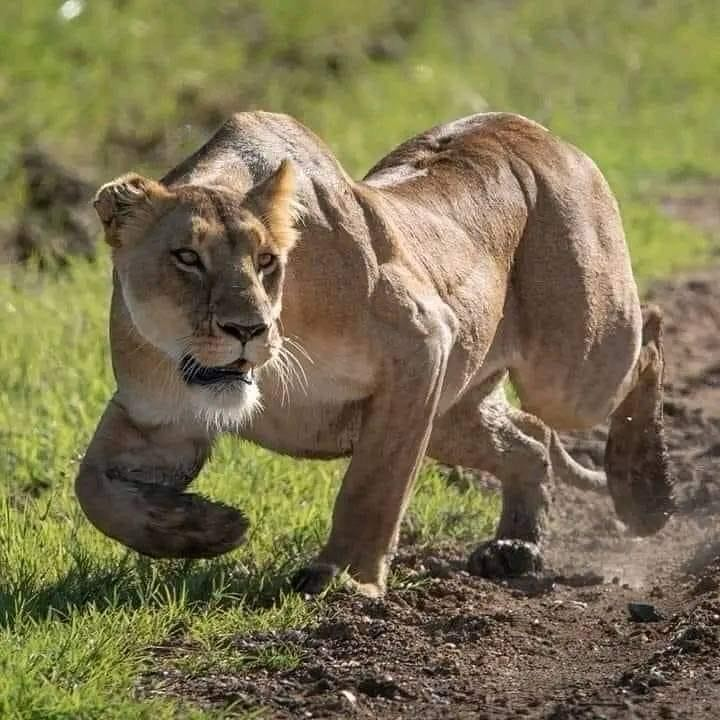
Can I Start A Safari Immediately After Landing At Kilimanjaro Airport?
Can I Start a Safari Immediately After Landing at Kilimanjaro Airport? is explained with current 2026-2027 planning, price, itinerary and booking information.
View package details
What Is The Total Cost Of A Tanzania Safari Without Hidden Fees? 2026-2027
What Is the Total Cost of a Tanzania Safari Without Hidden Fees? is explained with current 2026-2027 planning, price, itinerary and booking information.
View package details
Can I Book A Tanzania Safari Without Paying The Full Amount Upfront? Your
Planning a dream Tanzania safari for 2026-2027 but wondering about upfront payments? This guide explains how flexible payment options work with reputable tour operators, allowing you to...
View package detailsNo closely related package is available yet for this topic.



