
A Katavi National Park safari from Mwanza is a journey into one of Tanzania’s most remote and untamed wilderness areas, offering exceptional wildlife viewing opportunities, particularly for large mammals like elephants, buffalo, and hippos, with travel typically involving a combination of flights and driving, making it a dedicated adventure for those seeking true off-the-beaten-path exploration in 2026-2027.

This guide is designed for the discerning traveler considering a Katavi National Park safari, specifically originating from Mwanza. While Mwanza is a gateway to the southern Serengeti and Lake Victoria, reaching Katavi requires a more significant commitment due to its remote location. We’ll break down the practicalities, what to expect in terms of wildlife and landscapes, and how to best plan your 2026-2027 expedition.
Understanding Katavi National Park’s Appeal
Katavi National Park is often described as Tanzania’s ‘true’ wilderness. It’s the country’s third-largest national park, yet receives far fewer visitors than the northern circuit parks like the Serengeti or Ngorongoro Crater. This relative isolation is precisely its charm. Expect vast floodplains, dense woodlands, and seasonal swamps that teem with life, especially during the dry season when animals congregate around the shrinking water sources. For wildlife enthusiasts who appreciate uncrowded, authentic encounters, Katavi is unparalleled. It’s a place where you can truly feel like you’re exploring uncharted territory, a stark contrast to more developed safari destinations.
The park’s ecosystem supports a remarkable density of animals. It’s particularly renowned for its massive herds of buffalo, large prides of lions, and significant populations of elephants and hippos. The sheer scale of the landscape, combined with the concentration of wildlife, creates a primal and awe-inspiring atmosphere. This is not a park for casual sightseeing; it’s for those who seek a deep connection with nature in its rawest form. Planning a visit to Katavi National Park is a decision that promises an exceptional, unadulterated safari experience.
Mwanza as a Starting Point: Logistics and Travel Options
Mwanza, situated on the southern shores of Lake Victoria, serves as a practical, albeit somewhat indirect, starting point for a Katavi National Park safari. Unlike direct routes from Arusha or Dar es Salaam, getting to Katavi from Mwanza involves a bit more planning, primarily due to the distances and available transport options. Most travelers opt for a combination of flying and driving, or a longer, more adventurous overland journey.
Flying: The most efficient way to reach Katavi from Mwanza is via a chartered light aircraft. There are airstrips within or near the park (such as Katavi Airstrip), and scheduled bush flights might be available, though less frequent than from major hubs. This option significantly reduces travel time, allowing you to maximize your time on safari. However, it comes at a higher cost. Top Guide Adventures can arrange these charter flights for you as part of a comprehensive safari package for 2026-2027.
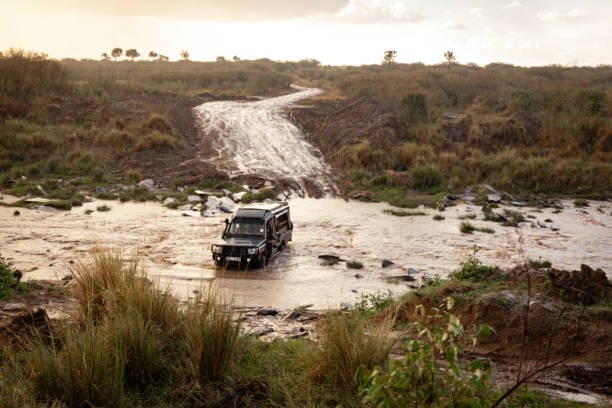
Driving: Driving from Mwanza to Katavi is a long undertaking, typically taking two full days each way, often requiring an overnight stop. The roads can be challenging, particularly during the rainy season. This overland route is best suited for those who enjoy the journey as much as the destination, offering a glimpse into rural Tanzanian life. It also allows for more flexibility with luggage, though road conditions can still be a limiting factor. If you’re considering a budget Katavi National Park safari package, driving might be a more economical choice, but be prepared for the extended travel time.
Combination: Many opt for a mixed approach. You might fly part of the way or to a nearby hub, then continue by road. Alternatively, a safari could begin in Mwanza with a visit to Rubondo Island National Park, followed by a drive or flight to Katavi. This allows you to experience different facets of the Lake Victoria region and western Tanzania.
Important Consideration: When planning from Mwanza, ensure your safari operator understands the specific logistics. Top Guide Adventures excels at coordinating these complex transfers, ensuring a smooth transition from Mwanza to the remote wilderness of Katavi for your 2026-2027 adventure.
When to Go: Timing Your Katavi Safari for Optimal Wildlife Viewing
The best time to visit Katavi National Park is largely dictated by the park’s distinct wet and dry seasons, and for wildlife viewing, the dry season is generally preferred. This period runs from June to October.
- Dry Season (June – October): This is peak safari season in Katavi. As the rains subside, the vegetation thins out, making it easier to spot wildlife. Crucially, the rivers and waterholes become vital gathering points for large mammals. You’ll see impressive concentrations of elephants, buffalo, hippos, and crocodiles. The iconic ‘hippo pools’ become particularly fascinating, with thousands of hippos competing for space. Lion sightings are also excellent, as they often prey on the abundant herbivores. The weather is typically sunny and pleasant, though nights can be cool.
- Shoulder Season (Late May and November): These months can offer a good balance. The landscape is starting to green up after the rains, and there are fewer tourists than in the peak dry season. Wildlife is still relatively accessible.
- Wet Season (December – April): This is the ‘green season’ in Katavi. The park is lush and beautiful, with migratory birds arriving. However, many roads can become impassable, and game viewing is more challenging due to the thick vegetation and dispersed wildlife. Some camps may close during the height of the wet season. While it offers a different, quieter experience, it’s generally not recommended for first-time visitors or those prioritizing maximum wildlife sightings.
For a classic Katavi experience focused on large mammals, aim for the dry season between July and October. If you’re looking for a more budget-friendly trip or fewer crowds in 2026-2027, consider the shoulder months, but be prepared for potentially less predictable game viewing and weather.
What to Expect: Katavi’s Iconic Wildlife and Landscapes
Katavi is a park of dramatic landscapes and abundant, often fearless, wildlife. Its three main areas – Katavi plains, floodplain of the Katuma River, and Lake Chada – offer diverse habitats and attract a wide array of animals.
Mammal Spectacle
The park is most famous for its large mammal populations:
- Buffalo: Herds of several hundred, sometimes even thousands, of buffalo are a common sight, often dominating the plains.
- Hippos: Katavi boasts one of the largest concentrations of hippos in East Africa. The famous Lake Chada and the Katuma River become epicenters of hippo activity, especially in the dry season, where you can witness intense social dynamics and territorial disputes.
- Elephants: Large herds of elephants roam the park, particularly drawn to the water sources during drier months.
- Crocodiles: The rivers and lakes are home to numerous Nile crocodiles, often seen basking on the banks or lurking in the water.
- Predators: Katavi is home to lions, leopards, cheetahs, and wild dogs. Lions are particularly visible and often found in large prides, adapted to hunting the abundant buffalo. Cheetahs are present but can be harder to spot due to the terrain.
- Other Wildlife: Expect to see giraffes, zebras, various antelopes (including topi, hartebeest, impala, and eland), warthogs, baboons, and vervet monkeys.
Birdlife
For birdwatchers, Katavi is a paradise, especially during the wet season when migratory birds are present. Species include African fish eagles, various storks, pelicans, secretary birds, and numerous smaller bird species.
Landscapes
The scenery is impressive and varied. You’ll encounter:
- Expansive Plains: Vast, open grasslands that stretch to the horizon, ideal for spotting large herds.
- Miombo Woodlands: Drier woodlands that provide cover for predators and different types of game.
- Seasonal Swamps and Rivers: The lifeblood of the park, especially in the dry season, attracting a concentration of animals.
- Acacia Forests: Dotting the landscape, offering shade and habitat.
A safari here is an immersion into a wild, untamed ecosystem where nature dictates the rhythm. The lack of crowds enhances the feeling of discovery, making every sighting feel significant.
Accommodation Options: From Camping to Luxury Lodges
Given Katavi’s remote nature, accommodation options are limited but offer a range of experiences, from rustic to relatively luxurious. Your choice will significantly impact the feel and cost of your safari. Top Guide Adventures can guide you through selecting the best fit for your 2026-2027 trip.
Camping Safaris
This is a popular and often more affordable option, allowing for a truly in-depth wilderness experience. Public campsites are basic but offer the thrill of sleeping under the stars, with park rangers often nearby. Luxury mobile camping or semi-permanent tented camps offer more comfort, with proper beds, en-suite bathrooms (often bucket showers), and dedicated staff. This is a fantastic way to experience Katavi on a Katavi National Park camping safari.
Tented Camps
These range from mid-range to high-end. They typically feature spacious canvas tents on permanent platforms, often with en-suite facilities, comfortable furnishings, and dining areas. They offer a good balance between comfort and the feeling of being close to nature.
Lodges
There are a few more permanent lodges within or just outside the park boundaries. These offer the highest level of comfort, with solid structures, private bathrooms, electricity, and often swimming pools. They are ideal for those seeking a more conventional safari experience without compromising on luxury.
Key Considerations for Katavi:
- Location: Camps and lodges are strategically located to offer good access to game viewing areas. Some are situated near the key hippo pools or along the Katuma River.
- Seasonality: Some accommodations may operate only during the dry season when access is easier and visitor numbers are higher.
- Exclusivity: Due to the park’s remoteness, even the busiest camps offer a sense of exclusivity.
When booking, clarify what is included. Most safari packages will include accommodation, meals, and park fees. Activities like game drives are standard, but bush walks or night drives might be offered by specific camps.
Crafting Your Katavi Safari Itinerary from Mwanza
A typical safari to Katavi National Park from Mwanza needs to account for travel time. A minimum of 3 nights in the park is recommended to make the journey worthwhile, alongside the travel days to and from Mwanza.
Sample Itinerary: 5 Days Katavi Safari from Mwanza (Including Travel)
This is a sample to illustrate the time commitment. Exact durations can be customized.
- Day 1: Mwanza to Katavi. Depart Mwanza by charter flight or begin your overland journey. If flying, you’ll arrive in Katavi by midday and transfer to your chosen camp/lodge for lunch and an afternoon game drive. If driving, this day is dedicated to reaching your overnight stop en route.
- Day 2: Katavi National Park. Full day of game drives. Morning exploration of the plains and woodlands, returning for lunch and a siesta. Afternoon game drive focusing on the hippo pools or riverine areas.
- Day 3: Katavi National Park. Another full day dedicated to exploring different sectors of the park. Perhaps focus on predator sightings in the morning and birdlife around Lake Chada in the afternoon. For those seeking a more comprehensive adventure, a 7-day Katavi National Park safari and Western Tanzania adventure could incorporate nearby areas or more time within Katavi.
- Day 4: Katavi National Park. Morning game drive, enjoying the last of Katavi’s wild beauty. After breakfast, transfer to the airstrip for your flight back to Mwanza, or continue your overland journey. If you flew, you’ll arrive in Mwanza in the afternoon.
- Day 5: Departure from Mwanza. Depending on your flight schedule, you might have time for some local exploration in Mwanza before heading to the airport for your onward journey.
Customization: This itinerary can be extended to 4 or 5 nights within Katavi for a more in-depth experience, or combined with other destinations. For example, a 6-day Katavi National Park wildlife safari would allow for more relaxed game drives and exploration.
Travel Style: Consider whether you prefer a private safari, which offers maximum flexibility, or a group joining option for a more budget-conscious trip. Group joining Katavi National Park safaris are a great way to experience this remote park affordably in 2026-2027.
Booking Your Safari and Essential Preparations
Booking a safari to a remote park like Katavi requires careful planning. Working with an experienced tour operator like Top Guide Adventures is crucial for a smooth experience.
Key Booking Steps:
- Choose Your Operator: Select a reputable operator who has direct experience with Katavi safaris and understands the logistics from Mwanza. Top Guide Adventures specializes in these less-traveled routes and can tailor a trip for 2026-2027.
- Define Your Dates: Confirm your travel dates, keeping the best time to visit (dry season) in mind.
- Select Your Itinerary: Discuss your desired duration, accommodation style, and interests.
- Confirm Inclusions: Understand what your safari package includes (accommodation, meals, park fees, transfers, game drives, guide services) and what is excluded (flights to/from Mwanza, visas, travel insurance, tips, personal expenses).
- Secure Flights: Book your international flights to Kilimanjaro International Airport (JRO) or Julius Nyerere International Airport (DAR), and then arrange internal travel to Mwanza.
- Visa and Health: Ensure your passport is valid for at least six months beyond your stay and obtain the necessary Tanzanian visa. Consult your doctor about recommended vaccinations and malaria precautions.
Essential Preparations:
- Packing: Pack light, neutral-colored clothing suitable for warm days and cool evenings. Include layers, a wide-brimmed hat, sunglasses, sunscreen, insect repellent, and comfortable walking shoes. Binoculars are essential for wildlife viewing.
- Luggage Allowance: If flying by light aircraft, be aware of strict luggage restrictions, typically around 15 kg (33 lbs) per person in a soft duffel bag.
- Camera Gear: Bring extra batteries and memory cards. A zoom lens is highly recommended.
- Medical Kit: A basic first-aid kit, personal medications, and any prescribed items.
- Cash: Carry some US Dollars for tips, souvenirs, and any personal expenses not covered by your package.
Why Choose Top Guide Adventures for Your Katavi Safari from Mwanza? Our expertise in planning safaris to Tanzania’s more remote parks means we can navigate the complexities of travel from Mwanza, ensuring you have an authentic and well-organized adventure in 2026-2027. We handle all the logistics, from charter flights to accommodation bookings, allowing you to focus on the incredible wildlife experience. To start planning your unforgettable journey, please reach out to us via WhatsApp +255 616 946 642 or email us at topguideadventures@gmail.com.
A safari to Katavi from Mwanza is an investment in a truly wild and memorable experience. It’s a journey for the adventurous spirit, promising encounters with nature that are increasingly rare in our modern world.
Check Availability for Katavi National Park Safari From Mwanza: Your Expert Guide To Tanzanias Wild
Ready to compare dates, prices, and the best option for your group? Send the package name and travel month so the team can reply with a clear quote, availability, and what is included.

Rubondo Island National Park Prices In Tanzania – Safari Fees, Chimpanzee
Understanding Rubondo Island National Park prices is key to planning your Tanzanian adventure. Costs vary based on accommodation, activities like chimpanzee trekking, and safari duration...
View package details
Serengeti Safari From Mwanza: Best Route For Western Tanzania & 2026-2027
Discover the optimal routes for a Serengeti safari starting from Mwanza, focusing on the unique experiences offered by Western Tanzania and the Western Serengeti. This guide provides...
View package details
Best 5 Day Private Safari Tour From Mwanza: Serengeti & Western Tanzania
start an unforgettable 5-day private safari adventure starting from Mwanza, Tanzania. This expertly crafted itinerary blends the iconic wildlife viewing of the Serengeti with the distinct...
View package detailsAfrica Tours & Travel, All Safari Booking In Tanzania 2026-2027
Africa Tours & Travel, All Safari Booking in Tanzania is explained with current 2026-2027 planning, price, itinerary and booking information.
View package detailsTop Car Brands Known For Reliability – Best Vehicles Road Trips, Safari
Top Car Brands Known for Reliability – Best Vehicles for Road Trips, Safari and Adventure Travel is explained with current 2026-2027 planning, price.
View package detailsMost Beautiful Countries In The World: Safari, Nature, And Adventure Travel
This guide explores the most beautiful countries globally, focusing on destinations that offer unparalleled opportunities for safari, nature immersion, and adventurous pursuits. From the...
View package detailsThe Worlds Richest Billionaires: Their Preferred Luxury Travel Destinations
This article delves into the travel habits and preferred destinations of the world's wealthiest individuals, examining their affinity for private islands, exclusive safari adventures, and...
View package detailsBiggest Animals Ever Discovered: African Wildlife, Ocean Giants, And Safari
Discover the planet's most massive creatures, including the giants of African savannas and the leviathans of the deep sea. Learn about their habitats, characteristics, and the awe they...
View package detailsBackground Remover Free: Enhancing Safari, Wildlife, And Travel Photography
This guide explores the utility of free background removal tools for photographers specializing in safari, wildlife, and travel imagery. It covers how these tools can enhance subject...
View package detailsWho Is The Richest President In Zambia? Examining Wealth And Public Office
This article delves into the question of who the richest president in Zambia is, examining the complexities of wealth disclosure, public perception, and the financial standing of past and...
View package detailsBest Gift Ideas For Men And Women: African Travel Gifts, Safari Souvenirs
Finding the perfect gift can be a rewarding experience, especially when it carries the spirit of adventure and culture. This guide explores the best gift ideas for both men and women...
View package detailsThe Most Beautiful Animals In World: A Wildlife Photography And Safari
Exploring the planet's most visually stunning creatures offers a unique lens through which to appreciate biodiversity. This guide focuses on animals celebrated for their aesthetic...
View package detailsNo closely related package is available yet for this topic.



