
Kigoma tours and local experiences offer a distinct Tanzanian adventure centered around the vast Lake Tanganyika, the world’s second-deepest freshwater lake, and the famed Gombe Stream National Park, renowned for chimpanzee trekking. These experiences typically involve exploring the lakeside town of Kigoma, arranging boat trips on the lake, and venturing into Gombe for primate encounters, with options for cultural visits to local fishing villages and historical sites. Planning for 2026-2027 requires understanding the best times to visit, the logistics of reaching Gombe, and the types of accommodations available, which range from basic park bandas to more comfortable lodges.
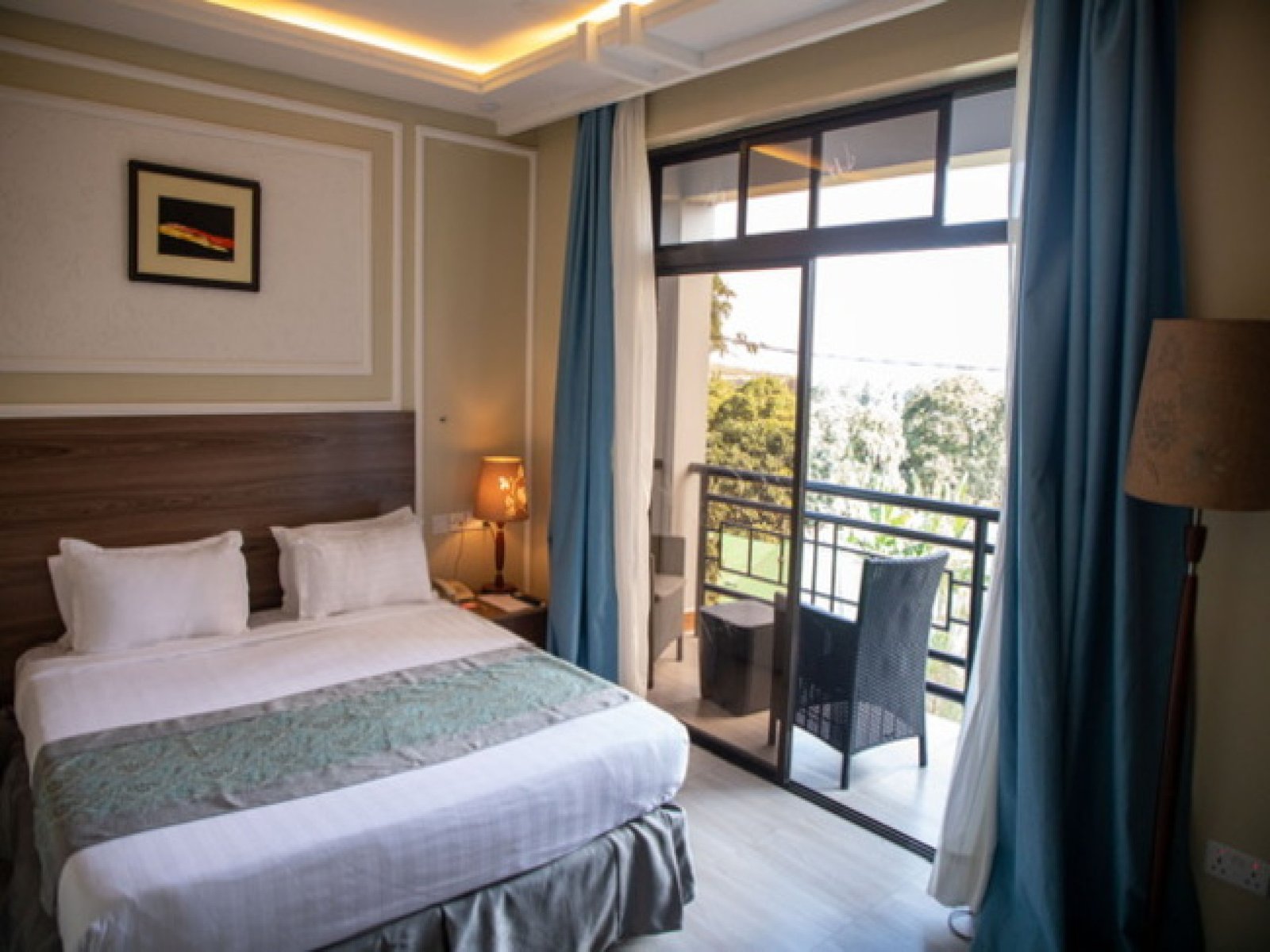
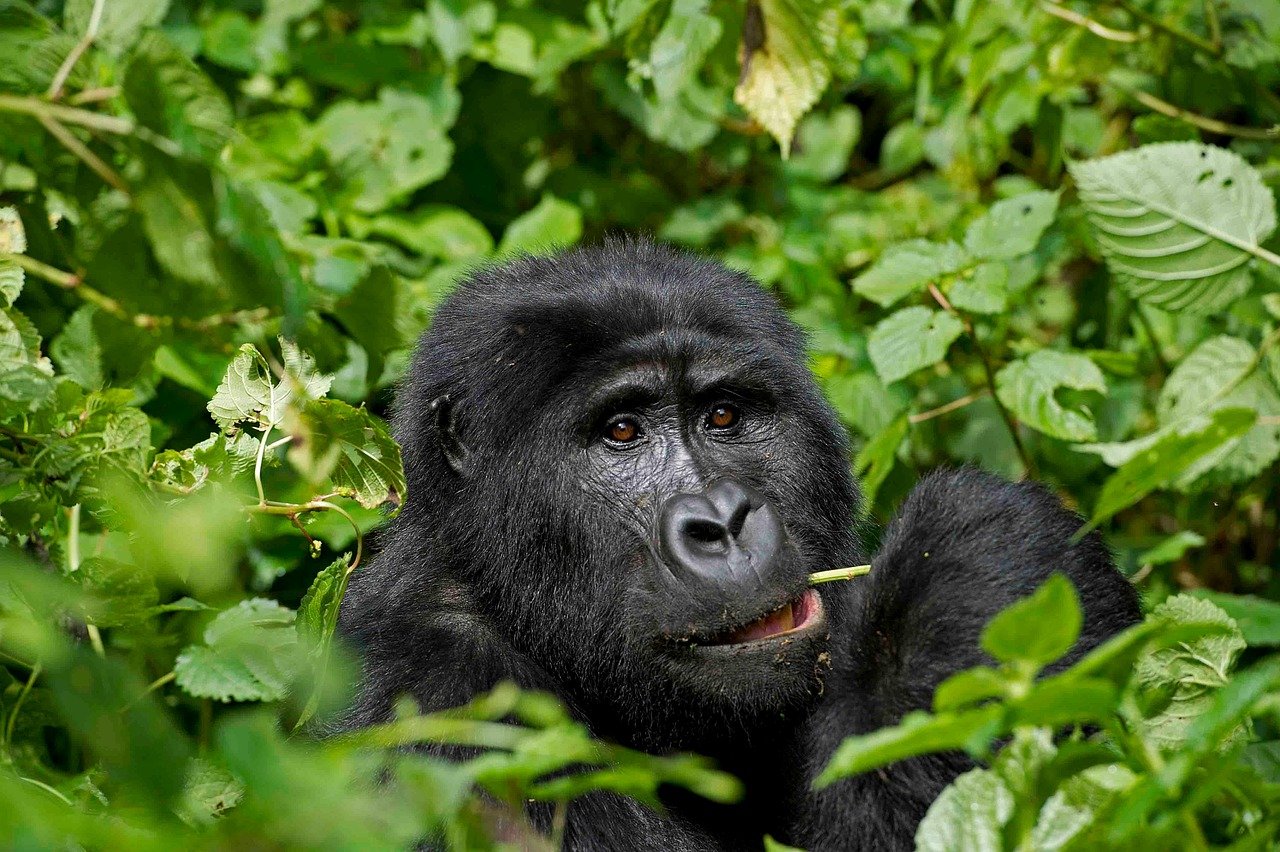
Table of Contents
- Understanding Kigoma’s Appeal
- Gombe Stream National Park: The Chimpanzee Haven
- Lake Tanganyika Adventures: Beyond the Shore
- Local Culture and Village Experiences
- Planning Your Kigoma Trip: 2026-2027 Essentials
- Booking Your Kigoma Experience
Understanding Kigoma’s Appeal
Kigoma, situated on the eastern shores of Lake Tanganyika, is a gateway to some of Tanzania’s most unique natural and cultural attractions. Unlike the more frequented northern safari circuits, Kigoma offers a more remote and less-trodden path, appealing to travelers seeking genuine exploration and a deeper connection with nature and local life. Its strategic location means access to both primate-rich rainforests and the expansive, beautiful lake provides diverse experiences within a single region. The town itself has a distinct atmosphere, shaped by its history as a trading post and its current role as a hub for the surrounding communities.
The primary draw for many visitors is Gombe Stream National Park, a compact but vital reserve famous for its chimpanzee populations, famously studied by Jane Goodall. However, Kigoma’s appeal extends far beyond this. The sheer scale of Lake Tanganyika, with its clear waters and abundant fish life, offers opportunities for relaxation, exploration, and witnessing daily life unfold along its shores. The region’s history is also palpable, with remnants of colonial-era buildings and stories that echo its past significance.
For travelers planning their trips for 2026 or 2027, understanding Kigoma’s remote nature is key. It’s not a destination that’s easily reached by a short flight from major hubs like Kilimanjaro or Arusha, which adds to its allure but also requires careful logistical planning. This guide aims to break down the essential elements of Kigoma tours and local experiences, helping you craft an unforgettable journey.
Gombe Stream National Park: The Chimpanzee Haven
Gombe Stream National Park is the undisputed star attraction for many visiting Kigoma. This relatively small park, clinging to the shores of Lake Tanganyika, is a sanctuary for wild chimpanzees and offers one of the best opportunities in Africa to observe these fascinating primates in their natural habitat. The research conducted here by Dr. Jane Goodall in the 1960s put Gombe on the map, and the legacy of that work continues today, with habituated chimpanzee families that allow for close, respectful viewing.
Chimpanzee Trekking Experience: The core activity in Gombe is the guided trek to find the chimpanzees. Treks typically start early in the morning from the park’s main base at Kasekela. Your experienced park guide will lead you through the dense forest, following tracks and signs of chimpanzee activity. The duration and difficulty of the trek can vary significantly depending on where the chimpanzees are located on any given day, as they move freely through the forest. It’s essential to be prepared for steep ascents and descents, and to wear appropriate footwear.
What to Expect: Upon locating a chimpanzee group, you will have a set amount of time (usually around one hour) to observe them. This is an incredible opportunity to witness their complex social structures, feeding habits, and playful interactions. You might see mothers with their young, males establishing dominance, or groups foraging for food. The guides are knowledgeable and will provide insights into the chimpanzees’ behavior and the park’s ecosystem. Remember, these are wild animals, and while habituated, maintaining a respectful distance is crucial for both your safety and their well-being.
Logistics and Access: Reaching Gombe Stream National Park is an adventure in itself. There are no roads within the park; access is solely by boat from Kigoma town. Boat transfers are typically arranged by tour operators or can be booked through park authorities. The journey along the lake is scenic and offers beautiful views of the coastline. Accommodation options within Gombe are limited, primarily consisting of park bandas (simple cabins) and a more comfortable lodge, all offering basic but clean facilities. Booking accommodation well in advance, especially for 2026-2027, is highly recommended due to limited availability.
Alternative Wildlife: While chimpanzees are the main draw, Gombe is also home to other wildlife, including olive baboons, vervet monkeys, red-tailed monkeys, and various bird species. Keep an eye out for these as you explore the park.
Lake Tanganyika Adventures: Beyond the Shore
Lake Tanganyika, the jewel of Kigoma, offers a wealth of activities that complement the Gombe experience. Its immense size and clear, deep waters provide a unique aquatic playground. A significant portion of any Kigoma tour will likely involve exploring this magnificent lake.
Boat Trips and Cruises: The most popular way to experience Lake Tanganyika is through boat excursions. These can range from short trips to nearby fishing villages or scenic spots to longer, multi-day cruises. Private boat hire is common, allowing for flexibility in your itinerary. Many tours include stops at picturesque bays, opportunities for swimming in the clear waters, and witnessing spectacular sunsets over the lake. For those interested in a more in-depth experience, overnight stays on a boat are also possible, offering a unique perspective on the lake’s tranquility.
Fishing Villages and Local Life: Kigoma is surrounded by numerous fishing villages that have thrived for generations. Visiting these villages offers a glimpse into the authentic daily lives of the local communities. You can observe traditional fishing methods, see how the catch is processed and prepared, and interact with the residents. These visits are typically arranged as part of a boat tour and provide a valuable cultural exchange. It’s important to approach these visits with respect and an open mind, understanding that you are guests in their community.
Ujiji: A Historical Stop: A short boat ride or drive from Kigoma town lies Ujiji, a historically significant settlement. It is famously known as the place where explorer Henry Morton Stanley found Dr. David Livingstone in 1871, uttering the iconic words, “Dr. Livingstone, I presume?” A large tree marks the spot, and a museum dedicated to Livingstone stands nearby. Exploring Ujiji provides a tangible connection to the region’s exploration history.
Snorkeling and Diving: Lake Tanganyika boasts an incredible diversity of fish species, with many being endemic. While not as developed as marine snorkeling/diving destinations, the clear waters of Lake Tanganyika offer excellent opportunities for underwater exploration. Some operators can arrange snorkeling gear, allowing you to discover the vibrant aquatic life. For dedicated divers, arrangements can sometimes be made, though this is less common and requires specific planning.
Local Culture and Village Experiences
Beyond the natural wonders, Kigoma offers rich opportunities for cultural immersion. The people of Kigoma, primarily from the Wafipa and Wangoni ethnic groups, have distinct traditions and a way of life deeply connected to the lake and the land. Engaging with the local culture can significantly enrich your travel experience.
Village Visits: As mentioned, visiting fishing villages along Lake Tanganyika is a highlight. These aren’t staged performances but rather genuine glimpses into community life. You can learn about their livelihoods, perhaps witness traditional music or dance if the opportunity arises, and understand their relationship with the lake. Responsible tourism practices are paramount here; always seek permission before taking photographs and engage with guides who can facilitate respectful interactions.
Markets and Local Crafts: Kigoma town has bustling local markets where you can experience the daily commerce of the region. These markets are vibrant places to see local produce, crafts, and everyday goods. It’s a fantastic spot to observe local life, sample regional snacks, and perhaps purchase unique souvenirs. While Kigoma isn’t as renowned for mass-produced crafts as some other Tanzanian towns, you might find local carvings or textiles.
Historical Sites: Besides Ujiji, the town of Kigoma itself has some older buildings that hint at its colonial past. Exploring these areas on foot can offer a different perspective on the town’s development. Engaging with local guides can help uncover stories and historical context that might otherwise be missed.
Community-Based Tourism: For travelers seeking deeper engagement, look for tours that incorporate community-based initiatives. This might involve visiting local schools (with prior arrangement and understanding of school policies), participating in workshops, or learning about local agriculture. These experiences, though less common than Gombe treks, offer profound insights into the fabric of Kigoma life.
Planning Your Kigoma Trip: 2026-2027 Essentials
Planning a trip to Kigoma requires careful consideration of logistics, timing, and what to pack. Given its remote location, preparation is key to a smooth and enjoyable adventure for 2026-2027.
Getting to Kigoma: The most common ways to reach Kigoma are by flight or by train. Flights operate from Dar es Salaam and Arusha to Kigoma Airport (TKQ). This is the quickest but often most expensive option. Alternatively, the Tanzania Railways Corporation (TRC) operates a train service from Dar es Salaam to Kigoma. This is a more scenic and budget-friendly option, though it takes significantly longer (often over 24 hours) and comfort levels can vary. The train journey itself can be an interesting cultural experience.
Best Time to Visit: The dry seasons generally offer the best conditions for visiting Kigoma and Gombe. The main dry season runs from June to October, which is ideal for chimpanzee trekking as the forest trails are less muddy and slippery. A shorter dry season occurs from January to February. The rainy seasons (November to December and March to May) can make travel more challenging, with potential for muddy trails and increased insect activity. However, these periods can also offer lush scenery and fewer crowds.
Accommodation: As mentioned, accommodation in Gombe is limited and ranges from basic park bandas to a lodge. In Kigoma town, you’ll find a wider range of options, from guesthouses to mid-range hotels. For tours specifically focused on Gombe, booking accommodation as part of your package is essential. It’s advisable to confirm availability and book well in advance, especially for peak travel times in 2026 and 2027.
What to Pack:
- Lightweight, quick-drying clothing suitable for a tropical climate.
- Rain gear, especially if traveling during shoulder seasons.
- Sturdy, broken-in hiking boots for Gombe treks.
- Comfortable walking shoes for town and village visits.
- Swimsuit for Lake Tanganyika.
- Insect repellent (DEET-based is recommended).
- Sunscreen, hat, and sunglasses.
- Binoculars for wildlife viewing.
- A good camera and plenty of memory cards/batteries.
- A reusable water bottle.
- Basic first-aid kit.
- Any personal medications.
- Cash in Tanzanian Shillings (TZS) for local purchases and tips, as ATMs can be unreliable outside major towns.
Health and Safety: Malaria is present in the Kigoma region, so consult your doctor about appropriate antimalarial medication and take precautions against mosquito bites. Yellow fever vaccination is often required for entry into Tanzania, so ensure your vaccinations are up to date. Always drink bottled or purified water. When trekking in Gombe, follow your guide’s instructions carefully, especially regarding proximity to wildlife and navigating the terrain. For mountain treks, Top Guide Adventures provides essential safety equipment like emergency oxygen and pulse oximeters; while not typically needed in Gombe, their commitment to safety standards reflects their overall approach.
Booking Your Kigoma Experience
Organizing a trip to Kigoma, especially for specific dates in 2026 or 2027, is best done with a knowledgeable tour operator. While it’s possible to arrange some elements independently, a local expert can navigate the complexities of travel, accommodation, park permits, and boat transfers, ensuring a smoother experience.
Why Book with Top Guide Adventures: As a specialized Tanzanian and Zanzibar tour operator based in Moshi/Arusha, Top Guide Adventures has the local expertise to craft comprehensive Kigoma itineraries. We understand the nuances of travel to this region, including the best ways to access Gombe Stream National Park and arrange unique experiences on Lake Tanganyika. Our team can help you:
- Design a Custom Itinerary: Whether you’re focused on chimpanzee trekking, lake exploration, or cultural immersion, we tailor trips to your interests.
- Secure Permits and Accommodation: We handle the booking of park entry fees for Gombe Stream National Park and secure your preferred lodging, from park bandas to hotels in Kigoma.
- Arrange Reliable Transfers: We coordinate flights or train bookings to Kigoma and ensure smooth boat transfers to Gombe.
- Provide Local Guidance: Benefit from practical advice on the best times to travel, packing essentials, and cultural etiquette.
- Ensure Safety: Our commitment to traveler safety, including providing necessary equipment for mountain treks, extends to all our tours, ensuring you are well-prepared for your Kigoma adventure.
What to Include in Your Inquiry: When contacting us for a Kigoma tour for 2026-2027, please provide the following details:
- Your preferred travel dates or a general timeframe.
- The number of travelers.
- Your interests (e.g., chimpanzee trekking, Lake Tanganyika, cultural visits, historical sites).
- Your preferred accommodation style (budget, mid-range, comfortable).
- Your starting point for travel to Kigoma.
Next Steps: To start planning your unique Kigoma tours and local experiences, reach out to our dedicated team. You can contact us via WhatsApp at +255 616 946 642 or send an email to topguideadventures@gmail.com. We look forward to helping you discover the magic of Kigoma and Lake Tanganyika.
Check Availability for Kigoma Tours And Local Experiences: Your Gateway To Lake Tanganyika…
Ready to compare dates, prices, and the best option for your group? Send the package name and travel month so the team can reply with a clear quote, availability, and what is included.



