
Effective hydration, including managing water intake and replenishing salts and electrolytes, is paramount for any Kilimanjaro trek, particularly for climbers planning expeditions in 2026-2027, as it directly impacts acclimatization, energy levels, and the prevention of altitude sickness.
Planning a Kilimanjaro climb is an exciting endeavor, and while most attention naturally focuses on routes, gear, and summit attempts, the critical role of hydration and electrolyte balance often gets less direct focus. Yet, for a safe and successful ascent, understanding how to manage your body’s fluid and mineral needs at extreme altitudes is non-negotiable. This guide breaks down everything you need to know about Kilimanjaro hydration, salts, and electrolytes, ensuring you’re well-prepared for your 2026-2027 adventure.
Kilimanjaro Hydration Basics: Why Water is Key
At high altitudes, your body undergoes significant physiological changes. The air is thinner, meaning less oxygen is available, and your respiratory rate increases as your body tries to compensate. This increased breathing rate leads to greater fluid loss through respiration. Furthermore, the dry, cold air at higher elevations exacerbates this effect. Dehydration is a major contributing factor to Acute Mountain Sickness (AMS), often mimicking or worsening its symptoms like headaches, nausea, and fatigue. Maintaining proper hydration helps your blood volume stay optimal, which aids in oxygen transport and overall bodily function, making it a cornerstone of successful acclimatization on Kilimanjaro.
How Much Water Should You Drink on Kilimanjaro?
There’s no single magic number for daily water intake on Kilimanjaro, as it depends on individual physiology, exertion levels, and environmental conditions. However, a widely recommended target for trekkers is to aim for 3 to 5 liters of fluid per day. This includes water, herbal teas, and other hydrating beverages. On summit night and the preceding days, when exertion is highest and the air is coldest and driest, you may need to push this intake even higher. Your mountain crew will provide boiled water throughout the trek, but it’s essential to actively drink it. Don’t wait until you feel thirsty; thirst is often an early sign of dehydration. Listen to your body and monitor your urine color – pale yellow indicates good hydration, while dark yellow suggests you need to drink more.
The Role of Salts and Electrolytes at Altitude
While water is fundamental, it’s not the whole story. Electrolytes – minerals like sodium, potassium, calcium, and magnesium – are crucial for maintaining fluid balance, nerve function, and muscle contractions. When you sweat, you lose electrolytes along with water. At high altitudes, the body can become more prone to electrolyte imbalances due to increased respiration and potential changes in kidney function. Replenishing these lost salts and minerals is vital to prevent cramps, fatigue, and to help your body absorb water more effectively. Simply drinking large amounts of plain water without adequate electrolytes can, in rare extreme cases, lead to hyponatremia (low sodium levels), which is dangerous.
Practical Hydration Strategies for Trekkers
Successful hydration on Kilimanjaro is about consistent, proactive effort. Here are practical strategies Top Guide Adventures recommends for your 2026-2027 trek:
- Start Hydrating Before You Climb: Begin increasing your fluid intake a few days before your trek begins. This helps build up your body’s reserves.
- Drink Consistently: Sip water throughout the day rather than chugging large amounts at once. Aim to drink a liter every couple of hours.
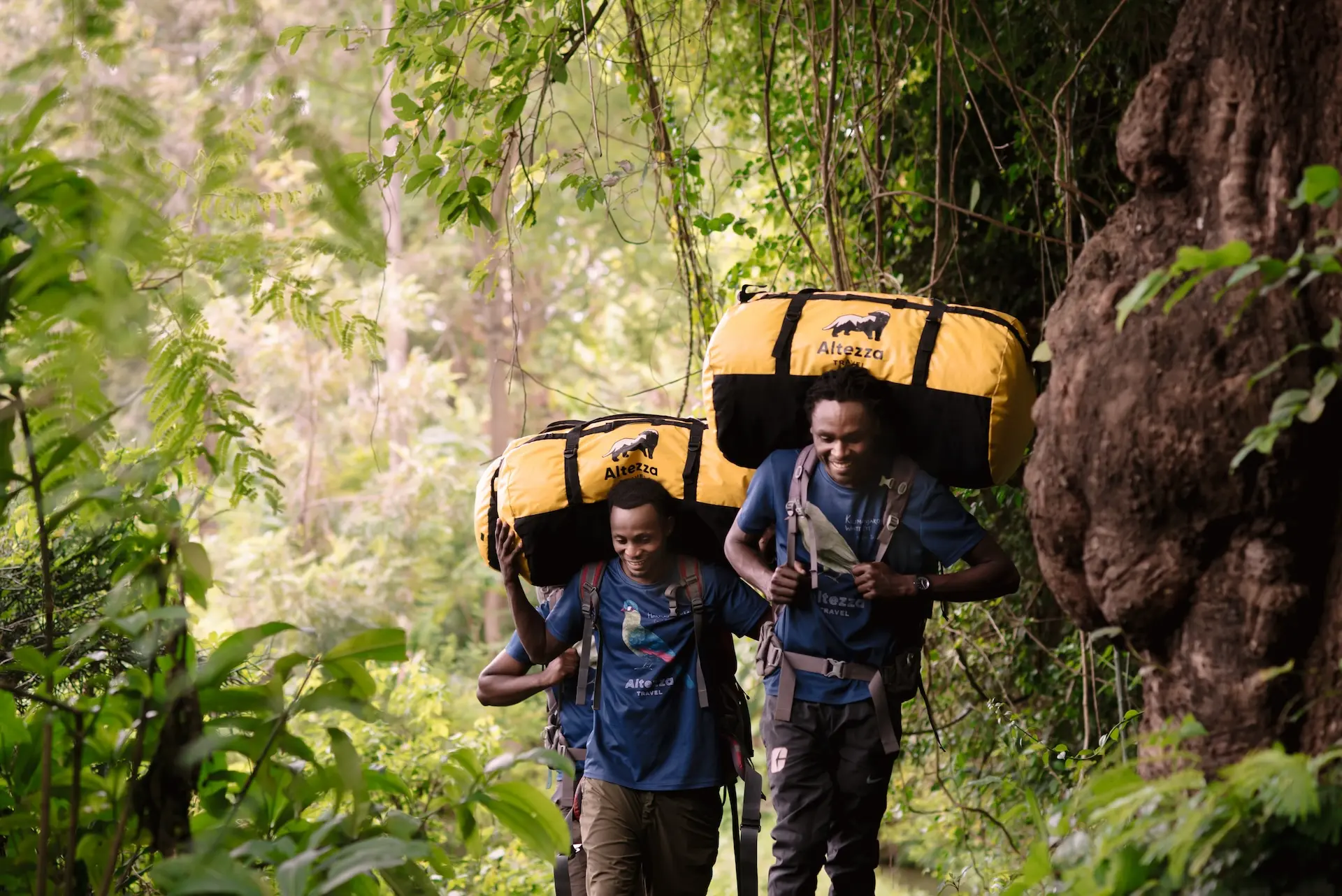
- Utilize Your Crew: Your guides will provide boiled water at meal times and often have it available at camp. Don’t hesitate to ask for refills.
- Carry a Water Bottle/Bladder: Ensure you have at least a 2-3 liter capacity for carrying water during the day’s trek. Insulated bottles or bladders are recommended in colder conditions to prevent freezing.
- Monitor Urine Output: As mentioned, pale yellow urine is a good indicator of adequate hydration. If it’s consistently dark, you need to drink more.
- Warm Drinks Matter: Especially in the mornings and evenings, warm drinks like herbal tea, broth, or hot water with lemon are not only hydrating but also comforting and help warm you internally.
What to Drink: Water, Electrolyte Drinks, and More
Your daily fluid intake on Kilimanjaro should be a mix:
- Water: This will be your primary source of hydration. Top Guide Adventures ensures safe drinking water by boiling it daily.
- Electrolyte Powders/Tablets: These are highly recommended additions to your water. Brands like Nuun, Tailwind, or generic electrolyte mixes can be added to your water bottles. They provide essential salts and minerals and often improve the taste of the water. Pack a good supply for your entire trek.
- Herbal Teas: Your crew will offer hot water for tea. Opt for soothing herbal varieties like mint or ginger, which can also aid digestion.
- Broth/Soup: A warm broth or consommé at lunch or dinner provides hydration and much-needed sodium.
- Diluted Fruit Juice: In moderation, a small amount of diluted juice can add flavor and a small carbohydrate boost, but avoid overly sugary drinks.
What to Avoid for Optimal Hydration
Certain beverages can work against your hydration goals at altitude:
- Alcohol: Alcohol is a diuretic, meaning it increases urine production and can lead to dehydration. It also interferes with sleep and acclimatization. Avoid it completely during your trek.
- Excessive Caffeine: While moderate caffeine intake is generally fine for most people, large amounts can have a mild diuretic effect. If you’re a heavy coffee drinker, consider reducing your intake or sticking to decaf options.
- Sugary Drinks: Highly sweetened sodas or energy drinks can cause sugar spikes and crashes and may not hydrate as effectively as water or electrolyte solutions.
Personalizing Your Hydration Plan for 2026-2027 Climbs
Your personal needs might vary. Consider these factors when planning your 2026-2027 Kilimanjaro hydration strategy:
- Previous Experience: If you’ve trekked at altitude before, you might have a better understanding of your body’s hydration needs.
- Sweat Rate: Some individuals naturally sweat more than others. If you’re a heavy sweater, you’ll need to focus on replenishing fluids and electrolytes more diligently.
- Dietary Needs: If you have specific dietary restrictions or preferences, ensure your electrolyte supplements align with them.
- Route Choice: While hydration is key on all routes, longer, more challenging routes might demand more rigorous fluid management.
At Top Guide Adventures, we understand that every trekker is unique. Our experienced guides provide daily health checks and are trained to advise you on your hydration and overall well-being throughout the climb. They can help you adjust your intake based on how you’re feeling and the conditions on the mountain. For personalized advice tailored to your specific 2026-2027 Kilimanjaro trek, please don’t hesitate to reach out to our team. You can contact us via WhatsApp at +255 616 946 642 or email us at topguideadventures@gmail.com. We are committed to ensuring your Kilimanjaro adventure is as safe and enjoyable as possible.
Key Takeaway: Consistent fluid intake (3-5 liters daily) and electrolyte replenishment are non-negotiable for altitude acclimatization and preventing sickness on Kilimanjaro. Plan your electrolyte supplements carefully for your 2026-2027 climb.
By focusing on proper Kilimanjaro hydration, including adequate water intake and essential salts and electrolytes, you significantly enhance your chances of a successful and enjoyable summit experience. Remember, preparation is key, and Top Guide Adventures is here to support you every step of the way.
Check Availability for Kilimanjaro Hydration, Salts And Electrolytes – Water Intake High Altitude
Ready to compare dates, prices, and the best option for your group? Send the package name and travel month so the team can reply with a clear quote, availability, and what is included.

Lake Jipe Fishing Experience: Bird Watching & Kilimanjaro Region Day Trip
Discover the serene beauty of Lake Jipe with a unique day trip focused on fishing, bird watching, and the impressive Kilimanjaro Region landscape. This experience offers a peaceful escape...
View package details
Best Affordable Hotel In Arusha – Budget Accommodation Before Safari And
Best Affordable Hotel in Arusha – Budget Accommodation Before Safari and Kilimanjaro is explained with current 2026-2027 planning, price, itinerary and.
View package detailsSahara Desert Expedition Journeys: Camel Trekking, Camps, And Adventure Tours
Discover the allure of Sahara Desert expedition journeys, from the iconic camel trek to in-depth desert camp stays and the spirit of adventure that defines these unique experiences.
View package detailsMost Beautiful Mountains In The World: Premier Hiking And Trekking
This comprehensive guide explores the world's most stunning mountain ranges, focusing on their appeal for hikers and trekkers. It details iconic peaks, diverse terrains, and the unique...
View package details
Rubondo Island National Park Prices In Tanzania – Safari Fees, Chimpanzee
Understanding Rubondo Island National Park prices is key to planning your Tanzanian adventure. Costs vary based on accommodation, activities like chimpanzee trekking, and safari duration...
View package detailsNo closely related package is available yet for this topic.



