
A Kitulo National Park birding and flower photography safari offers a distinct Tanzanian experience focused on the country’s rich botanical diversity and avian life, particularly during the peak wildflower season. This specialized trip involves exploring the plateau’s unique montane grasslands, which transform into a riot of color with thousands of species of wildflowers, attracting a variety of endemic and migratory birds ideal for photographic capture. Planning for a 2026-2027 safari requires understanding the optimal timing for blooms and bird activity, the best photographic conditions, and the logistical considerations for accessing this remote highland park.
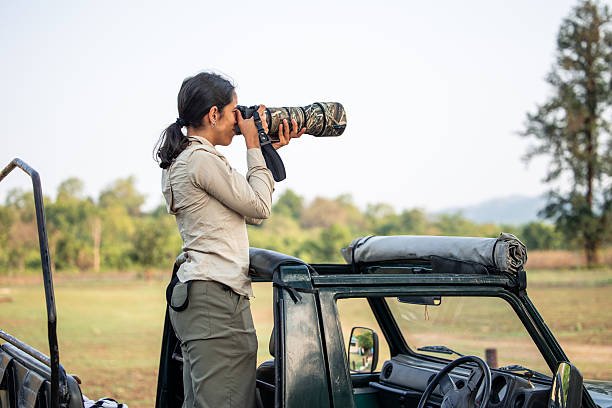

Table of Contents
- Understanding Kitulo’s Floral Spectacle: When to Visit for Blooms
- Birding Hotspots and Species for Your Photography Safari
- Essential Photography Gear and Techniques for Kitulo
- Crafting Your Kitulo Birding and Flower Photography Itinerary
- Logistics, Travel, and Accommodation in Kitulo
- Responsible Tourism and Conservation at Kitulo
- Booking Your Kitulo National Park Birding and Flower Photography Safari
Understanding Kitulo’s Floral Spectacle: When to Visit for Blooms
Kitulo National Park, often hailed as the “Garden of God,” is renowned for its extraordinary floral displays. Unlike typical Tanzanian safaris focused on large mammals, Kitulo’s primary draw is its unique montane grassland ecosystem, home to over 350 species of wild orchids and a vast array of other flowering plants. The timing of your visit is absolutely critical for experiencing the peak of these blooms. The main wildflower season typically runs from late November to April, coinciding with Tanzania’s rainy season. However, the most spectacular displays, particularly of the orchids, are often observed between February and April. During these months, the landscape is vibrant green, and the flowers are in full bloom, creating a photographer’s paradise. Visiting outside this window means you might miss the most impressive floral carpets, though the park’s unique flora is present year-round, with different species flowering at various times. For those specifically targeting the renowned orchid blooms, aim for the period between late February and April for your 2026 or 2027 safari.
The Southern Highlands, where Kitulo is located, experience a bimodal rainfall pattern. The “long rains” usually occur from March to May, while “short rains” can happen in November and December. While rain can be a factor, it is also what fuels the incredible growth and flowering. Expect overcast skies and potential rain showers, which can sometimes enhance the colors and create dramatic lighting for photography, but also necessitate careful planning for your gear and activities. If your primary interest is flower photography, consider dedicating more time during the peak months of February to April 2027.
Birding Hotspots and Species for Your Photography Safari
While Kitulo is celebrated for its flowers, it is also a significant habitat for a variety of bird species, many of which are endemic to the Southern Highlands or are important for conservation. The montane grasslands, interspersed with patches of forest and miombo woodland, support a diverse avian population. Birding here is often about spotting species adapted to this specific high-altitude environment. Keep an eye out for the endemic Kipengere Seedeater (also known as the Kipengere Prinia), which is a prime target for many ornithological photographers. Other notable species include the Southern Ground Hornbill, various sunbirds, African Grass Owl, Blue Swallow, and endemic species of the genus Apalis.
The park’s location within the Livingstone Mountains Important Bird Area (IBA) underscores its significance for birdlife. Birding is best undertaken on foot, allowing for quiet observation and better opportunities for photography. Early mornings and late afternoons are generally the most active periods for bird flight and foraging. You might find yourself focusing on smaller, more elusive species that inhabit the dense grasslands, requiring patience and a keen eye. The presence of water sources and varied vegetation types within and around the park contributes to the diversity. For serious bird photographers planning a 2026-2027 Kitulo National Park birding and flower photography safari, it’s advisable to consult with local guides who have an intimate knowledge of the best spots and the current activity of target species.
Consider combining your Kitulo visit with nearby areas known for birding, such as the Usambara Mountains or even venturing to Lake Manyara, though the latter offers a very different ecosystem. However, for a focused experience, Kitulo itself provides ample opportunities. The park’s relatively undeveloped status means that you are often the only visitors, allowing for undisturbed wildlife viewing and photography.
Essential Photography Gear and Techniques for Kitulo
A birding and flower photography safari to Kitulo demands specific gear and a thoughtful approach. For flowers, a macro lens (e.g., 100mm macro) is invaluable for capturing the intricate details of orchids and other blooms. A versatile zoom lens, such as a 70-200mm or 100-400mm, is also useful for broader floral landscapes and for capturing flowers in their natural habitat with surrounding greenery. For bird photography, a telephoto lens is essential, ideally 400mm or longer, possibly with a teleconverter for added reach. A sturdy tripod or monopod will be crucial for sharp images, especially in lower light conditions or when using longer lenses.
The lighting in the Southern Highlands can be dramatic, with frequent cloud cover and mist, especially during the rainy season. This can create beautiful soft light ideal for macro work, but also challenge fast-moving birds. Consider a camera body with good low-light performance and effective image stabilization. A rain cover for your camera and lenses is non-negotiable, as you will likely encounter showers. A wide-angle lens (e.g., 24-70mm) will be useful for landscape shots of the rolling hills and vast plateau, capturing the scale of the “Garden of God.” Don’t forget spare batteries and memory cards, as charging facilities might be limited. For your Kitulo National Park birding and flower photography safari, think about bringing a good pair of binoculars for scouting subjects before you raise your camera.
Photography Gear Checklist:
- Macro lens (e.g., 100mm)
- Telephoto lens (400mm+), potentially with teleconverter
- Versatile zoom lens (e.g., 70-200mm, 100-400mm)
- Wide-angle lens (e.g., 24-70mm)
- Sturdy tripod or monopod
- Camera body with good ISO performance
- Rain covers for camera and lenses
- Extra batteries and memory cards
- Binoculars
- Lens cleaning kit
Crafting Your Kitulo Birding and Flower Photography Itinerary
A typical itinerary for a Kitulo National Park birding and flower photography safari would range from 3 to 7 days, depending on your photographic interests and pace. A shorter 3-day trip, such as the 3 Day Kitulo National Park Hiking and Flower Tour 2026-2027, might focus on key viewpoints and accessible trails, offering a good introduction. For more in-depth exploration and a higher chance of capturing diverse subjects, a 5-day or 7-day itinerary is recommended. The 5 Day Kitulo National Park Flower Safari And Bird Watching Tour provides a balanced approach, allowing time for both dedicated birding and extensive flower photography sessions. The 7 Day Kitulo National Park Nature Photography and Hiking Tour 2026-2027 offers the most comprehensive experience, potentially including hikes into more remote areas and opportunities to revisit favorite spots.
Your itinerary should be structured to maximize light and activity. Early mornings are best for birding and capturing the landscape in soft light. Mid-day can be used for resting or visiting areas with shade. Late afternoons offer another golden hour for photography. If you are interested in hiking as well, ensure your itinerary includes time for this, as many of the best photographic opportunities are found along the trails. Consider adding a day or two to explore the surrounding Livingstone Mountains for different perspectives and potentially different flora and fauna. When planning for 2026-2027, discuss your specific photographic goals with your tour operator to tailor the schedule.
Logistics, Travel, and Accommodation in Kitulo
Kitulo National Park is located in the Southern Highlands of Tanzania, between the Livingstone Mountains and the Kipengere Range. Access is typically from the town of Mbeya or Njombe. The journey to Kitulo involves driving on roads that can be challenging, especially during the rainy season. A 4×4 vehicle is highly recommended, and often essential, for navigating the terrain. Most visitors will arrange transport from Mbeya or Njombe, which involves a drive of several hours. Top Guide Adventures, based in Moshi/Arusha, can coordinate these transfers as part of your safari package.
Accommodation within or immediately adjacent to Kitulo National Park is limited. There are no large lodges or hotels inside the park. Visitors typically stay in basic park bandas (huts) or campsites. These offer a rustic experience, immersing you directly in the natural environment. For those seeking more comfort, staying in nearby towns like Mbeya or Njombe and making day trips into the park is an option, though this significantly reduces the time available for photography and birding at dawn and dusk. Camping is a popular choice for photographers who want to be on location for the best light. Ensure your camping gear is adequate for potentially cold highland nights. Some tour operators may offer mobile camping setups, providing tents, cooking equipment, and support staff.
When booking your Kitulo National Park birding and flower photography safari for 2026-2027, clarify the accommodation arrangements and transportation details thoroughly. Confirm whether the park bandas are available and what amenities they offer. If camping, understand what is included (e.g., tents, sleeping bags, meals, camp staff). The remoteness of Kitulo means that supplies are limited, so your tour operator should handle all provisions.
Responsible Tourism and Conservation at Kitulo
Kitulo National Park is a protected area, and responsible tourism practices are paramount to preserving its unique ecosystem. As a visitor, your actions directly impact the delicate environment. Stick to designated paths and trails to avoid trampling fragile vegetation and disturbing wildlife. Never pick flowers or remove any natural souvenirs from the park; the beauty of Kitulo lies in its intact natural state. When photographing birds, maintain a respectful distance to avoid stressing them or altering their behavior. Avoid using flash photography on sensitive species, especially at close range.
Support local conservation efforts by choosing reputable tour operators who adhere to ethical tourism guidelines. Top Guide Adventures is committed to responsible travel in Tanzania and Zanzibar. Ensure your guide is knowledgeable about the park’s conservation status and wildlife. Pack out everything you pack in, including all litter. This is especially important for campers. The park’s unique floral biodiversity means that it is vulnerable to human impact, and visitor numbers are generally kept low to minimize this. Your visit can contribute to the park’s sustainability if managed correctly. For a 2026-2027 trip, familiarize yourself with the park’s regulations and guidelines before arrival.
If you are interested in other unique natural attractions in Tanzania, consider exploring Rubondo Island National Park for its biodiversity or Saadani National Park for a coastal wilderness experience.
Booking Your Kitulo National Park Birding and Flower Photography Safari
To plan your ideal Kitulo National Park birding and flower photography safari for 2026-2027, it’s best to work with an experienced local tour operator. Companies like Top Guide Adventures specialize in crafting personalized itineraries for unique destinations like Kitulo. They can advise on the best time to visit based on your specific interests (e.g., peak orchid season, specific bird migrations) and handle all logistical arrangements, including transport, accommodation, park fees, and guides. When contacting them, be sure to mention your focus on birding and flower photography, as this will help them tailor the trip effectively.
Key details to discuss when booking include the duration of your safari, your preferred accommodation style (camping, park bandas), and any specific photographic or birding targets you have. A custom itinerary can be designed to maximize your opportunities. For instance, if you are interested in hiking, you might opt for a longer trip like the 7 Day Kitulo National Park Nature Photography and Hiking Tour 2026-2027. When confirming your booking for 2026 or 2027, ensure all inclusions and exclusions are clearly stated. This typically includes park entry fees, accommodation, meals as specified, vehicle hire, and guide services. Exclusions often involve international flights, visa fees, travel insurance, tips, and personal expenses.
For a personalized quote and expert advice on planning your Kitulo National Park birding and flower photography safari, reach out to the team at Top Guide Adventures. They can help you create an unforgettable experience in this extraordinary natural wonderland. You can contact them via WhatsApp at +255 616 946 642 or email at topguideadventures@gmail.com.
Check Availability for Kitulo National Park Birding And Flower Photography Safari 2026-2027
Ready to compare dates, prices, and the best option for your group? Send the package name and travel month so the team can reply with a clear quote, availability, and what is included.

Rubondo Island National Park Prices In Tanzania – Safari Fees, Chimpanzee
Understanding Rubondo Island National Park prices is key to planning your Tanzanian adventure. Costs vary based on accommodation, activities like chimpanzee trekking, and safari duration...
View package detailsBackground Remover Free: Enhancing Safari, Wildlife, And Travel Photography
This guide explores the utility of free background removal tools for photographers specializing in safari, wildlife, and travel imagery. It covers how these tools can enhance subject...
View package detailsThe Most Beautiful Animals In World: A Wildlife Photography And Safari
Exploring the planet's most visually stunning creatures offers a unique lens through which to appreciate biodiversity. This guide focuses on animals celebrated for their aesthetic...
View package detailsAfrica Tours & Travel, All Safari Booking In Tanzania 2026-2027
Africa Tours & Travel, All Safari Booking in Tanzania is explained with current 2026-2027 planning, price, itinerary and booking information.
View package detailsTop Car Brands Known For Reliability – Best Vehicles Road Trips, Safari
Top Car Brands Known for Reliability – Best Vehicles for Road Trips, Safari and Adventure Travel is explained with current 2026-2027 planning, price.
View package detailsMost Beautiful Countries In The World: Safari, Nature, And Adventure Travel
This guide explores the most beautiful countries globally, focusing on destinations that offer unparalleled opportunities for safari, nature immersion, and adventurous pursuits. From the...
View package detailsThe Worlds Richest Billionaires: Their Preferred Luxury Travel Destinations
This article delves into the travel habits and preferred destinations of the world's wealthiest individuals, examining their affinity for private islands, exclusive safari adventures, and...
View package detailsBiggest Animals Ever Discovered: African Wildlife, Ocean Giants, And Safari
Discover the planet's most massive creatures, including the giants of African savannas and the leviathans of the deep sea. Learn about their habitats, characteristics, and the awe they...
View package detailsWho Is The Richest President In Zambia? Examining Wealth And Public Office
This article delves into the question of who the richest president in Zambia is, examining the complexities of wealth disclosure, public perception, and the financial standing of past and...
View package detailsBest Gift Ideas For Men And Women: African Travel Gifts, Safari Souvenirs
Finding the perfect gift can be a rewarding experience, especially when it carries the spirit of adventure and culture. This guide explores the best gift ideas for both men and women...
View package detailsTop 10 Deadliest Snakes Worldwide – African Wildlife Destinations And Safari
Top 10 Deadliest Snakes Worldwide – African Snakes, Wildlife Destinations and Safari Safety is explained with current 2026-2027 planning, price, itinerary.
View package detailsBiggest Animals Ever Discovered: A Look At Giant Wildlife And Marine Giants
Discover the awe-inspiring scale of the largest animals to have ever inhabited Earth. This guide explores the biggest land mammals and the truly immense creatures of the ocean.
View package detailsNo closely related package is available yet for this topic.



