
The Kondoa UNESCO Rock Art Cultural Experience offers a profound journey into Tanzania’s ancient history, focusing on the extensive collection of prehistoric rock paintings found within the Kondoa region, a designated UNESCO World Heritage Site. This experience involves visiting multiple rock shelter sites, deciphering the narratives depicted by ancient artists, and connecting with the local communities to understand their heritage and traditions, providing a unique blend of archaeological discovery and cultural immersion. Planning for a visit in 2026-2027 requires considering the best itinerary length, accommodation options, and the specific cultural interactions you wish to have.
A Table of Contents:
- Understanding the Kondoa Rock Art Sites
- Planning Your Kondoa Cultural Experience
- What to Expect on a Kondoa Tour
- Key Rock Art Sites to Visit
- Cultural Interactions and Local Life
- Logistics and Practicalities for 2026-2027
- Booking Your Kondoa Adventure
Understanding the Kondoa Rock Art Sites
The Kondoa Rock Art sites represent one of the richest concentrations of prehistoric rock art in Africa, spanning thousands of years of human history. These aren’t just simple drawings; they are intricate depictions of daily life, rituals, and the natural world as understood by hunter-gatherer and early agricultural communities. Recognized by UNESCO in 2006, the sites are crucial for understanding human evolution and cultural development in East Africa. The paintings, often found in natural rock shelters, include figures of animals, humans, and abstract symbols, providing a visual chronicle from the Later Stone Age to the Iron Age. Understanding the significance of these sites is the first step in appreciating the depth of this cultural experience.
The art is categorized into different styles and periods, reflecting shifts in human activity and beliefs. For instance, the earliest paintings are often abstract, while later ones feature detailed human and animal figures. Some sites, like those near Kolo, are particularly well-preserved and accessible, allowing visitors to witness these ancient masterpieces firsthand. The sheer scale and complexity of the artwork make Kondoa a vital destination for anyone interested in prehistory and anthropology.
Planning Your Kondoa Cultural Experience
A successful Kondoa rock art cultural experience hinges on careful planning, especially for visits anticipated in 2026-2027. The duration of your trip is a primary consideration. While day trips are possible from nearby towns, a more in-depth experience typically requires at least a 3-day tour to fully appreciate the different art sites and engage with local culture. Longer itineraries, such as a 6-day adventure, allow for deeper exploration, potentially including visits to more remote shelters and extended cultural exchanges.
The timing of your visit also matters. The dry seasons, generally from June to October and December to February, offer the most pleasant weather for exploring the sites, which often involve walking and some hiking. During these periods, the landscapes are more accessible, and the risk of rain disrupting your plans is lower. However, the shoulder seasons can offer fewer crowds and potentially lower costs.
Consider what kind of cultural immersion you seek. Are you primarily interested in the art, or do you also want to engage with contemporary local communities, perhaps visiting traditional villages or learning about local crafts? Tailoring your itinerary to these interests will ensure a more rewarding experience. For instance, combining a Kondoa rock art tour with a visit to the Datoga cultural experience or a Hadzabe bush experience near Lake Eyasi can offer a broader perspective on Tanzanian heritage.
What to Expect on a Kondoa Tour
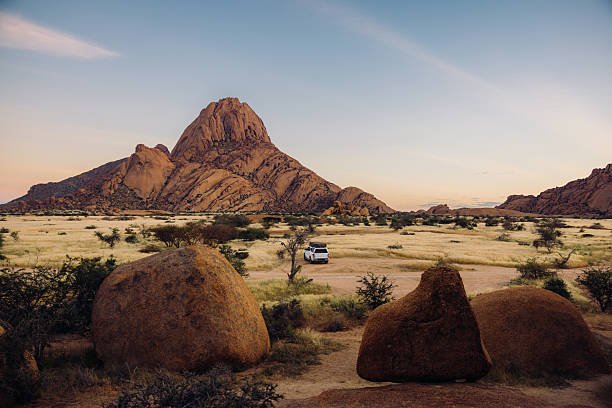
A typical Kondoa rock art tour involves guided visits to several key rock shelter locations. These sites are often managed by local guides who are knowledgeable about the art’s history and significance, and sometimes by park rangers from the Antiquities Department. You can expect to walk to the shelters, which can range from easy strolls to moderate hikes, often through scenic rural landscapes.
The artwork itself is the main draw. You’ll see vibrant paintings on cave walls, depicting a range of subjects. Your guide will help interpret the symbols and figures, explaining their potential meanings and the historical context. While the art is ancient, its preservation is an ongoing concern, and you’ll be expected to follow guidelines to protect the sites.
Beyond the art, a cultural experience might include interactions with local communities. This could involve visiting a traditional village, learning about daily life, or even participating in local activities. Some tours may incorporate visits to historical sites or natural attractions in the surrounding area. For those planning a trip in 2026 or 2027, it’s wise to confirm the exact inclusions with your tour operator, as experiences can vary.
Note: While the rock art is the primary focus, many visitors also find value in experiencing the contemporary culture of the region. Inquiring about opportunities for authentic cultural exchanges, such as visits to local markets or traditional homes, can enrich your trip considerably.
Key Rock Art Sites to Visit
The Kondoa region boasts over 150 rock art sites, but a select few are most accessible and significant for visitors. The area around Kolo is particularly rich and forms the core of most organized tours. Here are some of the key sites:
- Tinga Tinga: Famous for its dynamic human figures and animal depictions, often in motion. The style here is vibrant and tells stories of hunting and daily activities.
- Fenga I & II: These shelters contain a diverse range of paintings, including some of the oldest abstract art and more recent depictions of domesticated animals, indicating a transition in lifestyle.
- Ndala I & II: Known for their detailed human figures, often adorned with ornaments, and scenes that suggest ritualistic practices or social gatherings.
- Musaranya: Features paintings that are believed to be among the most recent, possibly from the Iron Age, showing interactions between different groups and early forms of agriculture.
When planning your Kondoa Rock Art Sites Tour Packages for 2026-2027, discuss with your operator which sites are included in their itineraries. Some longer tours, like a 5-day or 7-day itinerary, might incorporate less-visited sites, offering a more in-depth exploration for those with a keen interest in archaeology.
Cultural Interactions and Local Life
A genuine Kondoa UNESCO Rock Art Cultural Experience extends beyond the ancient art to encompass the living culture of the people who inhabit the region today. Many of the communities in and around Kondoa are descendants of those who lived alongside the artists of the past, preserving traditions and ways of life that have evolved over centuries.
Engaging with local communities can offer profound insights. This might involve visiting a traditional village, where you can learn about daily routines, farming practices, and social structures. Some tours may facilitate interactions with elders who can share oral histories, or with artisans who practice traditional crafts. For example, a Kondoa Cultural Tour and Traditional Village Experience can be arranged to provide this deeper connection.
It’s important to approach these interactions with respect and sensitivity. Understanding local customs and asking for permission before taking photographs are crucial. A good tour operator will facilitate these interactions in a way that is beneficial and respectful to both visitors and the local communities. For those planning for 2026-2027, seeking out tours that prioritize authentic, non-intrusive cultural engagement will lead to a more meaningful experience.
Logistics and Practicalities for 2026-2027
When booking your Kondoa UNESCO Rock Art Cultural Experience for 2026-2027, several logistical aspects require attention. Transportation is a key consideration. Kondoa is accessible via road from major cities like Arusha and Dodoma. A Kondoa Rock Art Sites Tour from Arusha Tanzania is common, typically involving a drive of several hours. Ensuring you have reliable transportation, usually a 4×4 vehicle for comfort and access, is essential.
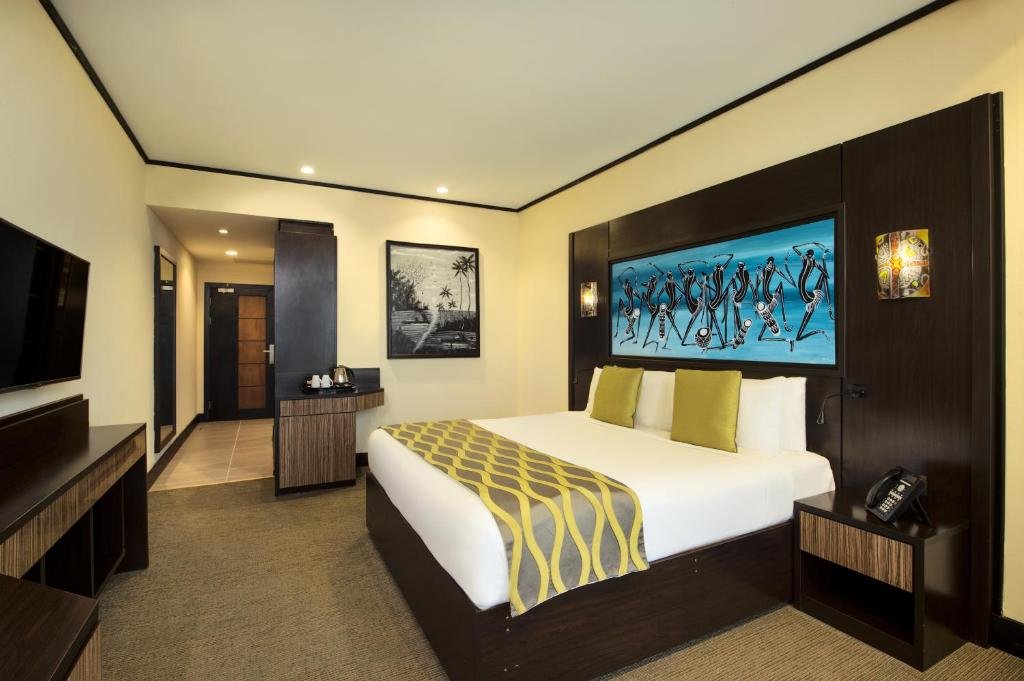
Accommodation options in the Kondoa area are generally modest. You might find basic guesthouses or lodges. For a more comfortable experience, some tours may arrange accommodation in nearby towns or include camping options. It’s advisable to clarify the accommodation standards with your tour operator.
Visa requirements for Tanzania should be checked well in advance of your 2026-2027 travel dates. Most nationalities require a visa, which can often be obtained online or upon arrival. Health precautions, such as vaccinations and malaria prophylaxis, should also be discussed with your doctor.
The cost of a Kondoa tour varies based on the duration, inclusions, and level of service. Expect prices to range from budget-friendly to mid-range, depending on whether you opt for group departures or private arrangements. For specific pricing guidance for 2026-2027, consulting operators like Top Guide Adventures is recommended, as they can provide tailored quotes for Kondoa Rock Art Sites Tour Cost and Prices.
Estimated Tour Durations and Considerations for 2026-2027:
| Duration | Focus | Typical Start/End Point | Best For |
|---|---|---|---|
| 3 Days | Key art sites near Kolo, introduction to local life | Arusha/Dodoma | Short visits, art enthusiasts |
| 4 Days | More sites, deeper cultural interaction, local village visit | Arusha/Dodoma | Balanced art and culture |
| 5-7 Days | Comprehensive exploration, remote sites, extended cultural immersion, possibly combined with other regional attractions | Arusha/Dodoma | In-depth discovery, history buffs |
Note: Itinerary specifics and pricing for 2026-2027 will depend on the tour operator. Always confirm inclusions such as guide fees, park entrance, meals, accommodation, and transportation.
Booking Your Kondoa Adventure
To arrange your Kondoa UNESCO Rock Art Cultural Experience, it’s best to partner with a reputable tour operator that has local expertise. Top Guide Adventures specializes in organizing cultural tours across Tanzania and can craft personalized itineraries for your 2026-2027 trip. They understand the nuances of visiting sensitive heritage sites and engaging respectfully with local communities.
When contacting them, be prepared to discuss your interests, desired duration, travel dates, and budget. Providing these details will help them design an itinerary that perfectly matches your expectations. For example, if you’re looking for a comprehensive tour, you might explore options like the 6 Day Kondoa Rock Art Sites Cultural Adventure or the 7 Day Kondoa Rock Art Heritage and Central Tanzania Tour.
Booking in advance is highly recommended, especially for popular travel periods in 2026-2027, to secure your preferred dates and ensure availability. Top Guide Adventures offers responsive booking support and can provide detailed quotes and answer any questions you may have about your trip.
For inquiries or to start planning your unforgettable journey into Tanzania’s ancient past, reach out to Top Guide Adventures:
- WhatsApp: +255 616 946 642
- Email: topguideadventures@gmail.com
Their team is ready to help you create a memorable and enriching Kondoa rock art cultural experience.
Check Availability for Kondoa Unesco Rock Art Cultural Experience: A Journey Into Tanzanias Ancient
Ready to compare dates, prices, and the best option for your group? Send the package name and travel month so the team can reply with a clear quote, availability, and what is included.
Best New Artists To Discover At Music Festivals, Cultural Events, And Through
Explore the dynamic landscape of emerging music by uncovering new artists through the vibrant energy of global music festivals, enriching cultural events, and in-depth travel experiences...
View package details20 Fashion, Beauty, And Lifestyle Experiences: Markets, Shopping
Discover a curated selection of 20 distinct experiences that blend fashion, beauty, and lifestyle across global markets, shopping cities, and cultural encounters. This guide highlights...
View package details20 Fashion, Beauty, And Lifestyle Experiences: Markets, Shopping Cities
Discover a curated selection of 20 fashion, beauty, and lifestyle experiences, blending the allure of global markets, sophisticated shopping cities, and enriching cultural travel.
View package details
Cultural Tours Tanzania: Maasai, Hadzabe, Datoga, Chagga & Village Experiences
start an unforgettable cultural journey through Tanzania, connecting with the Maasai, Hadzabe, Datoga, and Chagga peoples, alongside authentic local village experiences. This guide provides...
View package details
Hadzabe Tribe Visit Lake Eyasi Cultural Tour: Hunting, Village Life & Datoga
Discover the authentic culture of the Hadzabe and Datoga people on a cultural tour to Lake Eyasi. This guide details the hunting practices, village life, and unique experiences awaiting you...
View package details
Hadzabe And Datoga Tribe Safari – Lake Eyasi Cultural Tour Traditional
Hadzabe and Datoga Tribe Safari – Lake Eyasi Cultural Tour and Traditional Experiences is explained with current 2026-2027 planning, price, itinerary and.
View package detailsTop 20 Richest Musicians In Africa – African Music, Cultural Festivals And
This article delves into the financial landscape of Africa's music industry by identifying and examining the net worth of the top 20 richest musicians on the continent. It explores the...
View package detailsExploring History, Culture, And Heritage: A Deeper Understanding 2026-2027
This guide delves into the multifaceted world of history, culture, and heritage experiences, exploring their importance, how they are preserved, and how individuals can engage with them...
View package detailsThe Interplay Of Music, Entertainment, And Travel Experiences 2026-2027
Discover the dynamic relationship between music, entertainment, and travel. This guide explores how concerts, festivals, film locations, and celebrity culture influence where and how we...
View package detailsGhana Itinerary – Cultural Tours, Wildlife, Beaches And Historical
This guide offers a detailed exploration of Ghana, outlining a comprehensive itinerary that balances vibrant cultural experiences, opportunities for wildlife observation, significant...
View package detailsFreemason Documentary: Exploring Historic Masonic Buildings And Cultural
This article explores the intersection of Freemasonry, historical architecture, and cultural heritage, focusing on how documentaries illuminate the significance of Masonic buildings and...
View package detailsTop 10 Documentaries On Youtube – Travel, Wildlife, Nature And Cultural
Top 10 Documentaries on YouTube – Travel, Wildlife, Nature and Cultural Documentaries is explained with current 2026-2027 planning, price, itinerary and.
View package detailsNo closely related package is available yet for this topic.



