
A Kruger self-drive safari allows you to explore South Africa’s premier wildlife destination at your own pace, navigating the park’s extensive road network in your own rental vehicle and staying in various accommodation camps managed by SANParks. The primary decision for a self-drive trip involves selecting your preferred routes, the types of camps (from rustic bush camps to more comfortable rest camps), and understanding the associated costs for park entry, accommodation, and vehicle hire, crucial for planning your 2026-2027 adventure.
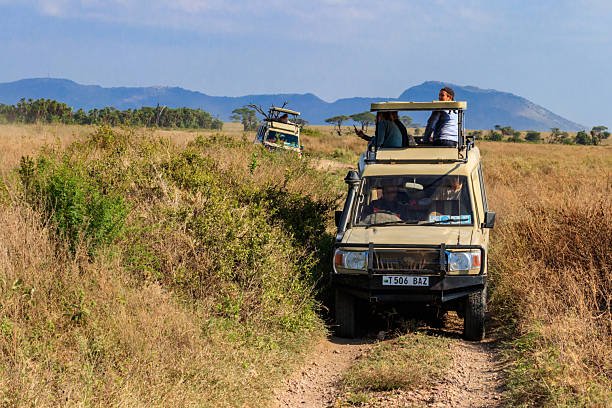
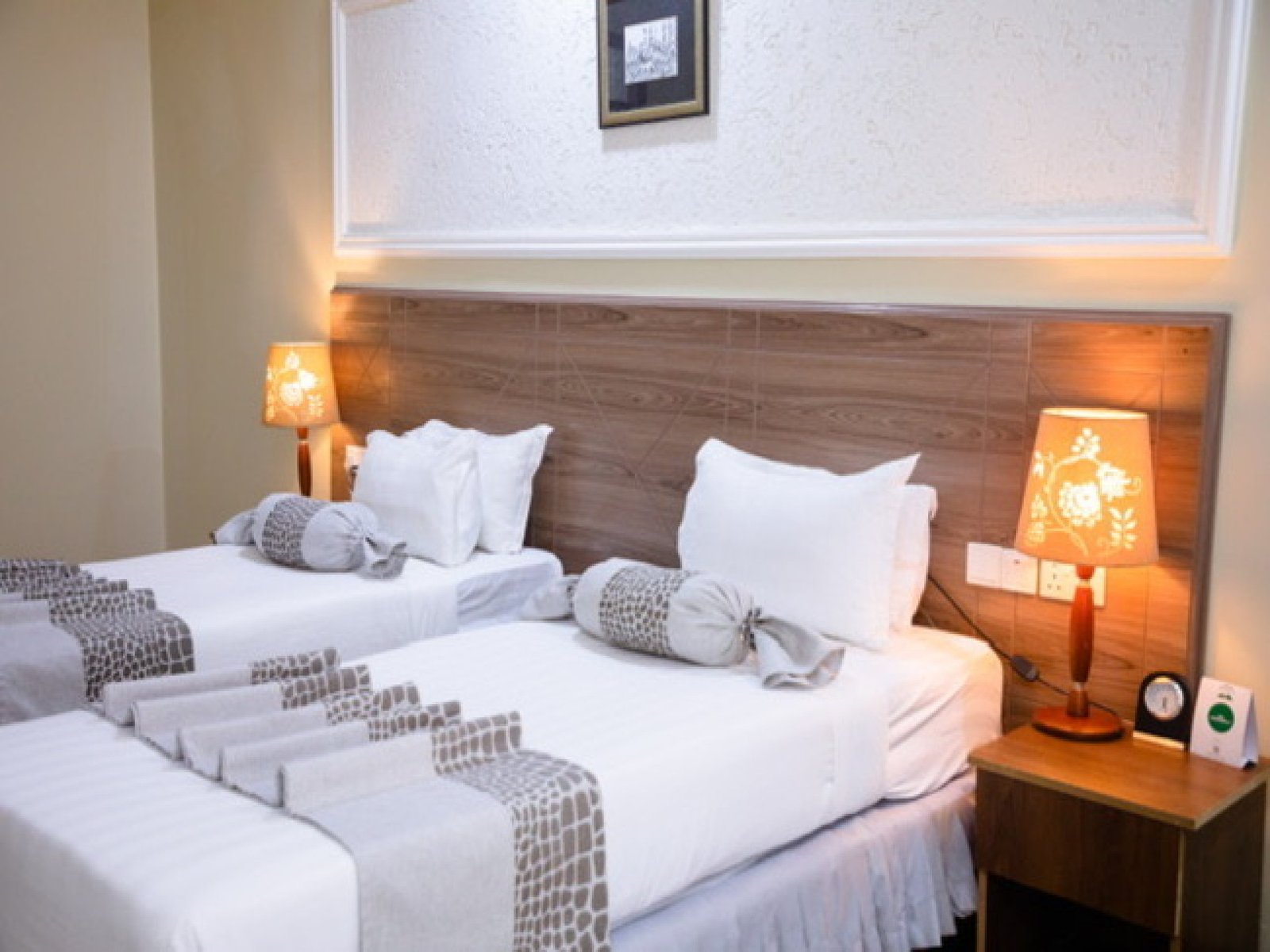
A self-drive safari in Kruger National Park offers unparalleled freedom and flexibility for wildlife enthusiasts. Unlike guided tours, you control your itinerary, decide when and where to stop for sightings, and can linger at promising spots. This approach is often more budget-friendly, especially for families or small groups, allowing for a deeply personal encounter with the African bush. Planning is key to a successful Kruger self-drive, from booking accommodation well in advance to understanding the park’s layout and wildlife distribution.
Understanding the Kruger National Park Landscape
Kruger National Park, one of Africa’s largest game reserves, spans over 1.9 million hectares and is divided into distinct ecological zones. Understanding these differences is fundamental to planning your self-drive routes. The southern section, closest to the main entrances like Paul Kruger and Crocodile Bridge, is generally more developed, offers a higher concentration of roads, and typically has a greater density of wildlife, including the Big Five (lion, leopard, elephant, rhino, buffalo). This area is ideal for first-time visitors or those on shorter trips. As you move north, the park becomes wilder, more remote, and less crowded. The central and northern regions offer a different kind of experience, with vast open spaces and a chance to see species less common in the south. For those seeking a more exclusive feel, the northernmost areas like Pafuri are exceptional.
Key Self-Drive Routes and Regions
While Kruger has an extensive network of roads, some routes are more popular and productive for self-drive safaris. Your choice of route will significantly influence your wildlife viewing opportunities and the overall feel of your trip. Most visitors focus on the southern and central areas due to accessibility and wildlife density. Popular routes include the main tarred roads connecting major rest camps like Skukuza, Lower Sabie, and Satara, which are excellent for covering ground and spotting animals along the roadside. For a more in-depth experience, venturing onto the gravel roads (often designated as ‘Game Drives’ or ‘4×4 trails’) can lead to quieter areas and more intimate sightings. Remember that some of these require a 4×4 vehicle, though many are accessible with a standard 2WD car, especially during the dry season.
Consider the following regional approaches for your 2026-2027 planning:
- Southern Kruger: Excellent for Big Five sightings, with a high density of animals and numerous rest camps (e.g., Skukuza, Pretoriaris Kop, Lower Sabie, Crocodile Bridge). This area is best for shorter trips (2-4 days) or as a starting point.
- Central Kruger: Offers a mix of woodland and open savanna, with camps like Satara and Olifants. This region is renowned for its lion and cheetah populations.
- Northern Kruger: Becomes progressively wilder and less populated. Camps like Punda Maria and the Pafuri region offer unique birding and a sense of remoteness.
For a comprehensive overview of routes, including distances and driving times between camps, refer to the official SANParks Kruger National Park maps or detailed guides like the Tanzania Self Drive Safari Guide: Routes, Car Rental & Planning For 2026-2027, which shares similar planning principles for independent exploration.
Choosing Your Kruger Accommodation Camps
Accommodation within Kruger National Park is managed by SANParks and ranges from basic campsites to self-catering bungalows and guesthouses. Booking accommodation is essential, especially for peak seasons in 2026-2027, as popular camps fill up months in advance. Your choice of camp will determine your base for exploring different areas and will significantly impact your budget and experience.
Types of SANParks Accommodation:
- Main Rest Camps: These are the largest and most popular camps, offering a range of facilities including restaurants, shops, swimming pools, and various accommodation types (bungalows, guest houses, camping sites). Examples include Skukuza, Lower Sabie, and Satara. They are convenient hubs for self-drive travelers.
- Bush Camps: These are smaller, more rustic camps with fewer facilities, offering a more intimate wilderness experience. Accommodation is usually limited to bungalows or tents. Examples include Bateleur, Maroela, and Roodewal. They are ideal for those seeking solitude.
- Wilderness Camps: Even more remote than bush camps, these often require 4×4 access and offer a true off-the-beaten-path experience. They typically have basic facilities and are suited for adventurous travelers.
- Private Concessions: While not part of the SANParks self-drive system, these are adjacent areas managed by private lodges that offer exclusive game viewing, often with guided drives. This is a different model from a self-drive trip but worth noting for comparison.
When booking, consider the camp’s location relative to the entrance gate you plan to use and the wildlife areas you wish to explore. For instance, if you are entering via the Crocodile Bridge gate, Lower Sabie or Crocodile Bridge rest camps are logical choices. If you plan a longer stay, consider splitting your time between two or three different camps to experience varied landscapes and wildlife.
Budgeting for Your Kruger Self-Drive Safari
The cost of a Kruger self-drive safari can vary significantly based on your choices of vehicle, accommodation, and duration. It’s crucial to factor in all potential expenses to create a realistic budget for your 2026-2027 trip.
Estimated Cost Components for a Kruger Self-Drive Safari (per person, per day, approximate):
- Park Entrance Fees: R460 (approx. $25 USD) per adult per day, and R230 (approx. $12.50 USD) per child per day. These are subject to change by SANParks.
- Accommodation: This is the largest variable.
- Camping: R150 – R400 (approx. $8 – $22 USD) per site per night.
- Bungalows/Chalets: R1,000 – R3,000 (approx. $55 – $165 USD) per unit per night, often accommodating 2-4 people.
- Guest Houses: R3,000 – R8,000+ (approx. $165 – $440+ USD) per night for larger groups.
- Vehicle Rental: R600 – R1,500+ (approx. $33 – $82+ USD) per day, depending on the vehicle type and rental company. Factor in insurance and potential extra driver fees.
- Fuel: Varies greatly based on driving distance and fuel prices. Budget around R300 – R700 (approx. $16 – $38 USD) per day for moderate driving.
- Food and Drinks: If self-catering, budget R300 – R600 (approx. $16 – $33 USD) per person per day. Eating at camp restaurants will increase this cost.
- Activities (Optional): Guided night drives or bush walks can add R500 – R1,000 (approx. $27 – $55 USD) per person per activity.
Total estimated daily cost (excluding vehicle rental): R1,000 – R2,500+ (approx. $55 – $137+ USD) per person, depending heavily on accommodation choice and dining habits. A 7-day self-drive safari for two people, including a mid-range bungalow, might range from $1,500 to $2,500 USD total, excluding flights to South Africa and vehicle rental.
For more detailed cost breakdowns, consider resources like How Much Is A 7 Day Safari In Tanzania : Costs & Itinerary Insights 2026-2027, which outlines similar budget considerations for African safaris.
Practical Planning Tips for Your Self-Drive Safari
Successful Kruger self-drive planning involves more than just booking; it’s about being prepared for the realities of wilderness travel. Here are essential tips to ensure a smooth and enjoyable experience for your 2026-2027 trip:
Essential Planning Checklist:
- Book Accommodation Early: Especially for popular camps and peak seasons (June-October for dry season, December-February for green season). SANParks accommodation can be booked via their website.
- Vehicle Choice: A standard 2WD vehicle is sufficient for most main roads. However, a higher clearance vehicle or 4×4 can be beneficial for some gravel roads and offers peace of mind. Ensure your rental agreement permits driving on gravel and in national parks.
- Navigation: Download offline maps of Kruger National Park or purchase a detailed physical map. GPS devices are also useful. Relying solely on phone signal can be problematic.
- Supplies: Stock up on food, water, and essentials before entering the park, as options within camps can be limited and expensive. Main rest camps have shops, but variety is not guaranteed.
- Park Rules and Regulations: Familiarize yourself with Kruger’s rules, including speed limits (usually 50 km/h on tar, 40 km/h on gravel), staying within your vehicle except at designated rest areas, and no off-road driving. Adherence is crucial for safety and conservation.
- Safety: Always be aware of your surroundings. Lock your vehicle, do not leave valuables visible, and never feed or approach wildlife. Be cautious when exiting your vehicle, even in rest camps.
- Communication: Mobile phone signal is patchy. Consider a satellite phone for remote areas or emergencies, though most camps have landlines.
- Packing: Pack light, neutral-colored clothing, a good pair of binoculars, a camera with a zoom lens, insect repellent, sunscreen, a hat, and a warm jacket for early morning and late evening drives.
Wildlife Viewing Strategies on a Self-Drive
The thrill of a self-drive safari lies in the spontaneous wildlife encounters. While luck plays a role, strategic planning can significantly increase your chances of seeing a wide variety of animals, including the sought-after Big Five.
Here are some proven strategies:
- Timing is Key: The best times for wildlife viewing are generally early morning (shortly after sunrise) and late afternoon (before sunset), when animals are most active and temperatures are cooler.
- Utilize Waterholes and Riverbanks: Animals congregate around water sources, especially during the dry season. Drive along rivers like the Sabie and Olifants, and check popular waterholes marked on maps.
- Follow Other Vehicles (Judiciously): If you see a cluster of cars stopped, it usually means there’s a sighting. Approach slowly and respectfully, and avoid blocking the road. However, don’t solely rely on this; explore quieter roads too.
- Look for Animal Activity: Pay attention to birds swooping low (indicating prey for raptors), baboons and monkeys feeding, or the tell-tale signs of predators resting in the shade.
- Drive Slowly and Quietly: This allows you to spot animals that might otherwise be hidden and avoids startling them.
- Explore Different Habitats: Different animals prefer different environments. Mix your drives through open savanna, woodlands, and riverine areas to increase your chances of encountering a wider species list.
- Consider Guided Activities: While it’s a self-drive, booking a guided night drive or bush walk can offer insights from experienced rangers and access to areas or times you can’t explore alone. This can be a valuable addition to your 2026-2027 itinerary.
When to Visit Kruger National Park
The best time to visit Kruger for a self-drive safari depends on your priorities. Each season offers a distinct experience, with implications for wildlife viewing, weather, and crowd levels.
- Dry Season (May to October): This is the most popular time for wildlife viewing. Vegetation thins out, and animals are drawn to permanent water sources, making them easier to spot. Temperatures are milder, especially from June to August. However, this is also the busiest and most expensive period.
- Wet Season (November to April): This is the ‘green season’. The landscape is lush, and it’s the best time for birdwatching as migratory birds are present. Newborn animals are common, offering incredible photographic opportunities. However, rain can make roads muddy and difficult to traverse, and dense vegetation can sometimes obscure wildlife. Temperatures are higher. This period is generally less crowded and more affordable.
For travelers planning their trip in 2026-2027, consider that the shoulder months (April-May and October-November) can offer a good balance of decent weather, good wildlife viewing, and fewer crowds.
Making the Most of Your Kruger Self-Drive
A self-drive safari in Kruger National Park is a rewarding experience that offers a unique connection with nature. By understanding the park’s layout, planning your routes and accommodation meticulously, and preparing for the practicalities, you can ensure an unforgettable adventure. Remember to book well in advance, especially if you are planning for peak travel periods in 2026 or 2027. For personalized assistance with planning your South African safari, including self-drive options, you can reach out to local experts.
If you’re looking for expert guidance on planning your South African safari, or any other East African adventure, the team at TOP GUIDE ADVENTURES can help tailor an itinerary to your needs. Whether you’re considering a Kruger self-drive or exploring other iconic destinations, they offer local knowledge and support. Contact them via WhatsApp +255 616 946 642 or Email topguideadventures@gmail.com for personalized planning assistance for your 2026-2027 travels.
Check Availability for Kruger Self Drive Safari: Routes, Camps, Costs & South Africa Planning
Ready to compare dates, prices, and the best option for your group? Send the package name and travel month so the team can reply with a clear quote, availability, and what is included.
Africa Tours & Travel, All Safari Booking In Tanzania 2026-2027
Africa Tours & Travel, All Safari Booking in Tanzania is explained with current 2026-2027 planning, price, itinerary and booking information.
View package detailsBiggest Animals Ever Discovered: African Wildlife, Ocean Giants, And Safari
Discover the planet's most massive creatures, including the giants of African savannas and the leviathans of the deep sea. Learn about their habitats, characteristics, and the awe they...
View package detailsBest Gift Ideas For Men And Women: African Travel Gifts, Safari Souvenirs
Finding the perfect gift can be a rewarding experience, especially when it carries the spirit of adventure and culture. This guide explores the best gift ideas for both men and women...
View package detailsTop 10 Deadliest Snakes Worldwide – African Wildlife Destinations And Safari
Top 10 Deadliest Snakes Worldwide – African Snakes, Wildlife Destinations and Safari Safety is explained with current 2026-2027 planning, price, itinerary.
View package details
Great Serengeti Migration Safaris In Tanzania: Best Routes, Seasons &
Discover the magic of the Great Serengeti Migration with Top Guide Adventures. This guide covers the best routes, optimal seasons for wildlife viewing, and essential planning tips for your...
View package details
How To Visit Southern Serengeti For Calving Season – Ndutu Safari, Timing And
Visiting the Southern Serengeti during the calving season in Ndutu offers an unparalleled wildlife spectacle. This guide details the optimal timing, essential logistics, and what to...
View package detailsTop Car Brands Known For Reliability – Best Vehicles Road Trips, Safari
Top Car Brands Known for Reliability – Best Vehicles for Road Trips, Safari and Adventure Travel is explained with current 2026-2027 planning, price.
View package detailsMost Beautiful Countries In The World: Safari, Nature, And Adventure Travel
This guide explores the most beautiful countries globally, focusing on destinations that offer unparalleled opportunities for safari, nature immersion, and adventurous pursuits. From the...
View package detailsThe Worlds Richest Billionaires: Their Preferred Luxury Travel Destinations
This article delves into the travel habits and preferred destinations of the world's wealthiest individuals, examining their affinity for private islands, exclusive safari adventures, and...
View package detailsBackground Remover Free: Enhancing Safari, Wildlife, And Travel Photography
This guide explores the utility of free background removal tools for photographers specializing in safari, wildlife, and travel imagery. It covers how these tools can enhance subject...
View package detailsWho Is The Richest President In Zambia? Examining Wealth And Public Office
This article delves into the question of who the richest president in Zambia is, examining the complexities of wealth disclosure, public perception, and the financial standing of past and...
View package detailsThe Most Beautiful Animals In World: A Wildlife Photography And Safari
Exploring the planet's most visually stunning creatures offers a unique lens through which to appreciate biodiversity. This guide focuses on animals celebrated for their aesthetic...
View package detailsNo closely related package is available yet for this topic.



