
A Lake Natron, Serengeti, and Ngorongoro safari itinerary typically combines three distinct Tanzanian highlights, offering a journey from the dramatic landscapes of the Great Rift Valley to the iconic wildlife haven of the Serengeti and the unique ecosystem of the Ngorongoro Crater.
This multi-destination safari is best experienced over 7 to 10 days, providing ample time to explore each area’s unique offerings. The typical route starts from Arusha, heading north to Lake Natron, then west into the Serengeti, and finally south to the Ngorongoro Conservation Area before returning to Arusha. Key decisions involve choosing the best time to visit for wildlife viewing and specific interests like birding or the Great Migration, selecting accommodation styles (lodges, tented camps, or camping), and determining the most suitable safari vehicle and guide. For 2026-2027 travel, early booking is recommended, especially for peak seasons.

Understanding the Lake Natron, Serengeti & Ngorongoro Combination
Combining Lake Natron, the Serengeti, and the Ngorongoro Crater offers a comprehensive Tanzanian safari experience that goes beyond the typical Northern Circuit. This route is designed for travelers seeking diverse ecosystems and unparalleled wildlife viewing opportunities. Lake Natron, with its stark, otherworldly beauty and importance as a breeding ground for lesser flamingos, provides a unique contrast to the boundless grasslands of the Serengeti and the dramatic sunken caldera of the Ngorongoro Crater.
This itinerary is particularly appealing for those who want to experience the raw, less-trodden paths of northern Tanzania alongside its most famous wildlife destinations. The geological wonders and specific ecological niches of Lake Natron add a layer of depth to the classic Serengeti-Ngorongoro safari. When planning for 2026-2027, understanding the seasonal movements of wildlife, especially the Great Migration in the Serengeti, is crucial for maximizing your viewing potential.
Why Combine Lake Natron, Serengeti, and Ngorongoro?
The synergy between these three locations creates a richer narrative for your Tanzanian adventure. Lake Natron is a photographer’s dream, with its surreal, rust-colored waters and dramatic volcanic landscapes, including the Ol Doinyo Lengai volcano. It’s also a crucial birding destination. The Serengeti, on the other hand, is synonymous with the Great Migration and offers encounters with the Big Five (lion, leopard, elephant, buffalo, and rhino) across its vast plains. Ngorongoro Crater, a UNESCO World Heritage Site, boasts one of the highest densities of wildlife in Africa, often referred to as a natural Eden, where you can find elephants, lions, rhinos, and hippos in close proximity.
By combining them, you get a holistic view of Tanzania’s natural heritage: the stark beauty of the Rift Valley floor at Natron, the endless savanna dramas of the Serengeti, and the concentrated biodiversity within the Ngorongoro caldera. This combination caters to a variety of interests, from serious wildlife photographers and birdwatchers to those seeking iconic safari moments and geological marvels. For those planning a trip in 2026 or 2027, this sequence provides varied scenery and wildlife encounters that few other itineraries can match.
Ideal Duration and Timing for Your Safari
To fully appreciate the unique offerings of Lake Natron, Serengeti, and Ngorongoro without feeling rushed, an itinerary of 7 to 10 days is generally recommended. A shorter trip, like a 4-day safari, would typically focus on just two of these locations, such as the Serengeti and Ngorongoro.
Timing is critical for wildlife viewing:
- June to October: This is the dry season. The Great Migration typically crosses the Grumeti and Mara Rivers in the Serengeti, offering spectacular river-crossing viewing opportunities. Lake Natron’s flamingo population is often at its peak during this period. Ngorongoro offers consistent game viewing year-round.
- November to May: This is the wet season. Wildlife disperses more widely in the Serengeti, but the calving season for wildebeest and zebras occurs in February and March, primarily in the southern Serengeti, attracting predators. The landscape becomes lush and green, offering stunning photographic backdrops. Lake Natron can be more challenging to access during heavy rains.
For 2026-2027, consider booking your preferred accommodation and safari dates at least 6-12 months in advance, especially if you plan to travel during the peak dry season (July-September) or around the Christmas/New Year holidays.
Sample Itinerary Structure: A 9-Day Journey
This sample itinerary provides a framework. Actual durations at each location can be adjusted based on your interests and available time. This structure is designed to offer a logical flow and maximize your experience.
Day 1: Arrival in Arusha & Preparation
Arrive at Kilimanjaro International Airport (JRO). You’ll be met and transferred to your lodge in Arusha. This day is for relaxing, a safari briefing, and preparing for your adventure. Top Guide Adventures can arrange for a pre-safari meeting to discuss the itinerary and answer any questions.
Day 2: Arusha to Lake Natron
After breakfast, start a scenic drive to Lake Natron. The journey takes approximately 4-5 hours, traversing dusty tracks and offering glimpses of rural Tanzanian life. Check into your accommodation near the lake. In the afternoon, you might visit the waterfalls or explore the lake shores.
Day 3: Lake Natron Exploration
Spend the day exploring the unique environment of Lake Natron. Options include visiting the flamingo breeding grounds (seasonal), hiking to the Engare Sero waterfalls, or a guided walk to observe the alkaline lake’s formations. For the adventurous, an optional hike up Ol Doinyo Lengai (usually an overnight trek) can be arranged, requiring an early start.
Day 4: Lake Natron to Serengeti National Park
After an early breakfast, drive towards the Serengeti National Park. You’ll likely enter via the Klein’s Gate or Bologonja gate in the north, depending on your chosen camp location. Enjoy a game drive en route to your lodge or tented camp. The northern Serengeti is known for its resident wildlife and river crossings (seasonal).
Day 5-6: Serengeti National Park
Two full days dedicated to exploring the vast Serengeti. Depending on the time of year, you’ll follow the Great Migration or focus on resident game populations. Activities include morning and afternoon game drives, with opportunities for bush breakfasts or sundowners. Consider an optional hot-air balloon safari for a unique perspective.
Day 7: Serengeti to Ngorongoro Conservation Area
Enjoy a final morning game drive in the Serengeti as you head towards the Ngorongoro Conservation Area. You might stop at Olduvai Gorge, an important paleoanthropological site. Ascend to the rim of the Ngorongoro Crater and check into your lodge, which offers spectacular views.
Day 8: Ngorongoro Crater Tour & Return to Arusha
Descend into the Ngorongoro Crater for a full morning of game viewing. The crater floor is teeming with wildlife, including the rare black rhino. After your crater tour, begin the drive back to Arusha, arriving in the late afternoon or early evening.
Day 9: Departure
Depending on your flight schedule, you may have time for some souvenir shopping in Arusha before being transferred to Kilimanjaro International Airport (JRO) for your departure.
Lake Natron: Focus and Activities
Lake Natron is not your typical safari destination; it’s an ecological marvel. The high alkaline content of the water, combined with its shallow depth, creates a unique environment. This alkalinity can calcify dead animals, giving the lake its eerie, sometimes reddish appearance. The primary draw for many visitors is the chance to see thousands of lesser flamingos, which breed in the lake’s highly saline conditions, finding refuge from predators.
Key activities at Lake Natron include:
- Flamingo Watching: Best observed during the breeding season, usually from September to December.
- Waterfalls Hike: Visit the Engare Sero waterfalls for a refreshing dip and stunning views of the surrounding escarpment.
- Lake Shore Walks: Observe the unique geological formations and birdlife along the lake’s edge.
- Ol Doinyo Lengai: For the physically fit and adventurous, a guided climb of this active volcano offers incredible sunrise views and a profound sense of isolation. This is a demanding trek requiring an overnight start.
- Maasai Cultural Visits: Engage with local Maasai communities to learn about their traditional way of life.
Access to Lake Natron can be challenging, particularly during the rainy seasons (March-April and November). Roads can become impassable, so a sturdy 4×4 vehicle is essential. Top Guide Adventures prioritizes safe and reliable transport for these less-developed areas.
Serengeti National Park: The Wildlife Heartbeat
The Serengeti is arguably the most famous national park in the world, renowned for its immense plains and the annual Great Migration. This natural spectacle sees over 1.5 million wildebeest, zebras, and gazelles traverse the ecosystem in search of fresh grazing. The Serengeti is home to a high concentration of predators, including lions, cheetahs, leopards, and hyenas, making it a prime destination for witnessing predator-prey interactions.
Highlights of a Serengeti Safari:
- The Great Migration: Witnessing millions of animals on the move is a life-changing experience. The location of the migration varies throughout the year, so itinerary planning for 2026-2027 should align with expected movements.
- Big Five Encounters: The park offers excellent chances to see lions, elephants, buffaloes, leopards, and rhinos.
- Diverse Habitats: From open grasslands and acacia woodlands to kopjes (rocky outcrops) and riverine forests, the Serengeti’s varied landscapes support a wide array of wildlife.
- Hot-Air Balloon Safaris: An optional but highly recommended activity offering a bird’s-eye view of the plains at sunrise.
The Serengeti is vast, and choosing where to stay within the park (central, western, northern, or southern) depends heavily on the season and the migration’s location. Top Guide Adventures can tailor your Serengeti experience to maximize wildlife viewing opportunities for your 2026-2027 trip.
Ngorongoro Conservation Area: A Natural Wonder
The Ngorongoro Crater, a UNESCO World Heritage Site, is a geological marvel and a sanctuary for wildlife. This massive, intact volcanic caldera spans about 19 kilometers (12 miles) in diameter, creating a self-contained ecosystem with a remarkable density of animals. It is one of the few places in Tanzania where you have a very high probability of spotting the Big Five in a single day, including the critically endangered black rhino.
Key features of Ngorongoro:
- Crater Floor Safari: Spend a full day exploring the diverse habitats on the crater floor, which includes grasslands, swamps, forests, and a salt lake.
- High Wildlife Concentration: Expect to see large herds of wildebeest and zebras, prides of lions, elephants, hippos, hyenas, and numerous bird species.
- Black Rhino: The crater is a stronghold for the black rhino, offering one of the best chances to see this elusive creature.
- Maasai Presence: Unlike national parks, the Ngorongoro Conservation Area allows Maasai pastoralists to live alongside wildlife, adding a cultural dimension.
Accommodation is typically located on the crater rim, offering impressive views. Game drives within the crater are strictly regulated to protect the environment and manage visitor numbers. It’s essential to book your crater access permits in advance, especially for 2026-2027 travel.
Accommodation Options
Your choice of accommodation significantly impacts your safari experience and budget. For this itinerary, you’ll find options ranging from basic camping to luxurious lodges.
- Camping: Public campsites within national parks and conservancies offer a budget-friendly and in-depth experience. Basic facilities are provided.
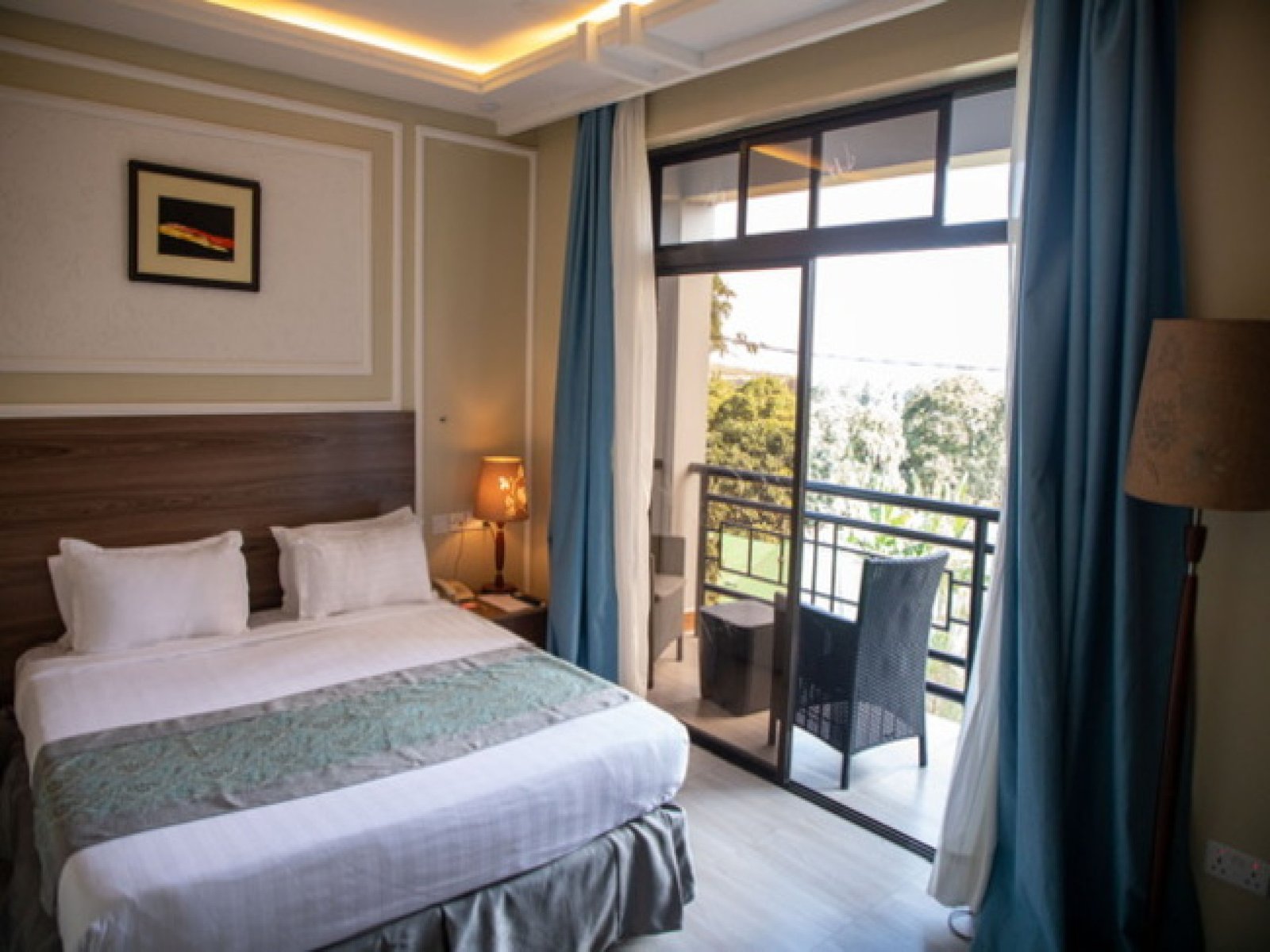
- Tented Camps: These offer a step up from camping, often with comfortable beds, en-suite bathrooms, and a more permanent structure. They provide a close-to-nature feel with added comfort. Many camps are strategically located to offer excellent wildlife viewing.
- Mid-Range Lodges: Comfortable lodges with private rooms, en-suite bathrooms, restaurants, and often swimming pools. They provide a good balance of comfort and value.
- Luxury Lodges & Camps: High-end properties offering exquisite service, gourmet dining, spacious suites, and often exclusive locations and amenities.
For Lake Natron, accommodation options are more limited, typically consisting of basic tented camps or lodges that embrace the remote nature of the location. Top Guide Adventures works with a range of carefully selected partners to ensure quality and comfort that matches your preferences and budget for your 2026-2027 safari.
Transportation and Vehicles
The choice of safari vehicle is crucial for comfort and game viewing. Top Guide Adventures primarily uses customized 4×4 Land Cruisers, which are ideal for the varied terrain of Tanzania.
- 4×4 Land Cruisers: These vehicles are equipped with pop-up roofs for excellent 360-degree viewing and photography, comfortable seating, and ample space for luggage. They are robust enough to handle the rough tracks leading to Lake Natron and the plains of the Serengeti.
- Experienced Guides: Our drivers/guides are licensed professionals with extensive knowledge of wildlife behavior, tracking, and local culture. They are key to a successful safari experience.
- Vehicle Capacity: Vehicles typically seat 5-7 passengers comfortably, ensuring everyone has a window seat and space. For solo travelers or smaller groups, private safaris offer more flexibility.
For transfers to and from Lake Natron, a 4×4 is non-negotiable due to road conditions. The Serengeti and Ngorongoro have well-maintained tracks, but the 4×4 capability is still beneficial, especially during the rainy season.
Budget Considerations for 2026-2027
The cost of a Lake Natron, Serengeti, and Ngorongoro safari can vary significantly based on several factors. Understanding these will help you budget effectively for your 2026-2027 trip.
Key Cost Factors:
- Duration: Longer safaris naturally cost more.
- Accommodation Style: Camping is the most budget-friendly, followed by mid-range lodges, and then luxury camps and lodges.
- Vehicle Type: While most operators use 4×4 Land Cruisers, some may offer slightly different configurations or older models at lower prices. Private safaris are more expensive than group-joining options.
- Time of Year: Peak season (dry season, holidays) generally sees higher prices for accommodation and sometimes park fees.
- Park Fees: These are fixed per person per day and are a significant part of the overall cost. For 2026-2027, expect these fees to remain a substantial component.
- Activities: Optional activities like hot-air ballooning or Ol Doinyo Lengai climbs will add to the total cost.
A typical 9-day safari covering these three destinations could range from $2,500 to $7,000+ per person, depending on the level of luxury and inclusions. Budget-conscious travelers might opt for group-joining safaris, while those seeking more comfort and exclusivity would choose private tours with higher-end lodges.
To get an accurate quote for 2026-2027, it’s best to contact operators directly with your preferred dates and style of travel.
Planning Your Safari with Top Guide Adventures
Planning a multi-destination safari like this requires careful coordination. Top Guide Adventures specializes in creating smooth itineraries that maximize your wildlife viewing and cultural experiences while ensuring comfort and safety. As a local expert based in Moshi/Arusha, we have firsthand knowledge of the regions, lodges, and logistical challenges.
Why choose Top Guide Adventures for your 2026-2027 safari?
- Local Expertise: We understand the nuances of each destination, from the best times to visit Lake Natron’s flamingos to the optimal locations for viewing the Great Migration in the Serengeti.
- Tailored Itineraries: We craft personalized trips based on your interests, budget, and travel style. Whether you’re looking for a budget group-joining safari or a private luxury adventure, we can accommodate.
- Reliable Logistics: From airport transfers to internal travel and accommodation bookings, we handle all the details. Our fleet of well-maintained 4×4 safari vehicles and experienced guides ensure a smooth journey.
- Comprehensive Support: We offer practical advice on packing, health, and visa requirements. For mountain treks, we also provide licensed guides, health checks, and emergency equipment.
To start planning your unforgettable Lake Natron, Serengeti, and Ngorongoro safari for 2026 or 2027, please reach out to us. We’re ready to help you create the adventure of a lifetime. You can contact us via WhatsApp at +255 616 946 642 or email us at topguideadventures@gmail.com. Let’s discuss your dream Tanzanian safari!
Check Availability for Lake Natron Serengeti And Ngorongoro Safari Itinerary: Your Expert Guide
Ready to compare dates, prices, and the best option for your group? Send the package name and travel month so the team can reply with a clear quote, availability, and what is included.

Tanzania Classic Wildlife Safaris: Serengeti, Ngorongoro, Tarangire & Manyara
start an unforgettable Tanzania classic wildlife safari covering the iconic parks of Serengeti, Ngorongoro Crater, Tarangire, and Lake Manyara. These tours are designed to showcase the best...
View package details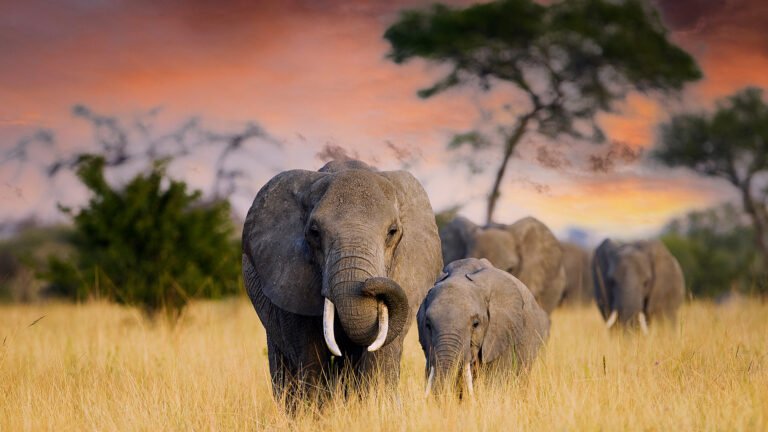
Can I Fly From Serengeti To Zanzibar After My Safari? 2026-2027
Can I Fly from Serengeti to Zanzibar After My Safari? is explained with current 2026-2027 planning, price, itinerary and booking information.
View package details
2 Day Tanzania Safari – Tarangire, Ngorongoro And Short Packages 2026-2027
2 Day Tanzania Safari – Tarangire, Ngorongoro and Short Safari Packages is explained with current 2026-2027 planning, price, itinerary and booking.
View package details
Serengeti Safari From Mwanza: Best Route For Western Tanzania & 2026-2027
Discover the optimal routes for a Serengeti safari starting from Mwanza, focusing on the unique experiences offered by Western Tanzania and the Western Serengeti. This guide provides...
View package details
Great Serengeti Migration Safaris In Tanzania: Best Routes, Seasons &
Discover the magic of the Great Serengeti Migration with Top Guide Adventures. This guide covers the best routes, optimal seasons for wildlife viewing, and essential planning tips for your...
View package detailsHow Much Does A Hadzabe Tribe Tour Cost? Lake Eyasi Prices And Cultural
Planning a trip to interact with the Hadzabe people? This guide breaks down the typical costs for Hadzabe tribe tours around Lake Eyasi, detailing what influences prices, what’s usually...
View package details
Hadzabe And Datoga Tribe Safari – Lake Eyasi Cultural Tour Traditional
Hadzabe and Datoga Tribe Safari – Lake Eyasi Cultural Tour and Traditional Experiences is explained with current 2026-2027 planning, price, itinerary and.
View package details
Tanzania Safari Packages With Airport Transfers And Hotel Nights Included
Planning a Tanzania safari? Discover comprehensive packages that bundle airport transfers and comfortable hotel stays, streamlining your journey from arrival to your first game drive. This...
View package details
Private Tanzania Safari With Flexible Daily Game Drive Schedules 2026-2027
Private Tanzania Safari with Flexible Daily Game Drive Schedules is explained with current 2026-2027 planning, price, itinerary and booking information.
View package details
Tanzania Safari Tours With Early Morning Game Drives Included 2026-2027
Tanzania Safari Tours with Early Morning Game Drives Included is explained with current 2026-2027 planning, price, itinerary and booking information.
View package details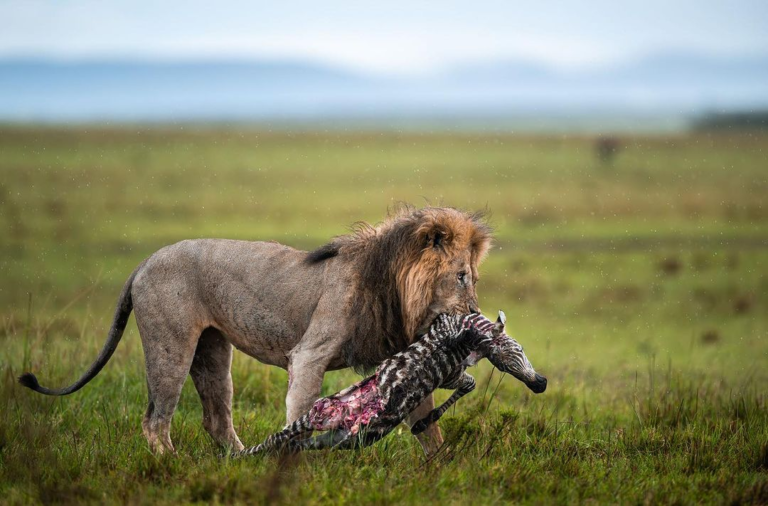
Tanzania Safari Packages Ending With A Flight To Zanzibar: Your Ultimate Guide
Discover the perfect blend of thrilling wildlife encounters and idyllic island life with a Tanzania safari package that concludes with a flight to Zanzibar. This guide covers essential...
View package details
Tanzania Safari Tours With Kilimanjaro Airport Pickup Included 2026-2027
Seamlessly begin your Tanzanian adventure with a safari package that includes pickup directly from Kilimanjaro International Airport (JRO). This guide details what to expect, popular...
View package detailsNo closely related package is available yet for this topic.



