
The cost of a private Tanzania safari in 2026-2027 typically ranges from $350 to over $1,500 per person per day, with the final price heavily influenced by accommodation style, safari duration, chosen parks, and specific inclusions. A private safari offers exclusive use of a safari vehicle and guide, allowing for a highly personalized itinerary and pace, which is the primary driver of its higher cost compared to group tours.
A Table of Contents:
- Understanding Private Safari Costs
- Key Factors Influencing Private Safari Prices
- What Is Typically Included in Your Private Safari Package?
- Accommodation Choices and Their Impact on Cost
- Duration and Itinerary Design Affecting Private Safari Budget
- Optional Extras and Hidden Costs to Consider
- Maximizing Value on Your Private Safari Investment
- Planning and Booking Your Private Tanzania Safari 2026-2027
Understanding Private Safari Costs
When you opt for a private Tanzania safari for your 2026 or 2027 adventure, you’re investing in an exclusive experience tailored precisely to your interests and schedule. This exclusivity is the main reason for the difference in pricing compared to joining a shared group tour. While a shared safari spreads the cost of the vehicle and guide across multiple travelers, a private safari means you bear these costs entirely. This allows for unparalleled flexibility – you decide when to start your game drives, how long to spend at a sighting, and where to focus your attention. This level of personalized service, combined with often higher-tier accommodations and dedicated logistical support, justifies the premium.
The daily rate for a private safari can vary significantly. For a comfortable mid-range experience, expect costs to hover around $400-$700 per person per day. If you’re aiming for luxury lodges or tented camps, this figure can easily climb to $800-$1,500+ per person per day. Budget-conscious travelers might find options closer to $350 per person per day, often involving more basic, yet still comfortable, tented camps or simpler lodges. These ranges are based on a minimum of two travelers; solo travelers will typically face a higher per-person rate due to the single occupancy of rooms and the entire vehicle.
It’s crucial to remember that these are daily rates that usually cover a comprehensive package. For instance, a 7-day private safari would see this daily rate multiplied by seven. Understanding what drives these costs is key to budgeting effectively for your 2026-2027 Tanzanian wildlife journey.
Key Factors Influencing Private Safari Prices
Several critical elements determine the final price tag of your private Tanzania safari. Understanding these allows you to make informed decisions and tailor your trip to your budget and expectations.
Park Entry Fees
Tanzania’s national parks and conservation areas are its crown jewels, and access comes with a fee. These fees are set by the Tanzania National Parks Authority (TANAPA) and are non-negotiable. For example, Serengeti National Park typically charges around $70-$80 per person per day, while the Ngorongoro Conservation Area has a Crater Service Fee of approximately $300 per vehicle plus $70-$80 per person per day. These fees are often a significant portion of the total safari cost, especially on longer itineraries covering multiple parks. Private safaris usually include these fees in their quotes, but it’s vital to confirm.
Accommodation Level
The type and standard of accommodation you choose will have the most substantial impact on your daily rate. From rustic yet comfortable tented camps to opulent lodges with private plunge pools, the spectrum is vast. Luxury options command higher prices due to their amenities, service levels, exclusivity, and often, prime locations within or near the parks. We’ll explore this in more detail later.
Transportation and Vehicle Type
For private safaris, you’ll typically use a custom-built 4×4 Land Cruiser or Land Rover, equipped with pop-up roofs for optimal game viewing. The cost of maintaining these specialized vehicles, along with the fuel required for extensive travel across Tanzania’s often rugged terrain, is factored into the price. Some operators might offer slightly older or less customized vehicles to reduce costs, but for a truly comfortable and effective private safari, a well-maintained 4×4 is essential. Fly-in safaris, which involve charter flights between remote airstrips to save driving time, significantly increase costs but offer a different kind of exclusive experience. This is something to consider for a Tanzania fly-in safari.
Guide and Crew Fees
Your private safari includes a dedicated, experienced safari guide. These guides are invaluable, possessing deep knowledge of wildlife behavior, tracking skills, and local ecosystems. Their expertise significantly enhances your game viewing and overall experience. The cost of employing these highly skilled professionals, including their wages, accommodation, and meals during the safari, is part of your package. For mountain treks like Kilimanjaro, you also have licensed guides, porters, and cooks, but for safaris, the focus is on the safari guide and driver.
Number of Travelers
As mentioned, private safaris are priced per vehicle or per day, with a minimum number of participants often assumed (usually two). If you are a solo traveler, you will likely pay a single supplement, effectively covering the costs that would otherwise be shared. For groups of four or more, the per-person cost can decrease, making it more economical for larger families or friends traveling together. This is a key distinction when comparing Tanzania safari cost for private and group tours.
Time of Year (Seasonality)
Tanzania experiences peak tourist seasons and shoulder seasons, which directly impact pricing. High season (typically June to October and December to February) sees higher demand, leading to increased prices for accommodation and sometimes park fees. Low season (March to May) often offers more competitive rates as lodges and operators seek to attract visitors. Traveling during the Great Migration in the Serengeti, for instance, will generally be more expensive due to its popularity. Understanding these seasonal variations can help you plan a 2026-2027 safari that aligns with your budget.
What Is Typically Included in Your Private Safari Package?
A well-structured private safari package from a reputable operator like Top Guide Adventures should offer comprehensive inclusions, providing peace of mind and allowing you to focus on the incredible wildlife. While specific inclusions can vary, most reputable operators will cover the following:
- Private 4×4 Safari Vehicle: Your own custom-built vehicle with a pop-up roof, driven by your dedicated guide. This ensures comfort, excellent game viewing angles, and flexibility.
- Professional Safari Guide: An experienced, knowledgeable guide who is an expert in tracking wildlife, understanding animal behavior, and navigating the parks.
- Park Entrance Fees: All necessary park and conservation fees for the national parks and reserves included in your itinerary.
- Accommodation: Lodging in selected camps or lodges for the duration of your safari. This can range from comfortable tented camps to luxury hotels.
- Meals: Typically, all meals are included – breakfast, lunch, and dinner – often served at your accommodation or as picnic lunches during game drives. Some packages might exclude drinks.
- Water: Bottled drinking water is usually provided in the safari vehicle throughout the day.
- Airport Transfers: Transfers from your arrival airport to your starting hotel and from your final accommodation back to the departure airport.
- Game Drives: Scheduled game drives within the national parks and reserves.
It’s essential to confirm these inclusions with your chosen tour operator. For example, some packages might offer all-inclusive rates which can cover drinks and laundry, while others are more standard. Always clarify what is explicitly covered to avoid unexpected expenses.
Accommodation Choices and Their Impact on Cost
Your choice of lodging significantly shapes the overall cost and the experience of your private Tanzania safari. Operators like Top Guide Adventures work with a range of properties to suit different preferences and budgets for 2026-2027 trips.
Budget Accommodations
These typically include basic tented camps or simple guesthouses outside park boundaries. While clean and safe, they offer fewer amenities and may be further from prime wildlife viewing areas. The cost is kept down by using more fundamental facilities. This is a good option for those prioritizing the safari experience itself over luxury lodging. These are often referred to as Tanzania low-cost safari packages.
Mid-Range Lodges and Tented Camps
This is the most popular category for many travelers. Mid-range accommodations strike a balance between comfort, service, and price. You can expect well-appointed rooms or canvas tents with en-suite bathrooms, good food, and often beautiful locations. Many lodges offer swimming pools and comfortable common areas. This level is ideal for families or couples seeking a comfortable, memorable experience without the highest price tag. These are often featured in Tanzania mid-range safari packages.
Luxury Lodges and Exclusive Camps
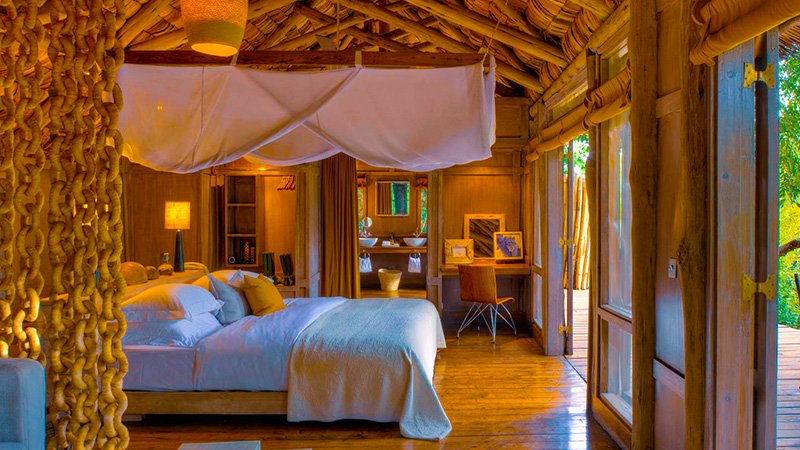
For the ultimate indulgence, luxury accommodations offer unparalleled service, gourmet dining, spacious suites, and often, prime locations within private concessions or prime wildlife areas. Some may include private plunge pools, butler service, and exclusive activities. These are the properties that drive the higher end of the private safari cost spectrum. Think of lodges that offer a truly bespoke and opulent experience, fitting for a private Tanzania luxury safari tour.
Permanent vs. Mobile Camps
Some operators offer mobile tented camps that follow the Great Migration across the Serengeti. These camps provide an in-depth experience, often situated in remote areas. While comfortable, they might be slightly less luxurious than permanent lodges but offer incredible proximity to wildlife, especially during specific seasons like the Serengeti calving season.
Duration and Itinerary Design Affecting Private Safari Budget
The length of your safari and the specific parks and regions you choose to visit are fundamental in calculating your private safari cost. A longer safari naturally incurs more daily costs, but it also allows for a deeper exploration of Tanzania’s diverse landscapes and wildlife.
Standard Itinerary Lengths
Most private safaris range from 5 to 14 days. A typical 7-day itinerary might cover the Northern Circuit’s highlights: Tarangire National Park, Lake Manyara National Park, the Ngorongoro Crater, and a few days in the Serengeti. Extending your trip to 10 or 14 days allows for more in-depth exploration of the vast Serengeti, perhaps including different regions like the northern Serengeti for migration viewing or venturing into less-visited parks in the west or central areas. Longer safaris often come with a slightly reduced daily rate from operators as they secure longer bookings.
Northern Circuit vs. Southern or Western Circuits
The classic Northern Circuit (Serengeti, Ngorongoro, Tarangire, Lake Manyara) is the most popular and generally has more established infrastructure, leading to a wider range of accommodation options and potentially more competitive pricing for standard packages. However, it can also be more crowded during peak seasons. Southern Tanzania safaris, such as those in Ruaha National Park or Selous Game Reserve (now Nyerere National Park), often involve more remote travel, potentially requiring internal flights, which can increase costs but offer a more exclusive, wilder experience. These are covered under Southern Tanzania Safari Cost and Prices and Southern Tanzania Private Safari Packages.
Western Tanzania parks like Mahale Mountains and Katavi are even more remote and typically involve significant flight costs, making them the most expensive but also the most adventurous and least-visited options. Eastern Tanzania, including Saadani National Park, offers a unique coastal safari experience and may have different pricing structures, as detailed in Eastern Tanzania Safari Packages: Cost, Itinerary & Expert Planning 2026-2027.
Customization and Itinerary Design
The beauty of a private safari is its customizability. You can work with your operator to design an itinerary that perfectly matches your interests, whether it’s focusing on birdwatching, photography, specific animal species, or cultural interactions. Adding extra days in a particular park, including specialized activities, or combining multiple regions will naturally increase the total cost. For instance, a private Tanzania safari focusing on Serengeti and Ngorongoro for 10 days will cost more than a 5-day trip covering just those two parks.
Optional Extras and Hidden Costs to Consider
While private safari packages are often comprehensive, there are always additional expenses and optional upgrades that can affect your final budget for a 2026-2027 trip. Being aware of these helps in accurate financial planning.
International Flights
The cost of flights to and from Tanzania (usually Kilimanjaro International Airport – JRO) is almost never included in safari package prices. These costs vary greatly depending on your departure location, time of booking, and the airline chosen.
Visas and Travel Insurance
You will need a Tanzanian visa, which can be obtained online or upon arrival. The fee is typically around $50-$100 USD. Comprehensive travel insurance, including medical evacuation and trip cancellation coverage, is highly recommended and an essential expense.
Gratuities
Tipping your safari guide and lodge staff is customary and greatly appreciated. While not mandatory, it’s a significant part of the overall cost. A common guideline is to tip your safari guide between $20-$30 per day, and lodge staff can be tipped collectively at the end of your stay (e.g., $10-$15 per guest per day for lodge staff). Your operator can provide specific recommendations for 2026-2027.
Drinks and Alcoholic Beverages
Unless your package is explicitly stated as all-inclusive, alcoholic beverages, sodas, and sometimes even bottled water beyond what’s provided in the vehicle will be an additional cost. Lodges often have price lists for drinks.
Personal Expenses
This includes souvenirs, laundry services (if not included), communication costs (like Wi-Fi or phone calls), and any personal items you might need to purchase.
Optional Activities
Some locations offer optional activities not typically part of a standard safari package. These could include hot air balloon safaris in the Serengeti (often $500-$600 per person), guided walking safaris in certain areas, or cultural visits. These are excellent ways to enhance your experience but add to the total cost.
Important Note:
Always request a detailed breakdown of what is included and excluded in your quote. This transparency is crucial for accurate budgeting. For instance, confirm if the 15 kg duffel bag allowance for light aircraft transfers is included or if you need to manage this yourself.
Maximizing Value on Your Private Safari Investment
A private safari is a significant investment, and you want to ensure you’re getting the best possible value for your money. Here’s how to approach it:
Choose the Right Operator
Partnering with an experienced, reputable local operator like Top Guide Adventures is paramount. Local operators have in-depth knowledge of Tanzania, strong relationships with lodges and park authorities, and can often negotiate better rates. They also provide essential on-the-ground support. Look for operators with excellent reviews and a clear understanding of your needs. You can find Top Guide Adventures on TripAdvisor.
Travel During Shoulder Seasons
As mentioned, traveling just before or after the peak seasons (e.g., May, early June, November) can yield significant savings on accommodation while still offering excellent wildlife viewing. The landscapes are often greener, and there are fewer crowds.
Balance Accommodation Types
You don’t need to stay in the most expensive lodges every night. Consider a mix: perhaps a few nights in a luxury camp for a special experience, balanced with comfortable mid-range options for the bulk of your trip. This can help manage the overall cost without compromising too much on comfort.
Optimize Your Itinerary
Work closely with your operator to design an itinerary that maximizes your wildlife viewing opportunities while being logistically efficient. This means minimizing long, unnecessary drives
Check Availability for Private Tanzania Safari Cost And Prices 2026-2027
Ready to compare dates, prices, and the best option for your group? Send the package name and travel month so the team can reply with a clear quote, availability, and what is included.

Best 5 Day Private Safari Tour From Mwanza: Serengeti & Western Tanzania
start an unforgettable 5-day private safari adventure starting from Mwanza, Tanzania. This expertly crafted itinerary blends the iconic wildlife viewing of the Serengeti with the distinct...
View package detailsThe Worlds Richest Billionaires: Their Preferred Luxury Travel Destinations
This article delves into the travel habits and preferred destinations of the world's wealthiest individuals, examining their affinity for private islands, exclusive safari adventures, and...
View package details
How Much Does A Hadzabe Tribe Tour Cost? Lake Eyasi Prices And Cultural
Planning a trip to interact with the Hadzabe people? This guide breaks down the typical costs for Hadzabe tribe tours around Lake Eyasi, detailing what influences prices, what’s usually...
View package details
Rubondo Island National Park Prices In Tanzania – Safari Fees, Chimpanzee
Understanding Rubondo Island National Park prices is key to planning your Tanzanian adventure. Costs vary based on accommodation, activities like chimpanzee trekking, and safari duration...
View package detailsAfrica Tours & Travel, All Safari Booking In Tanzania 2026-2027
Africa Tours & Travel, All Safari Booking in Tanzania is explained with current 2026-2027 planning, price, itinerary and booking information.
View package details
2 Day Tanzania Safari – Tarangire, Ngorongoro And Short Packages 2026-2027
2 Day Tanzania Safari – Tarangire, Ngorongoro and Short Safari Packages is explained with current 2026-2027 planning, price, itinerary and booking.
View package details
Serengeti Safari From Mwanza: Best Route For Western Tanzania & 2026-2027
Discover the optimal routes for a Serengeti safari starting from Mwanza, focusing on the unique experiences offered by Western Tanzania and the Western Serengeti. This guide provides...
View package details
Tanzania Classic Wildlife Safaris: Serengeti, Ngorongoro, Tarangire & Manyara
start an unforgettable Tanzania classic wildlife safari covering the iconic parks of Serengeti, Ngorongoro Crater, Tarangire, and Lake Manyara. These tours are designed to showcase the best...
View package detailsGreat Serengeti Migration Safaris In Tanzania: Best Routes, Seasons &
Discover the magic of the Great Serengeti Migration with Top Guide Adventures. This guide covers the best routes, optimal seasons for wildlife viewing, and essential planning tips for your...
View package detailsHadzabe Tribe Visit Cost, Hunting, Food, History And Location – Lake Eyasi
Hadzabe Tribe Visit Cost, Hunting, Food, History and Location – Lake Eyasi Cultural Safari is explained with current 2026-2027 planning, price, itinerary and.
View package detailsTop Car Brands Known For Reliability – Best Vehicles Road Trips, Safari
Top Car Brands Known for Reliability – Best Vehicles for Road Trips, Safari and Adventure Travel is explained with current 2026-2027 planning, price.
View package detailsMost Beautiful Countries In The World: Safari, Nature, And Adventure Travel
This guide explores the most beautiful countries globally, focusing on destinations that offer unparalleled opportunities for safari, nature immersion, and adventurous pursuits. From the...
View package detailsNo closely related package is available yet for this topic.



