
Responsible safari Tanzania eco-friendly wildlife tours for 2026-2027 are designed to minimize environmental impact while maximizing the authentic experience of witnessing Tanzania’s incredible biodiversity. This means choosing tour operators who adhere to strict conservation guidelines, support local communities, and employ sustainable practices throughout your safari, from accommodation and transport to wildlife viewing protocols. The key decision for travelers is selecting an operator demonstrably committed to these principles, ensuring your adventure contributes positively to the preservation of these precious ecosystems for future generations.

A Table of Contents
- What Defines a Responsible Safari in Tanzania?
- The Growing Importance of Eco-Friendly Wildlife Tours
- Planning Your Eco-Conscious Tanzania Safari for 2026-2027
- Choosing the Right Operator for Sustainability
- Sustainable Safari Practices in Action
- Maximizing Positive Impact on Wildlife and Communities
- Booking Your Responsible Tanzania Adventure
What Defines a Responsible Safari in Tanzania?
When we talk about responsible safari Tanzania eco-friendly wildlife tours, we’re referring to a travel philosophy that goes beyond simply observing animals. It’s about engaging with Tanzania’s natural wonders in a way that respects the environment, benefits local people, and ensures the long-term survival of its wildlife populations. For 2026-2027, this approach is more critical than ever as tourism numbers continue to grow.
Key characteristics of a responsible safari include:
- Conservation Focus: Operators actively participate in or support conservation efforts, such as anti-poaching initiatives, habitat restoration, or wildlife research. They ensure wildlife viewing adheres to strict regulations, maintaining safe distances and avoiding any disruption to animal behavior.
- Community Engagement: A significant portion of the tour cost should benefit local communities through employment, sourcing local goods and services, and supporting community development projects. This creates a tangible economic incentive for local people to protect wildlife and their environment.
- Environmental Stewardship: This involves minimizing waste, using eco-friendly materials, managing water and energy resources efficiently, and opting for lower-impact transportation where feasible. Lodges and camps often utilize solar power, implement robust recycling programs, and practice responsible waste disposal.
- Ethical Wildlife Viewing: This is paramount. It means never feeding animals, keeping noise levels down, staying on designated tracks to prevent habitat damage, and respecting park rules regarding photography and interaction. Guides are trained to educate guests on these principles.
- Authentic Cultural Exchange: Responsible tours often include opportunities for respectful engagement with local cultures, ensuring interactions are genuine and beneficial to both visitors and communities, avoiding exploitative practices.
Choosing a tour that embodies these elements ensures your safari is not only unforgettable but also a force for good in Tanzania.
The Growing Importance of Eco-Friendly Wildlife Tours
The allure of Tanzania’s wildlife is undeniable, drawing visitors from around the globe to witness the Great Migration in the Serengeti, the dense concentrations of animals in the Ngorongoro Crater, or the vast, untamed landscapes of Ruaha and Katavi. However, increased tourism brings its own set of challenges. Eco-friendly wildlife tours are essential to mitigate these impacts.
For travelers planning their trips for 2026-2027, understanding this importance is key:
- Preserving Biodiversity: Tanzania’s national parks are vital ecosystems. Unsustainable tourism can lead to habitat degradation, pollution, and disturbance of wildlife, threatening the very attractions visitors come to see. Eco-friendly practices help protect these delicate balances.
- Supporting Local Livelihoods: Responsible tourism provides sustainable income for local communities, creating alternatives to potentially harmful practices like poaching or unsustainable agriculture. When local people see direct benefits from wildlife conservation, they become its strongest advocates.
- Enhancing Visitor Experience: Often, eco-friendly tours offer a more authentic and less crowded experience. Staying in smaller, environmentally conscious camps or lodges, and traveling with guides who are deeply knowledgeable about conservation, can lead to richer encounters with nature.
- Climate Change Mitigation: By reducing carbon footprints through efficient transport, renewable energy use, and responsible waste management, eco-friendly tours contribute to global efforts to combat climate change, which disproportionately affects wildlife and vulnerable communities.
Opting for an eco-friendly approach means your safari investment directly supports the health of the environment and the well-being of Tanzanian people.
Planning Your Eco-Conscious Tanzania Safari for 2026-2027
Embarking on a responsible safari Tanzania eco-friendly wildlife tour requires thoughtful planning. For 2026-2027, early booking is advisable, especially if you’re targeting peak seasons or specific migration events. Here’s how to plan:
Selecting Your Destinations with Sustainability in Mind
While iconic parks like the Serengeti and Ngorongoro are must-sees, consider exploring less-visited parks that often benefit more directly from responsible tourism. Parks like Katavi National Park, or the southern circuit parks such as Ruaha and Selous (now Nyerere National Park), offer incredible wildlife viewing with a lower visitor density. Saadani National Park uniquely combines wildlife with coastal experiences, offering opportunities to support conservation in a different ecosystem.
Timing Your Safari for 2026-2027
The dry season (June to October) is generally the best time for wildlife viewing as animals congregate around water sources. However, this is also peak season, meaning more vehicles. The shoulder seasons (July, October, and the start of the long rains in March-April) can offer a more intimate experience with fewer crowds, and often at slightly lower prices, while still providing excellent game viewing. For 2026-2027, consider these periods for a potentially more responsible and less crowded trip.
Accommodation Choices
Look for lodges and tented camps that explicitly state their commitment to sustainability. This includes:
- Use of solar power and renewable energy.
- Water conservation measures and responsible wastewater treatment.
- Waste reduction and recycling programs.
- Sourcing food and supplies locally.
- Supporting local employment and community initiatives.
Many reputable eco-lodges are certified by organizations like EcoTourism Kenya or have internal sustainability policies that align with responsible travel principles.
Transportation Options
While fly-in safaris offer convenience, they have a higher carbon footprint. Overland safaris in well-maintained, fuel-efficient 4×4 vehicles driven by knowledgeable guides are often the more eco-friendly choice. For longer distances between parks, consider the efficiency of your route planning to minimize travel time and fuel consumption.
Choosing the Right Operator for Sustainability
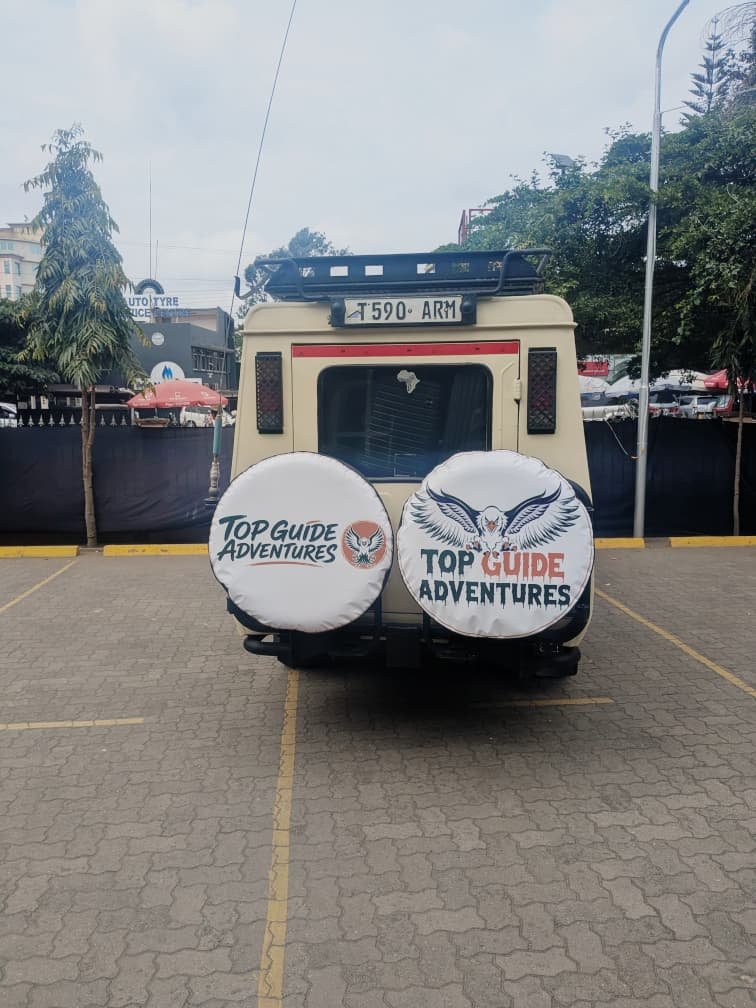
Selecting a tour operator is the most critical step in ensuring your safari is genuinely responsible and eco-friendly. Top Guide Adventures, based in Moshi/Arusha, is a local expert committed to these principles for your 2026-2027 adventures.
Here’s what to look for:
- Local Expertise: A local operator like Top Guide Adventures has an intrinsic understanding of Tanzania’s environment, wildlife, and local communities. They are more likely to have established relationships with conservation projects and community groups.
- Transparency: Reputable operators are transparent about their sustainability practices. They should be able to provide details on their conservation contributions, community programs, and environmental policies. Don’t hesitate to ask specific questions.
- Certifications and Affiliations: While not always mandatory, certifications from recognized eco-tourism bodies or affiliations with conservation organizations can be a good indicator of commitment.
- Guide Training: Ensure guides are not only knowledgeable about wildlife but also trained in responsible tourism practices, including wildlife viewing etiquette and environmental awareness. Top Guide Adventures employs licensed guides with extensive experience.
- Reviews and Reputation: Look for reviews that specifically mention the operator’s commitment to responsible travel or positive interactions with local communities.
When considering options for 2026-2027, ask potential operators about their approach to waste management, energy use, community benefit sharing, and wildlife viewing protocols. For instance, Top Guide Adventures prioritizes small group tours to minimize impact and offers personalized itineraries that can incorporate visits to community projects.
Sustainable Safari Practices in Action
Responsible tourism isn’t just a concept; it’s about tangible actions taken by operators and guests alike. For a truly eco-friendly experience in Tanzania, here’s what you can expect and how you can contribute:
- Waste Management: Operators should have a strict policy for minimizing waste, carrying out all non-biodegradable waste from parks, and avoiding single-use plastics. Encourage your lodge to provide refillable water bottles.
- Energy Conservation: Lodges often use solar power for electricity and hot water. Be mindful of your own energy consumption by turning off lights and fans when not in use.
- Water Usage: Water is a precious resource, especially in arid regions. Be conscious of your shower times and reuse towels to minimize laundry.
- Supporting Local Artisans: Purchasing souvenirs directly from local craftspeople ensures that your money benefits the community. Always ask for permission before taking photos of people.
- Respecting Wildlife: This cannot be stressed enough. Maintain a quiet demeanor in vehicles, never feed animals, and always follow your guide’s instructions. The goal is observation without interference. For example, when viewing predators, guides will position vehicles to avoid blocking their path or causing them stress.
For those planning a photography safari, it’s crucial to practice ethical wildlife photography, focusing on capturing the essence of the animal’s behavior without disturbing it. This aligns perfectly with responsible safari Tanzania eco-friendly wildlife tour principles.
Maximizing Positive Impact on Wildlife and Communities
Responsible safaris aim to leave a positive legacy. This involves more than just avoiding harm; it’s about actively contributing to the well-being of Tanzania’s natural heritage and its people.
Wildlife Conservation Contributions:
- Park Fees: A significant portion of your safari cost goes directly to park entrance fees, which fund conservation, anti-poaching patrols, and park management by Tanzania National Parks Authority (TANAPA).
- Donations and Support: Some operators partner with specific conservation projects. For instance, lodges in areas bordering wildlife corridors might support initiatives to reduce human-wildlife conflict.
- Research Participation: Some tours may offer opportunities to learn about or even contribute to ongoing wildlife research projects, enhancing understanding and conservation efforts.
Community Development Initiatives:
- Employment: Prioritizing operators who hire and train local staff – from guides and drivers to camp managers and cooks – provides sustainable livelihoods. Tanzania Wildlife Safari From Arusha tours often highlight local employment.
- Local Procurement: Sourcing food, crafts, and services from local suppliers boosts the regional economy.
- Educational Programs: Supporting schools or health clinics in communities near national parks can have a lasting positive impact.
- Cultural Tourism: Engaging in respectful cultural visits, such as to a Maasai village, should be done ethically, ensuring benefits flow to the community and visitors gain genuine insight.
For your 2026-2027 travels, consider safaris that integrate these elements. For example, a 7 Day Lake Eyasi Cultural Safari can offer a profound connection with indigenous communities while being part of a broader responsible travel experience.
Booking Your Responsible Adventure
Ready to plan your responsible safari Tanzania eco-friendly wildlife tour for 2026-2027? The key is to partner with a tour operator that shares your values and has a proven track record of sustainable practices. Top Guide Adventures is dedicated to crafting memorable and meaningful safaris that benefit Tanzania’s natural and human environment.
When you are ready to book or want to discuss specific itinerary details for 2026 or 2027, reach out to us. We can help tailor a safari that aligns with your interests, budget, and commitment to responsible travel. Whether you’re looking for a budget camping safari or a private luxury safari, sustainability remains at the core of our planning.
To start planning your unforgettable and responsible Tanzanian adventure, contact us:
- WhatsApp: +255 616 946 642
- Email: topguideadventures@gmail.com
Let us help you design a safari that respects the wild and enriches lives.
Note for 2026-2027 Travelers: Booking your responsible safari Tanzania eco-friendly wildlife tour well in advance is recommended, especially for peak travel periods. This ensures availability of preferred eco-lodges and allows us ample time to customize your itinerary to meet your specific responsible travel goals.
Check Availability for Responsible Safari Tanzania Eco Friendly Wildlife Tours 2026-2027
Ready to compare dates, prices, and the best option for your group? Send the package name and travel month so the team can reply with a clear quote, availability, and what is included.

Tanzania Classic Wildlife Safaris: Serengeti, Ngorongoro, Tarangire & Manyara
start an unforgettable Tanzania classic wildlife safari covering the iconic parks of Serengeti, Ngorongoro Crater, Tarangire, and Lake Manyara. These tours are designed to showcase the best...
View package details
Great Serengeti Migration Safaris In Tanzania: Best Routes, Seasons &
Discover the magic of the Great Serengeti Migration with Top Guide Adventures. This guide covers the best routes, optimal seasons for wildlife viewing, and essential planning tips for your...
View package detailsAfrica Tours & Travel, All Safari Booking In Tanzania 2026-2027
Africa Tours & Travel, All Safari Booking in Tanzania is explained with current 2026-2027 planning, price, itinerary and booking information.
View package detailsBiggest Animals Ever Discovered: African Wildlife, Ocean Giants, And Safari
Discover the planet's most massive creatures, including the giants of African savannas and the leviathans of the deep sea. Learn about their habitats, characteristics, and the awe they...
View package detailsBackground Remover Free: Enhancing Safari, Wildlife, And Travel Photography
This guide explores the utility of free background removal tools for photographers specializing in safari, wildlife, and travel imagery. It covers how these tools can enhance subject...
View package detailsThe Most Beautiful Animals In World: A Wildlife Photography And Safari
Exploring the planet's most visually stunning creatures offers a unique lens through which to appreciate biodiversity. This guide focuses on animals celebrated for their aesthetic...
View package detailsTop 10 Deadliest Snakes Worldwide – African Wildlife Destinations And Safari
Top 10 Deadliest Snakes Worldwide – African Snakes, Wildlife Destinations and Safari Safety is explained with current 2026-2027 planning, price, itinerary.
View package detailsBiggest Animals Ever Discovered: A Look At Giant Wildlife And Marine Giants
Discover the awe-inspiring scale of the largest animals to have ever inhabited Earth. This guide explores the biggest land mammals and the truly immense creatures of the ocean.
View package detailsMost Dangerous Animals In The World – Safari Wildlife, Habitats And Safety
Most Dangerous Animals in the World – Safari Wildlife, Habitats and Safety Around Wild Animals is explained with current 2026-2027 planning, price, itinerary.
View package detailsThe Strongest Animals On Planet: Powerful Wildlife To Observe 2026-2027
Exploring the sheer physical power of the animal kingdom reveals creatures that command respect through their might. This guide focuses on the strongest animals on the planet, highlighting...
View package details
2 Day Tanzania Safari – Tarangire, Ngorongoro And Short Packages 2026-2027
2 Day Tanzania Safari – Tarangire, Ngorongoro and Short Safari Packages is explained with current 2026-2027 planning, price, itinerary and booking.
View package details
Serengeti Safari From Mwanza: Best Route For Western Tanzania & 2026-2027
Discover the optimal routes for a Serengeti safari starting from Mwanza, focusing on the unique experiences offered by Western Tanzania and the Western Serengeti. This guide provides...
View package detailsNo closely related package is available yet for this topic.



